How to Tell Where a Plumbing Problem Is Coming From
Learn how to accurately trace plumbing problems back to their source. Discover diagnostic clues for leaks, clogs, and water pressure issues.

Tracing Plumbing Issues Back to Their Root Source
When water appears where it should not, or a drain refuses to clear, the immediate reaction is often panic. However, plumbing symptoms are rarely entirely random. The physical location of a wet spot, a strange sound, or a backed-up fixture is frequently misleading. Water travels along the path of least resistance, following framing members, pipe exteriors, or subflooring before finally emerging far away from the actual point of failure.
Understanding how to isolate and diagnose plumbing symptoms helps property owners distinguish between isolated fixture issues and broader system failures. Whether dealing with a hidden water leak, a sluggish drain, or fluctuating water pressure in a Miami home or multi-family condo, tracking the problem systematically prevents unnecessary exploratory demolition and misdirected repairs.
The Trajectory Rule: Why Wet Spots Are Often Decoys
One of the most common diagnostic mistakes is assuming that a leak is originating directly behind or beneath the visible damage. Water responds to gravity and structural geometry. A ceiling stain rarely sits directly beneath the exact pipe defect causing it.
When examining a leak, consider the following structural pathways:
- Gravity and Framing: Water leaking from a second-story supply line or a shared vertical stack in a high-rise building will run along floor joists, subfloor sheets, or drywall studs until it finds a penetration point or low spot to drip through.
- Pipe Sleeves and Penetrations: Water can travel along the outside of a pipe passing through a concrete slab or concrete block wall, emerging feet away from the actual crack or loose fitting.
- Condensation Confusion: In high-humidity climates like South Florida, uninsulated cold water supply lines or air conditioning condensate drain lines running through walls or ceilings frequently sweat heavily. This moisture accumulates and mimics a pressurized plumbing leak, even though the pipes are structurally sound.
Isolating Clogs: Single Fixture vs. System-Wide Backups
Drainage issues require a completely different diagnostic approach than water supply leaks. The behavior of a single clogged fixture compared to multiple failing fixtures immediately reveals where the restriction lies.
Single-Fixture Restrictions
If only one sink, shower, or toilet is draining slowly or backing up while every other plumbing fixture in the building functions normally, the problem is localized. The restriction is almost always contained within that specific fixture's trap, branch tailpiece, or the immediate section of drain line connecting that fixture to the main drainage stack.
Multi-Fixture and Main Line Failures
When multiple fixtures begin backing up simultaneously—such as a kitchen sink gurgling when a washing machine drains, or a shower backing up whenever a toilet is flushed—the problem has moved downstream into the main sanitary drain line or the sewer lateral. In properties built on slab foundations, a main line obstruction or structural offset will often cause the lowest fixture in the house, typically a floor drain, downstairs shower, or utility room basin, to overflow first.
Interpreting Auditory and Olfactory Clues
Plumbing systems communicate through sound and smell long before catastrophic failures occur. Paying attention to sensory clues helps pinpoint mechanical failures.
- Gurgling Drains: If air bubbles force their way up through standing water in a sink or toilet when another fixture drains, the plumbing venting system may be blocked, or a main drain line is partially choked, creating a vacuum that pulls air through fixture traps.
- Intermittent Sewer Odors: A dry floor drain trap or a cracked vent pipe hidden inside a wall can allow sewer gases to escape. If odors worsen after heavy rainfall, it may indicate pressure fluctuations in the municipal or private sewer lateral pushing air past compromised fixture traps.
- Water Hammer: A loud bang or shuddering noise in the walls immediately after shutting off a faucet or washing machine indicates hydraulic shock. This points directly to loose water supply pipes or a failed water hammer arrestor rather than a leak.
Supply-Side vs. Drainage-Side Pressure Issues
When water delivery performance drops, the diagnostic pathway depends on whether the issue affects a single valve or the entire property.
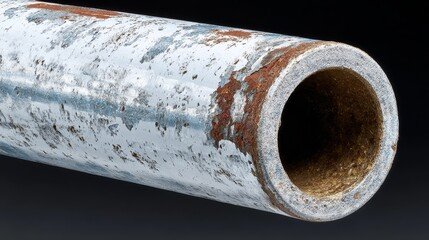
Check other nearby fixtures. If low pressure is isolated to a single kitchen faucet or bathroom sink, the issue is likely a clogged aerator, a partially closed supply stop valve beneath the sink, or debris trapped inside the faucet cartridge. However, if every fixture in the property experiences a sudden drop in volume or pressure when multiple taps are opened, the restriction is occurring upstream. This could point to a failing pressure-reducing valve (PRV), a partially closed main water shutoff valve, or mineral scaling narrowing galvanized supply pipes in older buildings.
Safe Homeowner Inspection Steps
Property owners can safely perform several initial checks to narrow down a plumbing mystery before calling a professional:
- The Water Meter Test: Ensure all indoor and outdoor faucets, valves, and water-using appliances are completely turned off. Locate the property water meter and observe the low-flow indicator dial (often a small red or blue triangle). If the indicator is spinning or moving, water is actively escaping somewhere in the system.
- Aerator Inspection: Unscrew the tip of a low-flowing faucet and check the mesh screen for mineral debris, sediment, or rubber gasket fragments.
- Visual Sweep: Inspect exposed supply lines beneath sinks, around water heaters, and near washing machine connection boxes for active dripping, mineral crusting, or corrosion.
When Diagnostic Limits Require Professional Equipment
While visual checks and basic isolation tests work well for surface issues, many plumbing problems hide inside concrete slabs, behind finished drywall, or underground. Attempting to locate these failures without specialized tools leads to unnecessary destruction of floors and walls.
Professional plumbing diagnostics utilize several advanced methods:
- Electronic Leak Detection: Uses acoustic listening devices and thermal imaging cameras to pinpoint pressurized water leaks beneath slab foundations or inside walls without tearing up surfaces.
- Sewer Camera Inspections: Pushes a high-resolution waterproof camera through drain lines to visually identify root intrusion, cracked pipes, offset joints, or heavy grease accumulation.
- Isolation Pressure Testing: Temporarily caps sections of a water supply system to measure pressure retention and isolate leaking pipe runs.
Cost Factors Associated with Plumbing Diagnostics and Repairs
Understanding what influences the cost of diagnosing and repairing a plumbing problem helps property owners evaluate service estimates realistically. Plumbing repairs are priced based on scope, accessibility, and the complexity of the underlying failure rather than just the visible symptom.
Key cost-influencing variables include:
- Accessibility: Accessing a leak on an exposed ceiling pipe takes minimal time. Repairing a hidden slab leak requires breaking through concrete flooring. Working inside multi-story high-rise buildings or shared condo stacks involves strict building management protocols and coordination.
- Diagnostic Requirements: Standard visual checks require basic labor, whereas deep sewer camera inspections or electronic acoustic leak detection require specialized diagnostic equipment and technical expertise.
- Pipe Material and Condition: Repairing modern PEX or copper piping differs significantly from tying into aging, brittle cast iron or galvanized steel drainage lines commonly found in older properties.
- Restoration Scope: Plumbing labor typically covers pipe repair or replacement only. Drywall patching, concrete pouring, tile replacement, and flooring restoration often involve separate trade work.
Frequently Asked Questions
How can I tell if a water leak is coming from my pipes or from outside water intrusion?
Plumbing leaks usually involve clean water and continue flowing regardless of the weather. Water intrusion caused by heavy rain or structural envelope failures generally correlates with storms, enters through exterior walls or windows, and smells musty or contains soil sediment.
What does it mean if my toilet bubbles when the bathtub drains?
This is a classic sign of a partial main drain line blockage or venting restriction. When water rushes down the tub drain, it pushes air ahead of it. If the main vent is blocked or the drain line is restricted, that trapped air escapes backward through the nearest and lowest fixture trap, which is usually the toilet bowl.
Why does my water meter keep running even when all faucets are shut off?
A moving meter dial with all fixtures closed confirms an active, continuous leak. This usually points to a running toilet flapper, a hidden hot or cold water line leak beneath the floor or inside a wall, or an underground supply line breach between the meter and the building entry point.
Can a clogged roof vent cause my drains to back up?
A blocked roof vent typically causes slow drainage, gurgling sounds, and unpleasant sewer odors inside the building rather than an immediate raw sewage backup. However, if debris completely seals the vent stack, it disrupts the barometric pressure needed for smooth wastewater flow.
How do I know if my plumbing problem is my responsibility or the HOA's responsibility in a condo?
Responsibility usually depends on whether the plumbing component serves an individual unit exclusively or multiple units. Branch lines and fixtures located entirely within and serving a single unit are typically private responsibilities, while shared vertical drain stacks and main building supply lines usually fall under association maintenance. Always review your specific condominium governing documents or lease agreement.