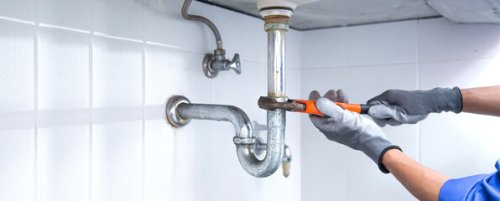
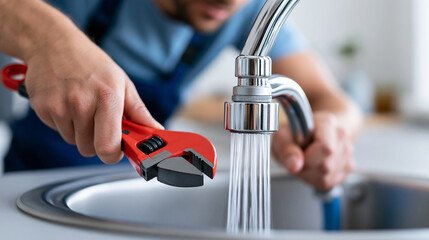
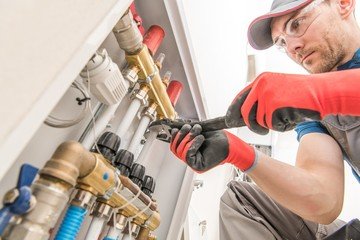
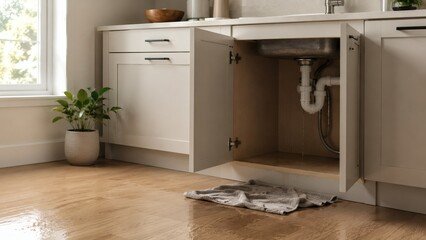
Expert Plumber in Overtown, Miami, FL
Overtown is one of Miami’s oldest and most historically significant neighborhoods. Because the area features a unique mix of early 20th-century historic homes, mid-century properties, and modern commercial developments, plumbing systems here face a wide variety of challenges. From aging cast-iron pipes to the effects of Miami's notoriously hard water, plumbing failures can disrupt daily life and threaten property integrity.
Homeowners and business owners typically search for a reliable plumber in Overtown when standard DIY methods fail, plunging no longer clears a backup, or an unexpected leak threatens to flood a living space. Addressing these issues immediately with a licensed professional protects your property value and ensures sanitary living conditions.
What Are Professional Plumbing S
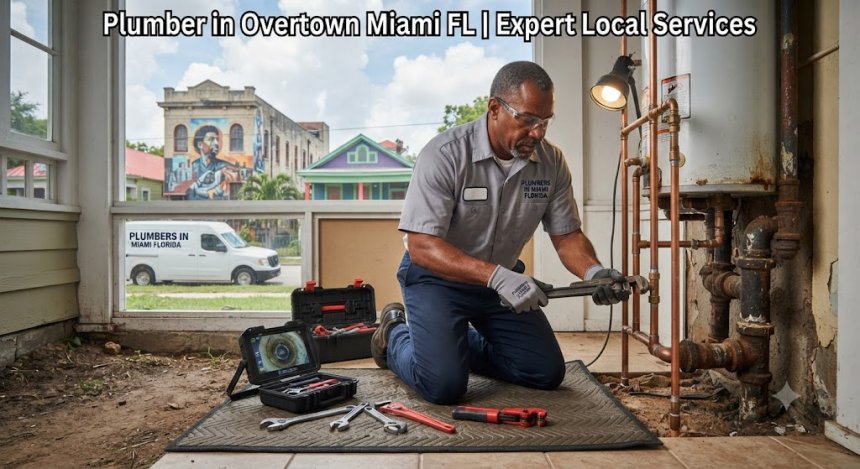
ervices?
Professional plumbing involves the installation, maintenance, diagnostic testing, and repair of the systems that deliver fresh water to your property and safely carry wastewater away.
Common Situations Requiring a Plumber
-
Sudden Pipe Bursts: High-pressure supply lines snapping inside walls or beneath floors.
-
Whole-House Backups: Raw sewage bubbling up into ground-floor tubs and showers.
-
No Hot Water: A water heater tank failing completely or leaking rapidly.
-
Persistent Hidden Leaks: High utility bills caused by underground slab leaks or running toilets.
In a historic district like Overtown, professional plumbing also frequently involves updating outdated, unsafe piping to meet modern Miami-Dade building codes.
Why Do Plumbing Problems Happen?
Plumbing systems degrade over time due to a combination of environmental factors and daily wear and tear. In Miami, specific local conditions accelerate these issues.
-
Aging Infrastructure: Many original Overtown properties still rely on decades-old cast-iron sewer stacks or galvanized steel water lines that rust from the inside out.
-
Hard Water Mineral Buildup: Miami’s municipal water is rich in calcium and magnesium. These minerals build up inside pipes, drastically narrowing water flow and destroying water heater heating elements.
-
Aggressive Tree Roots: Tropical landscaping and large oak trees seek out the moisture inside older clay or cast-iron sewer lines, crushing them and causing massive root blockages.
-
Ground Shifting: Sandy coastal soils and heavy seasonal rains cause foundational settling, which snaps rigid underground pipes.
-
High Municipal Water Pressure: Water pressure exceeding 80 PSI puts immense stress on fixture valves and supply hoses, leading to sudden blowouts.
-
Flushing Improper Items: The frequent flushing of "flushable" wipes, paper towels, and feminine hygiene products snags on pipe imperfections and creates solid blockages.
Signs You Should Never Ignore
Plumbing systems usually provide subtle warning signs before a catastrophic failure. Catching these early saves thousands in water damage restoration.
-
Slow Draining Fixtures: When multiple sinks or tubs drain slowly, it signals a blockage forming deep in your main sewer line.
-
Water Stains on Ceilings: Discolored brown rings on drywall indicate an active, hidden leak from a roof drain or upper-floor bathroom.
-
Sudden Drops in Water Pressure: If pressure drops across the whole house, you may have a severe main waterline leak or heavy internal pipe corrosion.
-
Unexplained High Water Bills: A sudden spike in utility costs is often the first and only sign of an underground slab leak.
-
Musty Odors and Damp Walls: Smelling mold or noticing peeling paint near baseboards means water is pooling inside your wall cavities.
-
Gurgling Toilets: Hearing a bubbling sound from your toilet when you run the bathroom sink means your venting system or main drain is blocked.
-
Discolored Water: Brown or yellow water coming from hot taps indicates severe rust inside your water heater tank.
Common Plumbing Problems Related to This Issue
When you call a local plumber, they are usually dispatched to handle one of the following interconnected issues:
-
Severe Drain Clogs: Kitchen grease and bathroom hair forming impenetrable blockages.
-
Main Sewer Line Backups: Tree roots or collapsed pipes stopping all wastewater flow.
-
Water Heater Failures: Thermostat malfunctions, leaking tanks, or blown heating elements.
-
Sub-Slab Water Leaks: Pressurized copper lines leaking beneath concrete foundations.
-
Running or Leaking Toilets: Worn flappers wasting hundreds of gallons of water daily.
-
Dripping Faucets and Fixture Damage: Corroded brass cartridges that no longer stop water flow completely.
Step-by-Step Professional Repair Process
A licensed plumbing contractor approaches every job methodically to ensure accuracy, safety, and code compliance.
-
Initial Inspection and Safety Check: The plumber locates the main shut-off valve, stops active flooding, and assesses the visible damage.
-
Advanced Diagnosis: Using diagnostic tools like thermal cameras or fiber-optic scopes, the technician pinpoints the exact cause of the failure without unnecessary demolition.
-
Upfront Estimate: You receive a clear, transparent breakdown of the required parts, labor, and repair options before any work begins.
-
Precision Repair: The technician executes the repair using commercial-grade materials, whether that involves soldering new copper lines or hydro-jetting a sewer main.
-
System Testing: The water is turned back on, and the repaired section is pressure-tested to ensure no microscopic leaks remain.
-
Worksite Cleanup: The area is thoroughly sanitized and restored, hauling away old parts and debris.
-
Maintenance Advice: The plumber provides practical guidance on how to prevent the specific issue from returning.
Can You Fix It Yourself?
Understanding your limits with DIY plumbing prevents minor inconveniences from turning into expensive emergencies.
-
Safe DIY Solutions: You can safely clear a minor toilet clog with a standard flange plunger, clean out a sink aerator, or replace a basic showerhead.
-
Temporary Fixes: Shutting off the angle stop valve behind a leaking toilet or applying heavy-duty rubber tape to a pinhole leak can buy you time until a professional arrives.
-
When DIY Becomes Dangerous: Pouring chemical drain cleaners into a fully blocked pipe creates a toxic, corrosive hazard. Attempting to solder copper pipes near wooden framing risks starting a house fire.
-
When Professional Plumbing is Necessary: You must call a professional for any main sewer backup, gas line concern, water heater replacement, or hidden leak behind walls.
Tools Professionals Use
Professional plumbers carry specialized equipment that drastically improves repair speed and accuracy.
-
Fiber-Optic Drain Cameras: High-definition cameras fed into pipes to visually locate root intrusions, bellied pipes, and severe clogs.
-
Hydro Jetting Machines: Industrial water blasters that scour pipe walls clean of grease and scale using 4,000 PSI of pressure.
-
Acoustic Leak Detectors: Sensitive listening devices that pinpoint the exact location of a pressurized water leak beneath a concrete slab.
-
Thermal Imaging Cameras: Infrared technology that detects temperature changes caused by hidden moisture inside drywall.
-
Electronic Pipe Locators: Transmitters used to map the exact underground path and depth of sewer lines before digging.
-
ProPress Tools: Hydraulic crimping tools that join copper pipes securely without the need for an open flame.
How Long Does the Repair Usually Take?
Timelines depend entirely on the complexity of the plumbing failure.
-
Simple Repairs: Fixing a running toilet, swapping a faucet cartridge, or unclogging a standard P-trap takes 1 to 2 hours.
-
Moderate Repairs: Replacing a water heater, installing a new toilet, or hydro-jetting a main line takes 2 to 4 hours.
-
Major Repairs: Rerouting a sub-slab leak, replacing a sewer lateral, or repiping a historic home takes 1 to 3 days.
-
Emergency Dispatch: Containment usually happens within minutes of arrival, followed by the necessary repair timeline.
Cost Factors
Ethical plumbers provide pricing based on tangible variables rather than fixed, sight-unseen quotes.
-
Diagnostic Time: Complex slab leaks require more time to locate than a visible under-sink drip.
-
Parts and Materials: High-quality brass fittings and commercial-grade copper cost more than basic builder-grade plastics but last decades longer.
-
Labor Complexity: Working in a tight, 1930s Overtown crawlspace is more labor-intensive than working in a modern, open garage.
-
Emergency Service Charges: After-hours, weekend, or holiday dispatch generally carries a premium rate.
-
Permit Costs: Major jobs like water heater replacements or sewer excavations require Miami-Dade municipal building permits.
-
Repair vs. Replacement: Patching a small pipe section is cheaper upfront, but repiping an entirely degraded system is more cost-effective long-term.
Plumbing repair costs vary depending on the severity of the problem, accessibility, materials required, emergency service, property type, and local labor rates.
Hidden Truths Homeowners Should Know
The plumbing industry has practical realities that every property owner should understand:
-
Small Leaks Bankrupt Budgets: A dripping faucet can waste 3,000 gallons a year; a running toilet can waste that much in a month.
-
Chemical Cleaners Destroy Pipes: Store-bought drain acids melt the glue holding PVC pipes together and eat through aging cast iron.
-
Insurance Dislikes Neglect: Homeowner’s insurance frequently denies water damage claims if the leak was caused by long-term, neglected maintenance.
-
Tree Roots Always Return: If you simply snake a root-infested line, the roots will grow back thicker. Only hydro-jetting or pipe lining stops them long-term.
-
Hard Water Kills Appliances: Without a water softener or regular flushing, Miami's hard water will cut your water heater’s lifespan in half.
-
Flushable Wipes Are a Lie: Plumbers make thousands of dollars a year extracting "flushable" wipes that do not dissolve in sewer lines.
-
DIY Fixes Rarely Hold: Rubber clamps and epoxy putty are temporary band-aids; municipal water pressure will eventually blow them off.
-
Mold Moves Fast: In South Florida's humidity, water from a leak will begin sprouting toxic mold inside your walls within 48 hours.
-
Annual Maintenance Saves Money: Paying for an annual camera inspection or water heater flush is vastly cheaper than paying for an emergency midnight flood repair.
-
Cheap Parts Cost More: Buying a $30 generic faucet cartridge usually results in a leak and a $200 repair bill a year later.
15 Common Mistakes Homeowners Make
Avoid these everyday errors to protect your plumbing infrastructure:
-
Ignoring Minor Leaks: Assuming a small drip under the sink isn't a big deal until the cabinet bottom rots out.
-
Flushing Wipes and Paper Towels: Treating the toilet like a trash can causes major sewer blockages.
-
Pouring Grease Down the Drain: Liquid cooking fat turns into a solid, impenetrable block of grease once it hits cold underground pipes.
-
Using Harsh Drain Chemicals: Opting for corrosive acids instead of a mechanical snake or plunger.
-
Ignoring Water Pressure Surges: Failing to install a pressure-reducing valve when municipal pressure spikes.
-
Hiring Unlicensed Handymen: Allowing uninsured workers to perform complex, unpermitted plumbing alterations.
-
Skipping Water Heater Flushes: Letting sediment bury and destroy the heating elements inside the tank.
-
Waiting for a Catastrophe: Delaying a service call for a slow drain until raw sewage backs up into the shower.
-
Mixing Pipe Materials Badly: Connecting copper directly to galvanized steel without a dielectric union, causing rapid galvanic corrosion.
-
Over-Tightening Fittings: Cranking down on plastic toilet valves or brass nuts until they crack under pressure.
-
Leaving Hoses Connected: Failing to disconnect garden hoses, leading to accelerated wear on the hose bib.
-
Burying Cleanouts: Landscaping over the main sewer access point, making emergency access impossible.
-
Overloading the Garbage Disposal: Shoving fibrous vegetable peels, eggshells, and coffee grounds into the disposal at once.
-
Ignoring Musty Smells: Writing off a damp odor as "old house smell" when it is actually an active hidden leak.
-
Not Knowing the Shut-Off Location: Panicking during a burst pipe because no one in the house knows where the main water valve is.
Maintenance Tips
Keep your plumbing running smoothly year-round with these practical tips:
-
Locate the Main Valve: Tag your main water shut-off valve so anyone in the family can find it instantly during an emergency.
-
Test the Shut-Off: Turn the main valve off and on twice a year to ensure it hasn't seized up from hard water scale.
-
Use Drain Strainers: Put inexpensive mesh catchers in every shower and tub to stop hair before it causes a clog.
-
Flush Your Water Heater: Attach a hose to the drain valve and flush the sediment out of your tank every 12 months.
-
Check Your Anode Rod: Have a plumber inspect your water heater's sacrificial anode rod every three years to prevent tank rust.
-
Clean Aerators: Unscrew faucet aerators every few months and soak them in vinegar to dissolve hard water buildup.
-
Treat Drains with Enzymes: Use eco-friendly enzymatic drain cleaners monthly to safely digest organic waste in the pipes.
-
Monitor Your Water Bill: Review your monthly usage; sudden unexplained spikes are the first sign of a hidden leak.
-
Inspect Supply Hoses: Check the flexible hoses behind your washing machine and toilets. Replace rubber hoses with braided stainless steel every 5 years.
-
Test Toilet Flappers: Put a few drops of food coloring in the toilet tank. If color seeps into the bowl without flushing, replace the leaking flapper.
-
Listen to Your Toilets: If you hear the toilet randomly filling when no one has used it, you have a slow, expensive leak.
-
Run Unused Fixtures: Run water in guest bathrooms or utility sinks weekly to keep the P-traps full of water, blocking sewer gases from entering the home.
-
Clear Roof Drains: Before hurricane season, ensure all roof gutters and downspouts direct water far away from your foundation.
-
Look for Soft Spots in the Yard: Unexplained lush grass or muddy sinkholes indicate a broken underground sewer or water line.
-
Schedule Annual Inspections: Have a trusted local plumber evaluate your system comprehensively once a year.
When Should You Call an Emergency Plumber?
Do not wait for regular business hours if you experience any of the following:
-
Active Flooding: A burst pipe or broken supply line pouring water into living spaces.
-
Sewage Backups: Wastewater coming up through floor drains, tubs, or toilets.
-
No Running Water: A complete loss of water supply to the property.
-
Uncontrollable Leaks: A leak you cannot stop because the main shut-off valve is broken or seized.
-
Gas Odors: If your plumber handles gas lines and you smell sulfur or rotten eggs, evacuate immediately and call for emergency assistance.
Frequently Asked Questions
Why is my water pressure suddenly low? Sudden low pressure usually indicates a failing pressure-reducing valve, a massive hidden leak, or heavy mineral scale buildup blocking the water lines.
How much does leak detection cost? Costs vary based on the property size and technology needed, but professional detection is always cheaper than tearing down walls blindly to find a leak.
Can a clogged drain damage pipes? Yes. Severe clogs trap corrosive chemicals and create massive back-pressure that can crack aging pipe joints.
Is hydro jetting safe for old pipes? It depends on the pipe's condition. A plumber must always run a camera first. If an old cast-iron pipe is paper-thin, hydro-jetting might destroy it.
How do I know if my sewer line is broken? Look for multiple simultaneous backups, severe sewage odors in the yard, gurgling toilets, and unexplained sinkholes in the lawn.
How long do water heaters last? Standard tank water heaters last 8 to 12 years. Tankless models can last 15 to 20 years with proper descaling maintenance.
Why does my faucet drip? Dripping is typically caused by a worn-out rubber O-ring, a degraded washer, or a scratched ceramic cartridge inside the faucet handle.
What causes pipes to burst? In Miami, pipes burst primarily from extreme water pressure fluctuations, heavy internal corrosion thinning the metal walls, or physical trauma from shifting foundations.
Can plumbing leaks increase my water bill? Absolutely. A continuously running toilet can waste over 200 gallons a day, drastically inflating your monthly utility bill.
When should I replace plumbing instead of repairing it? If your Overtown home still has original galvanized steel water lines or crumbling cast-iron drains experiencing repeated failures, a full repipe is the safest and most economical choice.
Why Choose Our Plumbing Company
When you face a plumbing issue in Overtown, you need a local expert who understands the unique architectural and infrastructural challenges of the area.
-
Experienced Licensed Plumbers: Our technicians are fully licensed, insured, and highly trained in both historic home preservation and modern plumbing codes.
-
Honest Recommendations: We do not rely on high-pressure sales tactics. We provide you with the most practical, cost-effective options for your specific property.
-
Upfront Estimates: You will always know the exact price of the repair before we pick up a wrench. No hidden fees.
-
Fast Response: We dispatch quickly to Overtown, Downtown Miami, Wynwood, and all surrounding Miami-Dade neighborhoods.
-
Emergency Availability: Plumbing disasters don't wait for Monday morning, and neither do we.
-
Quality Workmanship: We use commercial-grade materials and stand behind every repair with a solid warranty.
-
Modern Equipment: We utilize the latest camera inspection and non-invasive leak detection technology to save your property from unnecessary damage.
-
Local Expertise: We know Miami. We know the soil, the water hardness, and the building codes to get the job done right the first time.