Introduction
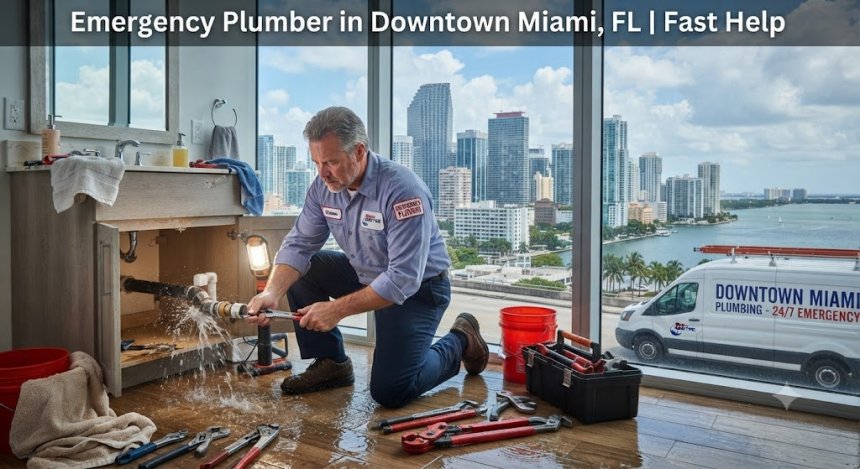
Plumbing emergencies have a frustrating habit of happening at the worst possible moments. Whether it is a midnight pipe burst flooding a historic condo in the Arts and Entertainment District or a backing-up commercial line disrupting a busy restaurant on Flagler Street, sudden plumbing failures demand immediate action. Property owners in Downtown Miami, FL, and surrounding neighborhoods like Brickell, Edgewater, and Overtown frequently face unique plumbing challenges driven by rapid urban development, aging infrastructure, coastal humidity, and hard water conditions.
When water is actively damaging drywall, flooring, or inventory, waiting until regular business hours is simply not an option. Homeowners and business operators search for emergency plumbing services because they need a reliable lifeline to mitigate damage, protect property value, and restore safety. Understanding how to handle these stressful situations—and knowing what to expect from a professional emergency plumber in Downtown Miami—can save you thousands of dollars in potential water damage and restoration costs.
What Is an Emergency Plumber in Downtown Miami, FL?
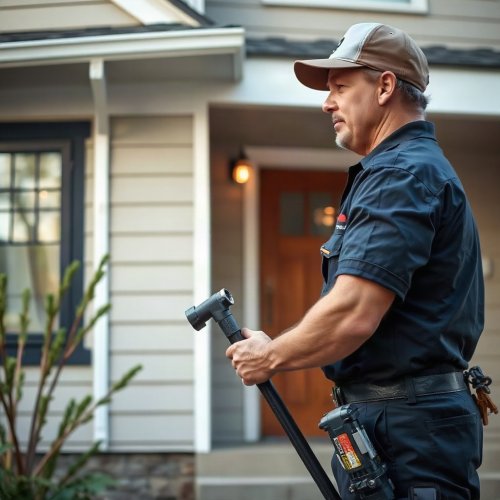
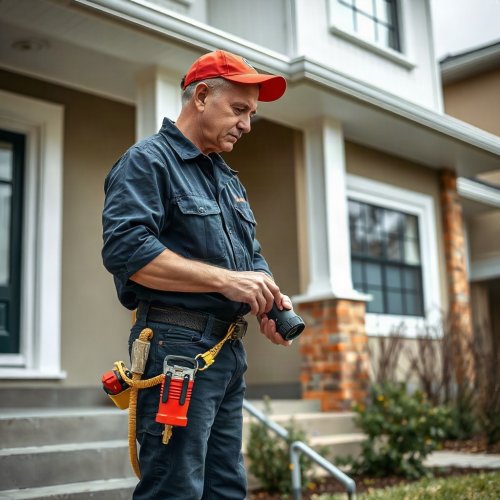
An emergency plumber is a licensed, insured professional who provides rapid-response plumbing services outside normal operating hours, including nights, weekends, and holidays. Unlike scheduled maintenance plumbing—such as installing a new bathroom vanity or replacing a standard faucet—emergency plumbing focuses on critical failures that threaten property safety, structural integrity, or habitability.
Common Situations Requiring Emergency Intervention
-
Catastrophic Leaks: Sudden pipe ruptures or detached supply lines spewing water across floors.
-
Severe Sewer Overflows: Wastewater backing up through showers, toilets, or floor drains.
-
Total Loss of Water: Complete disruption of water supply to a home or commercial building.
-
Overflowing Fixtures: Toilets or commercial sinks that will not stop rising and spilling over.
Downtown Miami features a dense mix of high-rise luxury condominiums, older historic structures, and modern commercial complexes. Each property type presents distinct symptoms and emergency scenarios, making local expertise vital when disaster strikes.
Why Does This Plumbing Problem Happen?
Plumbing emergencies rarely occur without underlying causes. In the subtropical climate and dense urban environment of Downtown Miami, several environmental and mechanical factors contribute to sudden system failures.
-
Aging Infrastructure: Many properties in and around Downtown Miami feature older galvanized steel or cast-iron pipes that corrode, thin out, and rupture unexpectedly under standard water pressure.
-
Aggressive Hard Water: High mineral content in the local water supply accelerates scale buildup inside pipes and water heaters, restricting flow and weakening joints.
-
Tree Root Intrusion: Sub-surface tree roots, particularly from mature tropical trees lining urban corridors, seek out microscopic cracks in underground sewer lines, leading to major blockages and structural collapses.
-
High Water Pressure: Municipal water pressure supplies can fluctuate, putting excessive daily stress on residential and commercial plumbing connections until a fitting finally gives way.
-
Improper Disposal Practices: Flushing "flushable" wipes, pouring grease down kitchen sinks, or introducing foreign objects into commercial drainage systems quickly triggers severe backups.
-
Poor Maintenance: Neglecting minor drips, ignoring slow drains, or skipping annual water heater flushes turns small, manageable issues into midnight emergencies.
Signs You Should Never Ignore
Most plumbing catastrophes give subtle warnings before they turn into full-blown disasters. Paying attention to these red flags can help you call an emergency plumber before water begins pooling on your floors.
-
Water Stains on Ceilings or Walls: Brown rings, bubbling paint, or warped drywall indicate a hidden, active leak behind walls or from an upper-floor unit.
-
Slow Drains Throughout the Property: If multiple fixtures—like a bathtub, sink, and toilet—drain sluggishly at the same time, a main sewer line blockage is likely forming.
-
Unexplained Low Water Pressure: A sudden drop in pressure often points to a major leak, pipe constriction, or municipal supply disruption.
-
Damp, Musty Odors: Persistent foul smells or damp earth odors often signal hidden mold growth or a cracked sewer vent pipe.
-
Unusually High Water Bills: A spike in your monthly utility bill without a change in consumption habits is a classic signature of a hidden underground or in-wall leak.
-
Gurgling Sounds: Hearing bubbling or gurgling noises from toilets when running the washing machine or sink indicates trapped air and drainage blockages.
Common Plumbing Problems Related to This Issue
Emergency plumbing calls in Downtown Miami typically revolve around a few recurring system failures:
-
Burst Pipes: Driven by corrosion, shifting foundations, or pressure spikes, split pipes release massive volumes of water rapidly.
-
Main Sewer Line Backups: Blockages or structural failures in the main sewer line cause raw sewage to flood lower-level living spaces or commercial facilities.
-
Water Heater Failures: Rusted tank bottoms giving way or severe electrical/gas valve malfunctions resulting in basement or utility closet flooding.
-
Slab Leaks: Leaks occurring in water lines running beneath the concrete foundation of a building, eroding soil and causing structural settling.
-
Overflowing Commercial Toilets: High-traffic restrooms experiencing sudden mainline obstructions that threaten customer spaces.
Step-by-Step Professional Repair Process
When you hire a reputable emergency plumber in Downtown Miami, FL, they follow a systematic, professional workflow to resolve the issue safely and efficiently.
Step 1: Rapid Response & Triage
The emergency plumber arrives on-site equipped to locate and shut off the main water or gas supply immediately, halting active damage to your property.
Step 2: Comprehensive Diagnosis
Using advanced diagnostic tools, the plumber inspects the affected area to determine the exact root cause, scope, and severity of the failure.
Step 3: Transparent Estimate
Before beginning invasive repairs, the technician provides a clear, upfront explanation of the required work, parts, labor, and associated costs.
Step 4: Precision Repair or Replacement
The plumber executes the necessary repairs—whether that involves sectioning out a damaged pipe, hydro-jetting a stubborn blockage, or replacing a failed valve—using professional-grade materials.
Step 5: System Testing
Once repairs are complete, the system is pressurized and tested thoroughly to ensure zero leaks, proper drainage, and correct flow rates.
Step 6: Site Cleanup
Professional emergency plumbers respect your property, cleaning up debris, drying standing water where possible, and leaving the work area sanitary.
Step 7: Maintenance Advice
The technician concludes by offering customized advice to prevent future emergencies, such as scheduling regular pipe inspections or installing pressure-reducing valves.
Can You Fix It Yourself?
When water is rushing into your living room or business, panic often sets in, and the temptation to DIY is high. However, understanding the boundary between safe homeowner actions and dangerous professional repairs is critical.
-
What Homeowners Can Safely Do: Locate and turn off the main water shut-off valve, switch off the electricity to the affected area if safe, open outdoor spigots to drain remaining pipe pressure, and use towels and buckets to contain pooling water.
-
Temporary Fixes: Applying rubber repair tape or a temporary pipe clamp to a minor pinhole leak can slow down water loss while you wait for professionals.
-
When DIY Becomes Dangerous: Attempting to repair high-pressure supply lines, working on gas water heaters without proper certifications, clearing main sewer lines with rental equipment without knowing line layouts, or dealing with electrical water heater components introduces severe risks of electrocution, gas leaks, structural collapse, and personal injury.
-
When Professional Plumbing is Necessary: Any major leak, sewage backup, gas line issue, or structural pipe failure requires immediate licensed professional intervention.
Tools Professionals Use
Modern emergency plumbing relies heavily on advanced technology to diagnose and fix problems quickly without tearing up floors or walls unnecessarily.
-
Drain Inspection Cameras: Waterproof fiber-optic cameras fed into pipes to visually pinpoint cracks, root intrusions, and grease buildups.
-
Electronic Leak Detectors: Acoustic listening devices and thermal imaging cameras that trace hidden leaks behind concrete slabs and walls.
-
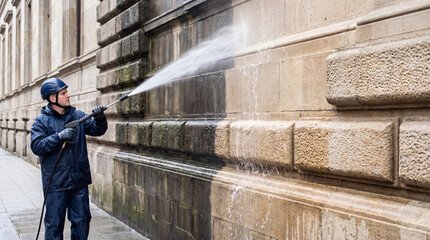
Hydro Jetting Equipment: High-pressure water streams that scour pipe interiors clean of stubborn roots, scale, and heavy sludge.
-
Pipe Locators: Radio transmitters used above ground to map the exact underground path and depth of damaged pipes.
-
Pressure Testing Gauges: Instruments used to isolate sections of piping and identify microscopic pressure drops indicating hidden leaks.
-
Trenchless Repair Gear: Specialized equipment allowing pipe lining or bursting without excavating landscaping or driveways.
How Long Does the Repair Usually Take?
Repair timelines vary widely depending on the complexity and severity of the plumbing emergency.
-
Simple Emergency Repairs: Fixing a broken supply line connection, replacing a faulty shut-off valve, or clearing an isolated toilet clog typically takes 1 to 2 hours.
-
Moderate Repairs: Replacing a section of corroded supply piping, repairing a standard water heater leak, or clearing a localized drain blockage generally takes 2 to 4 hours.
-
Major Repairs: Main sewer line excavation, trenchless pipe lining, or complex slab leak repairs can take anywhere from a full day to multiple days, depending on permitting and accessibility.
-
Factors Affecting Repair Time: Pipe accessibility (e.g., high-rise condo walls vs. exposed basement lines), availability of replacement parts, severity of property damage, and the need for municipal permits.
Cost Factors
Professional plumbing repair costs fluctuate based on several concrete variables. Reputable plumbers avoid guesswork and evaluate these factors before quoting:
-
Diagnostic Fees: The cost associated with dispatching an emergency technician and utilizing specialized detection equipment after hours.
-
Time and Urgency: After-hours, weekend, and holiday emergency dispatches carry differential labor rates due to the immediate mobilization required.
-
Materials and Parts: Specialized fittings, commercial-grade piping, or custom replacement components required for older or high-rise structures.
-
Extent of Damage: The physical scale of the repair, including whether drywall or flooring must be opened to access damaged lines.
-
Property Type: High-rise condominiums in Downtown Miami often involve strict building association rules, freight elevator reservations, and parking logistics that influence labor time.
-
Permit and Code Requirements: Local municipal codes in Miami may require permits and inspections for major plumbing replacements.
Plumbing repair costs vary depending on the severity of the problem, accessibility, materials required, emergency service, property type, and local labor rates.
Hidden Truths Homeowners Should Know
Operating a home or business in an urban hub like Downtown Miami comes with unique responsibilities. Keeping these practical realities in mind protects your investment:
-
Small Leaks Become Expensive Repairs: Ignoring a slow drip under a sink today often results in rotting cabinetry and black mold growth next month.
-
Cheap Temporary Fixes Often Fail: Hardware store epoxy patches rarely hold up against sustained municipal water pressure.
-
Insurance May Not Cover Neglected Plumbing: Homeowner insurance policies frequently deny claims if water damage stems from long-term, unaddressed maintenance neglect.
-
Tree Roots Return: Clearing tree roots from a sewer line with an auger only provides temporary relief; without rooter barriers or lining, they will return within months.
-
Hard Water Shortens Fixture Lifespan: Unfiltered mineral-heavy water coats heating elements and valves, cutting appliance lifespans in half.
-
DIY Mistakes Increase Repair Costs: Incorrectly installed fittings or over-tightened connections frequently cause secondary floods that dwarf the original problem.
-
Delaying Repairs Causes Structural Damage: Water undermines subfloors, rusts steel reinforcements in concrete, and compromises building integrity.
-
Hidden Leaks Increase Utility Bills: A silent toilet flapper or pinhole leak can inflate water bills by hundreds of dollars over a single billing cycle.
-
Mold Develops Quickly: In South Florida's humid climate, mold colonies can establish themselves within 24 to 48 hours of water exposure.
-
Annual Maintenance Saves Money: Investing in routine system check-ups prevents emergency call-out fees and extends equipment life.
15 Common Mistakes Homeowners Make
Avoiding these common pitfalls will save you stress, property damage, and unnecessary repair expenses:
-
Ignoring Minor Leaks: Hoping a drip will fix itself leads to rot and structural damage.
-
Using Chemical Drain Cleaners: Pouring harsh acid cleaners into pipes eats away at metal and PVC pipe walls, causing leaks.
-
Flushing "Wipes": Even wipes labeled "flushable" do not break down and routinely clog main sewer lines.
-
Pouring Grease Down Drains: Cooking oil solidifies inside cold pipes, trapping debris and causing stubborn blockages.
-
Ignoring Water Pressure Problems: High pressure stresses joints until they burst; low pressure hides failing lines.
-
Hiring Unlicensed Handymen: Unlicensed workers lack insurance and code knowledge, leaving you liable for poor work.
-
Skipping Regular Maintenance: Forgetting to flush water heaters or inspect shut-off valves invites sudden failures.
-
Waiting Until Emergencies Occur: Failing to service aging plumbing components guarantees a midnight crisis.
-
Using Wrong Pipe Materials: Mixing incompatible metals (like copper and galvanized steel) causes galvanic corrosion.
-
Over-Tightening Fittings: Forcing threaded connections too tight cracks porcelain fixtures and strips brass threads.
-
Not Knowing Main Valve Locations: Wasting precious minutes searching for the water shut-off while flooding occurs.
-
Leaving Hoses Connected in Winter: Though Miami rarely freezes, trapped water in exterior lines can crack fixtures.
-
Ignoring Slow Drains: Treating sluggish drains with a plunger instead of finding the root cause.
-
Disposing of Paint or Chemicals Down Drains: Damages municipal infrastructure and degrades household traps.
-
Failing to Verify Plumber Credentials: Not checking licenses, reviews, or insurance before signing work authorizations.
Maintenance Tips
Proactive care keeps your plumbing system reliable and reduces the likelihood of emergency call-outs.
-
Test Shut-Off Valves: Turn your main water supply valve off and on once every six months to prevent it from seizing up.
-
Install Water Leak Detectors: Place smart water sensors near water heaters, washing machines, and under sinks to alert your phone to leaks instantly.
-
Flush Water Heaters Annually: Remove sediment buildup from tank floors to maintain heating efficiency and prevent tank corrosion.
-
Watch What You Pour: Keep grease, coffee grounds, and fibrous food scraps out of garbage disposals and kitchen drains.
-
Inspect Washing Machine Hoses: Replace rubber washing machine supply hoses with braided steel lines every five years.
-
Monitor Water Pressure: Install a water pressure gauge on an outdoor spigot to ensure your pressure stays below 80 PSI.
-
Clean Aerators Regularly: Unscrew faucet aerators twice a year to clear out mineral scale and maintain smooth water flow.
-
Mind Your Toilets: Periodically drop food coloring into your toilet tank; if color seeps into the bowl without flushing, replace the flapper.
-
Clear Outdoor Drains: Keep leaves, dirt, and debris away from patio drains and downspout extensions to prevent pooling.
-
Schedule Professional Inspections: Have a licensed plumber inspect aging sewer and supply lines every few years, especially in older properties.
-
Use Strainers in Showers: Catch hair and soap scum before they enter and choke your bathroom drain lines.
-
Insulate Exposed Pipes: Protect any exterior or garage plumbing lines from extreme temperature fluctuations.
-
Know Your System Age: Keep a record of when water heaters, pipes, and major fixtures were installed or replaced.
-
Educate Family Members: Ensure everyone in your household knows where the main water shut-off valve is located.
-
Address Drips Immediately: Tighten loose handles or replace worn washers at the first sign of a drip.
When Should You Call an Emergency Plumber?
Recognizing when a situation crosses the line from a DIY fix to a professional emergency prevents catastrophic property loss.
-
Burst or Ruptured Pipes: Active water spouting from a broken line.
-
Major Sewage Backups: Wastewater overflowing from toilets, tubs, or floor drains.
-
Total Loss of Water Supply: Inability to access running water for hygiene or business operations.
-
Overflowing Fixtures That Won’t Stop: Toilets or sinks continuously rising despite shutting off local valves.
-
Suspected Gas Line Leaks: If your plumbing contractor handles gas lines and you smell sulfur/gas near appliances (evacuate immediately and call utility providers first).
-
Major Water Leaks Behind Walls: Water staining expanding rapidly across ceilings or bubbling drywall.
-
Severe Flooding: Water pooling across flooring due to a plumbing failure.
Frequently Asked Questions
Why is my water pressure suddenly low?
Sudden low water pressure is often caused by a major pipe leak, a partially closed main shut-off valve, a clogged water meter filter, or municipal supply repairs in your area.
How much does leak detection cost?
Leak detection costs vary based on the technology used and accessibility, but investing in professional detection prevents costly exploratory demolition of walls and floors.
Can a clogged drain damage pipes?
Yes. Severe clogs place excessive back-pressure on pipe joints, and chemical drain cleaners can corrode pipe walls, leading to cracks and leaks.
Is hydro jetting safe for old pipes?
An experienced plumber must inspect older cast-iron or clay pipes with a camera first; if pipes are severely degraded, hydro jetting may cause further structural failure.
How do I know if my sewer line is broken?
Common signs include multiple clogged drains, raw sewage backups, foul odors around your property, and lush, green patches of grass above underground sewer lines.
How long do water heaters last?
Standard tank water heaters typically last between 8 to 12 years, while tankless models can last 15 to 20 years with proper annual maintenance.
Why does my faucet drip?
A dripping faucet is usually caused by a worn-out washer, O-ring, or valve seat inside the fixture mechanism due to daily wear and tear or hard water mineral buildup.
What causes pipes to burst?
Pipes commonly burst due to excessive water pressure, extreme internal corrosion, shifting foundations, or physical trauma to the plumbing lines.
Can plumbing leaks increase my water bill?
Absolutely. Even a small silent leak or running toilet can waste thousands of gallons of water monthly, resulting in a drastically inflated utility bill.
When should I replace plumbing instead of repairing it?
If your property features outdated galvanized steel or corroded cast-iron pipes that experience frequent leaks and low pressure, a full repipe is more cost-effective than endless spot repairs.
Why Choose Our Plumbing Company
When a plumbing emergency disrupts your day in Downtown Miami, you need a team you can trust implicitly.
-
Experienced Licensed Plumbers: Our technicians hold valid state licenses and undergo rigorous ongoing training.
-
Honest Recommendations: We provide straightforward, transparent advice focused on what is best for your property and budget.
-
Upfront Estimates: No hidden fees or surprise charges—you approve the price before any work begins.
-
Fast Response Times: We mobilize rapidly across Downtown Miami, Brickell, Edgewater, and surrounding neighborhoods.
-
24/7 Emergency Availability: Day or night, weekends or holidays, our team is ready to answer your call.
-
Quality Workmanship: We stand behind our repairs with robust service guarantees and professional-grade materials.
-
Modern Equipment: We utilize state-of-the-art diagnostic cameras, hydro jetters, and leak detectors to solve problems efficiently.
-
Local Expertise: We understand the unique plumbing codes, water conditions, and architectural styles prevalent throughout Miami, FL.