Do Florida Landlords Have to Fix Plumbing Problems?
Learn when Florida landlords must repair plumbing problems, what tenants should do, repair timelines, costs, emergencies, and tenant responsibilities.
Do Florida Landlords Have to Fix Plumbing Problems?
Yes, Florida landlords generally have a legal responsibility to keep plumbing in reasonable working condition, although the exact responsibility can depend on the type of property, the lease, applicable building or housing codes, and who caused the damage.
Florida Statutes §83.51 requires landlords to comply with applicable building, housing, and health codes and, where those codes do not otherwise control, maintain plumbing in reasonable working condition. The statute also establishes additional maintenance obligations for certain residential properties.
This can include problems such as leaking pipes, broken plumbing fixtures, serious drain problems, loss of running water, sewer issues, and other failures that prevent the plumbing system from functioning properly.
However, tenants also have responsibilities. Florida law requires tenants to keep plumbing fixtures clean and sanitary, use plumbing facilities reasonably, and avoid damaging the property. A landlord generally isn't responsible under §83.51 for conditions caused by the tenant's negligent or wrongful acts or omissions.
For a Miami rental property, for example, a dripping faucet caused by normal wear is very different from a toilet damaged because someone flushed an inappropriate object.
Understanding that distinction can help both landlords and tenants respond to plumbing problems quickly and avoid unnecessary costs.
What Plumbing Problems Does a Florida Landlord Usually Have to Address?
The answer depends on the circumstances, but common landlord-repair situations can include:
- Significant pipe leaks
- Broken supply lines
- Serious drain blockages
- Sewer backups
- Defective plumbing fixtures
- Loss of running water
- Problems with hot water
- Burst pipes
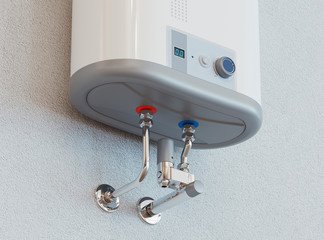
- Leaking water heaters
- Hidden plumbing leaks
- Damaged or deteriorated plumbing components
- Plumbing problems that violate applicable housing or building requirements
Florida law specifically requires landlords to maintain plumbing in reasonable working condition in circumstances covered by §83.51. For certain dwelling units other than single-family homes or duplexes, the statute also addresses keeping plumbing fixtures clean, sanitary, and in repair.
The lease can also matter. Florida law permits certain landlord obligations to be modified in writing for single-family homes or duplexes, so tenants should review their rental agreement before assuming who pays for a particular repair.
Why Do Plumbing Problems Happen in Florida Rental Properties?
Plumbing failures aren't always caused by something a landlord or tenant did recently.
Florida's heat, humidity, storms, older construction, and heavy use of plumbing systems can contribute to deterioration.
Common causes include:
Aging Pipes
Older pipes can corrode, develop pinhole leaks, crack, or eventually fail.
Corrosion
Certain pipe materials deteriorate over time, particularly when exposed to unfavorable water conditions.
Clogged Drains
Hair, grease, food debris, paper products, and inappropriate items can restrict drainage.
Tree Roots
Roots can enter damaged sewer lines and cause recurring blockages.
High Water Pressure
Excessive pressure can place additional stress on fixtures, valves, supply lines, and older pipes.
Poor Maintenance
Small leaks and slow drains often become major problems when they are repeatedly ignored.
Worn Fixtures
Faucets, toilets, shutoff valves, and other components eventually wear out.
Storms and Heavy Rain
Florida's severe weather can contribute to flooding, drainage problems, and plumbing-related water intrusion.
Improper Installation
Incorrect fittings, poor connections, unsuitable materials, or previous amateur repairs can create recurring failures.
Signs a Rental Property Has a Plumbing Problem
A plumbing problem isn't always obvious at first.
Watch for:
- Water stains: May indicate an active or previous leak.
- Slow drains: Can be an early sign of developing blockage.
- Low water pressure: May indicate a supply, valve, pipe, or system problem.
- Unusually high water bills: A hidden leak may be wasting water.
- Damp walls or ceilings: Could indicate concealed water.
- Mold or persistent mildew: Moisture behind walls can encourage growth.
- Gurgling drains: May indicate drainage or sewer problems.
- Sewage odors: Should never be ignored.
- Standing water: Indicates drainage or leakage problems.
- Discolored water: Can point to corrosion, sediment, or other plumbing issues.
A tenant who notices these signs should notify the landlord or property manager promptly rather than waiting for the situation to become an emergency.
Who Pays for Plumbing Repairs in Florida?
This is one of the most common questions.
Generally, the party responsible depends on why the plumbing problem occurred and what the lease says.
If a water line fails because of age or normal deterioration, it will generally be the landlord's responsibility to address the property condition.
If a tenant causes damage through negligent or wrongful conduct, the tenant may be responsible for the resulting damage. Florida's landlord-tenant statute expressly addresses conditions caused by a tenant's negligent or wrongful act or omission.
For example:
Normal wear: An old supply line suddenly develops a leak → likely a landlord maintenance issue.
Tenant-caused damage: A tenant damages a plumbing fixture through unreasonable use → responsibility may fall on the tenant.
The lease and specific circumstances should always be reviewed.
What Should a Tenant Do When Plumbing Breaks?
The best first step is document and report the problem immediately.
Take photographs or video showing:
- Where the leak is located
- Water damage
- The affected fixture
- Standing water
- Ceiling or wall stains
- Any visible property damage
Then notify the landlord or property manager using the communication method required by the lease.
If water is actively flowing and you can safely access the local shutoff valve, shutting off the water may reduce damage while waiting for help.
Don't attempt a major repair unless you are qualified to do it.
Can a Tenant Fix a Plumbing Problem Themselves?
Some very minor tasks may be reasonable, such as:
- Clearing hair from a drain stopper
- Cleaning a faucet aerator
- Resetting a tripped plumbing-related appliance
- Using a basic plunger correctly
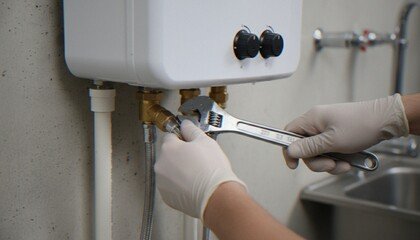
- Tightening an obviously loose fixture connection when permitted by the landlord
But tenants should be cautious about:
- Cutting pipes
- Opening walls
- Replacing valves
- Repairing water heaters
- Working on sewer lines
- Modifying supply plumbing
- Attempting gas-line work
- Using aggressive chemicals repeatedly
A DIY repair that makes the original problem worse can create a disagreement over responsibility and increase repair costs.
What Is the Professional Plumbing Repair Process?
A professional plumber will normally begin by identifying the source rather than simply treating the visible symptom.
Step 1: Inspection
The plumber examines the affected fixtures, visible pipes, valves, drains, and surrounding areas.
Step 2: Diagnosis
The plumber determines whether the problem involves a leak, blockage, failed component, sewer line, water heater, or another part of the system.
Step 3: Repair Recommendation
The property owner or authorized manager receives an explanation of the recommended repair and applicable costs.
Step 4: Repair
The plumber repairs or replaces the damaged component using appropriate materials and methods.
Step 5: Testing
Water flow, drainage, pressure, and connections are checked to confirm proper operation.
Step 6: Cleanup
The work area should be left reasonably clean and safe.
Step 7: Preventive Advice
A good plumbing professional can explain what caused the failure and how to reduce the chance of recurrence.
What Tools Can Professional Plumbers Use?
Modern plumbing diagnostics can be considerably more precise than simply opening a wall and looking for a leak.
Depending on the problem, a plumber may use:
- Drain inspection cameras
- Electronic leak detection equipment
- Pipe locators
- Pressure testing equipment
- Hydro-jetting equipment
- Sewer cameras
- Specialized moisture detection equipment
- Trenchless repair technology where appropriate
For example, a sewer camera can help identify root intrusion, cracks, collapsed sections, or heavy buildup without immediately excavating the entire line.
How Long Does a Rental Plumbing Repair Take?
There isn't one standard repair time.
A simple faucet or fixture repair might be completed during one service visit.
A moderate drain blockage or accessible pipe leak may take several hours depending on the diagnosis and parts required.
Major problems involving concealed pipes, sewer lines, extensive water damage, or difficult access can take longer.
Emergency repairs can often begin quickly, but the actual restoration time depends on the severity of the damage, availability of replacement parts, accessibility, and whether additional trades or permits are required.
What Does Plumbing Repair Cost in Florida?
Avoid relying on a single advertised price for every plumbing problem.
Plumbing repair costs vary depending on:
- Severity of the problem
- Accessibility of the plumbing
- Labor required
- Replacement parts
- Pipe material
- Diagnostic equipment
- Emergency service
- Property type
- Permit requirements, when applicable
- Whether repair or replacement is more appropriate
- Local labor rates
A hidden pipe leak behind a wall can require considerably more work than replacing an accessible faucet cartridge.
Before authorizing substantial work, landlords should request a clear explanation of the recommended repair and associated charges.
Hidden Truths Homeowners and Landlords Should Know
Small Leaks Can Become Expensive
A slow leak can damage drywall, flooring, cabinets, insulation, and other building materials.
Temporary Fixes Often Don't Last
Tape, sealants, and makeshift patches may reduce visible leaking without solving the underlying failure.
Neglected Plumbing Can Create Insurance Problems
Insurance coverage varies by policy and circumstances. Damage associated with long-term neglect may be treated differently from sudden accidental damage. Never assume a policy covers every plumbing-related loss.
Tree Roots Can Return
Removing one blockage doesn't necessarily solve a damaged sewer line. If roots repeatedly enter the same section, the underlying pipe may need evaluation.
Hard Water Can Shorten Fixture Life
Mineral deposits can affect faucets, showerheads, valves, and water-using appliances.
DIY Mistakes Can Increase Costs
A failed repair can turn a relatively simple plumbing issue into a larger one.
Hidden Leaks Raise Water Bills
A leak that isn't visible can continuously waste water.
Moisture Creates Secondary Damage
Persistent moisture can contribute to mold and deterioration of building materials.
Preventive Maintenance Is Cheaper Than Many Emergencies
Routine inspections and prompt repairs can help identify developing problems before they become major failures.
15 Common Plumbing Mistakes to Avoid
- Ignoring a dripping faucet — Repair it before it becomes a larger problem.
- Waiting on a slow drain — Persistent slow drainage deserves investigation.
- Using chemical drain cleaners repeatedly — They aren't appropriate for every plumbing system.
- Flushing wipes — Even products marketed as flushable can contribute to blockages.
- Pouring grease down drains — Let grease cool and dispose of it properly.
- Ignoring low water pressure — A sudden change may indicate a developing problem.
- Hiring an unqualified plumber — Verify licensing and appropriate credentials.
- Skipping maintenance — Preventive inspections can reveal problems early.
- Waiting for an emergency — Small problems can escalate.
- Using incompatible pipe materials — Repairs should use appropriate materials and connections.
- Over-tightening fittings — Excessive force can damage components.
- Ignoring sewage odors — Persistent sewer smells require investigation.
- Failing to document rental damage — Tenants and landlords should keep records.
- Attempting major repairs without experience — Complex plumbing can cause extensive water damage.
- Failing to communicate promptly — Tenants should report plumbing issues as soon as they notice them.
Practical Plumbing Maintenance Tips for Florida Rental Properties
Landlords and tenants can work together to reduce avoidable plumbing problems.
- Inspect visible pipes periodically.
- Check under sinks for moisture.
- Don't flush wipes, grease, or inappropriate objects.
- Clean drain strainers regularly.
- Don't ignore dripping fixtures.
- Watch water bills for unexplained increases.
- Know where accessible shutoff valves are located.
- Test toilets for silent leaks.
- Check water heater connections.
- Keep plumbing areas accessible.
- Avoid hanging excessive weight from exposed pipes.
- Don't use excessive chemical drain cleaners.
- Address recurring clogs instead of repeatedly plunging them.
- Inspect exposed supply lines.
- Watch ceilings and walls for new stains.
- Schedule professional maintenance when appropriate.
- Check plumbing after major storms.
- Have older plumbing systems evaluated periodically.
- Address sewer odors quickly.
- Keep records of plumbing repairs and maintenance.
When Should You Call an Emergency Plumber?
Some plumbing problems should not wait until the next business day.
Call for emergency plumbing assistance when you have:
- A burst pipe
- A major uncontrolled water leak
- Significant flooding
- Sewage backing into the property
- An overflowing toilet that cannot be stopped
- No running water when immediate restoration is necessary
- A failed water heater causing significant water leakage
- A serious plumbing failure threatening the building
- A suspected gas-line emergency where qualified gas service is available
If you suspect a gas leak, avoid flames and electrical switches and follow appropriate emergency-safety procedures. Gas-related emergencies should be handled by properly qualified professionals and emergency services as appropriate.
People Also Ask About Florida Landlord Plumbing Repairs
Does a landlord have to fix a leaking pipe in Florida?
Generally, a landlord has maintenance responsibilities for plumbing that must be kept in reasonable working condition under applicable Florida law, subject to the property's circumstances, lease provisions, and the cause of the damage.
How long does a landlord have to fix plumbing in Florida?
There is not a universal number of hours or days for every plumbing repair. The seriousness of the problem matters. Florida law does establish specific notice procedures for certain material landlord noncompliance. Under §83.56, a tenant may have termination rights after a material failure remains uncorrected for seven days following the required written notice.
Can a tenant withhold rent because of plumbing problems in Florida?
Tenants should not simply stop paying rent on their own. Florida law contains specific procedures and circumstances concerning noncompliance and rent-related remedies. Section 83.60, for example, addresses defenses involving material landlord noncompliance after required notice.
Because rent withholding can have serious legal consequences, tenants should obtain qualified legal advice before taking that step.
Is a landlord responsible for a clogged toilet?
It depends on the cause. A blockage caused by normal plumbing problems may be a landlord maintenance issue, while damage caused by unreasonable or negligent tenant use may be the tenant's responsibility.
Does a landlord have to provide hot water in Florida?
Florida's landlord-maintenance statute addresses functioning facilities for running water and hot water, subject to the statutory provisions and applicable property circumstances.
Can a landlord enter a rental unit to make plumbing repairs?
Florida law allows a landlord access for necessary or agreed repairs, among other purposes, and a tenant may not unreasonably withhold consent. The statute also permits entry at any time when necessary to protect or preserve the premises.
What if a landlord refuses to fix a serious plumbing leak?
Document the problem, notify the landlord in writing according to the lease and applicable law, and keep records of communications. If the landlord still does not respond, consider obtaining qualified Florida legal or housing assistance before exercising any legal remedy.
Can plumbing leaks increase a tenant's water bill?
Yes. A continuously running toilet, leaking supply line, or concealed pipe leak can waste substantial amounts of water. The appropriate responsibility for the resulting bill depends on the circumstances, lease, and applicable law.
When should plumbing be repaired instead of replaced?
A professional plumber should evaluate the condition, age, accessibility, material, recurrence, and extent of damage. Replacing one failed component may make sense for an otherwise sound system, while repeated failures may justify broader replacement.
Can a landlord charge a tenant for plumbing damage?
Potentially, if the tenant caused the damage through conduct covered by the lease or applicable law. Florida's statute specifically addresses tenant responsibility for damage resulting from negligent or wrongful acts or omissions.
Why Choose a Professional Plumbing Company?
Rental plumbing problems require more than simply stopping a leak. The underlying cause needs to be identified so that the repair does not become a recurring problem.
When choosing a plumber, look for a company that:
- Uses appropriately qualified and licensed professionals
- Explains the problem clearly
- Provides estimates before significant work when practical
- Uses appropriate diagnostic equipment
- Communicates repair options honestly
- Responds appropriately to emergencies
- Uses suitable plumbing materials
- Documents completed work
- Understands local plumbing conditions
- Avoids recommending unnecessary repairs
For landlords managing multiple rental properties, reliable documentation and prompt communication can be particularly valuable.
Get Professional Help With a Florida Plumbing Problem
If you're dealing with a leaking pipe, clogged drain, sewer backup, water heater problem, low water pressure, or another plumbing issue at a Florida rental property, getting the problem inspected early can help prevent a minor issue from becoming expensive property damage.
plumbersinmiamiflorida provides plumbing assistance for property owners and customers dealing with plumbing problems in Florida.
Call 844-833-2093 to discuss your plumbing issue or request an inspection and estimate.