Plumbing Pipe Repair in Miami FL: Technical Guide
Master plumbing pipe repair in Miami FL. Learn local diagnostics, coastal corrosion risks, repair options, and safe homeowner triage.
Mechanics of Plumbing Pipe Failure in South Florida
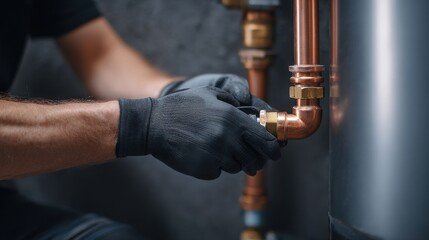
Plumbing pipe repair in Miami FL requires understanding unique regional environmental stresses that accelerate material degradation. Unlike northern climates where freezing temperatures cause burst lines, Miami's infrastructure battles aggressive soil chemistry, a high water table, and shifting coral limestone bedrock. As supply and drain lines age, internal hydraulic pressure combined with external environmental factors leads to pinhole leaks, joint separations, and structural pipe collapses.
Supply pipes operating under standard municipal pressure (typically between 55 and 75 PSI) experience constant radial stress. When pressure spikes occur from thermal expansion in water heaters, older copper or galvanized steel lines fail at weak points such as soldered joints or threaded fittings. Simultaneously, drain and sewer waste lines—frequently constructed from cast iron in homes built before the mid-1970s—suffer from anaerobic corrosion. Hydrogen sulfide gas inside the pipe eats away at the upper crown of the cast iron, eventually causing structural failure where the pipe can no longer support the weight of surrounding soil or concrete slabs.
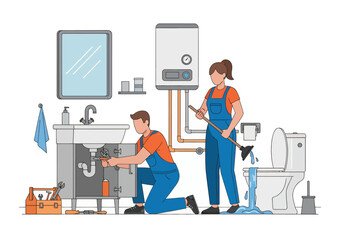
Establishing clear diagnostic boundaries is essential for effective plumbing pipe repair in Miami FL. An issue may be isolated to a single fixture trap, localized within a branch line serving a bathroom group, or originate from the main sewer or water service line running beneath the foundation or yard.
Overlooked Trade Secrets in Miami Pipe Diagnostics
Experienced local plumbers rely on trade insights that standard DIY manuals overlook. In South Florida, the exceptionally high groundwater table and seasonal coastal storm surges frequently overwhelm gravity sewer laterals. During heavy tropical downpours, groundwater infiltrates compromised sewer joints, causing floor drains to bubble or back up with gray water even when interior fixtures are not in use.
Another common diagnostic challenge is water migration. Because Miami homes are primarily built on concrete slab foundations with underlying vapor barriers and fill dirt, water escaping from a pressurized supply line rarely surfaces directly above the breach. Instead, the water travels along the path of least resistance—following slab cracks, electrical conduits, or drywall studs—causing damage feet or even yards away from the actual pipe failure point.
Coastal salt air also accelerates external corrosion on outdoor brass hose bibbs, water heater connections, and exposed pressure-reducing valves (PRVs). High atmospheric salinity rapidly pits metal surfaces, reducing wall thickness until system pressure breaches the compromised housing. In condominiums and high-rise commercial buildings across Brickell, Miami Beach, and downtown, riser stack acoustics play a major role: a leak on the 14th floor may first manifest as damp ceiling drywall or acoustic tile failure on the 12th floor due to vertical fire-stop channeling.
Safe Homeowner Triage vs. Dangerous DIY Boundaries
Before professional intervention arrives, homeowners can execute specific safe triage steps to mitigate property damage while avoiding severe hazards.
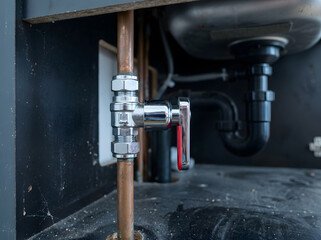
- Locate Shutoff Valves: Identify the main indoor water shutoff valve (typically located near the water heater or where the main line enters the exterior wall) and know how to operate the curb stop at the street meter box using a dedicated meter key.
- Perform Dye Tests: Drop colored food dye into toilet tanks to check for silent flapper leaks that inflate water bills without showing surface puddles.
- Monitor Water Meters: Observe the low-flow indicator triangle on the property water meter while all fixtures are off to confirm active hidden pipe leaks.
- Clear Accessible Cleanouts: Visually inspect accessible outdoor cleanouts for surface blockages without unsealing threaded caps under pressure.
Explicit Safety Warnings: Never attempt to unthread a sewer cleanout cap if you suspect a major downstream blockage, as accumulated liquid head pressure can spray raw sewage and biological pathogens into living areas. Never work on gas flex lines, touch electrical panels in flooded rooms, or pour corrosive chemical drain cleaners into aging, corroded pipes where the acid can accelerate structural failure or cause severe chemical burns.
Realistic Repair Approaches and Decision Support
Selecting the correct repair methodology depends on pipe material, location, extent of damage, and budgetary considerations. The following table contrasts common repair scenarios encountered across Miami-Dade County:
| Repair Method | Best Applied To | Operational Scope | Miami Considerations |
|---|---|---|---|
| Spot Clamp or Sleeve | Localized pinhole leaks in accessible copper or PVC lines | Non-invasive physical wrap or mechanical clamp over the breach | Temporary fix; corrosive soil often requires future full replacement. |
| Sectional Pipe Replacement | Localized corrosion, root intrusion, or collapsed cast iron sections | Cutting out damaged pipe and coupling new PVC/PEX sections | Requires breaking concrete slabs or drywall access in finished areas. |
| Trenchless CIPP Lining | Widespread internal failing sewer laterals beneath slabs or landscaping | Pulling or blowing an epoxy-saturated resin liner through existing pipe | Preserves expensive driveways, landscaping, and historic tile floors. |
| Full Property Repiping | Pervasive pinhole leaks in old copper/galvanized supply systems | Routing new PEX or copper lines through walls, attics, or soffits | Demands coordination with local building departments for proper permits. |
Pricing factors for plumbing pipe repair in Miami FL vary widely based on logistics. High-rise buildings present access restrictions, parking constraints, and mandatory HOA or property management notifications. Sub-slab repairs require breaking and restoring reinforced concrete foundations. Furthermore, all major plumbing modifications in Miami-Dade County must comply with local building codes, requiring proper permitting, plan submissions, and municipal inspections to ensure structural and sanitary integrity.
Frequently Asked Questions
Why are cast iron drain pipes failing so frequently in Miami homes?
Homes built in Miami through the 1970s predominantly utilized cast iron for sanitary drainage. Over decades, the warm, humid South Florida climate combined with corrosive sewer gases creates hydrogen sulfide. This gas eats away at the interior top crown of the pipe. Additionally, shifting sandy and limestone soils place external stress on aging joints, accelerating structural collapses.
How can I tell if my leak is a pressurized supply line or a gravity drain?
Pressurized supply line leaks cause continuous water loss, resulting in water meters spinning even when all fixtures are off, and often produce damp drywall or warm spots on slab floors. Drain leaks typically only show moisture during or immediately after water is actively discharged from a sink, shower, or toilet, or when groundwater infiltrates the system during heavy rains.
Is trenchless pipe lining legal and common in Miami-Dade County?
Yes. Cured-in-place pipe (CIPP) lining is widely accepted by Miami-Dade building departments for rehabilitating damaged sewer and drain lines without excavating concrete foundations or destroying landscaping. However, installations must meet specific thickness and material standards outlined in local plumbing codes.
What should I do if my water bill spikes unexpectedly with no visible indoor leaks?
An unexplained surge in water consumption usually points to a hidden underground supply leak, a continuous running toilet flapper, or a service line breach between the street meter and the home's foundation. Perform a meter check by turning off all indoor valves to isolate whether the leak is on the customer side or municipal side.
Do Miami plumbing repairs require municipal permits?
Most major plumbing repairs—including whole-house repiping, sewer line replacements, water heater installations, and significant sub-slab work—require permits and inspections through Miami-Dade County or your specific municipality (such as City of Miami, Coral Gables, or Doral) to ensure code compliance.
Can salt air cause outdoor plumbing pipes to fail?
Yes. Properties located near Biscayne Bay, the Atlantic Ocean, or barrier islands like Miami Beach experience high ambient salinity. This accelerates galvanic corrosion on exterior copper, brass, and steel components, including hose bibbs, PRVs, and water heater connection fittings.