Who Pays for Plumbing Repairs in a Florida Rental Apartment?
Find out who pays for plumbing repairs in a Florida rental apartment. Learn landlord and tenant responsibilities, common exceptions, emergencies, costs, and repair tips.

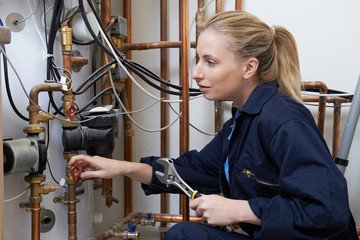
Who Pays for Plumbing Repairs in a Florida Rental Apartment?
In most Florida rental situations, the landlord is generally responsible for maintaining the property's plumbing, while the tenant is responsible for using plumbing fixtures reasonably and avoiding damage caused by misuse or negligence. Florida law, however, does not make every plumbing repair automatically the landlord's responsibility. The cause of the problem, lease terms, location of the plumbing, and type of rental property all matter.
For example, a deteriorating pipe inside a wall is very different from a drain blockage caused by flushing inappropriate materials. A failed water heater supplied by the landlord is also different from damage a tenant intentionally causes to a fixture.
When the Landlord Usually Pays
A landlord generally has maintenance obligations for rental-property plumbing under Florida Statutes §83.51, subject to the statute's conditions and exceptions. This can include keeping plumbing in reasonable working condition.
Common examples include:
- Aging or deteriorated pipes
- Plumbing leaks caused by normal wear
- Failed plumbing valves
- Defective supply lines
- Building drainage problems
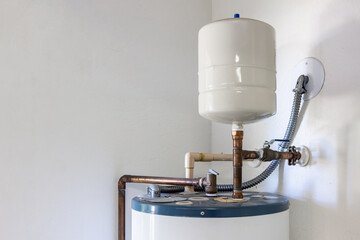
- Certain water heater failures
- Plumbing located inside walls or ceilings
- Problems with shared plumbing systems
- Sewer problems originating from building infrastructure
The exact responsibility should still be checked against the lease and circumstances.
When the Tenant May Be Responsible
Florida tenants also have maintenance obligations. Under §83.52, tenants must use plumbing and other facilities reasonably, keep plumbing fixtures clean and sanitary, and avoid damaging the landlord's property.
A tenant may potentially be responsible when damage results from:
- Flushing inappropriate items
- Deliberately damaging a fixture
- Unauthorized plumbing modifications
- Misusing plumbing equipment
- Negligently allowing damage to continue
- Failing to report a known plumbing problem promptly
- Other conduct that causes damage to the rental property
Responsibility depends on the facts and applicable lease and law.
What Should You Do If a Plumbing Problem Happens?
If you rent an apartment and discover a plumbing problem:
- Stop the water if safe to do so.
- Contact your landlord or property manager promptly.
- Use the emergency maintenance number for serious leaks or flooding.
- Take photos and videos of the problem.
- Keep copies of maintenance requests and messages.
- Do not authorize expensive repairs without understanding who is responsible.
- Keep the plumber's report or invoice if a professional inspection occurs.
Do not simply hire a plumber yourself and assume the landlord must reimburse you. Your lease and the circumstances may affect whether that expense can be recovered.
What If the Landlord Says You Caused the Damage?
Ask for the basis of the claim.
You can reasonably request:
- The plumber's diagnosis
- Photos of the damaged plumbing
- The repair invoice
- An explanation of the alleged cause
- The applicable lease provision
For example, if a landlord claims that a tenant caused a sewer blockage, a professional inspection may help determine whether the problem was caused by tenant misuse, tree roots, pipe deterioration, or a larger building sewer problem.
What About Plumbing Emergencies?
A burst pipe, major leak, sewage backup, flooding, or serious water-heater leak should be handled immediately.
If safe:
Turn off the water → protect belongings → contact emergency maintenance/landlord → document the damage → arrange professional plumbing assistance when necessary.
If there is a suspected gas leak, leave the area and contact the appropriate emergency service and a properly licensed professional. Do not attempt to repair gas piping yourself.
Can You Stop Paying Rent Because the Plumbing Isn't Fixed?
Do not automatically stop paying rent.
Florida law contains specific procedures concerning landlord noncompliance and tenant remedies. Section 83.56 includes notice requirements and specific circumstances involving material noncompliance.
Because improperly withholding rent can create serious legal problems, tenants should obtain qualified Florida landlord-tenant legal advice before taking that step.
What If the Landlord Needs Access to the Apartment?
Florida Statutes §83.53 addresses landlord access for inspections and necessary or agreed repairs. For ordinary repairs, the statute generally provides for reasonable notice, while emergencies are treated differently.
Tenants should cooperate with legitimate repair access while also following the lease and applicable law.
Bottom Line
Landlords generally handle plumbing problems that result from normal wear, aging, defective building systems, or other conditions for which the landlord is responsible. Tenants may be responsible for damage they cause through misuse, negligence, or other conduct covered by the lease and applicable law.
If you are unsure who should pay, don't guess. Report the problem, document it, review your lease, and ask for a professional diagnosis.