Plumbing Pipe Repair in Miami FL: Expert Guide
Master plumbing pipe repair in Miami FL. Learn local diagnostics, trade secrets, DIY safety limits, and repair options for South Florida homes.

Navigating Plumbing Pipe Repair in Miami FL
Effective plumbing pipe repair in Miami FL requires addressing the unique environmental factors that stress residential and commercial water distribution and drainage systems. Water pipe failures typically stem from a combination of aggressive local soil conditions, high ambient temperatures, fluctuating hydraulic pressures, and the aging infrastructure found across Miami-Dade County communities like Brickell, Coral Gables, and Miami Beach.
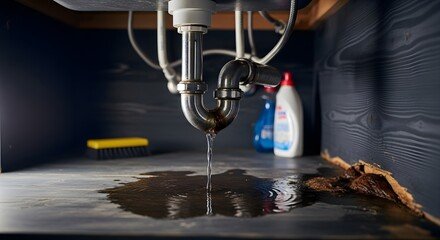
Understanding whether a pipe failure is isolated to a single plumbing fixture, a localized branch line, or the main supply or sewer service line dictates the appropriate repair methodology. Diagnostic boundaries must be established early: fixture-specific issues like a dripping P-trap require simple mechanical interventions, whereas hidden leaks behind drywall or beneath concrete floor slabs demand advanced acoustic leak detection and structural assessment.
South Florida Environmental Factors Impacting Pipe Integrity
Miami's geography presents severe challenges to underground and in-wall piping systems. The region's high groundwater table and coastal storm surge routinely overwhelm gravity sewer laterals, leading to floor-drain bubbling and backpressure during heavy tropical downpours. When combined with porous coral limestone bedrock that constantly shifts and settles, underground pipes experience intense external shear stress.
Furthermore, coastal salt air accelerates external corrosion on outdoor brass hose bibbs, water heater connections, and exposed pressure-reducing valves (PRVs). Homeowners must also account for differential thermal expansion between hot water copper lines and cold supply runs, which can loosen joints over decades of service.
Acoustics and Hidden Water Migration
Water rarely surfaces directly above a pipe breach due to gravity runs along slab cracks, hollow drywall studs, and subfloor channels. In multi-story condominiums and high-rise structures across Miami, riser stack acoustics complicate diagnostics further. A pressurized supply line leak on the 14th floor may travel down structural chases and manifest as damp drywall or ceiling stains on the 12th floor, misleading untrained observers regarding the actual point of failure.
Additionally, technicians must monitor static pressure (PSI) versus dynamic flow rate (GPM). If dynamic flow drops significantly when multiple fixtures run simultaneously, it often signals internal scaling, mineral buildup, or partial pipe collapse within galvanized steel or older cast iron lines.
Safe Homeowner Triage vs. Professional Boundaries
Property owners can perform safe preliminary diagnostics before dispatching a professional service. Knowing how to locate the main indoor water shutoff valve versus the street-side meter box curb stop prevents catastrophic indoor flooding during a sudden pipe rupture. Simple tests, such as adding food coloring to toilet tanks to check for silent flapper leaks or reading the low-flow indicator dial on the water meter, help confirm whether a continuous leak exists.
However, strict safety boundaries must be maintained:
- Never unthread sewer cleanout caps under liquid head pressure, as backed-up sewage can violently spray contaminated water into living spaces.
- Never attempt DIY repairs on gas flex lines or appliance connectors.
- Avoid touching electrical panels or switches in rooms experiencing active flooding from broken water pipes.
- Never pour corrosive chemical acid cleaners into aging or slow-running cast iron drain pipes, as the exothermic reaction can crack brittle pipe walls.
Realistic Repair Approaches and Decision Support
Selecting the correct repair strategy depends on pipe material, location, and the extent of degradation. Options range from localized spot repairs to comprehensive infrastructure overhauls.
| Repair Method | Best Applied To | Miami Considerations |
|---|---|---|
| Spot Clamp / Sleeve | Isolated pin-hole leaks on accessible copper or PVC lines. | Temporary fix; prone to failing if general pipe wall integrity is compromised by corrosion. |
| Sectional Pipe Replacement | Localized cracking, root intrusion zones, or broken fittings. | Requires cutting into drywall, stucco, or breaking through concrete slab foundations. |
| Trenchless Pipe Lining (CIPP) | Widespread internal corrosion in drain or sewer lines without trenching. | Ideal for preserving historic landscaping and Terrazzo floors in older Miami homes. |
| Full Repiping | Extensively degraded galvanized steel, polybutylene, or cast iron networks. | Involves multi-day projects, coordination with Miami-Dade permitting, and drywall restoration. |
Pricing factors for plumbing pipe repair in Miami FL are heavily influenced by local logistical constraints. High-rise and condominium structures present parking, elevator, and water shutoff scheduling challenges. Furthermore, penetrating concrete slabs or modifying main lines requires strict adherence to Miami-Dade County building codes and municipal permitting requirements to ensure structural integrity and code compliance.
Frequently Asked Questions
Why do cast iron drain pipes fail prematurely in Miami homes?
Miami's humid subtropical climate, combined with acidic soil conditions and high wastewater temperatures from modern appliances, accelerates internal oxidation and invert erosion in aging cast iron sewer piping, frequently leading to premature structural wall collapse.
How can I tell if my underground water service line is leaking?
A sudden, unexplained increase in your municipal water bill, the sound of running water when all indoor fixtures are closed, or damp, lush patches of grass in your yard directly above the service entry path are primary indicators of an underground supply leak.
Is trenchless pipe lining approved by Miami-Dade building codes?
Yes, Cured-In-Place Pipe (CIPP) lining is widely accepted across Miami-Dade municipalities for rehabilitating damaged sewer and drain lines, provided the installation meets strict ASTM standards and is executed by licensed plumbing contractors.
Can I use my water system while waiting for a main line repair?
If the main supply line is actively leaking or compromised, it is strongly recommended to close the main indoor shutoff valve to prevent structural water damage, soil erosion, and excessive water waste until professional repairs are completed.
What causes low water pressure in high-rise Miami condos?
High-rise pressure issues are often caused by failing booster pumps, mineral-scaled building riser stacks, or malfunctioning pressure-reducing valves (PRVs) designed to manage high municipal pressures entering lower floors.