Why Is My Water Pressure Suddenly Low? Common Causes
Find out why your water pressure suddenly drops. Learn about clogged fixtures, closed valves, hidden leaks, corroded pipes, pressure regulators, and supply issues.
Why Is My Water Pressure Suddenly Low?
Sudden low water pressure can be frustrating, especially when your shower becomes weak, faucets barely flow, or appliances take much longer to fill. While a clogged faucet aerator or partially closed valve may be responsible, a sudden pressure drop throughout your home can also indicate a hidden plumbing leak, failing pressure regulator, damaged pipe, or water-supply problem.
For Miami homeowners, identifying the cause early can help restore normal water flow and prevent a small plumbing issue from becoming an expensive repair.
What Does Low Water Pressure Mean?
Water pressure is the force that pushes water through your home's plumbing system. When pressure suddenly decreases, water may still come out of your faucets, but the flow can become noticeably weaker.
The first thing to determine is whether the problem affects:
- One faucet
- One bathroom
- Several fixtures
- The entire house
- Hot water only
- Both hot and cold water
This information can help narrow down the possible cause.
Why Is My Water Pressure Suddenly Low?
Several plumbing problems can cause a sudden drop in water pressure.
1. The Main Water Valve Is Partially Closed
Your home's main shutoff valve controls water entering the property.
If it was recently adjusted during plumbing work, maintenance, or an emergency, it may not be completely open. A partially closed valve can restrict water flow throughout the house.
If the valve is accessible, check whether it is fully open. Do not force an old or corroded valve because it could break and create a larger plumbing problem.
2. A Faucet Aerator Is Clogged
If only one faucet has low pressure, the problem may be extremely simple.
Small particles and mineral deposits can accumulate inside the faucet aerator and restrict water flow.
Removing and cleaning the aerator may restore normal flow.
If pressure is normal everywhere else, there may be no problem with your home's main plumbing system.
3. Your Showerhead Is Restricted
A clogged showerhead can make it feel like the home's water pressure has suddenly dropped.
Mineral deposits can accumulate inside the small openings of the showerhead and reduce flow.
If other faucets have normal pressure, inspect and clean the showerhead before assuming you need major plumbing repairs.
4. A Pressure Regulator Is Failing
Some residential plumbing systems use a pressure-reducing valve or pressure regulator to control incoming water pressure.
When this component begins to fail, you may notice:
- Low pressure throughout the house
- Fluctuating pressure
- Pressure that changes when another faucet is opened
- Pressure that gradually becomes weaker
A plumber can measure the home's water pressure and determine whether the regulator is functioning correctly.
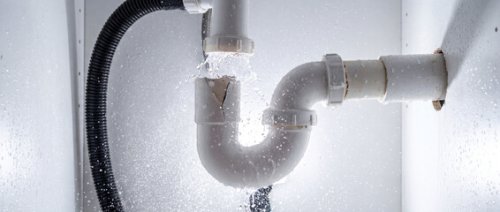
5. You Have a Hidden Plumbing Leak
A significant leak in a pressurized water line can reduce the amount of water reaching your fixtures.
Hidden leaks can occur:
- Behind walls
- Beneath floors
- Under concrete slabs
- Along underground water lines
- Inside ceilings
- Around plumbing connections
Look for additional warning signs such as unexplained water bills, damp walls, musty odors, mold, wet flooring, or water meter movement when everything is turned off.
If low pressure and unexplained water usage appear together, professional leak detection may be necessary.
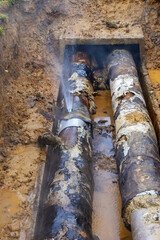
6. Your Pipes Are Corroded or Deteriorating
Older plumbing pipes can develop internal corrosion and mineral buildup.
Although the outside of the pipe may look intact, corrosion inside the pipe can gradually reduce the opening available for water to pass through.
This can cause:
- Weak faucet flow
- Poor shower pressure
- Longer appliance filling times
- Reduced pressure at multiple fixtures
If your home has older metal plumbing and pressure has been declining over time, a professional pipe inspection can help determine whether replacement is necessary.
7. A Water Filter Is Clogged
Whole-house filtration systems can restrict water flow when filters become dirty or clogged.
If you have a water filtration or treatment system and the entire home suddenly has low pressure, check whether the filter is overdue for replacement.
If replacing the filter does not solve the problem, the system may require professional inspection.
8. A Water Softener Is Restricting Flow
A malfunctioning or blocked water softener can also affect water pressure.
Problems may occur when internal components become clogged or when the system develops a mechanical issue.
A plumber or water-treatment professional can determine whether the softener is restricting flow.
9. A Fixture Shutoff Valve Is Partially Closed
Individual fixtures have small shutoff valves.
If a valve beneath a sink or behind a toilet is partially closed, that particular fixture may have weak water flow.
This can happen after cleaning, plumbing repairs, remodeling, or maintenance.
Check accessible valves to make sure they are properly positioned.
10. There Is a Problem With the Municipal Water Supply
Not every pressure problem originates inside your home.
Water-main repairs, utility maintenance, emergency work, or neighborhood supply problems can temporarily reduce pressure.
If neighbors are experiencing the same issue, contact the local water utility before assuming that your home's plumbing needs repair.
Is Low Water Pressure Affecting the Whole House?
The location of the pressure problem is an important diagnostic clue.
Low Pressure at One Faucet
Possible causes include:
- Clogged aerator
- Partially closed valve
- Blocked supply line
- Faulty faucet
- Local plumbing restriction
Low Pressure in One Bathroom
The problem could involve the bathroom's supply line, valves, showerhead, or plumbing branch.
Low Pressure Throughout the House
Possible causes include:
- Main shutoff valve
- Pressure regulator
- Hidden leak
- Corroded pipes
- Water filtration equipment
- Municipal water supply
A professional pressure test can help determine where the problem originates.
How Can I Check for a Hidden Water Leak?
Your water meter can provide an initial clue.
Turn off faucets, washing machines, dishwashers, irrigation systems, and other water-using equipment. Make sure toilets are not running.
Then check the water meter and avoid using water for a period of time.
If the meter continues registering water usage, water may be flowing somewhere in the system.
This test does not identify the location of the leak, and some homes have equipment that may continue consuming water. A professional inspection can provide a more reliable diagnosis.
Can High Water Pressure Cause Low Water Pressure Later?
Yes.
Excessively high water pressure can place additional stress on pipes, valves, fixtures, and appliances. Over time, this stress can contribute to leaks and premature component failure.
A pressure regulator may be necessary in some plumbing systems to keep pressure within an appropriate range.
What Can Homeowners Check Safely?
Before calling a plumber, you can perform a few basic checks.
Check the Main Water Valve
Make sure it is fully open if it is safe to do so.
Check Fixture Valves
Look beneath sinks and behind toilets for partially closed valves.
Clean Aerators
Remove visible mineral deposits from faucet aerators.
Inspect Showerheads
Check for mineral buildup restricting the spray openings.
Check Your Water Filter
If your home has a whole-house filter, determine whether it needs replacement.
Ask Your Neighbors
If several nearby homes have the same problem, the issue may involve the municipal supply.
Avoid forcing old valves or opening electrical and mechanical components that require professional servicing.
How Do Plumbers Diagnose Low Water Pressure?
A professional plumber will usually start by determining whether pressure is low throughout the home or only at specific fixtures.
The inspection may include:
- Measuring static water pressure
- Testing pressure while water is flowing
- Inspecting the main shutoff valve
- Testing the pressure regulator
- Checking visible plumbing
- Looking for leaks
- Inspecting filtration equipment
- Evaluating pipe condition
- Investigating underground or concealed plumbing
Accurate diagnosis is important because replacing a pressure regulator will not solve a problem caused by a hidden leak or severely corroded pipes.
Can Low Water Pressure Be Fixed?
In many cases, yes.
The repair depends entirely on the cause.
A clogged aerator may only require cleaning. A faulty pressure regulator may need adjustment or replacement. A hidden leak may require pipe repair, while severely corroded plumbing may require partial or complete repiping.
A professional inspection can identify the appropriate solution.
How Much Does Low Water Pressure Repair Cost?
There is no universal repair price because the problem can range from a simple fixture restriction to extensive plumbing work.
Cost factors may include:
- Cause of the pressure loss
- Location of the problem
- Plumbing material
- Accessibility
- Pressure regulator condition
- Pipe condition
- Leak detection requirements
- Replacement parts
- Labor
- Wall or floor access
- Underground excavation
Getting the system diagnosed before authorizing major repairs can help avoid unnecessary expenses.
When Is Low Water Pressure an Emergency?
Low pressure alone is usually not considered an emergency.
However, you should seek prompt professional assistance if the pressure drop occurs with:
- A burst pipe
- Rapid flooding
- A major visible leak
- Water damage
- A suspected slab leak
- Water near electrical equipment
- A rapidly increasing water bill
- Unexplained continuous water loss
If a major leak is actively flooding your home, shut off the main water supply if you can do so safely.
How to Prevent Water Pressure Problems
Regular plumbing maintenance can help identify developing issues.
Miami homeowners should:
- Monitor monthly water bills.
- Inspect visible plumbing connections.
- Clean faucet aerators periodically.
- Maintain showerheads and filters.
- Check for running toilets.
- Watch for unexplained moisture.
- Maintain appropriate water pressure.
- Address leaks promptly.
- Have older plumbing systems inspected.
Small plumbing problems are generally easier and less expensive to address before they become major failures.