How to Find a Hidden Water Leak in Your Miami Home
Learn how to find a hidden water leak in your Miami home using water meter checks, visual inspections, and professional leak detection methods.
How to Find a Hidden Water Leak in Your Miami Home
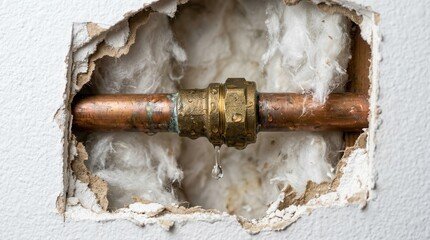
A hidden water leak can waste hundreds or even thousands of gallons of water without leaving an obvious puddle. Water may be leaking behind a wall, beneath flooring, under a concrete slab, inside a cabinet, or along an underground water line.
For Miami homeowners, finding a hidden leak early can help reduce water waste and prevent damage to drywall, flooring, cabinets, insulation, and other parts of the home.
What Is a Hidden Water Leak?
A hidden water leak occurs when water escapes from a plumbing pipe, fitting, fixture, appliance connection, or underground line in an area that is not immediately visible.
Common hidden leak locations include:
- Inside walls
- Beneath floors
- Under kitchen and bathroom cabinets
- Behind showers and tubs
- Beneath concrete slabs
- Inside ceilings
- Underground water lines
- Around water heaters
- Irrigation and outdoor plumbing lines
Because these leaks may remain concealed, homeowners often notice indirect warning signs first.
Signs You May Have a Hidden Water Leak
Before trying to locate the exact source, look for clues that water is escaping somewhere in the plumbing system.
Unexplained Increase in Your Water Bill
A sudden increase in water usage without a change in household habits can be an important warning sign.
If your family is using approximately the same amount of water but your bill has increased significantly, check for running toilets, outdoor leaks, and hidden plumbing leaks.
Water Meter Keeps Moving
Your water meter can provide a useful first indication of a possible leak.
Turn off faucets, washing machines, dishwashers, irrigation, and other water-consuming fixtures. Make sure toilets are not running.
Check the meter and wait for a period of time without using water. If the meter continues registering water usage, water may be flowing somewhere in the plumbing system.
Some homes have automatic systems or equipment that may still use water, so the test should be interpreted carefully.
Damp or Discolored Walls
Brown, yellow, or dark stains on walls and ceilings can indicate water intrusion.
Other warning signs include:
- Bubbling paint
- Peeling wallpaper
- Soft drywall
- Swollen trim
- Damp surfaces
- Musty odors
Do not simply paint over the affected area. The underlying moisture source should be identified first.
Musty Odors
A persistent musty smell can indicate moisture trapped inside a wall, beneath flooring, or in another poorly ventilated area.
If there is no obvious source of moisture, a hidden plumbing leak may be worth investigating.
Mold or Mildew
Unexpected mold or mildew around plumbing areas may indicate a continuing moisture problem.
Cleaning visible mold without addressing the source of moisture may only provide a temporary solution.
Warped or Damaged Flooring
Water leaking beneath flooring can cause materials to swell, buckle, discolor, or become soft.
Pay particular attention to areas around bathrooms, kitchens, laundry rooms, and plumbing walls.
Unusual Sounds
Listen for:
- Dripping
- Hissing
- Running water
- Ticking
- Water movement inside walls
If you hear water when all fixtures are off, investigate further.
Step 1: Check Every Visible Plumbing Fixture
Begin with the easiest areas to inspect.
Look underneath sinks, around toilets, near washing machines, behind appliances, and around exposed plumbing connections.
Check for:
- Dripping supply lines
- Wet cabinet bottoms
- Corroded fittings
- Loose connections
- Standing water
- Damp flooring
A small visible leak can sometimes be mistaken for a hidden leak.
Step 2: Inspect Toilets
Toilets can waste significant amounts of water without producing an obvious leak.
Listen for a toilet that periodically refills when nobody has used it.
You can also add a small amount of food coloring to the tank and wait without flushing. If colored water appears in the bowl, the toilet's flushing mechanism may be allowing water to leak through.
A running toilet is not necessarily a hidden pipe leak, but fixing it can prevent substantial water waste.
Step 3: Check Your Water Meter
A meter test can help determine whether water is flowing when the home is not using it.
Turn off all known water sources and observe the meter. If the meter continues moving, there may be a leak.
For the most accurate assessment, a plumber can perform a more controlled leak investigation.
Step 4: Check Your Main Water Shutoff Area
Inspect the area around the home's main water shutoff and visible incoming water line.
Look for:
- Moisture
- Corrosion
- Dripping fittings
- Damp soil
- Water pooling
If the main water line is leaking underground, the evidence may appear outside rather than inside the house.
Step 5: Inspect Your Water Heater
Water heaters can develop leaks around fittings, valves, connections, or the tank.
Look around the base and connections for moisture or corrosion.
If the tank itself is leaking, professional evaluation is important because a damaged tank generally requires replacement rather than a simple patch.
Step 6: Look for Outdoor Plumbing Leaks
Do not limit your investigation to the inside of the home.
Check outdoor hose connections, irrigation components, exposed pipes, and areas around landscaping.
A damaged irrigation line can cause high water usage even when the home's indoor plumbing is working properly.
Step 7: Consider a Slab Leak
Homes built on concrete slabs can experience leaks in water lines located beneath the slab.
Possible signs include:
- Warm or damp spots on flooring
- Unexplained water sounds
- Cracking or moisture near the foundation
- Higher water bills
- Low water pressure
- Water accumulating in unusual locations
Slab leaks can be difficult to locate without specialized equipment and should be professionally evaluated.
How Professionals Find Hidden Water Leaks
When the leak cannot be found through a visual inspection, plumbers may use specialized diagnostic equipment.
Acoustic Leak Detection
Sensitive equipment can help detect the sound of water escaping from pressurized pipes.
Thermal Imaging
Thermal imaging can identify temperature differences associated with water movement or moisture in certain situations.
Moisture Meters
Moisture meters can help identify elevated moisture levels in walls, flooring, and other building materials.
Pressure Testing
Pressure testing can help determine whether a plumbing system is losing pressure when water is not being used.
Camera Inspection
For appropriate plumbing lines, a plumbing camera can provide visual information about conditions inside pipes.
The inspection method depends on the type of plumbing system and suspected location of the leak.
Can You Find a Hidden Leak Without Breaking the Wall?
Sometimes.
Professional leak detection equipment can often help narrow down the location before walls, floors, or other finished surfaces are opened.
This does not mean every hidden leak can be located without any access. Some repairs may still require opening a wall, removing flooring, excavating soil, or accessing the slab.
Accurate diagnosis can minimize unnecessary property damage.
Common Causes of Hidden Water Leaks in Miami Homes
Several conditions can contribute to hidden leaks.
Aging Plumbing
Older pipes may develop corrosion, cracks, pinhole leaks, or weakened joints.
High Water Pressure
Excessive pressure can put additional stress on pipes, fittings, and fixtures.
Pipe Joint Failure
Connections can loosen or deteriorate over time.
Corrosion
Metal pipes and fittings can deteriorate because of age and environmental conditions.
Underground Pipe Damage
Water lines beneath landscaping, driveways, or concrete can develop leaks that are difficult to see.
Tree Root Problems
Roots can interfere with underground plumbing, particularly when existing pipe damage or compromised joints are present.
Why You Should Not Ignore a Hidden Leak
A hidden leak can continue causing damage even when it appears minor.
Potential consequences include:
- Higher water bills
- Damaged drywall
- Flooring deterioration
- Cabinet damage
- Structural moisture problems
- Mold growth
- Wood deterioration
- Electrical hazards
- Expensive restoration work
The longer the leak continues, the more extensive the damage may become.
What Should You Do If You Find a Leak?
If you discover an active leak, limit water use immediately.
If you can safely identify the affected fixture or supply line, shut off its local valve. For a major leak, shutting off the home's main water supply may help reduce damage.
If water is near electrical equipment, avoid contact with the water and electrical components. Seek professional assistance.
When Is a Hidden Water Leak an Emergency?
Professional help should be obtained immediately when:
- Water is rapidly flooding the home
- A ceiling is sagging
- A major pipe has burst
- Water is reaching electrical equipment
- A slab or underground leak is causing significant water loss
- The source cannot be controlled
- Structural damage is developing
A small concealed leak may not require emergency service, but it should still be addressed promptly.
How Much Does Hidden Leak Detection Cost?
The cost varies depending on the location and complexity of the leak.
Factors include:
- Type of plumbing system
- Leak location
- Accessibility
- Detection equipment
- Whether pressure testing is required
- Whether underground plumbing is involved
- Repair method
- Restoration requirements
The best way to determine the actual cost is to have the leak professionally diagnosed first.
How to Prevent Hidden Water Leaks
You cannot prevent every plumbing leak, but regular maintenance can help identify problems earlier.
Miami homeowners should:
- Monitor monthly water bills.
- Check visible plumbing connections.
- Repair dripping faucets and running toilets.
- Inspect cabinets beneath sinks.
- Watch for stains and musty odors.
- Maintain appropriate water pressure.
- Inspect older plumbing systems periodically.
- Pay attention to unexplained changes in water usage.
Early detection can make repairs easier and reduce the potential for extensive water damage.