Expert Sewer Line Cleaning in Model City, Miami, FL
Model City, also known as Liberty City, is a vibrant and historically rich community in Miami-Dade County. Featuring a diverse mix of mid-century residential homes, multi-family properties, and bustling commercial storefronts, the neighborhood relies heavily on robust underground infrastructure. However, decades-old sewer laterals and underground drainage pipes throughout Model City frequently encounter severe strain. When tree roots invade underground lines or grease and scale build up inside aging pipes, wastewater can no longer escape freely.
Homeowners and business owners typically search for professional sewer line cleaning services when standard drain snakes and chemical plungers fail to clear repeated toilet and shower backups. Addressing a sluggish or blocked main sewer line immediately with a licensed professional prevents catastrophic sewage overflows, protects structural foundation integrity, and restores sanitary living conditions.
What Is Sewer Line Cleaning?
Sewer line cleaning is the specialized plumbing process of clearing deep-seated blockages, invasive tree roots, heavy grease buildup, and mineral scale from the primary underground pipe that carries all household wastewater away from your property and into the municipal main.
Common Situations Requiring Sewer Line Cleaning
-
Simultaneous Multi-Fixture Backups: Showers, toilets, and kitchen sinks backing up or draining sluggishly all at the same time.
-
Gurgling Toilet Drains: Hearing bubbling sounds or seeing water levels fluctuate in toilet bowls when running the bathroom sink or washing machine.
-
Raw Sewage Odors: Foul sulfur smells lingering around floor drains, basement areas, or your outdoor lawn.
-
Standing Water in the Yard: Unexplained soggy patches or lush green strips of grass appearing directly above the underground sewer pipe path.
In South Florida's flat terrain and high water table, keeping main sewer lines thoroughly cleaned and free-flowing is critical to avoiding indoor flooding.
Why Does This Plumbing Problem Happen?
Main sewer line blockages and failures are driven by a combination of environmental pressures, aging materials, and daily usage habits.
-
Aggressive Tropical Tree Roots: Large oak, palm, and ficus roots constantly seek out moisture, cracking through older clay or cast-iron pipe joints to invade the interior.
-
Aging and Deteriorating Infrastructure: Decades-old cast-iron and clay sewer pipes rust, pit, and develop rough interior surfaces that catch debris.
-
Hard Water and Mineral Scale: High mineral content in Miami water combines with soap scum to form rock-hard scale inside drainage pipes.
-
Flushing Non-Wettable Wipes: The accumulation of "flushable" wipes, paper towels, and hygiene products that fail to dissolve in wastewater lines.
-
Kitchen Grease Accumulation: Pouring liquid cooking fats down kitchen drains, where they solidify into dense plugs upon hitting cold underground pipes.
-
Ground Settlement: Shifting sandy coastal soils and heavy tropical downpours cause underground pipes to sag (bellied lines), creating pools where waste settles.
Signs You Should Never Ignore
Recognizing the early warning signs of a failing sewer line can save you thousands of dollars in emergency property restoration.
-
Slow Draining Fixtures: When multiple drains in the house empty sluggishly, the restriction is almost always deep in the main line.
-
Frequent Toilet Clogs: Toilets that require constant plunging or back up regularly point to a downstream blockage.
-
Backflow in Lower Drains: Wastewater bubbling up into ground-floor floor drains, showers, or tubs during heavy water usage.
-
Unpleasant Sewage Odors: Foul smells escaping from drains or lingering around your property exterior.
-
Lush Patches of Grass: Unusually green or spongy grass growing along the underground path of your sewer lateral.
-
Foundation Dampness: Persistent moisture pooling around concrete slabs or crawlspaces.
-
Pest Infractions: Increased rodent or insect activity drawn to cracked or leaking sewer pipes.
-
Gurgling Plumbing Noises: Bubbling sounds echoing through your toilet traps when appliances discharge water.
Common Plumbing Problems Related to This Issue
Unaddressed main sewer line restrictions frequently lead to broader, highly destructive plumbing emergencies:
-
Complete System Backups: Total cessation of drainage, forcing raw sewage into living spaces.
-
Structural Sub-Slab Leaks: Corroded waste pipes leaking beneath concrete foundations.
-
Broken Sewer Laterals: Crushed or collapsed underground pipes requiring excavation.
-
Rodent and Pest Infiltration: Vermin entering living areas through cracked drain lines.
Step-by-Step Professional Repair and Cleaning Process
A licensed plumbing contractor approaches sewer line cleaning and repair with a systematic, technology-driven workflow.
Step 1: Initial Inspection and Access
The technician locates the primary outdoor cleanout access point and evaluates the scope of the backup or slow drainage.
Step 2: High-Definition Camera Diagnosis
A waterproof fiber-optic push camera is fed through the line to visually identify tree roots, grease plugs, bellies, or pipe cracks.
Step 3: Transparent Estimate and Options
You receive a clear breakdown of the cleaning method required (such as snaking versus hydro jetting) and upfront pricing before work starts.
Step 4: Professional Cleaning Execution
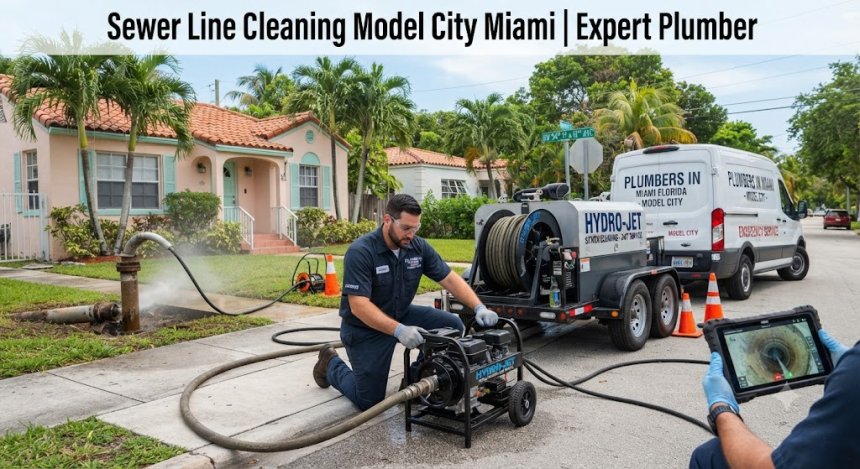
The plumber deploys heavy-duty mechanical augers or high-pressure hydro jetting equipment to scour the pipe interior completely clean.
Step 5: Post-Cleaning Camera Verification
A second camera pass is performed to confirm that all roots, scale, and blockages have been fully eradicated from the pipe walls.
Step 6: Worksite Cleanup and Sanitization
The work area is thoroughly cleaned, and affected drainage points are flushed and sanitized.
Step 7: Preventative Maintenance Advice
The technician provides tailored guidance on how to keep your sewer line clear and prevent future root or grease intrusions.
Can You Fix It Yourself?
Attempting to clear a main sewer line blockage with standard household tools or store-bought chemicals is rarely effective and can be dangerous.
-
Safe DIY Solutions: Homeowners can safely clear localized fixture clogs using a basic hand plunger or a small sink drain snake.
-
Temporary Fixes: Ceasing all indoor water usage during a main line backup prevents immediate indoor flooding while waiting for professional help.
-
When DIY Becomes Dangerous: Pouring caustic chemical drain cleaners down backed-up fixtures creates a severe chemical burn hazard if the liquid sits or splashes back.
-
When Professional Plumbing is Necessary: Any backup affecting multiple drains, tree root intrusion, or main sewer line obstruction requires professional hydro-jetting and camera equipment.
Tools Professionals Use
Professional plumbing technicians utilize advanced industrial equipment to restore full flow to blocked sewer lines safely and efficiently.
-
Fiber-Optic Sewer Cameras: High-definition inspection scopes that reveal exact structural defects and blockages inside underground pipes.
-
Hydro Jetting Machines: Industrial pressure units delivering up to 4,000 PSI of water to scour grease, scale, and roots from pipe walls.
-
Motorized Cable Augers (Snakes): Heavy-duty rotating cutting blades designed to punch through dense root masses and hard obstructions.
-
Electronic Pipe Locators: Surface receivers that pinpoint the exact depth and geographic path of buried sewer lines.
-
Trenchless Pipe Lining Kits: Epoxy resin liners used to rehabilitate damaged pipes without digging up landscaping or driveways.
How Long Does the Cleaning Usually Take?
Professional sewer line cleaning timelines vary depending on the severity of the blockage.
-
Standard Snaking and Clearing: Typically takes 45 to 90 minutes.
-
Comprehensive Hydro Jetting: Thoroughly scouring scale and roots takes 1 to 2 hours.
-
Camera Inspection Pass: Usually requires 30 minutes to complete fully.
-
Severe Root or Structural Repair: Complex excavations or trenchless lining can take 1 to 2 days.
Cost Factors
Ethical plumbing companies determine service pricing based on clear operational variables:
-
Severity of the Blockage: Heavy root intrusion or concrete-like scale buildup requires more intensive equipment time.
-
Pipe Accessibility: Lack of an accessible outdoor cleanout requires technicians to work through indoor roof vents or crawlspace lines.
-
Length of the Lateral: Long property runs between the home and the municipal connection take more time to jet and inspect.
-
Method Required: High-pressure hydro jetting involves specialized setup compared to basic mechanical cabling.
-
Permit Requirements: Major structural sewer repairs or replacements require Miami-Dade municipal permits.
Plumbing repair costs vary depending on the severity of the problem, accessibility, materials required, emergency service, property type, and local labor rates.
Hidden Truths Homeowners Should Know
Understanding the realities of underground drainage systems helps protect your property from unexpected expenses:
-
Snaking Is Temporary: Standard cable snaking punches a small hole through a root mass, but roots will quickly grow back thicker unless hydro-jetting or root killer is applied.
-
Chemical Cleaners Destroy Pipes: Store-bought acid cleaners eat through the bottom of aging cast-iron sewer pipes, creating structural leaks.
-
Insurance Rejects Neglect: Homeowner insurance policies routinely deny coverage for water and sewage damage caused by long-term, neglected pipe maintenance.
-
Flushable Wipes Are False Advertising: So-called "flushable" wipes do not break down in sewer lines and are the #1 cause of residential main line clogs.
-
Grease Solidifies Underground: Kitchen grease cools rapidly inside underground pipes, forming concrete-like obstructions.
-
Bellied Pipes Trap Waste: Sags in underground lines collect solid waste regardless of how often you clean them.
-
Tree Roots Exploit Tiny Cracks: Even microscopic imperfections in pipe joints invite aggressive root infiltration in South Florida soils.
-
Early Camera Checks Save Thousands: Catching a minor root intrusion on camera lets you clean it before the pipe collapses completely.
-
Municipal Mains vs. Laterals: Homeowners are legally responsible for the entire sewer lateral running from their house out to the city connection.
-
Regular Maintenance Prevents Floods: Scheduling an annual sewer line inspection and cleaning prevents messy midnight backups.
15 Common Mistakes Homeowners Make
Avoid these frequent errors to keep your home's drainage system operating smoothly:
-
Flushing Wipes and Paper Towels: Treating toilets like trash bins leads directly to main line blockages.
-
Pouring Grease Down Kitchen Drains: Dumping cooking oils into the sink creates impenetrable fatbergs underground.
-
Using Harsh Chemical Cleaners: Pouring corrosive acids into slow drains damages pipe joints and poses injury risks.
-
Ignoring Slow Drains: Waiting until multiple fixtures back up completely before calling a plumber.
-
Planting Trees Near Sewer Lines: Placing large shade trees or palms too close to underground plumbing lateral paths.
-
Skipping Regular Cleanings: Never having main sewer lines hydro-jetted or inspected proactively.
-
Hiring Unlicensed Handymen: Using uninsured workers who lack proper jetting and camera diagnostic tools.
-
Overloading Garbage Disposals: Grinding fibrous vegetables, coffee grounds, and potato peels into drainage lines.
-
Ignoring Gurgling Toilets: Disregarding bubbling sounds that signal trapped air and blocked venting.
-
Using Wrong Snake Attachments: Using undersized auger blades that only bore a small hole instead of scraping the pipe clean.
-
Burying Outdoor Cleanouts: Landscaping or building decks directly over the main sewer access port.
-
Connecting Sump Pumps to Sewers: Illegally routing storm water or sump pumps into sanitary sewer lines, causing overloads.
-
Ignoring Wet Yard Spots: Failing to investigate soggy grass patches above underground pipe routes.
-
Delaying Emergency Service: Trying to force a completely backed-up system to drain by running more water.
-
Failing to Verify Plumber Credentials: Not checking state licenses and customer reviews prior to hiring.
Maintenance Tips
Proactive upkeep ensures your plumbing and sewer lines remain clear year-round:
-
Schedule Annual Hydro Jetting: Have a professional scour your main sewer line once a year to prevent root and grease buildup.
-
Use Mesh Drain Catchers: Install fine strainers in kitchen sinks and showers to block food debris and hair.
-
Never Pour Grease Down Drains: Collect cooking oil in a container and dispose of it in the trash.
-
Be Mindful of What You Flush: Only flush human waste and standard septic-safe toilet paper.
-
Watch Out for Invasive Roots: Keep large trees and bushes planted at a safe distance from underground sewer lines.
-
Run Enzyme Cleaners Monthly: Use eco-friendly bacterial treatments to digest organic matter inside drainage pipes safely.
-
Inspect Your Cleanout Cap: Ensure your outdoor sewer cleanout cap is securely closed to prevent dirt and rainwater entry.
-
Test Drainage Speed: Periodically fill and dump sinks to ensure they empty rapidly without gurgling.
-
Watch for Yard Sinks: Inspect your lawn regularly for unexpected depressions or wet spots above utility lines.
-
Keep Garbage Disposals Lean: Compost food scraps rather than grinding heavy starches and fats down the disposal.
-
Educate Household Members: Ensure everyone in the home knows what items are safe to put down drains.
-
Monitor Water Bills: Check for unexplained utility rate changes that can indicate hidden leaks.
-
Avoid Chemical Mixes: Never mix different chemical drain cleaners, as they can react violently.
-
Inspect After Storms: Check your plumbing performance following heavy tropical downpours and high water tables.
-
Partner with a Local Expert: Establish an ongoing relationship with a trusted Miami plumbing provider for routine care.
When Should You Call an Emergency Plumber?
Certain sewer and drainage situations require immediate, around-the-clock professional intervention:
-
Raw Sewage Overflow: Wastewater backing up out of showers, tubs, or floor drains into living areas.
-
Complete Drainage Failure: Zero fixtures in the entire home will drain or empty.
-
Severe Structural Backups: Multiple toilets overflowing simultaneously with no obvious localized clog.
-
Uncontrollable Foul Odors: Overwhelming sewage smells filling the indoor living environment.
-
Suspected Pipe Collapse: Sudden ground sinking or major pipe rupture near the building foundation.
Frequently Asked Questions
Why is my water pressure suddenly low?
Sudden low water pressure is typically caused by a failing pressure-reducing valve, mineral scale buildup inside supply pipes, or municipal main repairs.
How much does leak detection cost?
Leak detection costs vary based on property size and equipment used, but professional non-invasive detection is always cheaper than tearing up floors blindly.
Can a clogged drain damage pipes?
Yes. Severe clogs create intense back-pressure on pipe joints and trap corrosive materials that weaken pipe structural integrity over time.
Is hydro jetting safe for old pipes?
An experienced plumber must run a camera inspection first; if old cast-iron pipes are severely corroded and paper-thin, hydro-jetting can cause structural failure.
How do I know if my sewer line is broken?
Key indicators include multiple slow drains, raw sewage backing up into tubs, foul odors in the yard, and lush, spongy patches of grass on your lawn.
How long do water heaters last?
Standard tank water heaters generally last 8 to 12 years, while tankless models can last up to 15 to 20 years with proper annual flushing.
Why does my faucet drip?
A dripping faucet is usually caused by a worn-out rubber washer, O-ring, or degraded ceramic cartridge inside the valve assembly.
What causes pipes to burst?
Pipes commonly burst due to severe internal corrosion, excessive water pressure surges, shifting coastal soils, or physical trauma.
Can plumbing leaks increase my water bill?
Absolutely. Even a minor silent leak or running toilet can waste thousands of gallons monthly, driving up your utility bill significantly.
When should I replace plumbing instead of repairing it?
If your property features decades-old galvanized steel or crumbling cast-iron lines experiencing frequent failures, a complete repipe is more cost-effective.
Why Choose Our Plumbing Company
When sewer line emergencies threaten your Model City property, you need a dependable, highly skilled local team.
-
Experienced Licensed Plumbers: Our technicians hold valid Florida licenses and possess extensive expertise in local plumbing systems.
-
Honest Recommendations: We provide transparent, straightforward advice focused purely on solving your drainage issues without unnecessary sales tactics.
-
Upfront Estimates: You approve clear, fixed pricing before any work begins—no hidden fees or surprise charges.
-
Fast Response Times: We mobilize quickly across Model City, Liberty City, Brownsville, and surrounding Miami neighborhoods.
-
24/7 Emergency Availability: Plumbing disasters happen at all hours, and our emergency dispatch team is always ready to assist.
-
Quality Workmanship: We stand firmly behind every cleaning and repair with strong service guarantees.
-
Modern Equipment: We utilize state-of-the-art hydro jetters, high-definition cameras, and electronic locators.
-
Local Expertise: We understand Miami's unique soil conditions, hard water challenges, and municipal building codes.