Expert Sewer Line Repair in Coconut Grove, Miami: Homeowner Guide
Introduction
Property ownership in historic and lush neighborhoods like Coconut Grove, Miami, FL brings unique property maintenance challenges. From canopy-lined streets with mature tropical oaks to historic bungalows and modern luxury estates throughout Miami-Dade County, residential and commercial plumbing systems are constantly tested. One of the most critical and stressful issues a property owner can face is a compromised sewer line.
When a main sewer lateral fails, it threatens not only daily routines but also property health and sanitation. Understanding why sewer line damage occurs, recognizing early warning signs, and knowing when to call a licensed professional can prevent devastating property destruction. This comprehensive guide covers everything you need to know about professional sewer line repair in Coconut Grove.
What Is Sewer Line Repair?
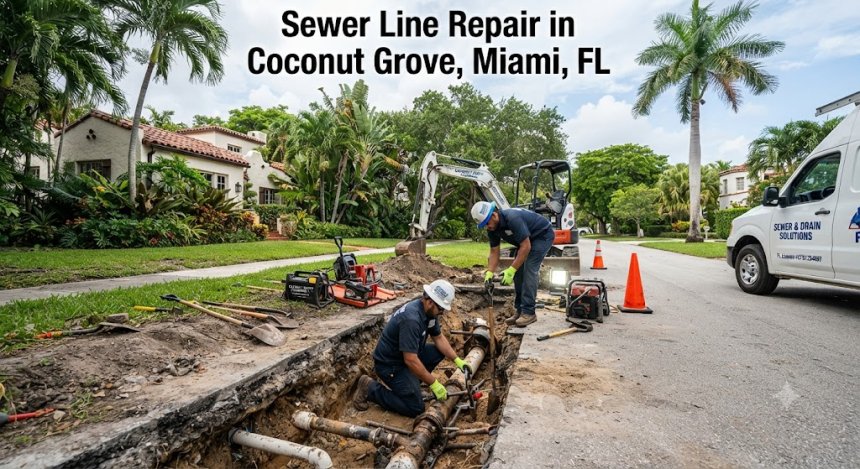
Sewer line repair is the targeted restoration or replacement of the primary underground pipe responsible for carrying all wastewater and sewage from a home or commercial building out to the municipal main sewer connection or septic system.
Common situations requiring this service include persistent multi-fixture backups, sewage pooling in yards, foul municipal gas odors surrounding the property, and toilets or showers that refuse to drain properly. In lush areas like Coconut Grove, these issues often stem from environmental factors interacting with aging underground infrastructure.
Why Does This Plumbing Problem Happen?
Sewer line failures rarely happen overnight. They are usually the result of long-term environmental stress, ground shifting, and material aging across South Florida.
-
Aggressive Tree Root Intrusion: Coconut Grove is famous for its dense tree canopy. Mature trees and palms actively seek out moisture, sending roots through microscopic joints or cracks in older clay or cast-iron sewer pipes.
-
Aging Pipe Materials: Many historic and mid-century properties feature aging cast-iron, Orangeburg, or clay sewer pipes that corrode, rust, or collapse over decades of service.
-
Ground Shifting and Soil Erosion: Heavy tropical rainstorms, high water tables, and shifting sandy soils in Miami-Dade County can cause underground pipes to sag, misalign, or fracture.
-
Improper Disposal Habits: Flushing non-flushable items, heavy paper products, and pouring grease down drains creates heavy interior blockages that exert extreme hydraulic pressure on sewer walls.
-
Hard Water and Scale Buildup: Mineral-heavy municipal water forms internal scale layers over time, narrowing pipe diameters and snagging solid waste.
-
Poor Initial Installation: Incorrect pipe slope (fall) or improper bedding during initial construction prevents wastewater from flowing smoothly, causing chronic structural stress.
Signs You Should Never Ignore
Catching sewer line damage early prevents catastrophic indoor backups and expensive property restoration. Watch for these critical warning signs:
-
Multiple Slow Drains: If your bathtub, kitchen sink, and toilets all drain slowly at the same time, the main sewer line is obstructed or damaged.
-
Foul Sewage Odors: Persistent sulfur or waste smells around your yard, basement, or lower-level living areas indicate a leaking or broken vent and sewer pipe network.
-
Unexplained Lush Lawn Patches: A patch of grass that is suddenly greener, lusher, or soggier than the rest of your lawn usually points to an underground sewage leak fertilizing the soil.
-
Gurgling Plumbing Fixtures: Bubbling sounds when water drains or when you flush a toilet mean air is trapped behind a severe mainline blockage.
-
Basement or Foundation Backups: Water or sewage backing up into floor drains, lower-level showers, or bathtubs is a definitive sign of a failed main sewer line.
Common Plumbing Problems Related to Inadequate Drainage
-
Severe pipe leaks causing structural foundation damage and soil erosion
-
Complete sanitary sewer backups flooding living spaces or commercial units
-
Water heater and appliance failures due to system-wide pressure spikes
-
Burst supply lines resulting from unchecked hydraulic pressure
-
Slab leaks compromising concrete foundation slabs
-
Fixture damage from corrosive backups and stagnant waste
Step-by-Step Professional Repair Process
When you hire a licensed plumbing expert from Plumbers in Miami Florida, main sewer repairs are handled systematically to guarantee structural integrity.
-
Step 1: Initial Assessment: The plumber evaluates the symptoms, checks affected fixtures, and identifies access points.
-
Step 2: Advanced Camera Diagnosis: Technicians deploy high-resolution fiber-optic drain cameras to visually inspect the interior of the sewer line and map the exact depth and location of damage.
-
Step 3: Transparent Estimation: You receive a detailed, upfront breakdown of the recommended repair strategy—whether traditional excavation or trenchless lining—and associated costs.
-
Step 4: Precision Execution: The plumbing team executes the repair using specialized mechanical cutters, hydro jetters, or trenchless pipe-bursting equipment.
-
Step 5: Post-Repair Testing: A secondary camera pass and pressure test confirm the sewer line is completely clear, structurally sound, and fully operational.
-
Step 6: Jobsite Restoration: Technicians clean up the work zone, returning your landscaping or interior spaces to pristine condition.
-
Step 7: Long-Term Maintenance Advice: The plumber provides customized tips to protect your new or repaired sewer line from future root intrusion and blockages.
Can You Fix It Yourself?
Homeowners can safely handle minor fixture maintenance, such as clearing hair from a bathroom sink stopper or plunging a standard toilet clog. Pouring a kettle of boiling water down a kitchen sink can also help dissolve light grease buildup.
However, DIY sewer line repair is impossible and extremely dangerous. Main sewer lines are buried deep underground or beneath concrete foundations, requiring heavy commercial equipment, specialized permits, and licensed engineering knowledge. Attempting to clear major main line blockages with consumer-grade hand snakes or pouring harsh chemical drain cleaners down drains will only melt PVC joints, corrode older metal lines, and fail against dense tree roots. Call a professional immediately when main line failure is suspected.
Tools Professionals Use
-
Sewer Inspection Cameras: Waterproof fiber-optic cameras mounted on push-rods that navigate miles of piping to project high-definition video of cracks and roots onto a monitor.
-
Trenchless Pipe Repair Equipment: Advanced machinery that allows plumbers to replace or line sewer pipes underground without digging up your entire lawn or driveway.
-
Hydro Jetting Systems: High-pressure water cleaning units (delivering up to 4,000 PSI) that scour scale, grease, and tree roots completely out of pipe walls.
-
Electronic Pipe Locators: Transmitters paired with surface receivers to pinpoint the exact depth and horizontal placement of underground pipes.
-
Heavy-Duty Mechanical Augers: Commercial cable machines equipped with specialized steel cutting heads to bore through dense root mats and solid blockages.
How Long Does the Repair Usually Take?
-
Simple Main Line Snaking/Clearing: 1 to 2 hours
-
Moderate Repairs (Hydro Jetting or Spot Repair): 2 to 4 hours
-
Major Repairs (Trenchless Pipe Lining): 1 to 2 days
-
Emergency Repairs (Traditional Excavation and Full Main Replacement): 2 to 5 days, depending on municipal permits and depth
Repair duration is heavily influenced by pipe accessibility, depth, severity of root damage, property type, and local soil conditions.
Cost Factors
Professional plumbing repair costs vary depending on the severity of the problem, accessibility, materials required, emergency service, property type, and local labor rates.
-
Diagnostic & Inspection Fees: Covers the technical labor and fiber-optic equipment required to accurately locate underground breaks.
-
Depth and Accessibility: Pipes buried deep beneath concrete slabs, mature landscaping, or paved driveways require specialized labor and restoration.
-
Repair Method (Trenchless vs. Traditional): Advanced trenchless solutions save landscaping but involve different technology costs compared to traditional excavation.
-
Materials Required: Durable HDPE piping, epoxy liners, and commercial-grade connectors impact overall project expenses.
-
Emergency Dispatch: After-hours, weekend, or holiday emergency calls involve adjusted scheduling structures.
Hidden Truths Homeowners Should Know
-
Small, ignored sewer line cracks quickly evolve into expensive structural sinkholes and landscaping destruction.
-
Cheap chemical temporary fixes often fail under pressure while corroding the surrounding pipe infrastructure.
-
Homeowners insurance policies rarely cover damage resulting from long-term, neglected sewer line maintenance and tree root intrusion.
-
Tree roots will repeatedly return to sewer lines unless structural entry points are permanently lined or sealed.
-
Hard water and mineral scaling in South Florida shorten the operational lifespan of entire plumbing networks.
-
DIY mistakes, such as using incorrect fittings or over-tightening joints, frequently multiply final professional repair bills.
-
Delaying sewer repairs allows hazardous raw sewage to saturate yard soil, creating major health hazards.
-
Hidden underground leaks can erode soil beneath foundations, risking structural home stability.
-
Annual professional sewer maintenance saves substantial money over time by preventing catastrophic failures.
15 Common Mistakes Homeowners Make
-
Ignoring slow drains or gurgling toilets until a full sewage backup occurs
-
Pouring corrosive liquid chemical drain cleaners into stubborn main line clogs
-
Flushing "flushable" wipes, paper towels, and hygiene products down toilets
-
Disposing of warm cooking grease and oils directly into kitchen sink drains
-
Neglecting changes in property drainage performance or lawn sogginess
-
Hiring unlicensed handymen for complex underground sewer repairs
-
Skipping annual preventive plumbing system inspections and camera checks
-
Waiting for a weekend emergency to address known slow drainage issues
-
Using incompatible pipe materials during amateur repairs
-
Over-tightening plumbing connections and cracking fittings
-
Planting large ficus trees or deep-rooting palms directly over lateral sewer paths
-
Failing to locate the main sewer cleanout before an emergency strikes
-
Connecting unauthorized high-capacity appliances to old residential waste stacks
-
Allowing foreign objects to drop down open cleanout ports
-
Attempting to clear heavy root intrusion with consumer-grade handheld snakes
Maintenance Tips
-
Run hot water mixed with eco-friendly dish soap down kitchen drains weekly to keep grease liquefied.
-
Install mesh strainers on all indoor sinks, showers, and tubs to capture debris.
-
Never pour cooking oil or grease down any drain; collect it in a sealed container and throw it in the trash.
-
Schedule professional hydro jetting and camera inspections every 12 to 18 months for properties surrounded by mature trees.
-
Educate all household members and tenants on what materials are safe to flush down toilets.
-
Inspect your yard periodically for unexplained wet spots, sunken areas, or unusually lush grass patches.
-
Test your main water shut-off valve twice a year to ensure it operates smoothly.
-
Avoid planting large trees or bamboo near your lateral sewer exit lines.
-
Pour a bucket of water into rarely used floor drains to maintain trap water seals.
-
Keep cleanout access ports clearly visible and never build permanent decks or concrete over them.
-
Address minor indoor plumbing leaks immediately before they add unnecessary volume to your sewer lines.
-
Inspect washing machine drain pipes for secure connections and proper discharge flow.
-
Clear debris away from outdoor area drains and cleanouts ahead of heavy seasonal tropical rains.
-
Monitor your monthly municipal water utility bill for unexpected spikes.
-
Partner with a trusted local professional like Plumbers in Miami Florida for ongoing preventive care.
When Should You Call an Emergency Plumber?
-
Total sewage backup overflowing into bathtubs, showers, or floor drains across multiple rooms
-
Complete loss of running water or total drainage failure across the property
-
Severely overflowing toilets that will not stop rising
-
Major pipe collapses or structural sinkholes forming near the home foundation
-
Any suspected gas line leak or odor (if licensed service is offered)
Immediate action prevents structural rotting, electrical hazards, toxic mold growth, and thousands of dollars in property destruction.
Frequently Asked Questions
Why is my water pressure suddenly low? Sudden pressure drops usually stem from a partially closed main valve, a clogged aerator, a failing pressure regulator, or a hidden supply line leak.
How much does leak detection cost? Leak detection pricing varies based on whether the leak is surface-visible or hidden beneath concrete slabs, requiring acoustic and thermal imaging equipment.
Can a clogged drain damage pipes? Yes. Pressure buildup behind severe blockages can stress pipe joints, cause hairline cracks, or result in complete pipe separation over time.
Is hydro jetting safe for old pipes? A licensed plumber must perform a camera inspection first. If pipes are severely corroded or structurally compromised, low-pressure cleaning or traditional snaking is used instead.
How do I know if my sewer line is broken? Signs include multiple clogged fixtures simultaneously, sewage bubbling up in yard drains, wet spots in the yard during dry weather, and persistent foul odors.
How long do water heaters last? Standard tank water heaters typically last between 8 to 12 years, while tankless units can operate efficiently for 20 years or more with proper maintenance.
Why does my faucet drip? Dripping faucets are usually caused by worn-out internal rubber washers, O-rings, or corroded valve seats inside the cartridge.
What causes pipes to burst? While freezing temperatures cause bursts in colder climates, in South Florida, pipes typically burst due to extreme hydraulic pressure, severe root intrusion, or internal corrosion.
Can plumbing leaks increase my water bill? Even a small pinhole leak or a continuously running toilet flapper can waste thousands of gallons of water per month, driving up municipal utility bills.
When should I replace plumbing instead of repairing it? If your property features aging galvanized or polybutylene pipes that experience frequent, recurring leaks throughout the home, a full repipe is more cost-effective.
Why Choose Our Plumbing Company
Plumbers in Miami Florida delivers reliable, professional solutions tailored to the unique infrastructure of Coconut Grove, Miami, and surrounding neighborhoods.
-
Experienced Licensed Plumbers: Fully certified technicians equipped to handle complex residential and commercial sewer projects.
-
Honest Recommendations: Straightforward advice focused on long-term system health rather than temporary band-aids.
-
Upfront Estimates: Clear, transparent pricing with no hidden fees or surprise charges.
-
Fast Response Times: Rapid dispatch throughout Coconut Grove and Miami-Dade County to mitigate property damage.
-
Emergency Availability: Ready to assist when urgent plumbing crises strike your home or business.
-
Quality Workmanship: Strict adherence to local plumbing codes and industry best practices.
-
Modern Equipment: Utilizing state-of-the-art cameras, locators, and trenchless repair technology.
-
Customer Satisfaction: A proud reputation built on trust, clear communication, and dependable results.