When Should Old Plumbing Pipes Be Replaced in Miami?
Learn when old plumbing pipes should be replaced in a Miami home, including warning signs, pipe lifespan, repair costs, and replacement benefits.

Plumbing pipes are one of those parts of a home that homeowners rarely think about until something goes wrong. Pipes are hidden behind walls, underneath floors, inside ceilings, and sometimes beneath concrete slabs. When they begin to deteriorate, the first warning may be a leak, low water pressure, rusty water, or an unexpectedly high water bill.
So, when should old plumbing pipes be replaced in a Miami home?
There is no single age that automatically means every pipe needs to be replaced. Pipe material, installation quality, water conditions, maintenance, previous repairs, and the overall condition of the plumbing system all matter.
Miami homeowners also need to consider the local environment. High humidity, warm temperatures, mineral deposits, and the age of many South Florida properties can contribute to plumbing deterioration.
Replacing old pipes before repeated failures occur can help reduce water damage, improve reliability, and prevent disruptive plumbing emergencies.
What Does "Old Plumbing Pipes" Really Mean?
An old plumbing system is not necessarily one that has reached a specific number of years.
For example, a home may have older copper pipes that are still functioning reasonably well, while another property may have galvanized steel pipes that are heavily corroded and already causing problems.
Common older plumbing materials include:
- Galvanized steel
- Cast iron
- Copper
- Polybutylene
- Older plastic piping
- Lead-containing plumbing components in older properties
The age of the home is useful information, but it should not be the only factor used to decide whether pipes need replacement.
A professional plumbing inspection can determine whether the system is still serviceable or approaching the point where replacement makes more sense than repeated repairs.
How Long Do Plumbing Pipes Usually Last?
Pipe lifespan varies significantly depending on the material and conditions.
Galvanized Steel
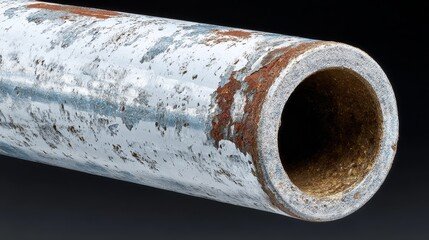
Galvanized steel pipes can last for decades, but internal corrosion may gradually reduce the diameter of the pipe and restrict water flow.
Copper
Copper plumbing can have a long service life, but older copper systems may develop corrosion or pinhole leaks.
Cast Iron
Cast iron can remain functional for many decades, particularly in drain and sewer systems, but corrosion and deterioration can eventually cause cracks, leaks, and blockages.
Polybutylene
Polybutylene piping was used in many homes during past decades and is known for premature failure. If this material is present, homeowners should have the system professionally evaluated.
Lead Plumbing
Lead pipes or plumbing components are a special concern because of potential health risks. If you suspect lead plumbing, have the system evaluated by a qualified professional and follow applicable local guidance.
The important point is that age is a warning factor, not an automatic replacement order.
Signs Your Miami Home May Need New Plumbing Pipes
1. Frequent Pipe Leaks
One isolated leak does not necessarily mean the entire plumbing system needs replacement.
However, if leaks keep appearing in different locations, the system may be reaching the end of its useful life.
Repeated repairs can eventually cost more than a planned replacement.
2. Rusty or Discolored Water
Brown, yellow, or rusty water may indicate corrosion somewhere in the plumbing system.
Discoloration can have other causes, so professional diagnosis is important before deciding that all pipes need replacement.
3. Low Water Pressure
Consistently low water pressure can occur when aging pipes become restricted by corrosion or mineral buildup.
Other causes include faulty pressure regulators, partially closed valves, plumbing leaks, or municipal supply problems.
4. Water Stains on Walls or Ceilings
Recurring water stains may indicate concealed pipe leaks.
If stains repeatedly appear even after a repair, the underlying plumbing system should be investigated.
5. Damp or Musty Areas
Moisture behind walls, under cabinets, or beneath flooring can indicate a hidden plumbing leak.
Persistent dampness should not be ignored because water damage can spread beyond the original leak.
6. Strange Plumbing Noises
Banging, whistling, rattling, or unusual sounds may indicate loose pipes, pressure problems, restricted flow, or other plumbing issues.
Noises alone do not prove that replacement is necessary, but repeated problems deserve inspection.
7. High Water Bills
A sudden or unexplained increase in water consumption can indicate a leak.
Check toilets, faucets, irrigation systems, and appliances as well as the home's plumbing pipes.
8. Pipes That Are Visibly Corroded
If exposed pipes show significant rust, flaking, pitting, mineral buildup, or deterioration, professional evaluation is recommended.
9. Repeated Emergency Repairs
If you are repeatedly calling a plumber to repair different sections of the same aging system, ask whether a broader replacement would be more economical.
Why Miami's Environment Can Matter
Miami's warm, humid climate creates conditions that can affect homes and plumbing components differently from colder regions.
Moisture around exposed plumbing can contribute to corrosion, while mineral deposits can accumulate inside pipes and fixtures.
Older homes may also contain plumbing materials and installation methods that are no longer preferred.
This does not mean every Miami home needs repiping. It means local conditions should be considered when evaluating an aging plumbing system.
Should You Repair or Replace Old Plumbing Pipes?
This is one of the most important decisions homeowners face.
Repair May Make Sense When:
- The leak is isolated.
- The surrounding pipes are in good condition.
- The plumbing material is suitable.
- The repair is accessible.
- There is no evidence of widespread deterioration.
- The system has been reliable overall.
Replacement May Make More Sense When:
- Leaks are occurring repeatedly.
- Corrosion is widespread.
- Water pressure is consistently poor.
- Pipes are severely restricted.
- The plumbing material is known to have reliability concerns.
- Repair costs are becoming frequent.
- Major remodeling already requires wall or floor access.
- A professional inspection shows widespread deterioration.
A good plumber should explain both options rather than automatically recommending a complete repipe.
Common Problems Associated With Old Plumbing Pipes
Old pipes can contribute to several plumbing problems, including:
- Water leaks
- Low water pressure
- Corrosion
- Discolored water
- Pipe blockages
- Pinholes
- Burst pipes
- Hidden wall leaks
- Slab leaks
- Drain problems
- Sewer line deterioration
- Water damage
- Repeated plumbing repairs
The correct solution depends on which part of the system is failing.
A water supply problem, for example, requires a different approach from an aging sewer line.
Step-by-Step Professional Pipe Replacement Process
Step 1: Plumbing Inspection
The plumber evaluates visible pipes, fixtures, pressure, water quality concerns, previous repairs, and known problem areas.
Step 2: Determine Pipe Material
Identifying the existing pipe material helps determine expected service life and appropriate replacement options.
Step 3: Locate Problem Areas
The plumber may use inspection cameras, moisture meters, pressure testing, or other diagnostic methods where appropriate.
Step 4: Discuss Repair Versus Replacement
The homeowner should receive an explanation of whether targeted repairs or broader pipe replacement makes more sense.
Step 5: Prepare the Property
Depending on the installation method, certain walls, ceilings, cabinets, or flooring may require controlled access.
Step 6: Remove Deteriorated Plumbing
Old sections are carefully removed while minimizing unnecessary disruption.
Step 7: Install Replacement Pipes
New plumbing is installed using appropriate materials and methods for the property.
Step 8: Test the System
The plumber checks water pressure, connections, flow, and potential leaks.
Step 9: Restore Access Areas
Any required openings should be discussed beforehand so homeowners understand what is included in the plumbing work and what may require another contractor.
Can You Replace Old Plumbing Pipes Yourself?
Full-house repiping is generally not a practical DIY project.
Replacing plumbing requires knowledge of:
- Pipe sizing
- Water pressure
- Material compatibility
- Shutoff valves
- Connections
- Building codes
- Access requirements
- Water heater connections
- Drainage principles
An incorrectly installed pipe can leak behind a wall and create much more expensive damage.
Simple maintenance such as checking visible pipes and shutting off water during an emergency is appropriate for many homeowners. Major repiping is better handled by a qualified plumbing professional.
Tools Professionals Use
Depending on the property and plumbing system, professionals may use:
- Pipe inspection cameras
- Moisture meters
- Pressure gauges
- Electronic leak detection equipment
- Pipe locating equipment
- Thermal imaging
- Specialized cutting and joining tools
- Drain inspection equipment
These tools can help determine whether replacement is actually necessary and reduce unnecessary demolition.
How Long Does Plumbing Pipe Replacement Take?
There is no universal timeline.
A small section of accessible pipe may be replaced relatively quickly.
A whole-home repiping project can take considerably longer depending on:
- Property size
- Number of bathrooms
- Pipe layout
- Existing pipe material
- Accessibility
- Wall and ceiling access
- Plumbing configuration
- Permit requirements
- Inspection requirements
- Restoration work
Ask the plumber for a project-specific timeline before work begins.
How Much Does Pipe Replacement Cost?
Plumbing pipe replacement costs vary considerably, so homeowners should be cautious about fixed online prices.
Important cost factors include:
- Type of replacement pipe
- Amount of pipe being replaced
- Number of fixtures
- Home size
- Accessibility
- Labor
- Wall or ceiling access
- Permit requirements
- Required equipment
- Water shutoff requirements
- Property type
- Local labor rates
- Restoration requirements
A small repair and a whole-home repipe are completely different projects.
The most useful approach is to obtain a detailed estimate based on an actual inspection.
Hidden Truths Homeowners Should Know
Replacing One Pipe Does Not Always Solve the Bigger Problem
If several sections are deteriorating, repairing only the newest leak may simply postpone the next failure.
The Cheapest Quote Is Not Always the Cheapest Long-Term Option
A low-cost repair may become expensive if the same area fails repeatedly.
Pipes Can Deteriorate Internally
A pipe may look acceptable from the outside while corrosion or mineral buildup is restricting the inside.
Water Pressure Can Reveal a Problem
Changes in pressure may indicate restrictions, leaks, or other system problems.
Remodeling Can Be a Good Time to Evaluate Plumbing
If walls are already open, homeowners may have a practical opportunity to inspect or replace inaccessible plumbing.
Not Every Old Pipe Needs Immediate Replacement
Good plumbing decisions are based on condition, not simply age.
Hidden Leaks Can Cause Structural Damage
Water escaping behind walls or beneath floors can affect building materials if ignored.
Professional Diagnosis Saves Guesswork
Testing and inspection can help determine whether replacement is actually justified.
15 Common Mistakes Homeowners Make
- Replacing pipes based only on the home's age.
- Ignoring repeated leaks.
- Repairing the same failing section repeatedly without evaluating the whole system.
- Choosing a replacement material without professional guidance.
- Ignoring low water pressure.
- Ignoring rusty or discolored water.
- Cutting walls open before locating a leak.
- Hiring an unqualified person for major repiping.
- Choosing the cheapest quote without checking the scope.
- Failing to ask about permits.
- Not confirming which areas of the home will require access.
- Ignoring old polybutylene or other problematic plumbing materials.
- Waiting until a pipe bursts before considering replacement.
- Failing to test the system after repairs.
- Neglecting plumbing maintenance after repiping.
Maintenance Tips for Older Miami Plumbing Systems
- Inspect exposed pipes regularly.
- Look for rust and corrosion.
- Check under sinks for moisture.
- Inspect around toilets.
- Check water heater connections.
- Monitor water pressure.
- Watch for unexplained water-bill increases.
- Investigate rusty water.
- Repair leaks promptly.
- Do not ignore recurring damp spots.
- Keep the main water shutoff accessible.
- Know where individual fixture shutoffs are located.
- Avoid unnecessary pressure on exposed plumbing.
- Have older systems professionally inspected.
- Consider a plumbing inspection before major remodeling.
- Ask about pipe condition when buying an older home.
- Address recurring leaks instead of repeatedly patching symptoms.
- Inspect plumbing after major renovation work.
- Watch for unusual pipe noises.
- Keep records of major plumbing repairs and replacements.
When Should You Call an Emergency Plumber?
Old plumbing pipes can fail suddenly.
Call for urgent plumbing assistance when you experience:
- A burst pipe
- Rapid water flooding
- A major hidden leak
- Water entering electrical areas
- A broken main water line
- Severe water damage
- An uncontrolled plumbing leak
- A sewage backup
- A major loss of water service
If you can safely access the main shutoff valve, turning off the home's water supply can help limit damage while waiting for professional assistance.
Frequently Asked Questions
How old do plumbing pipes have to be before they should be replaced?
There is no universal replacement age. The pipe material, condition, leak history, water quality, and overall performance should be considered.
Should I replace galvanized pipes in an old Miami home?
If galvanized pipes are heavily corroded, restricted, or repeatedly leaking, replacement may be worth considering. A professional inspection can determine their condition.
How do I know what type of pipes are in my home?
A plumber can inspect exposed sections and identify the material. In some cases, additional investigation may be needed for concealed pipes.
Can old pipes cause low water pressure?
Yes. Corrosion and mineral buildup can reduce the internal diameter of some older pipes and restrict water flow.
Can old plumbing pipes affect water quality?
Certain deteriorating materials can affect water quality. If you notice persistent discoloration or are concerned about older plumbing materials, professional evaluation and appropriate water testing may be helpful.
Is copper plumbing better than plastic piping?
Both have advantages and disadvantages. The appropriate material depends on the application, local requirements, installation conditions, budget, and existing system.
How long does a whole-house repipe take?
The timeline depends on home size, pipe layout, access, materials, permits, and the complexity of the installation.
Can I replace only the leaking pipe?
Sometimes. If the surrounding plumbing is in good condition, a targeted repair may be appropriate. If deterioration is widespread, broader replacement may make more sense.
Will replacing old pipes increase water pressure?
It can improve flow when old pipes are severely restricted, but low pressure can have many causes. The underlying problem should be diagnosed first.
Are old plumbing pipes covered by homeowners insurance?
Insurance coverage varies by policy and circumstances. Normal deterioration and maintenance issues may be treated differently from sudden accidental damage.
Is repiping worth it before selling a Miami home?
It depends on the plumbing condition, property value, buyer expectations, and cost of replacement. A plumbing inspection can provide useful information before making the decision.
Can old pipes cause frequent leaks?
Yes. Corroded or deteriorating plumbing can become increasingly prone to leaks.
People Also Ask
When should old house pipes be replaced?
Consider replacement when the system has widespread corrosion, repeated leaks, persistent low pressure, problematic pipe materials, or significant deterioration.
How often should plumbing pipes be replaced?
There is no one-size-fits-all schedule. Different materials have different expected service lives, and actual condition matters more than a calendar date.
Is it worth replacing old plumbing pipes?
Replacement can be worthwhile when repairs are becoming frequent or the system is significantly deteriorated.
What are the signs of old plumbing?
Common signs include rusty water, low pressure, recurring leaks, visible corrosion, strange noises, and frequent plumbing repairs.
What is the best pipe material for a Miami home?
The best material depends on the home's plumbing configuration, local requirements, application, installation conditions, and professional recommendation.
Voice Search Questions
Homeowners may ask:
- “When should I replace old plumbing pipes in my Miami home?”
- “How long do galvanized pipes last?”
- “How do I know if my pipes are corroded?”
- “Should I replace old copper pipes?”
- “Can old pipes cause low water pressure?”
- “How much does repiping a house cost?”
- “Is repiping worth it?”
- “What are signs my plumbing pipes are failing?”
- “How long does a whole-house repipe take?”
- “Can old pipes cause rusty water?”
Why Choose Our Plumbing Company?
Choosing a plumber for pipe replacement is an important decision because repiping can affect much of the home's plumbing system.
plumbersinmiamiflorida focuses on helping homeowners understand the condition of their plumbing before deciding between repair and replacement.
A trustworthy plumbing company should explain:
- What type of pipes you have
- Which areas are deteriorating
- Whether the problem is isolated or widespread
- Which repair options are available
- What replacement materials are appropriate
- What access will be required
- How long the work may take
- What factors affect the estimate
For help evaluating aging plumbing pipes or discussing replacement options, contact plumbersinmiamiflorida at 844-833-2093.
Local Plumbing Service in Miami
Older plumbing systems are found throughout Miami and surrounding South Florida communities.
Homeowners in older neighborhoods, condominiums, rental properties, and established residential areas may benefit from a professional plumbing inspection when recurring problems begin appearing.
Local plumbing conditions, property age, existing pipe materials, and previous repairs should all be considered when developing a replacement plan.
Final Thoughts
Old plumbing pipes do not need to be replaced simply because they have reached a certain age. However, repeated leaks, corrosion, low water pressure, rusty water, hidden moisture, and recurring repairs are signs that your plumbing system deserves a closer look.
The most cost-effective solution is not always another small repair. In some homes, targeted repairs are perfectly reasonable. In others, replacing deteriorated sections—or repiping the home—can provide a more reliable long-term solution.
If you are unsure about the condition of your pipes, a professional plumbing inspection can help you make the decision based on evidence rather than guesswork.