Gas Line Repair in Miami FL: Safety, Leak Signs & Solutions
Learn how to spot gas line leaks, understand safety protocols, explore Miami repair considerations, and know when to call a certified professional.
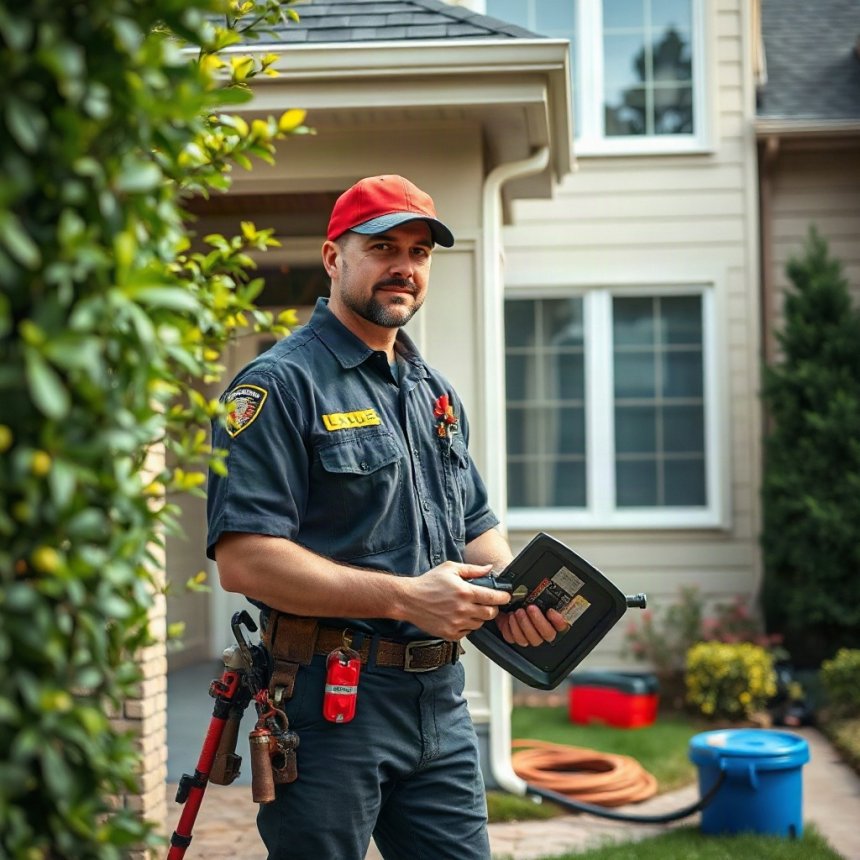
Understanding Gas Line Integrity and Risks
Working with natural gas or liquefied petroleum (propane) lines requires strict adherence to safety protocols and technical precision. Unlike water supply lines or drainage pipes, a compromised gas line presents an immediate fire, explosion, or health hazard. Whether supplying a kitchen range, water heater, outdoor generator, or pool heater, a gas distribution network must maintain absolute structural integrity.
Property owners in Miami FL often utilize gas appliances for efficiency, particularly for cooking and heavy-duty water heating. However, aging pipe materials, shifting soil conditions, and outdoor environmental exposure can create vulnerabilities over time. Recognizing the early indicators of a fuel supply issue and understanding how professionals diagnose and resolve system failures is essential for maintaining a secure property.
Recognizing the Critical Warning Signs of a Gas Leak
Gas utilities add a distinct odorant called mercaptan to natural gas, giving it a strong smell resembling rotten eggs. While this odor is the most famous warning indicator, it is not the only clue that a gas pipe requires professional evaluation.
- Sulfur or Rotten Egg Odor: The primary sensory indicator designed to alert occupants to an active gas release.
- Hissing or Whistling Sounds: High-pressure gas escaping through a crack, loose fitting, or damaged valve often produces a distinct audible sound near the appliance connection or supply line.
- Dead or Dying Vegetation: Outdoor underground gas lines that develop a slow leak starve surrounding plant roots of oxygen, causing patches of grass or landscaping to wither unexpectedly.
- Physical Symptoms: Unexplained dizziness, nausea, headaches, or fatigue experienced by occupants when entering a specific room or area of the property.
- Unusually High Utility Bills: A sudden spike in gas consumption without a corresponding change in usage habits can point toward a slow, hidden leak behind walls or underground.
Immediate Safety Actions During a Suspected Leak
When a gas leak is suspected, every minute counts, and certain actions can inadvertently trigger an ignition source. Property owners should follow strict emergency steps before professional help arrives:
- Evacuate Immediately: Get all family members, residents, or employees away from the building to a safe outdoor distance upwind.
- Do Not Operate Electrical Switches: Flicking a light switch, plugging in an appliance, or using a flashlight can create a microscopic electrical spark capable of igniting concentrated gas.
- Avoid Open Flames: Do not light matches, lighters, or candles anywhere near the property.
- Leave Doors and Windows As-Is: Do not spend time opening windows if it delays evacuation, though a quick push of an accessible door on the way out is acceptable.
- Shut Off the Main Valve Only If Safe: If the main gas shutoff valve is located outside and can be safely accessed without entering a hazardous cloud of gas, a quarter-turn using a wrench can halt supply. Never attempt to relight pilot lights or adjust utility-owned equipment.
Why Minor Gas Issues Demand Immediate Professional Attention
Some homeowners attempt temporary fixes when dealing with minor plumbing or water leaks, such as applying tape or tightening a compression fitting. However, gas lines leave zero margin for error. DIY repairs involving thread sealants, rubber hoses, or incorrect pipe compounds violate local building codes and create extreme safety hazards.
Hidden gas lines frequently run through enclosed walls, ceilings, beneath concrete slabs, or underground. A superficial patch does not address the underlying cause of pipe degradation, such as internal corrosion, thread failure, or structural settling. Certified technicians utilize specialized equipment, including electronic sniffors and digital manometers, to pressure-test the entire system and verify that no secondary leaks exist elsewhere in the network.
Diagnostic Methods and Professional Repair Options
When a certified technician evaluates a gas distribution system, the diagnostic process goes far beyond a visual inspection.
- Pressure Testing: Technicians isolate sections of the piping network and attach a pressure gauge to measure whether the system can hold a specific PSI over a set timeframe. A pressure drop confirms an active leak.
- Electronic Detection: Portable gas detectors sense combustible gas particles down to parts-per-million levels, tracing the exact path of a hidden leak behind drywall or cabinetry.
- Bubble Solution Tests: A specialized non-corrosive soap solution is applied to threaded joints and valve connections to reveal bubbling where gas escapes.
Depending on the diagnostic findings, repair options vary:
- Fitting Tightening or Replacement: If a leak is isolated to a loose flare fitting or a faulty connector valve, the component can be safely replaced or torqued to manufacturer specifications.
- Sectional Pipe Replacement: Corroded, pinched, or damaged segments of black iron, galvanized steel, or corrugated stainless steel tubing (CSST) are cut out and replaced with code-compliant materials.
- Whole-System Repiping: In older properties where multiple sections show advanced corrosion or outdated materials, replacing the entire supply run from the meter to the appliances provides long-term reliability.
Factors Influencing Gas Line Repair and Installation Costs
The cost of gas line repair or modification depends heavily on the specific scope of work required. Because safety regulations and permitting apply to all gas work, labor and technical requirements dictate pricing more than materials alone.
| Cost Factor | Impact on Scope and Pricing |
|---|---|
| Location and Accessibility | Lines running through open crawl spaces or utility rooms are simpler to service than lines hidden behind finished drywall, cabinetry, or concrete slabs. |
| Pipe Material and Diameter | Larger diameter pipes or specialized materials like CSST require specific installation techniques and fittings compared to standard black iron pipe. |
| Permitting and Inspections | Municipal building departments in Miami-Dade County typically require permits and subsequent safety inspections for gas line alterations, adding administrative steps. |
| Appliance Count and Sizing | Adding high-BTU appliances, such as tankless water heaters or commercial restaurant equipment, may require upgrading the main supply line diameter from the meter. |
| Emergency Timing | After-hours or immediate emergency dispatch involves specialized labor scheduling to secure the property safely. |
Condominium, Multi-Family, and Commercial Considerations
In high-rise residential towers, suburban condominiums, or commercial strip malls, gas plumbing structures differ significantly from single-family homes. Shared gas risers, central boiler systems, or commercial kitchen manifolds involve complex multi-unit shutoffs.
Property managers, business owners, and condo residents must coordinate with building management or local utilities before scheduling invasive repairs. Shutting off a main building riser affects multiple units, requiring scheduled maintenance windows. Furthermore, determining whether a leak is located on the association's shared distribution network or within an individual owner's private line is a critical first step governed by property bylaws and local utility jurisdiction.
Frequently Asked Questions
- Can I use a standard wrench to tighten a leaking gas pipe myself?
No. Attempting to tighten gas piping without professional training can twist the pipe, crack fittings, or worsen the leak. Gas work requires specialized thread compounds, pressure-testing verification, and strict adherence to safety codes.
- How long do residential gas lines typically last?
Black iron gas pipes can last for decades, but factors like ambient moisture, humidity, condensation in unconditioned spaces, and external soil corrosion can accelerate wear, necessitating periodic professional safety inspections.
- What should I do if my gas utility shuts off my service due to a leak?
You must hire a licensed plumbing professional to locate and repair the leak, bring the system up to current safety standards, and pass a municipal or utility pressure test before gas service can be legally restored.
- Are flexible gas connectors safe to use behind kitchen stoves?
Approved corrugated stainless steel connectors are standard for movable appliances like ranges, but they must be properly sized, unkinked, installed without stretching, and replaced whenever the appliance is moved or replaced.
- Why does my water heater pilot light keep going out?
A pilot light that repeatedly extinguishes can indicate a failing thermocouple, draft issues, or inconsistent gas supply pressure. A professional can test the regulator and burner assembly to ensure safe operation.