How Often Should Older Florida Homes Have Plumbing Inspected?
Learn how often older Florida homes need plumbing inspections, warning signs to watch for, common pipe problems, costs, and maintenance tips.

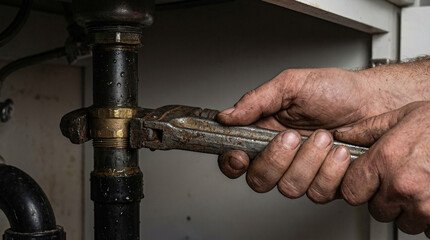
Older Florida homes often have unique plumbing challenges that newer properties may not experience.
A plumbing system can continue working for many years while slowly developing hidden problems such as corrosion, mineral buildup, leaks, weakened connections, outdated materials, and drainage issues.
Because much of a home's plumbing is hidden behind walls, under floors, or underground, problems are not always obvious until damage occurs.
Regular plumbing inspections help homeowners identify small issues before they become expensive repairs.
For older Florida homes, inspections are especially important because many properties may have:
- Aging pipes
- Original plumbing materials
- Previous repairs
- Older fixtures
- Changing water demands
- Hidden leaks
- Drainage concerns
So, how often should older Florida homes have their plumbing inspected?
In many cases, older homes benefit from a professional plumbing inspection at least once every 1–2 years, while homes with older piping, recurring issues, or previous plumbing problems may need more frequent evaluations.
The right schedule depends on the home's age, pipe materials, condition, and plumbing history.
Why Are Older Florida Homes More Likely to Need Plumbing Inspections?
Plumbing systems do not last forever.
Even high-quality materials eventually experience wear from:
- Water exposure
- Pressure changes
- Mineral deposits
- Corrosion
- Temperature changes
- Ground movement
- Previous repairs
Florida homes can also face additional environmental factors, including:
- High humidity
- Heavy rainfall
- Soil conditions
- Hard water in some areas
- Storm-related issues
A plumbing inspection helps homeowners understand the current condition of their system instead of waiting for a failure.
How Often Should an Older Florida Home Have a Plumbing Inspection?
There is no single inspection schedule that applies to every home.
However, these general guidelines can help:
Homes 20–30 Years Old
A professional inspection every 2–3 years may be appropriate if the plumbing system is in good condition.
More frequent inspections may be needed if there are:
- Recurring leaks
- Low water pressure
- Drain problems
- Previous repairs
Homes 30–50 Years Old
Many homes in this age range benefit from inspections every 1–2 years.
During this period, plumbers may check for:
- Pipe corrosion
- Aging fixtures
- Valve problems
- Water pressure issues
- Drain restrictions
Homes Over 50 Years Old
Older homes often require closer monitoring.
Annual plumbing inspections are often recommended, especially if the home has:
- Original pipes
- Older drain lines
- Galvanized plumbing
- Cast iron pipes
- Previous leaks
- Unknown plumbing history
What Factors Determine Plumbing Inspection Frequency?
The inspection schedule depends on several factors.
1. Age of the Home
Older homes generally require more attention because plumbing components have experienced more years of use.
2. Pipe Materials
Different materials have different service expectations.
Older Florida homes may contain:
- Copper
- Galvanized steel
- Cast iron
- PVC
- CPVC
The condition matters more than the material alone.
3. Previous Plumbing Repairs
A home with multiple repairs may need additional evaluation.
Previous work can reveal:
- Aging connections
- Mixed pipe materials
- Temporary fixes
- Areas of repeated failure
4. Water Quality
Water characteristics can affect plumbing.
Mineral buildup may contribute to:
- Reduced water flow
- Faucet problems
- Shower-head blockage
- Fixture wear
5. Water Pressure
High water pressure can place additional stress on:
- Pipes
- Valves
- Fixtures
- Appliance connections
A plumbing inspection can include pressure evaluation when appropriate.
Common Plumbing Problems Found in Older Florida Homes
1. Corroded Pipes
Corrosion can weaken plumbing over time.
Warning signs include:
- Rust-colored water
- Leaks
- Reduced pressure
- Discolored fixtures
2. Galvanized Pipe Problems
Some older homes may still contain galvanized steel pipes.
Over time, these pipes can develop internal buildup that restricts water flow.
Possible signs include:
- Weak shower pressure
- Slow filling fixtures
- Rust-colored water
3. Aging Copper Pipes
Copper plumbing can be durable, but it may experience:
- Pin-hole leaks
- Corrosion
- Connection failures
4. Drain Line Issues
Older drain systems may develop:
- Slow drainage
- Recurring clogs
- Cracks
- Tree-root intrusion
- Sewer problems
5. Sewer Line Problems
Underground sewer lines can deteriorate over time.
Warning signs include:
- Multiple slow drains
- Sewage odors
- Wet areas in the yard
- Gurgling toilets
6. Water Heater Problems
Older water heaters may experience:
- Leaks
- Corrosion
- Reduced efficiency
- Temperature issues
7. Outdated Fixtures and Valves
Older fixtures may waste water or develop leaks.
Common issues include:
- Dripping faucets
- Running toilets
- Faulty shutoff valves
Signs Your Older Florida Home Needs a Plumbing Inspection
Do not wait for your scheduled inspection if you notice:
Low Water Pressure
Possible causes include:
- Pipe buildup
- Leaks
- Valve problems
- Supply issues
Frequent Drain Clogs
Recurring clogs may indicate a deeper drainage problem.
Unexplained Water Bills
A sudden increase may suggest a hidden leak.
Water Stains
Check:
- Ceilings
- Walls
- Cabinets
- Floors
Strange Plumbing Noises
Examples include:
- Banging
- Knocking
- Whistling
- Rattling
Discolored Water
Brown, yellow, or rusty water may require investigation.
Sewer Odors
Unpleasant smells can indicate drainage or venting problems.
What Happens During an Older Home Plumbing Inspection?
A professional plumbing inspection usually includes several steps.
Step 1: Review Plumbing History
The plumber asks about:
- Previous repairs
- Plumbing problems
- Pipe replacement
- Home age
Step 2: Visual Inspection
The plumber checks accessible areas, including:
- Fixtures
- Pipes
- Valves
- Water heater
- Drain connections
Step 3: Check Water Pressure
Pressure testing helps identify possible stress on the plumbing system.
Step 4: Inspect Pipes
The plumber looks for:
- Corrosion
- Leaks
- Damage
- Aging materials
Step 5: Evaluate Fixtures
Inspection may include:
- Faucets
- Toilets
- Showers
- Appliances
Step 6: Check Drain Performance
The plumber may evaluate drainage speed and recurring blockage concerns.
Step 7: Recommend Repairs or Maintenance
A good inspection should explain:
- What was found
- What needs attention
- What can wait
- Preventative steps
Should Older Florida Homes Have Camera Inspections?
A sewer camera inspection may be useful when there are signs of underground drainage problems.
A camera can help identify:
- Cracks
- Root intrusion
- Pipe damage
- Blockages
- Structural problems
It is especially helpful for older homes with recurring sewer issues.
Can Plumbing Inspections Prevent Emergencies?
A plumbing inspection cannot guarantee that problems will never happen.
However, inspections can help identify conditions before they become major emergencies.
Early detection may help prevent:
- Large leaks
- Water damage
- Sewer backups
- Pipe failures
- Unexpected repair costs
How Much Does a Plumbing Inspection Cost in Florida?
The cost depends on factors such as:
- Home size
- Plumbing complexity
- Inspection scope
- Accessibility
- Additional testing
- Camera inspection needs
A basic inspection and a detailed diagnostic evaluation are different services.
A professional plumber can explain what is included before starting work.
DIY Plumbing Checks Older Homeowners Can Perform
Homeowners can regularly check:
Under Sinks
Look for:
- Moisture
- Corrosion
- Leaks
Toilets
Check for:
- Running water
- Loose connections
Faucets
Look for:
- Drips
- Slow flow
Water Heater Area
Check for:
- Water
- Rust
- Corrosion
Water Bills
Monitor unexpected increases.
These checks do not replace professional inspections but can help identify warning signs.
15 Common Plumbing Mistakes in Older Florida Homes
1. Ignoring Small Leaks
Minor leaks often become larger problems.
2. Waiting Until Pipes Fail
Preventative inspections are usually easier than emergency repairs.
3. Using Chemical Drain Cleaners Frequently
They may damage plumbing components.
4. Ignoring Low Water Pressure
It may indicate restrictions or leaks.
5. Overlooking Rust-Colored Water
This can indicate pipe issues.
6. Skipping Water Heater Maintenance
Older units need attention.
7. Ignoring Sewer Odors
Odors may indicate drainage problems.
8. Covering Plumbing Access Areas
Keep important components accessible.
9. Hiring Unqualified Repair Workers
Poor repairs can create future issues.
10. Assuming Old Pipes Are Fine Because They Work
Hidden deterioration can exist.
11. Ignoring High Water Bills
They may indicate leaks.
12. Flushing Incorrect Items
This can damage drainage systems.
13. Delaying Fixture Repairs
Small fixture problems can waste water.
14. Not Knowing Shutoff Valve Locations
Emergency response becomes harder.
15. Avoiding Professional Inspections
Regular evaluations help maintain older systems.
Maintenance Tips for Older Florida Plumbing Systems
- Schedule regular plumbing inspections.
- Monitor water pressure.
- Repair leaks quickly.
- Check under sinks monthly.
- Inspect water heater connections.
- Replace damaged supply lines.
- Avoid flushing inappropriate materials.
- Keep drains clear.
- Monitor water bills.
- Check outdoor plumbing.
- Maintain irrigation systems.
- Inspect older fixtures.
- Know your main shutoff location.
- Keep plumbing records.
- Consider sewer camera inspections when needed.
- Address slow drains early.
- Watch for corrosion.
- Maintain water heaters properly.
- Avoid excessive drain chemicals.
- Contact a qualified plumber when warning signs appear.
When Should You Call an Emergency Plumber?
Contact an emergency plumber if you experience:
- Burst pipes
- Major leaks
- Sewer backups
- Flooding
- No running water
- Water entering electrical areas
- Major water heater failures
Quick action can help reduce property damage.
Frequently Asked Questions
How often should older Florida homes have plumbing inspections?
Many older Florida homes benefit from inspections every 1–2 years, but the ideal schedule depends on age, pipe condition, materials, and plumbing history.
Are older Florida homes more likely to have plumbing problems?
Yes. Aging materials, corrosion, previous repairs, and outdated systems can increase the risk of plumbing issues.
What age house needs a plumbing inspection?
Homes over 20–30 years old should consider regular inspections, especially if plumbing has not been evaluated recently.
How do I know if my old pipes need replacement?
Signs may include frequent leaks, corrosion, low pressure, rusty water, and repeated plumbing repairs.
Should I replace old pipes during a home renovation?
A renovation can be a good opportunity to evaluate older plumbing because walls and floors may already be accessible.