Backflow Prevention in Miami FL: What Property Owners Need to Know
Understand backflow prevention devices, testing requirements, and cross-connection risks for Miami residential and commercial plumbing systems.


Understanding Backflow Prevention in Miami Plumbing Systems
Backflow happens when water reverses its normal intended direction of flow within a plumbing network. Instead of flowing cleanly from the municipal water supply into your property's fixtures, contaminated water flows backward into the potable water distribution network. This reversal is driven by two main hydraulic phenomena: backpressure and backsiphonage.
In Miami properties, maintaining proper backflow prevention is essential for safeguarding drinking water safety. Whether you own a single-family home with an integrated lawn irrigation system, manage a multi-story commercial building, or operate a local restaurant, understanding how backflow devices operate helps protect your water supply against unexpected contamination risks.
The Mechanics: Backpressure vs. Backsiphonage
To understand why backflow prevention assemblies are mandatory across many residential and commercial applications, it helps to examine how supply pressure failures occur.
- Backsiphonage: This occurs when a sudden drop in municipal water pressure creates a partial vacuum in the distribution piping. This negative pressure pulls water backward from private plumbing fixtures, storage tanks, or connected hoses into the clean water supply lines. Main water line breaks, heavy municipal water demand, or local firefighting activities can trigger backsiphonage.
- Backpressure: This happens when downstream pressure within a private plumbing system exceeds the incoming supply pressure. Pumps, thermal expansion in closed water heating systems, elevated equipment, or booster pumps in high-rise buildings can create higher pressure on the customer side, forcing water backward across cross-connections.
A cross-connection is any actual or potential physical connection between a safe drinking water supply and an unsafe source containing pollutants, chemicals, gray water, or sewage. Common residential examples include garden hoses left submerged in buckets, chemical fertilizer injectors attached to irrigation systems, and private swimming pool fill lines.
Miami Property Types and Backflow Risks
Plumbing configurations vary widely across Miami-Dade County, and different property types face distinct cross-connection vulnerabilities.
Residential Properties and Irrigation Systems
Many single-family homes throughout Miami feature automated underground lawn sprinkler systems. Because these systems frequently use chemical fertilizers, pesticides, or draw water where fertilizers and animal waste are present in soil, they represent high-hazard cross-connections. Municipal utility providers typically require dedicated backflow preventers—such as Pressure Vacuum Breakers (PVBs) or Reduced Pressure Principle (RP) assemblies—wherever irrigation systems connect to potable supply lines.
Commercial Facilities and Restaurants
Commercial buildings, retail centers, and food-service establishments face severe cross-connection exposures due to specialized equipment. Carbonated beverage dispensers, commercial dishwashers, medical equipment, and boiler feed lines can introduce cleaning chemicals, carbon dioxide gas, or boiler treatment compounds into the water system if protective assemblies fail or remain unmaintained.
Condominiums and Multi-Family Buildings
Multi-story residential and high-rise buildings in areas like Brickell or Miami Beach utilize complex vertical distribution networks, booster pumps, and sometimes auxiliary water sources or cooling towers. In these shared properties, property management must coordinate periodic testing and maintenance to ensure building-wide protection without disrupting daily tenant water service.
Common Types of Backflow Prevention Assemblies
Different plumbing applications require specific backflow prevention assemblies based on the degree of hazard involved.
- Double Check Valve Assembly (DCVA): Consists of two independently operating spring-loaded check valves with shut-off valves at each end. Typically used for low-hazard non-health hazards, such as fire sprinkler systems without chemical additives.
- Reduced Pressure Principle Assembly (RP or RPP): Provides the highest level of protection against both health and non-health hazards. Features two independent check valves and an automatically operating differential relief valve located between them. If internal pressure drops, the relief valve opens to discharge water, preventing contaminated water from entering the supply line.
- Pressure Vacuum Breaker (PVB): Designed specifically for high-hazard applications where backpressure cannot occur, such as dedicated landscape irrigation lines installed above ground level. It uses an air-inlet valve that opens when supply pressure drops.
Diagnostic Insights: Why Assemblies Fail
Backflow preventers rely on precise internal mechanical components, including rubber seals, discs, springs, and check valve gates. Over time, several factors can cause these assemblies to fail or leak.
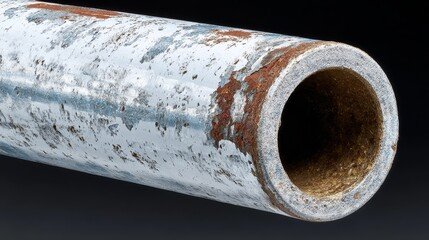
- Debris and Mineral Buildup: Hard water minerals, sand, or pipe scale can lodge beneath rubber check valve seats, preventing a tight seal and causing continuous weeping or internal pressure loss.
- Rubber Degradation: Intense heat and UV exposure—common for outdoor above-ground assemblies in South Florida—cause internal rubber components to harden, crack, or lose flexibility.
- Pressure Surges: Water hammer or severe pressure spikes can fatigue internal springs, distorting check valve alignment.
- Improper Installation Orientation: Installing an assembly outside its certified flow direction or failing to provide proper vertical/horizontal clearance prevents internal checks from seating correctly.
Safe Homeowner Checks vs. Professional Testing
While certified technicians must perform legal certification and internal mechanical repairs, property owners can perform safe visual and operational observations.
- Visual Inspections: Regularly check outdoor above-ground assemblies for physical damage, corrosion, active leaks from test cocks, or water discharging continuously from the central relief port.
- Protection Against Freezing and Weather: Although freezing temperatures are rare in Miami, outdoor assemblies should be shielded from lawn care equipment impacts, vehicle strikes, and intense UV degradation using approved protective enclosures.
- Never Modify Plumbing Connections: Never attach garden hoses directly to chemical sprayers, clear blocked drain lines with potable water supply connections, or tamper with test cocks on backflow assemblies.
Certified backflow testers use specialized differential pressure gauges to measure holding pressures across check valves and verify that relief valves open within designated safety parameters. Attempting to disassemble or adjust internal components without specialized training can compromise drinking water safety and violate municipal plumbing codes.
Cost Factors for Testing, Repair, and Replacement
When budgeting for backflow prevention maintenance, several variables influence overall service expenses:
- Access and Location: Assemblies installed below ground in valve vaults, high up on exterior walls, or within crowded mechanical rooms require more labor to access safely.
- Assembly Size and Type: Standard 3/4-inch residential irrigation preventers cost less to test and service than large 2-inch to 4-inch commercial reduced-pressure assemblies.
- Repair Scope: Minor testing and certification involve standard labor rates. If internal check valves or rubber seal kits require rebuilding due to scale or wear, parts replacement adds to the total cost.
- Compliance Documentation: Professional service typically includes filing required test reports with local water authorities or municipal compliance departments.
Frequently Asked Questions
- How often must backflow preventers be tested in Miami?
Most municipal and utility authorities across Miami-Dade County require commercial, industrial, and multi-family backflow assemblies to be tested annually. Requirements for residential irrigation systems vary by utility district, but annual verification remains standard best practice to ensure safety. - Why is water discharging from the relief valve on my backflow preventer?
A discharging relief valve on a Reduced Pressure Principle assembly usually indicates that debris is trapped under one of the internal check valves, or that incoming municipal water pressure has fluctuated wildly. If the relief valve continuously weeps or gushes, professional diagnosis is required. - Can I test my own backflow prevention assembly?
No. Legally recognized backflow testing and certification require specialized calibration gauges, state or regional certification credentials, and formal registration with the local water utility provider. - Who is responsible for backflow testing in a Miami condominium?
In condominiums and shared-property complexes, responsibility usually falls upon the Homeowners Association (HOA) or property management company for common-element assemblies, while individual unit owners may be responsible for specific fixtures depending on governing bylaws. - What happens if a backflow preventer fails its annual test?
If an assembly fails inspection, the certified technician must note the failure and outline necessary repairs. The property owner or manager is then given a designated timeframe to complete repairs or component replacements and submit a passing retest to the water authority to prevent service disconnection.