24-Hour Plumbing Emergency Miami: What to Check
Facing a plumbing emergency in Miami? Learn what to check, what to shut off, how to limit damage, and when to call a 24-hour plumber.

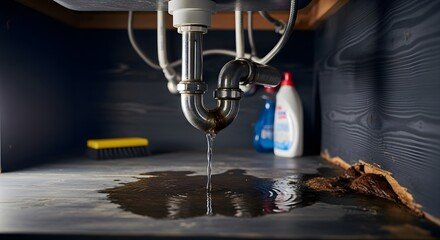
24-Hour Plumbing Emergency in Miami: What Should You Check Before Calling?
A plumbing emergency rarely happens at a convenient time. A pipe can burst late at night, a toilet can overflow on a weekend, or a water heater can suddenly begin leaking while everyone is asleep.
Before calling a 24-hour plumber in Miami, there are several things you can safely check. The goal is not to repair the plumbing yourself. It is to stop or reduce the immediate damage, identify useful information, and keep everyone safe until professional help arrives.
Common emergencies include burst pipes, major water leaks, sewer backups, overflowing toilets, failed water heaters, severe drain blockages, and plumbing leaks hidden behind walls.
Miami-Dade County also operates a separate 24-hour Water and Sewer emergency communications center for emergencies involving the public water/sewer system at 305-274-9272. Private-property plumbing problems generally require a private plumbing contractor.
What Counts as a Plumbing Emergency?
Not every plumbing problem requires an emergency call.
A dripping faucet may be able to wait until regular business hours. A pipe releasing gallons of water into your home usually cannot.
You should consider emergency plumbing service when a problem is causing or could quickly cause:
- Significant water damage
- Loss of water throughout the property
- Sewage exposure
- Flooding
- Structural damage
- An uncontrollable leak
- A failed water heater
- A major drain or sewer backup
- Water near electrical equipment
- A plumbing condition that cannot be safely isolated
The most important question is:
Can waiting several hours reasonably increase the risk of property damage or create a health or safety concern?
If the answer is yes, professional help should not be delayed.
What Should You Check Before Calling a 24-Hour Plumber?
You do not need to diagnose the entire plumbing system. A few basic observations can help the plumber understand what is happening.
Check Where the Water Is Coming From
Try to identify the general source without putting yourself in danger.
Look for water around:
- Toilets
- Sinks
- Water heaters
- Washing machines
- Exposed pipes
- Ceilings
- Walls
- Floor drains
- Appliances
If water is coming from inside a wall or ceiling, do not cut into the structure to investigate.
Determine Whether the Water Is Clean or Dirty
This distinction matters.
Clean-looking water may come from a supply pipe, water heater, faucet, or appliance connection.
Cloudy, brown, foul-smelling, or sewage-contaminated water may indicate a drain or sewer problem.
Avoid direct contact with suspected sewage.
Check Whether More Than One Fixture Is Affected
One clogged sink may indicate a localized drain problem.
If the toilet, bathtub, shower, and multiple sinks are backing up simultaneously, the problem may be farther down the drainage system.
Listen for Unusual Plumbing Sounds
Pay attention to:
- Hissing
- Rushing water
- Gurgling drains
- Banging pipes
- Repeated toilet filling
- Water running when everything is turned off
These observations can give a plumber useful clues.
Check Whether the Water Supply Can Be Shut Off
If you have a major clean-water leak, locate the main shutoff valve if you know where it is and can reach it safely.
For a localized problem, an individual fixture valve may be enough.
Do not force a stuck or severely corroded valve.
Should You Shut Off the Main Water?
For a major water-supply leak, shutting off the main water can help prevent additional water from entering the home's plumbing system.
You may need the main shutoff when:
- A pipe has burst
- A wall is actively leaking
- A supply line has failed
- A water heater is releasing water
- You cannot identify the source
- A fixture shutoff does not work
If the problem is limited to a toilet or sink and its individual valve works, you may only need to isolate that fixture.
Remember that shutting off the water does not repair the underlying problem.
What About Electricity During a Plumbing Emergency?
Water and electricity can create a dangerous combination.
If flooding reaches outlets, appliances, electrical panels, extension cords, or other electrical equipment, stay away from the affected area.
Do not walk through standing water to reach an electrical panel.
If power can be disconnected safely from a dry location, follow your property's safety procedures. Otherwise, wait for qualified assistance.
A plumbing emergency is not a good situation for experimenting with electrical systems.
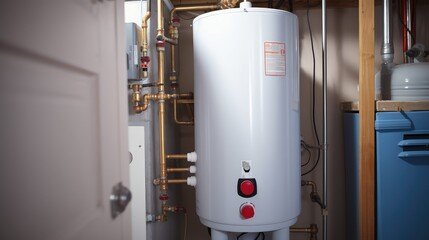
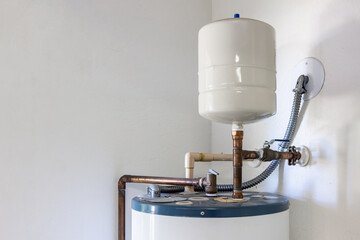
What Should You Check During a Water Heater Emergency?
If the water heater is leaking, determine whether water appears to be coming from:
- A supply connection
- A drain valve
- A pressure-relief valve
- A pipe connection
- The bottom of the tank
- Around an electrical component
Do not touch hot water or wet electrical components.
If it is an electric water heater and the electrical supply can be shut off safely from a dry location, it may be appropriate to switch off the circuit.
Gas water heaters require additional caution. If you smell gas, leave the area and contact the appropriate emergency or gas utility service from a safe location.
What Should You Check if a Toilet Is Overflowing?
An overflowing toilet can quickly damage flooring and spread contaminated water.
First, stop flushing.
If accessible, close the toilet's water supply valve.
Then determine whether:
- Only the toilet is affected
- The toilet drains slowly
- Other fixtures are backing up
- Sewage is coming from a floor drain
- The toilet continues filling after the valve is closed
If multiple fixtures are backing up, the problem may involve the main drain or sewer line rather than the toilet itself.
What Should You Do During a Sewer Backup?
A sewer backup should be treated differently from a clean-water leak.
Stop using:
- Toilets
- Sinks
- Showers
- Bathtubs
- Washing machines
- Dishwashers
Additional water entering the drainage system can increase the amount of wastewater backing up into the home.
Keep children and pets away from contaminated water.
Do not attempt to clean extensive sewage contamination without appropriate precautions.
If the problem involves the public sewer system, Miami-Dade County lists sewer backups among emergencies that can be reported to its Water and Sewer Department.
What Information Should You Give the Emergency Plumber?
A clear description can make the initial conversation more useful.
Tell the plumber:
- Your Miami location
- What happened
- When the problem started
- Where the water is located
- Whether the water is clean or contaminated
- Whether multiple fixtures are affected
- Whether you shut off the water
- Whether the leak is still active
- Whether electricity may be affected
- Whether the property is a house, condo, apartment, or commercial building
For example:
“A pipe began leaking behind the washing machine about 20 minutes ago. The main water has been shut off, the floor has about an inch of water, and no electrical outlets appear to be affected.”
That is much more useful than simply saying, “My plumbing is broken.”
What Pictures Should You Take?
If it is safe, take photographs before the plumber arrives.
Useful pictures include:
- The leaking pipe
- Water around the fixture
- Water heater
- Damaged flooring
- Wet walls or ceilings
- Shutoff valves
- Plumbing connections
- Overflowing drains
- Visible corrosion
- Damaged belongings
Do not place yourself in danger just to take photographs.
Common Miami Plumbing Emergencies
Burst Pipes
A burst pipe can release water rapidly and requires immediate attention.
Major Water Leaks
A failed supply line or plumbing connection can flood a room surprisingly quickly.
Sewer Backups
Sewer problems can introduce contaminated water and should be handled promptly.
Water Heater Leaks
A failed tank or connection can release substantial amounts of water.
Slab Leaks
A hidden water leak beneath a concrete slab can waste water and potentially damage flooring or other parts of the property.
Severe Drain Blockages
A main drain blockage can cause several fixtures to back up at once.
Overflowing Toilets
An uncontrolled toilet overflow can cause extensive floor damage, especially when wastewater is involved.
Signs You Should Never Ignore
Even if you are not currently facing a full emergency, certain warning signs deserve attention.
Unexplained High Water Bills
A sudden increase in water consumption can indicate a hidden leak. Miami-Dade County notes that leaking plumbing fixtures can contribute to increased water use.
Damp Walls or Ceilings
Moisture without an obvious source may indicate concealed plumbing.
Low Water Pressure
A sudden change can sometimes be associated with a leak, blockage, valve problem, or supply issue.
Gurgling Drains
Persistent gurgling can indicate drainage problems.
Sewage Odors
A recurring sewage smell should be investigated.
Water Stains
Brown or spreading stains on walls and ceilings can indicate ongoing moisture.
Repeated Drain Backups
Repeatedly clearing a drain without addressing the underlying cause can leave the larger problem unresolved.
Can You Fix a Plumbing Emergency Yourself?
Homeowners can safely perform a few basic emergency actions.
You can potentially:
- Shut off a fixture valve
- Shut off the main water supply
- Stop using plumbing
- Move valuables away from water
- Place a container under a small leak
- Document visible damage
- Clear people and pets from the affected area
However, avoid attempting major repairs involving:
- Hidden pipes
- Sewer lines
- Gas appliances
- Electrical components
- Underground pipes
- Pressurized main lines
- Severe water heater failures
A temporary patch may also fail under pressure and turn a manageable leak into a larger one.
Tools Professional Plumbers May Use
A professional emergency plumber may use specialized equipment depending on the problem.
Leak Detection Equipment
Helps locate certain hidden leaks without immediately opening walls or flooring.
Drain Cameras
Useful for inspecting sewer and drain lines for blockages, roots, cracks, or structural problems.
Pressure Testing Equipment
Can help evaluate water-supply plumbing and identify certain leak conditions.
Pipe Locators
Useful when underground plumbing needs to be located before excavation.
Hydro Jetting Equipment
Can remove certain types of buildup from appropriate drain and sewer lines.
Moisture Detection Equipment
Can help identify moisture that is not immediately visible.
Using the appropriate diagnostic equipment can help reduce unnecessary demolition and guesswork.
How Long Does Emergency Plumbing Repair Take?
There is no universal emergency repair time.
A loose connection may be repaired relatively quickly.
A burst pipe inside an accessible area may also be straightforward once the water is isolated.
A hidden sewer-line failure, slab leak, or underground pipe problem may require significantly more investigation.
Repair time depends on:
- Source of the problem
- Accessibility
- Pipe material
- Severity
- Required parts
- Diagnostic testing
- Excavation
- Property configuration
- Permit requirements
- Extent of water damage
Stopping the immediate leak and completing the permanent repair are not always the same step.
What Affects the Cost of Emergency Plumbing?
Avoid relying on a generic emergency plumbing price.
Plumbing repair costs vary depending on the severity of the problem, accessibility, materials required, emergency service, property type, and local labor rates.
Additional cost factors may include:
- Diagnostic fees
- After-hours service
- Labor
- Replacement parts
- Leak detection
- Drain cleaning
- Camera inspection
- Pipe replacement
- Excavation
- Water heater replacement
- Permit costs, if applicable
- Water-damage restoration
Before approving major work, ask what failed, what repair is recommended, and what the estimate includes.
Hidden Truths Miami Homeowners Should Know
The First Leak You See May Not Be the Actual Source
Water can travel behind walls and beneath flooring before appearing somewhere else.
Emergency Calls Do Not Always Mean Full Replacement
A leaking connection or valve may be repairable.
Repeated Emergencies Usually Have a Reason
Recurring failures can indicate aging pipes, corrosion, pressure problems, poor installation, or deteriorating sewer lines.
A Shutoff Valve Is Only Useful If You Can Reach It
Know where your main and individual shutoffs are before an emergency happens.
Water Damage Continues After the Leak Stops
Drywall, flooring, cabinets, insulation, and other materials may retain moisture.
Sewer Water Requires Extra Caution
Contaminated water should not be treated like ordinary clean water.
Cheap Temporary Repairs Can Become Expensive
Improvised patches may fail and cause additional damage.
Local Infrastructure Matters
Miami-Dade has separate procedures for emergencies involving public water and sewer infrastructure. Private-property plumbing problems are generally the property owner's responsibility.
15 Common Mistakes Homeowners Make
- Waiting too long to shut off the water — Additional water increases damage.
- Trying to repair a pressurized pipe — Isolate the water first.
- Ignoring electrical hazards — Never enter unsafe standing water.
- Continuing to use plumbing during a sewer backup — This can increase wastewater flow.
- Forcing a stuck shutoff valve — It can break.
- Using chemical drain cleaners repeatedly — They may not solve a main-line problem.
- Assuming the visible leak is the source — Water can travel.
- Ignoring water heater leaks — A tank failure can release significant water.
- Attempting gas repairs — Gas-related work requires appropriate qualifications.
- Failing to photograph damage — Documentation can be useful.
- Hiring without asking what caused the problem — Diagnosis matters.
- Choosing a contractor solely by the lowest quote — Experience and qualifications matter.
- Ignoring recurring backups — The underlying blockage may remain.
- Waiting until regular hours when serious damage is occurring — Delay can increase losses.
- Not knowing the main shutoff location — Locate it before an emergency.
Maintenance Tips to Reduce Emergency Plumbing Problems
- Locate your main water shutoff.
- Make sure the valve is accessible.
- Know where individual fixture valves are.
- Inspect exposed pipes regularly.
- Check under sinks.
- Inspect toilet supply lines.
- Check washing-machine hoses.
- Look around the water heater for moisture.
- Monitor unusual water-bill increases.
- Never flush wipes or unsuitable materials.
- Avoid pouring grease down drains.
- Address slow drains early.
- Investigate recurring backups.
- Watch for water stains.
- Check for musty odors.
- Keep floor drains clear.
- Have older plumbing professionally inspected.
- Consider appropriate sewer backflow protection.
- Prepare plumbing before severe weather.
- Keep your plumber's phone number readily available.
When Should You Call a 24-Hour Emergency Plumber?
Call immediately when the plumbing problem is actively causing significant damage or cannot be safely controlled.
Examples include:
- Burst pipes
- Major water leaks
- Sewer backups
- Flooding
- Failed water heaters
- Overflowing toilets
- Severe drain backups
- Hidden wall leaks
- Slab leaks
- Failed main shutoff valves
Miami's weather can also create additional water-related challenges during periods of heavy rainfall and tropical weather, making it particularly important to distinguish stormwater intrusion from a private plumbing leak.
If the problem involves Miami-Dade County's public water or sewer infrastructure, the county's Water and Sewer Department provides a 24-hour emergency communications center at 305-274-9272.
For an immediate life-safety emergency, Miami-Dade County advises calling 911.
People Also Ask About 24-Hour Plumbing Emergencies in Miami
What should I check before calling an emergency plumber?
Identify where the water is coming from, determine whether it is clean or contaminated, check whether multiple fixtures are affected, and shut off the water if safe.
Should I shut off my main water during a plumbing emergency?
If a major water-supply leak is occurring and you can safely access the main valve, shutting it off can limit additional water damage.
What plumbing problems are considered emergencies?
Burst pipes, major leaks, sewer backups, uncontrolled flooding, severe drain backups, and certain water heater failures are common emergencies.
How do I know if my sewer line is backing up?
Multiple fixtures backing up at once, sewage odors, gurgling drains, and wastewater coming from low-level drains can indicate a sewer problem.
What should I do if my water heater is leaking?
Shut off the water supply if safe, handle the electrical or gas supply appropriately, stay away from hot or energized components, and contact a qualified plumber.
Can a clogged drain become an emergency?
Yes. A severe blockage can cause wastewater to back up and flood the property.
Should I call a plumber if I have low water pressure?
A sudden or severe drop in pressure deserves investigation, particularly if it affects the entire property or occurs with other symptoms.
How quickly can a plumbing emergency cause damage?
A pressurized pipe or major supply-line failure can cause significant water damage very quickly. The faster the water source is controlled, the better.
What should I ask an emergency plumber before approving repairs?
Ask what caused the problem, what repair is recommended, whether the price includes diagnosis and parts, and whether additional work may be necessary.
Who handles public water emergencies in Miami-Dade?
Miami-Dade County's Water and Sewer Department operates a 24-hour emergency communications center at 305-274-9272 for qualifying public water and sewer emergencies.
Voice Search Questions
“What should I do before calling a 24-hour plumber in Miami?”
Stop using affected fixtures, identify the general source, shut off the water if safe, stay away from electrical hazards, and document the problem.
“Should I turn off my water if a pipe bursts?”
Yes. If you can safely access the main shutoff, closing it can help stop additional water from entering the system.
“What do I do if my toilet is overflowing?”
Stop flushing and close the toilet's supply valve if accessible. If other fixtures are backing up, stop using the plumbing and call a professional.
“How do I know if I have a plumbing emergency?”
If water is actively flooding your property, sewage is backing up, a pipe has burst, or waiting could cause significant damage or a safety risk, treat it as an emergency.
“Who do I call for a water main emergency in Miami?”
For a private-property plumbing emergency, contact a qualified plumber. For a public water or sewer emergency handled by Miami-Dade County, call 305-274-9272.
Why Choose plumbersinmiamiflorida?
When a plumbing emergency occurs, homeowners need accurate information before approving repairs.
plumbersinmiamiflorida serves homeowners and property owners in Miami and surrounding communities. When selecting an emergency plumbing company, ask about applicable licensing, emergency availability, the cause of the problem, recommended repairs, and the estimate before approving major work.
Business Name: plumbersinmiamiflorida
Phone: (844) 973-0400
Website: plumbersinmiamiflorida
Serving Miami and Miami-Dade County
Emergency plumbing problems can happen throughout Miami and Miami-Dade County, including Brickell, Coral Gables, Coconut Grove, Little Havana, Kendall, Doral, Miami Beach, Hialeah, and surrounding communities.
Different properties have different plumbing layouts. Older homes, modern houses, condominiums, apartments, and commercial buildings may require different diagnostic and repair approaches.
Final Thoughts
A 24-hour plumbing emergency can be stressful, but a few simple steps can make the situation easier to manage.
Stop the water when appropriate. Stay away from electrical hazards. Stop using plumbing during a suspected sewer backup. Document the damage if safe. Then call a qualified professional.
Do not attempt complicated repairs simply because it is after hours. A temporary DIY fix that fails can turn a manageable plumbing problem into extensive water damage.
For private plumbing emergencies in Miami, contact plumbersinmiamiflorida at (844) 973-0400.
For qualifying public water and sewer emergencies, Miami-Dade County's 24-hour emergency communications center is 305-274-9272.