Why Does My Water Heater Make Popping Sounds in Miami?
Learn why your water heater makes popping or rumbling sounds, what causes them, warning signs, repair options, and when to call a Miami plumber

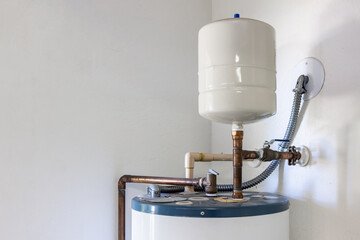
Why Does My Water Heater Make Popping or Rumbling Sounds?
Hearing a popping, cracking, banging, or rumbling sound from your water heater can be concerning, especially when the noise appears whenever the system heats water.
In many traditional tank-style water heaters, these sounds are associated with sediment or mineral buildup inside the tank. As water heats, trapped water beneath sediment can turn into steam and escape through the deposits, producing popping or rumbling noises.
However, sediment is not the only possible explanation. Loose components, heating-element problems, excessive water pressure, temperature issues, or other plumbing conditions can also contribute to unusual sounds.
A noisy water heater does not automatically mean it needs replacement. The important question is what is causing the noise and whether the condition is affecting the heater's performance or safety.
What Causes a Water Heater to Make Popping Sounds?
Sediment Buildup
Sediment is one of the most common causes of popping sounds in tank-style water heaters.
Minerals can settle at the bottom of the tank. When the burner or heating element heats the water, the sediment can trap small amounts of water underneath it.
That trapped water may boil and release steam through the sediment, creating popping or crackling noises.
Mineral Deposits
Hard or mineral-rich water can contribute to deposits inside plumbing equipment.
Over time, these deposits may affect heating efficiency and contribute to unusual sounds.
Heating Element Problems
Electric water heaters use heating elements to heat the water.
If an element has mineral deposits around it, the element may produce unusual sounds as it operates.
Loose Components
A loose pipe, fitting, bracket, or other component may vibrate when the system heats or water pressure changes.
Excessive Water Pressure
High water pressure can contribute to noises throughout a plumbing system.
If the water heater is noisy along with banging pipes, leaking fixtures, or pressure-related problems, the home's water pressure should be evaluated.
Why Does My Water Heater Make a Rumbling Sound?
A low rumbling sound can also be associated with sediment buildup.
The sound may occur as heated water moves through deposits inside the tank.
Other possible causes include:
- Mineral accumulation
- Heating-element issues
- Loose components
- Water movement
- Pressure changes
- Normal operating sounds
The timing of the noise can provide useful clues.
If it happens mainly when the heater is actively heating water, sediment or heating-related conditions may be more likely.
Is a Popping Water Heater Dangerous?
A popping sound by itself does not necessarily mean the water heater is dangerous.
However, unusual noises should not be ignored when they are accompanied by:
- Water leaks
- Strong burning smells
- Gas odors
- Excessive pressure
- Steam
- Overheating
- Discolored water
- Sudden loss of hot water
- Frequent shutdowns
- Significant corrosion
A qualified plumber can determine whether the sound is a maintenance issue or evidence of a more serious problem.
If you smell gas, leave the area and contact the appropriate emergency or gas utility service rather than attempting to troubleshoot gas equipment yourself.
Why Does Sediment Build Up Inside a Water Heater?
Minerals naturally present in water can settle inside a tank.
Over time, repeated heating cycles can encourage deposits to accumulate.
Sediment buildup can be influenced by:
- Water quality
- Mineral content
- Water-heater age
- Maintenance history
- Household usage
- Tank design
The longer deposits remain inside the tank, the more they can interfere with efficient heat transfer.
What Problems Can Sediment Cause?
Sediment is not simply a noise problem.
Significant buildup may contribute to:
Reduced Efficiency
The heating system may need to work harder to transfer heat through the sediment layer.
Longer Heating Times
The water may take longer to reach the desired temperature.
Reduced Hot-Water Availability
A heavily affected tank may not provide the same usable hot-water capacity.
Increased Energy Consumption
Reduced heating efficiency can contribute to higher operating costs.
Component Stress
Deposits can contribute to additional stress on heating elements and other components.
Premature Equipment Failure
Severe buildup and continued operation under poor conditions may shorten equipment life.
How Do I Know If Sediment Is the Problem?
A plumber will consider several factors rather than diagnosing sediment based solely on sound.
Useful clues include:
- Popping occurs while the heater is operating.
- The heater is several years old.
- Hot water takes longer to recover.
- The tank produces less hot water than before.
- The heater has not received recommended maintenance.
- There is visible corrosion or other deterioration.
A professional inspection can help determine whether sediment is present and whether maintenance is appropriate.
Can You Flush a Noisy Water Heater?
Water-heater flushing can sometimes help reduce sediment buildup, but it is not appropriate to assume every older or noisy water heater should simply be flushed.
The condition of the heater matters.
For example, an older unit with significant corrosion may require additional evaluation before maintenance is performed.
The manufacturer may also specify particular maintenance procedures.
If you are unsure about the condition of your water heater, have a qualified plumber evaluate it.
Can I Fix a Popping Water Heater Myself?
Homeowners can safely observe the symptoms and check for obvious signs of leaks from a dry, safe area.
You can also:
- Note when the noise occurs.
- Check whether hot-water performance has changed.
- Look for visible leaks.
- Check the age of the unit.
- Review the manufacturer's maintenance information.
Avoid opening gas components, electrical panels, or safety devices.
Water heaters can involve hot water, electricity, gas, and pressure, making internal repairs inappropriate for most homeowners.
Step-by-Step Professional Diagnosis
Step 1: Listen to the Noise
The plumber identifies whether the sound is popping, rumbling, banging, hissing, or another type of noise.
Step 2: Determine When It Occurs
The technician checks whether the sound occurs during heating, water use, or pressure changes.
Step 3: Inspect the Water Heater
The tank, connections, valves, and surrounding area are inspected.
Step 4: Evaluate Sediment
The plumber considers the age, maintenance history, water conditions, and symptoms associated with sediment buildup.
Step 5: Check Components
Depending on the heater type, heating elements, thermostats, burners, and other components may be evaluated.
Step 6: Check Water Pressure
Pressure testing may be appropriate when pressure-related problems are suspected.
Step 7: Recommend Maintenance or Repair
The homeowner should receive an explanation of the likely cause and available options.
Step 8: Test the System
After service, the heater should be checked for proper operation and abnormal conditions.
Tools Professionals Use
Pressure Gauge
A pressure gauge helps identify excessive household water pressure.
Electrical Testing Equipment
Qualified technicians can use appropriate electrical testing equipment on electric water heaters.
Temperature Testing Equipment
Temperature measurements help determine whether the heater is operating appropriately.
Inspection Equipment
Professionals can inspect accessible components, connections, valves, and the surrounding plumbing.
Leak Detection Equipment
When water loss is suspected, appropriate leak-detection methods can help locate the source.
How Long Does Water Heater Noise Repair Take?
The repair timeline depends on the cause.
A minor loose connection or component issue may be addressed relatively quickly.
Maintenance involving sediment can take longer depending on the condition and accessibility of the water heater.
If the heater has significant deterioration or a failed tank, replacement requires additional time.
Factors include:
- Water-heater type
- Equipment age
- Accessibility
- Sediment level
- Required parts
- Plumbing configuration
- Electrical or gas connections
- Equipment availability
- Permit requirements, if applicable
What Affects the Cost?
There is no reliable fixed price for diagnosing or repairing a noisy water heater.
Plumbing repair costs vary depending on the severity of the problem, accessibility, materials required, emergency service, property type, and local labor rates.
Potential cost factors include:
- Diagnostic service
- Maintenance
- Replacement components
- Labor
- Water-heater replacement
- Plumbing modifications
- Electrical work
- Gas or venting requirements
- Equipment
- Permit costs, if applicable
- Emergency service
Ask the plumber to explain the recommended work before approving it.
Repair or Replace a Noisy Water Heater?
Repair or Maintenance May Make Sense When:
- The tank is structurally sound.
- The problem is related to sediment.
- A component can be replaced.
- The heater is otherwise reliable.
- There is little corrosion.
Replacement May Be Worth Considering When:
- The tank is leaking.
- Corrosion is extensive.
- The heater is nearing the end of its expected service life.
- Multiple components are failing.
- Hot-water performance has declined significantly.
- Repairs are becoming frequent.
A popping noise alone is not enough reason to replace a water heater.
Hidden Truths Homeowners Should Know
Noise Can Be an Early Warning
A water heater may continue producing hot water even while sediment or component problems are developing.
A Quiet Heater Is Not Necessarily a Healthy Heater
Not every water-heater problem creates noise. Regular inspection still matters.
Sediment Does More Than Make Noise
It can affect efficiency and heating performance.
Maintenance Is Not a Guarantee
Proper maintenance can help reduce preventable problems, but no maintenance program guarantees a particular lifespan.
Older Units Need Individual Evaluation
Age, corrosion, repair history, and tank condition should all be considered.
DIY Repairs Can Make Problems Worse
Incorrectly handling valves, electrical components, gas equipment, or pressure devices can create additional hazards.
Emergency Replacement Is More Disruptive
Replacing an aging heater before a complete failure can give homeowners more time to evaluate suitable equipment.
15 Common Mistakes Homeowners Make
- Ignoring popping sounds — The noise may indicate sediment or another developing issue.
- Assuming every noise means replacement — Some problems are repairable.
- Flushing an extremely old heater without evaluation — Its condition should be considered first.
- Ignoring leaks — Leaks can cause significant property damage.
- Ignoring high water pressure — Excessive pressure can stress plumbing components.
- Increasing the temperature unnecessarily — Higher temperatures can increase scalding risk.
- Opening electrical panels — Electrical work should be performed by qualified professionals.
- Working on gas components — Gas service requires appropriate qualifications.
- Disabling safety valves — Safety devices should never be bypassed.
- Ignoring reduced hot-water supply — Performance changes can indicate a developing problem.
- Waiting until complete failure — Emergency replacement can be inconvenient and disruptive.
- Using the wrong maintenance procedure — Follow manufacturer recommendations.
- Replacing a heater without diagnosis — The actual issue may be repairable.
- Choosing replacement equipment based only on price — Capacity and installation requirements matter.
- Skipping future maintenance — A new water heater still requires appropriate care.
Water Heater Maintenance Tips
- Listen for changes in operating sounds.
- Check for leaks around the heater.
- Look for visible corrosion.
- Monitor hot-water availability.
- Pay attention to longer heating times.
- Follow manufacturer maintenance recommendations.
- Have sediment buildup evaluated when appropriate.
- Monitor household water pressure.
- Keep the heater accessible.
- Keep electrical components dry.
- Never disable safety devices.
- Address leaks promptly.
- Have aging equipment professionally inspected.
- Keep records of repairs.
- Monitor unusual energy consumption.
- Check connections during routine home maintenance.
- Watch for temperature fluctuations.
- Know where the water shutoff is located.
- Plan for eventual replacement of aging equipment.
- Schedule professional service when unusual symptoms persist.
When Should You Call an Emergency Plumber?
A noisy water heater usually does not require emergency service by itself.
However, call for immediate plumbing assistance when unusual sounds are accompanied by:
- A major water leak
- Flooding
- Water near electrical equipment
- Steam
- Extremely hot water
- A burst connection
- Rapidly worsening leaks
- Serious corrosion
- A suspected gas leak
If you smell gas, leave the property and contact the appropriate emergency or gas utility service.
People Also Ask
Why does my water heater make popping sounds?
Popping sounds are commonly associated with sediment or mineral buildup inside a tank-style water heater, although other problems can also cause noise.
Why does my water heater make a rumbling noise?
Rumbling can occur when heated water moves through sediment buildup or when components vibrate during operation.
Is a popping water heater dangerous?
The sound itself does not necessarily indicate danger, but it should be investigated if accompanied by leaks, overheating, gas odors, or other abnormal symptoms.
Can sediment damage a water heater?
Significant sediment buildup can reduce heating efficiency, increase operating time, and contribute to component stress.
How do I stop my water heater from popping?
The appropriate solution depends on the cause. If sediment is responsible, professional maintenance may help. The condition of an older heater should be evaluated before maintenance.
Should I replace my water heater if it makes noise?
Not necessarily. A popping or rumbling sound alone does not automatically mean replacement is necessary.
Can hard water make a water heater noisy?
Mineral-rich water can contribute to deposits that may produce popping or rumbling sounds in tank-style heaters.
How often should a water heater be maintained?
Maintenance requirements vary by equipment and manufacturer. Follow the manufacturer's recommendations and have the system evaluated when performance or noise changes.
Can high water pressure make a water heater noisy?
Excessive pressure can contribute to plumbing noises and stress on components. Pressure should be professionally evaluated when suspected.
How long does a water heater last?
Traditional tank water heaters commonly last around 8–12 years, although actual lifespan varies with installation, maintenance, usage, water conditions, and equipment quality.
Voice Search Questions
“Why is my water heater popping when it heats?”
Sediment or mineral buildup is a common cause. Heated water can become trapped beneath deposits and create popping sounds as it boils.
“Is it normal for a water heater to rumble?”
Some operating sounds are normal, but persistent or increasingly loud rumbling should be evaluated, especially if other symptoms appear.
“How do I get rid of sediment in my water heater?”
The appropriate maintenance method depends on the heater's condition and manufacturer instructions. A qualified plumber can determine whether flushing or other service is appropriate.
“Can a noisy water heater explode?”
A noise alone does not mean a water heater is going to explode. Properly functioning safety components are important, and serious pressure, gas, or overheating concerns require professional attention.
“When should I call a plumber for a noisy water heater?”
Call a plumber if the noise is persistent, becoming louder, or accompanied by leaks, reduced hot water, corrosion, pressure problems, or other unusual symptoms.
Why Choose plumbersinmiamiflorida?
A noisy water heater should be diagnosed rather than automatically replaced.
plumbersinmiamiflorida helps homeowners and property owners in Miami and surrounding communities investigate water-heater noises and related plumbing problems.
When requesting service, ask the plumber to explain:
- What is causing the noise
- Whether sediment is involved
- Whether the heater is structurally sound
- Whether maintenance is appropriate
- Whether components need repair
- Whether replacement should be considered
- What the estimate includes
Business Name: plumbersinmiamiflorida
Phone: (844) 973-0400
Website: https://plumbersinmiamiflorida.com/
Serving Miami and Miami-Dade County
Water heater problems can occur throughout Miami and Miami-Dade County, including Brickell, Coral Gables, Coconut Grove, Little Havana, Kendall, Doral, Miami Beach, Hialeah, and nearby communities.
Homes and condos may have different water-heater types, plumbing configurations, water conditions, and maintenance histories. Professional evaluation can help identify the actual cause instead of relying on assumptions.
Final Thoughts
If your water heater makes popping or rumbling sounds, sediment buildup is one possibility, but it is not the only one.
The sound may be related to mineral deposits, heating components, loose parts, water pressure, or another condition. Pay particular attention if the noise is accompanied by leaks, reduced hot-water availability, corrosion, or other changes in performance.
Addressing unusual sounds early can help you understand the condition of the water heater before a more disruptive failure occurs.