Why a Refrigerator Water Line Keeps Leaking | Expert Guide
Discover the exact physical mechanisms behind why refrigerator water lines leak, from saddle valve corrosion to compression fitting failures.

Direct Answer & Physical System Mechanics
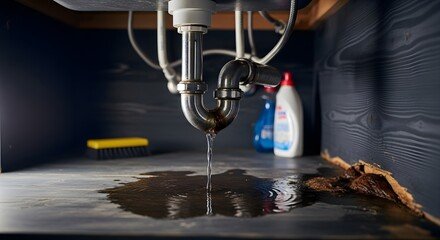
A refrigerator water line keeps leaking primarily due to compromised compression fittings, degraded plastic supply tubing, micro-fractures caused by constant thermal expansion, or failing saddle valves installed on the home supply pipe. When the ice maker cycles or water dispenser activates, transient pressure spikes place mechanical stress on rigid polyethylene or copper lines. Over time, even microscopic shifts from pushing the refrigerator back into its alcove can shear or loosen threaded fittings.
From a hydraulic standpoint, refrigerator lines typically tap into a pressurized domestic water supply running between 40 and 80 PSI. When a fitting has improper torque—either overtightened, which crushes the brass ferrule, or undertightened—water finds a micro-pathway to escape under continuous pressure. Unlike high-flow drain lines, a leaking water supply line introduces a continuous, pressurized drip that silently damages subflooring and baseboards over weeks or months.
Establishing diagnostic boundaries helps isolate the issue. If moisture collects exclusively beneath the crisper drawers or inside the fresh food compartment, the culprit is usually a clogged internal defrost drain rather than the external water supply line. However, if pooling occurs on the kitchen floor directly behind or beneath the refrigerator kickplate, the fault lies entirely within the external supply tubing, shutoff valve, or inlet water valve assembly.
Overlooked Trade Secrets and South Florida Factors
Homeowners often misinterpret where water originates due to gravity runs along subfloor gradients and drywall cavities. A slow leak originating from a refrigerator feed line can travel underneath vinyl plank flooring or tile grout lines, surfacing several feet away near a kitchen island or pantry before it is noticed.
In South Florida homes, particularly in coastal zones like Miami Beach, Brickell, and Coral Gables, high ambient humidity and aggressive coastal air accelerate galvanic and chemical corrosion on exposed metal fittings. Brass saddle valves—frequently installed by builders or appliance installers to tap into copper or CPVC lines—are notorious failure points. Over a few years, mineral deposits and moisture cause saddle valve gaskets to petrify and crack, leading to sudden, uncontrolled leaks.
Furthermore, static water pressure (PSI) fluctuates dynamically based on municipal supply demands and local booster pumps in high-rise condominium towers. High-rise developments across Miami-Dade often maintain elevated static pressure to push water to upper floors, requiring calibrated Pressure Reducing Valves (PRVs). If a residential PRV fails, pressure surges can easily rupture aging plastic refrigerator supply lines.
Safe Homeowner Triage vs. Dangerous DIY Boundaries
Before attempting any diagnostic or repair steps, homeowners must locate and test the dedicated water shutoff valve for the refrigerator. This is typically located under the kitchen sink, in the basement, or via a saddle valve clamped onto a nearby copper pipe.
Safe Homeowner Steps
- Locate the Shutoff: Turn the dedicated supply valve clockwise to stop the water flow immediately if a leak is detected.
- Inspect the Line Visuals: Pull the refrigerator forward carefully while monitoring the supply line to ensure it is not pinched or taut.
- Check Compression Nuts: Hand-check accessible threaded connections behind the unit to see if a nut has vibrated loose, keeping in mind not to wrench down forcefully on plastic fittings.
- Monitor the Floor: Wipe up standing water completely and place dry paper towels beneath the connection points to pinpoint the exact drip source during the next ice maker cycle.
Explicit Warnings
- Never Force Plastic Threads: Overtightening plastic compression nuts on modern refrigerator inlet valves strips the threads instantly and can crack the plastic housing.
- Avoid Reusing Old Copper Tubing: Old copper work-hardens and becomes brittle; attempting to bend or adjust it repeatedly can cause a hairline fracture.
- Mind Electrical Hazards: Never probe behind a leaking refrigerator while standing in pooled water without first shutting off power at the circuit breaker if electrical cords are exposed to moisture.
Realistic Repair Approaches and Decision Support
Repairing a leaking refrigerator water line requires evaluating the type of material currently installed. Outdated plastic or poly-tube lines should be entirely replaced rather than patched with tape or temporary sleeves. Modern braided stainless steel supply lines offer superior burst resistance and durability against rodent damage and mechanical pinching.
| Symptom / Condition | Probable Root Cause | Recommended Corrective Action |
|---|---|---|
| Dripping at the wall shutoff | Degraded packing nut or failed saddle valve | Replace saddle valve with a quarter-turn ball valve |
| Bulge or pin-hole in the tube | Material fatigue or chemical degradation | Replace entire line with braided stainless steel tubing |
| Pooling at rear inlet valve | Cracked plastic compression nut or valve body | Replace inlet valve assembly and check water pressure |
| Intermittent floor dampness | Improperly seated push-to-connect fitting | Trim clean square edge on tubing and reinsert fully |
When planning repairs in Miami-Dade County, property type heavily dictates the complexity. High-rise condominiums in areas like Brickell or Doral often require coordinating water shutoffs for entire riser stacks or specific floor banks before cutting into supply lines. Townhomes and single-family residences typically have dedicated isolation valves, making DIY replacement straightforward. However, if subfloor damage or mold has developed due to a long-standing hidden leak, professional remediation and structural drying equipment are necessary.
Frequently Asked Questions
Why does my new refrigerator water line leak at the push-to-connect fitting?
Push-to-connect (John Guest style) fittings require the plastic tubing to be cut with a clean, perfectly square edge. If the tube has a burr, is cut at an angle, or is not pushed past the internal O-ring until it seats firmly, water will bypass the seal under pressure.
Can I use a saddle valve for a new refrigerator water line installation?
Plumbing codes in many jurisdictions discourage or prohibit saddle valves because they pierce the pipe and have a high long-term failure rate. A soldered or compression-fit quarter-turn tee valve is the preferred, code-compliant standard for safety and reliability.
How often should a refrigerator water supply line be replaced?
Standard plastic or flexible vinyl tubing should be replaced every 3 to 5 years. Braided stainless steel supply lines last significantly longer—typically 8 to 10 years—but should still be inspected annually for outer mesh fraying or moisture accumulation at the crimps.
Why is water leaking from the bottom of the refrigerator when the ice maker runs?
This is usually caused by a cracked fill cup, an overfilling ice mold splashing water down the back chute, or a loose connection at the plastic water inlet valve located behind the lower rear access panel of the refrigerator.
Does high water pressure cause refrigerator supply lines to rupture?
Yes. Water pressures exceeding 80 PSI place continuous, excessive stress on refrigerator solenoid valves and flexible tubing. Installing a pressure reducing valve (PRV) or a dedicated water hammer arrestor protects the appliance from pressure surges.