Why Is My Water Heater Taking Too Long to Heat Water?
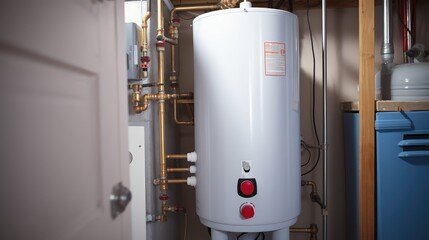
If your water heater is taking longer than usual to produce hot water, the problem may be caused by sediment buildup, a failing heating element, thermostat issues, incorrect temperature settings, or an undersized water heater. In some cases, the problem can also indicate a more serious component failure.
For Miami homeowners, understanding why hot water is taking too long can help prevent higher energy bills, water waste, and an unexpected water heater breakdown.
Common Reasons Your Water Heater Is Heating Slowly
1. Sediment Buildup Inside the Tank
Sediment is one of the most common causes of poor water heater performance.
Minerals and debris can settle at the bottom of a tank-style water heater. Over time, this layer can reduce heating efficiency and make the unit work harder to heat the water.
Sediment buildup may also cause:
- Longer heating times
- Popping or rumbling sounds
- Reduced hot water capacity
- Higher energy consumption
- Premature tank damage
Professional water heater flushing can help remove accumulated sediment when appropriate.
2. A Failing Heating Element
Electric water heaters typically use heating elements to heat the water. If one element fails, the unit may still produce some hot water but take much longer to recover.
You may notice that the water starts hot but becomes lukewarm quickly or that the heater struggles to keep up with normal household demand.
A professional can test the heating elements and determine whether replacement is necessary.
3. Thermostat Problems
The thermostat controls the water temperature inside the heater. If it is malfunctioning or incorrectly adjusted, the water may not reach the desired temperature efficiently.
A faulty thermostat can also cause inconsistent temperatures.
Because water heater temperatures can create a scalding hazard, homeowners should avoid making major thermostat adjustments without understanding the manufacturer's recommended settings.
4. The Temperature Setting Is Too Low
Sometimes the water heater is working correctly but the temperature setting is lower than expected.
If the thermostat has been adjusted, accidentally changed, or incorrectly calibrated, the water may take longer to feel hot at the faucet.
Check the manufacturer's recommended temperature range before making adjustments.
5. The Water Heater Is Too Small
A water heater that is undersized for your household may struggle to provide enough hot water.
For example, if several people shower, wash dishes, and run laundry at approximately the same time, the hot water supply can be depleted faster than the heater can recover.
Signs that your water heater may be undersized include:
- Hot water runs out frequently
- Recovery takes a long time
- Multiple fixtures cannot receive hot water simultaneously
- The problem has existed since the unit was installed
A plumber can evaluate household demand and determine whether a larger tank or tankless system would be appropriate.
6. A Broken Dip Tube
Tank-style water heaters use a dip tube to direct incoming cold water toward the bottom of the tank.
If the dip tube becomes damaged or deteriorates, cold water can mix with hot water near the top of the tank. This may result in lukewarm water and reduced hot water availability.
This problem can be difficult to diagnose without professional inspection.
7. A Plumbing Mixing Valve Problem
A malfunctioning tempering or mixing valve can cause hot and cold water to mix incorrectly.
If the water heater itself is producing sufficiently hot water but the water at the fixtures remains lukewarm, the problem may be somewhere in the plumbing system rather than inside the heater.
8. Long or Poorly Insulated Hot Water Pipes
Sometimes the water heater is functioning normally, but hot water takes a long time to travel to distant fixtures.
Long pipe runs can result in longer wait times, particularly if the pipes are poorly insulated.
This can be especially noticeable when a bathroom or kitchen is located far from the water heater.
Why Is My Water Heater Taking Longer Than It Used To?
A gradual increase in heating time often points toward aging components, sediment accumulation, declining efficiency, or developing mechanical problems.
If the water heater used to provide hot water quickly but now takes significantly longer, don't assume the change is simply because the unit is getting older. A professional inspection can identify whether maintenance or repair could restore performance.
Why Is My Electric Water Heater Heating Slowly?
For an electric water heater, common causes include:
- Failed heating element
- Faulty thermostat
- Sediment accumulation
- Electrical supply problems
- Incorrect temperature setting
- Aging components
If the water heater is not receiving the correct electrical power, the heating system may not operate properly. Electrical diagnosis should be performed by a qualified professional.
Why Is My Gas Water Heater Taking Too Long to Heat?
Gas water heaters may heat slowly because of burner problems, sediment buildup, thermostat issues, restricted airflow, or other component failures.
A weak or malfunctioning burner can prevent the tank from heating efficiently.
Because gas appliances involve combustion and gas connections, homeowners should not attempt to disassemble or repair the burner system themselves.
What Can You Check Yourself?
There are a few basic things homeowners can safely observe before calling a plumber.
Check whether:
- The problem affects every hot water fixture
- The issue happens at certain times of day
- The water is hot initially but becomes cold quickly
- The water heater is making unusual noises
- The unit is leaking
- The thermostat setting appears normal
- The water heater is displaying an error code, if applicable
Avoid opening electrical panels, working on gas components, or bypassing safety controls.
How a Plumber Diagnoses a Slow Water Heater
A professional water heater inspection may include checking the thermostat, heating elements or burner, electrical connections, water temperature, pressure, valves, sediment accumulation, and other components.
For tank-style units, the plumber may also evaluate the condition of the tank and determine whether flushing or repair is appropriate.
The goal is to identify the actual cause rather than replacing the water heater unnecessarily.
How Long Should a Water Heater Take to Heat?
Heating time varies depending on the type and size of the water heater, incoming water temperature, energy source, heating capacity, and amount of water being heated.
A properly functioning heater should recover according to its design specifications. If your unit suddenly takes substantially longer than it normally did, that change is worth investigating.
Water Heater Repair vs. Replacement
Repair may make sense when the problem involves a replaceable component such as a thermostat or heating element.
Replacement may be more practical when the water heater is older, the tank is leaking, corrosion is extensive, repairs are becoming frequent, or the unit is no longer meeting household demand.
The age and condition of the water heater should be considered alongside repair costs and expected remaining service life.
When Should You Call a Plumber?
Contact a professional if your water heater consistently takes too long to heat, produces lukewarm water, runs out of hot water unusually quickly, makes loud noises, leaks, or repeatedly develops problems.
If you notice a significant water leak, flooding around the unit, a gas odor, burning smells, or other potentially dangerous conditions, treat the situation as urgent and follow appropriate safety procedures.
Frequently Asked Questions
Why does my water heater take hours to heat?
Possible causes include sediment buildup, a failed heating element, thermostat problems, burner issues, insufficient power, or an undersized water heater.
Why do I have hot water but it takes a long time to arrive?
The water heater may be functioning normally. Long plumbing runs, poor pipe insulation, or plumbing configuration can increase the wait time.
Can sediment make a water heater heat slowly?
Yes. Significant sediment accumulation can reduce heating efficiency and increase recovery time.
Should I replace my water heater if it heats slowly?
Not necessarily. A repair or maintenance service may resolve the problem if a component has failed. A professional inspection can help determine the most cost-effective option.
Why does my electric water heater only produce lukewarm water?
A failed heating element, thermostat problem, electrical issue, sediment buildup, or plumbing problem may be responsible.
Is a slow-heating water heater an emergency?
Usually not, unless there is a major leak, electrical hazard, gas-related concern, or another immediate safety or property-damage risk.
Final Thoughts
A water heater that takes too long to heat water should not automatically be considered normal. Sediment buildup, heating element failure, thermostat problems, burner issues, undersizing, and plumbing configuration can all contribute to slow hot water.
Identifying the problem early can help restore reliable hot water, improve efficiency, and prevent a minor repair from becoming a costly water heater emergency.