How to Choose a Reliable Plumber for a Florida Apartment
Learn how to choose a reliable plumber for a Florida apartment, what to check before hiring, emergency warning signs, costs, licensing, and questions to ask.
What Makes Apartment Plumbing Different?
Apartment plumbing is different from plumbing in many detached homes because multiple units can share portions of the same plumbing infrastructure.
Depending on the building, an apartment may connect to:
- Individual water supply lines
- Shared hot-water systems
- Common drain stacks
- Building sewer lines
- Shared shutoff valves
- Central water heaters
- Individual water heaters
- Fire protection systems
- Mechanical rooms
- Common plumbing risers
The exact arrangement varies by property.
A plumber working in an apartment therefore needs to understand not only the fixture inside the unit but also how the fixture connects to the larger plumbing system.
A simple example
Suppose your bathroom sink drains slowly.
A homeowner might assume the solution is simply to remove the sink trap and clear it.
But if several apartments on the same vertical stack have slow drainage, the problem may be farther down the shared line.
Replacing your sink fixture would not solve the underlying issue.
This is why proper diagnosis is especially important in apartment buildings.
Why Does Apartment Plumbing Go Wrong?
Apartment plumbing problems can develop for many of the same reasons found in houses, but shared systems can make the consequences more complicated.
Aging pipes
Older apartment buildings may have plumbing materials that have reached the later part of their service life.
Aging pipes can develop:
- Corrosion
- Leaks
- Reduced water flow
- Weak connections
- Cracks
- Repeated failures
Clogged drains
Apartment drains can become blocked by:
- Hair
- Soap residue
- Food particles
- Grease
- Foreign objects
- Excessive buildup
Shared plumbing lines
A blockage in a common line can affect several apartments simultaneously.
High water pressure
Excessive water pressure can place stress on fixtures, valves, supply lines, and other plumbing components.
Hard water and mineral buildup
Mineral deposits can accumulate inside fixtures and plumbing components over time.
Improper previous repairs
Poorly installed fittings, incompatible materials, incorrect slopes, or temporary repairs can eventually cause recurring problems.
Worn fixtures
Toilets, faucets, shower valves, garbage disposals, and supply lines can wear out through normal use.
Sewer-line problems
A damaged or blocked building sewer line can cause multiple drainage problems.
Weather and seasonal conditions
Florida's hot, humid climate, heavy rainfall, tropical weather, and occasional cold snaps can all create different plumbing challenges.
Signs Your Florida Apartment Needs a Plumber
Not every plumbing problem starts with a dramatic leak.
Watch for these warning signs.
Slow drains
If a sink, tub, or shower repeatedly drains slowly, there may be a developing blockage.
Repeated toilet clogs
A toilet that frequently backs up may have a problem beyond the fixture itself.
Water stains
Brown, yellow, or spreading stains on ceilings or walls may indicate a concealed leak.
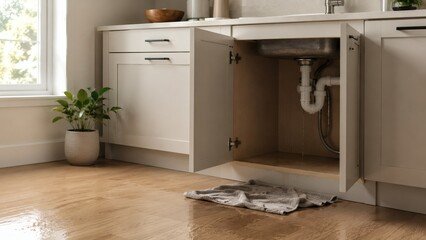
Damp flooring
Unexpected moisture around bathrooms, kitchens, or appliances should be investigated.
Low water pressure
A sudden pressure change can indicate a valve, leak, restriction, or building-system problem.
Unusual odors
Persistent sewer-like odors may indicate drainage or sewer problems.
Gurgling drains
Gurgling can sometimes indicate air or drainage problems within the plumbing system.
Discolored water
Unusual brown, yellow, cloudy, or rusty-looking water should not automatically be ignored.
Unexplained water bills
If you pay for water individually and usage suddenly increases without an obvious reason, a leak may be worth investigating.
Water around the water heater
Active leakage around a water heater requires prompt attention.
Why You Should Not Automatically Hire the Cheapest Plumber
Price matters, but it should not be the only factor.
The cheapest quote may not include the same scope of work as another estimate.
For example:
Company A: Gives a low price to clear a visible drain blockage.
Company B: Inspects the drain and discovers that the blockage is actually deeper in the shared line.
The two estimates may look very different because they are addressing different problems.
Before comparing prices, compare:
- What is included
- Diagnostic work
- Labor
- Materials
- Equipment
- Cleanup
- Permits where applicable
- Warranty terms if offered
- Emergency charges
- Follow-up service
A reliable plumber should explain what you are actually paying for.
How to Choose a Reliable Plumber for a Florida Apartment
1. Verify the Appropriate License
One of the first things to check is whether the contractor has the appropriate Florida credentials for the work being performed.
The Florida Department of Business and Professional Regulation provides licensing information and verification resources for contractors.
Do not simply rely on an advertisement saying "licensed."
Verify the information through an official source when appropriate.
2. Check Whether the Plumber Handles Apartment Work
Apartment plumbing can involve different challenges from single-family residential plumbing.
Ask whether the company has experience working with:
- Condominiums
- Apartment buildings
- Multi-unit properties
- Property managers
- Homeowners associations
- Shared drainage systems
- Building water systems
Experience with multi-unit properties can be particularly useful when the problem may involve common plumbing.
3. Ask Who Is Responsible for the Repair
This is one of the most important questions apartment residents should ask.
Depending on the building's governing documents and the location of the plumbing problem, responsibility may fall on:
- The apartment owner
- The tenant
- The property manager
- The condominium association
- The homeowners association
- The building owner
- A maintenance department
For example, a leaking faucet inside an apartment may be handled differently from a failed pipe inside a common wall or shared riser.
Before authorizing significant work, check with the appropriate property manager, landlord, or association when necessary.
4. Ask for a Proper Diagnosis
Do not accept a vague explanation such as:
"You need a new pipe."
Ask:
- Where is the problem?
- What caused it?
- How was it identified?
- Can it be repaired?
- Does the entire pipe need replacement?
- Is the problem inside my unit or in a shared system?
The more complicated the issue, the more important diagnosis becomes.
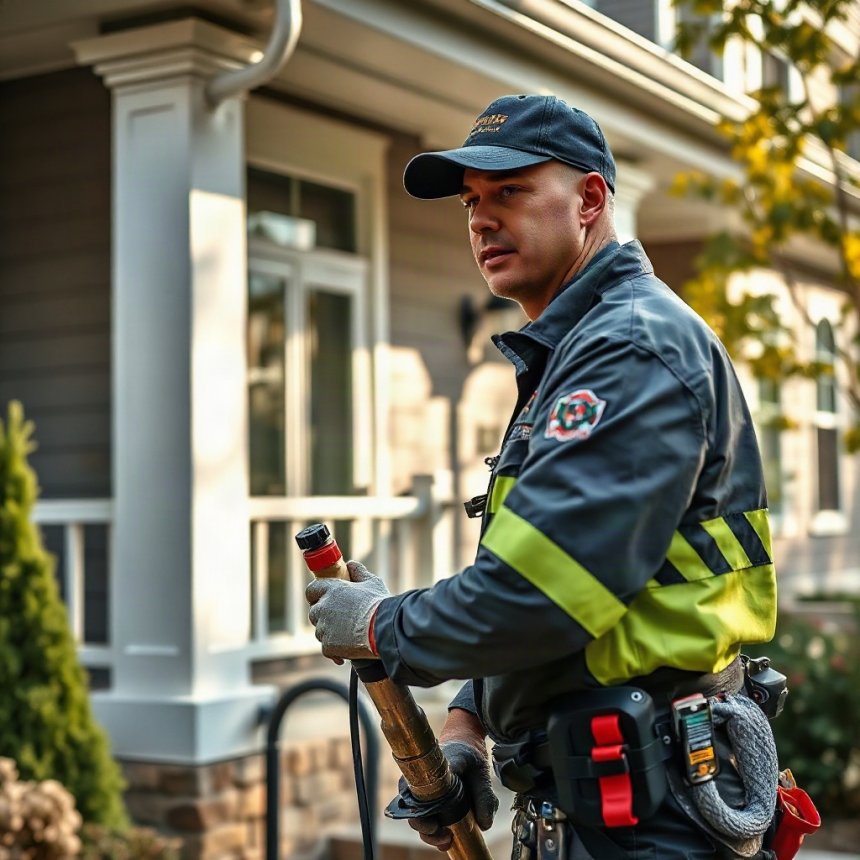
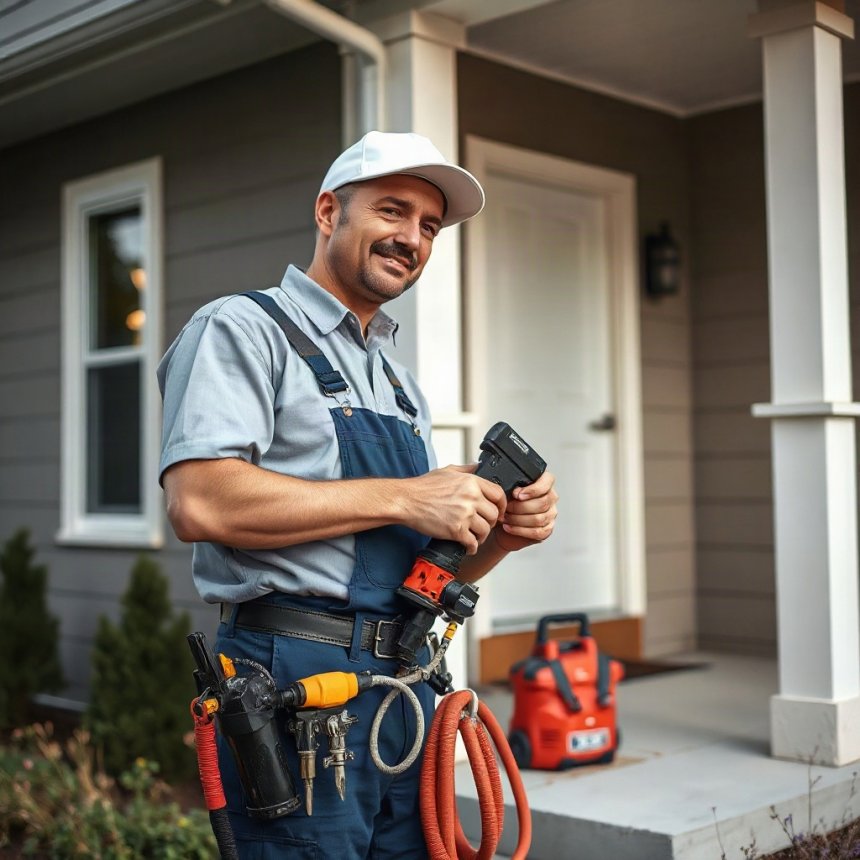
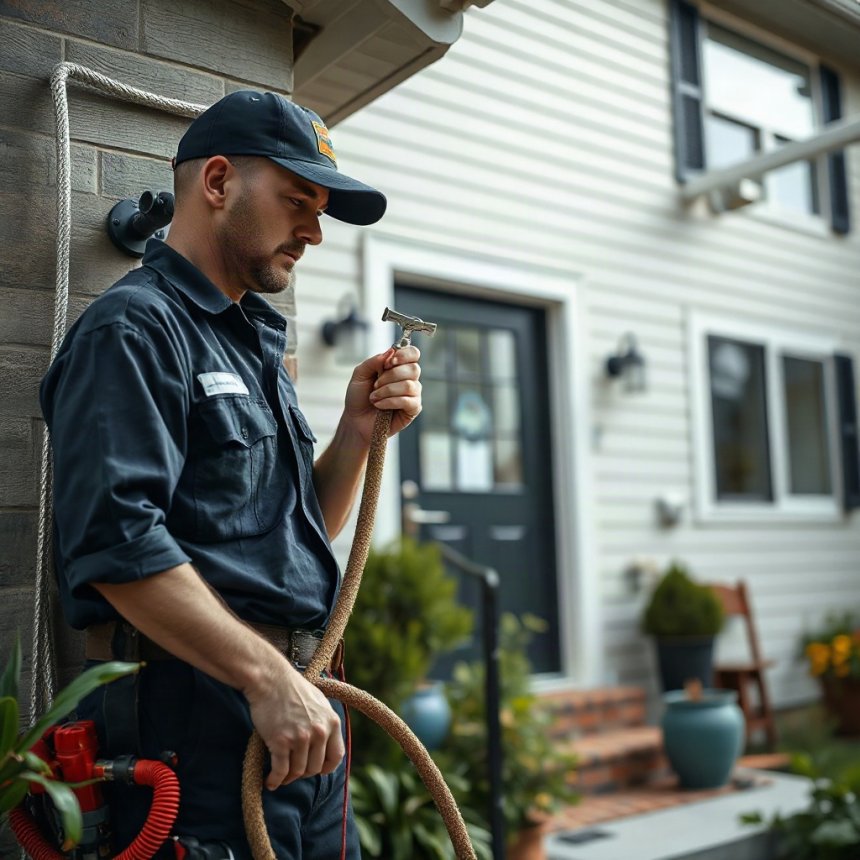
5. Look for Modern Diagnostic Equipment
A reliable plumbing company should have access to appropriate equipment for complicated problems.
Depending on the situation, this can include:
- Drain cameras
- Sewer cameras
- Electronic leak detection equipment
- Pressure testing tools
- Pipe locators
- Hydro-jetting equipment
- Specialized inspection equipment
The goal is not to use every tool on every job.
The goal is to use the right tool when it can improve the diagnosis.
6. Ask About Emergency Availability
Apartment plumbing emergencies can spread quickly.
A burst supply line may damage flooring, walls, furniture, and neighboring units.
Ask whether the company provides emergency plumbing service and how emergency calls are handled.
7. Get the Estimate in Writing
Before approving major work, ask for a written estimate whenever practical.
It should explain:
- Recommended repair
- Labor
- Materials
- Equipment
- Additional services
- Possible additional costs
- Payment terms
- Warranty information if applicable
A clear estimate makes it easier to understand what you are agreeing to.
What Should You Tell the Plumber Before They Arrive?
Good information can help a plumber diagnose the problem faster.
Tell the plumber:
- Which fixture is affected
- When the problem started
- Whether it happens continuously
- Whether other fixtures are affected
- Whether neighbors have the same problem
- Whether the problem appeared after maintenance work
- Whether there has been a recent leak
- Whether water pressure changed
- Whether the problem gets worse at certain times
For example, telling a plumber that three apartments on the same floor developed slow drains at the same time is much more useful than simply saying, "My sink is clogged."
Apartment Plumbing Problems That Need Professional Attention
Water leaks
A leaking pipe can cause hidden property damage.
Sewer backups
Sewage exposure presents sanitation concerns and should be handled professionally.
Burst pipes
A burst line can release a large amount of water very quickly.
Water heater problems
Apartment water heaters may be individual or shared, depending on the building.
Repeated drain blockages
Recurring clogs can indicate a deeper drainage issue.
Slab leaks
Some buildings have plumbing beneath concrete slabs. Locating such leaks can require specialized equipment.
Low water pressure
A sudden pressure loss may require diagnosis rather than simply replacing a faucet.
Toilet overflow
An overflowing toilet should be stopped promptly to reduce water damage.
Step-by-Step Professional Apartment Plumbing Process
Step 1: Initial Assessment
The plumber asks questions about the symptoms and checks the affected area.
Step 2: Inspection
Visible pipes, fixtures, valves, drains, and surrounding areas are examined.
Step 3: Diagnosis
The plumber determines the most likely source.
For hidden problems, specialized equipment may be used.
Step 4: Determine Responsibility and Access
If the plumbing appears to involve a common area or shared system, the plumber may recommend coordinating with building management.
Step 5: Estimate
The recommended repair and expected costs are explained.
Step 6: Repair
The approved work is completed using suitable materials and methods.
Step 7: Testing
The plumbing system is tested after the repair.
Step 8: Cleanup
The work area should be left in reasonable condition.
Step 9: Recommendations
The plumber may explain maintenance or future repair considerations.
Can an Apartment Resident Fix Plumbing Problems?
Some minor maintenance tasks can be handled safely by residents.
For example, you may be able to:
- Clean a faucet aerator
- Remove debris from a sink strainer
- Reset certain plumbing appliances according to manufacturer instructions
- Shut off an accessible fixture valve
- Shut off the main apartment water valve if you know its location
- Remove visible hair from a shower drain
However, avoid attempting complex repairs involving:
- Gas lines
- Hidden pipes
- Shared plumbing
- Sewer lines
- Water heaters
- Major leaks
- Electrical components
- Underground pipes
- Pressurized systems
Apartment residents should also avoid modifying plumbing without permission when the work could affect the building or another unit.
Temporary Plumbing Fixes Before the Plumber Arrives
If there is an active leak, the first priority is controlling the water.
Shut off the water
If you can safely identify the appropriate shutoff valve, turn off the water.
Protect belongings
Move furniture, electronics, documents, and other valuables away from the affected area.
Contain leaking water
Use buckets, towels, or suitable containers where practical.
Notify management
If you live in a rental or condominium building, contact the appropriate property manager or maintenance department.
Document the damage
Photos and videos can help document what happened and may be useful for property-management or insurance discussions.
Do not attempt a complicated repair simply to avoid calling a professional.
Tools Professionals May Use in Apartment Buildings
Drain inspection cameras
These can help identify blockages and pipe conditions inside drainage lines.
Electronic leak detection
Specialized equipment can help locate certain concealed leaks.
Pressure testing
This can help evaluate suspected leaks or plumbing-system issues.
Pipe locators
Useful for locating buried plumbing where appropriate.
Hydro jetting
Hydro jetting can remove certain types of buildup and blockage using high-pressure water.
The pipe's material and condition should be evaluated before this method is used.
Thermal imaging
Where appropriate, thermal imaging can help identify temperature differences associated with certain concealed plumbing conditions.
How Long Does Apartment Plumbing Repair Take?
Repair time depends on the problem.
Minor repairs
Simple faucet, toilet, or accessible supply-line repairs may be completed relatively quickly.
Moderate repairs
Drain cleaning, water heater repairs, or difficult fixture repairs may take longer.
Major repairs
Sewer problems, concealed leaks, pipe replacement, or slab leaks can require significantly more time.
Emergency repairs
The plumber may first stop the immediate source of water before completing a permanent repair.
Factors affecting repair time include:
- Building access
- Unit access
- Location of the pipe
- Availability of replacement parts
- Need for specialized equipment
- Permission from management
- Permit requirements
- Damage severity
- Whether another apartment must be accessed
How Much Does an Apartment Plumber Cost in Florida?
There is no reliable single price for every apartment plumbing repair.
The final cost may depend on:
- Type of problem
- Diagnostic work
- Labor
- Replacement parts
- Accessibility
- Equipment
- Emergency service
- Permit requirements
- Pipe material
- Property type
- Local labor rates
- Whether the repair affects one unit or a shared system
A simple fixture repair and a concealed sewer-line problem should not be expected to have similar costs.
Before approving significant work, ask the plumber to explain what is included in the estimate.
Important Cost Factors Apartment Residents Should Understand
Diagnostic fees
Some plumbing companies charge for inspection or diagnosis.
Labor
Skilled plumbing labor is a major part of many repair costs.
Materials
The required replacement parts can vary significantly.
Accessibility
A pipe behind finished tile may cost more to access than an exposed pipe.
Emergency service
After-hours or urgent service may involve additional charges.
Specialized equipment
Camera inspections, leak detection, hydro jetting, or locating equipment may add to the service scope.
Permits
Certain work may require permits depending on the project and local requirements.
Shared plumbing
If the problem involves a common building system, the repair may require coordination with management or other units.
Hidden Truths Apartment Residents Should Know
A small leak can damage another apartment
Water does not always stay where the leak begins.
The visible water may not be the source
Water can travel through ceilings, walls, insulation, and flooring.
Repeated clogs need investigation
If the same drain keeps blocking, clearing it repeatedly may not address the actual cause.
A cheap repair can become expensive
Incorrect materials or poor workmanship can result in another service call.
Building management may need to be involved
Do not assume every pipe inside or near your apartment belongs solely to your unit.
Insurance does not automatically cover every plumbing problem
Coverage depends on the policy, cause of damage, exclusions, and circumstances.
Neighboring units can provide useful clues
If multiple apartments experience the same plumbing symptoms, tell the plumber and property manager.
Delaying water leaks can increase damage
Even a small leak can create significant moisture problems when left untreated.
15 Common Mistakes Apartment Residents Make
1. Ignoring a dripping faucet
Small leaks should be repaired rather than ignored.
2. Pouring grease down the kitchen drain
Grease can accumulate inside drainage pipes.
3. Flushing wipes
Even wipes marketed as flushable can contribute to blockages.
4. Using harsh drain chemicals repeatedly
Chemical cleaners may not address the underlying problem and can create hazards.
5. Ignoring repeated toilet clogs
Frequent clogs can indicate a larger drainage problem.
6. Attempting repairs without permission
Apartment plumbing may connect to shared building systems.
7. Hiring based solely on price
Compare the complete scope of work.
8. Failing to check credentials
Use appropriate state and local resources to verify licensing when required.
9. Not notifying management
A plumbing problem may affect common areas or neighboring units.
10. Ignoring water stains
A stain can be an early indication of a concealed leak.