Shut Off Water in Miami Plumbing Emergencies
Learn how to shut off your water during a Miami plumbing emergency, locate the main valve, stop leaks safely, and know when to call a plumber.

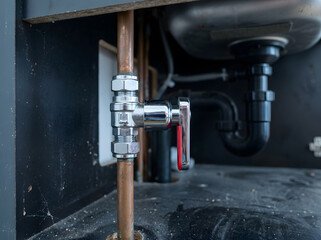
How to Shut Off Your Water During a Miami Plumbing Emergency
A burst pipe, overflowing toilet, failed water heater, or major plumbing leak can release a surprising amount of water in a short time. Knowing how to shut off your water quickly can help limit damage while you wait for professional plumbing assistance.
For Miami homeowners, it is especially useful to know the location of both individual fixture shutoff valves and the home's main water shutoff. Miami-Dade County distinguishes between leaks on private property and problems involving the public water system; the county advises residents to contact its Water and Sewer Department for leaks involving public infrastructure or the meter.
If water is actively flooding your home, don't spend time trying to diagnose the entire plumbing system first. Stop the water safely, protect people from hazards, and call a qualified plumber.
What Does a Water Shutoff Valve Do?
A shutoff valve controls the flow of water through a plumbing line.
Your home may have several types of shutoff valves:
- Main water shutoff
- Toilet shutoff valve
- Sink shutoff valves
- Water heater shutoff
- Washing machine supply valves
- Outdoor fixture shutoffs
- Appliance-specific shutoffs
The main shutoff stops water entering the home's plumbing system. An individual fixture valve stops water only at that particular fixture.
For example, if a toilet supply line breaks, you may only need to close the toilet's shutoff valve. If a pipe inside a wall bursts and you cannot isolate it, shutting off the main water supply may be necessary.
When Should You Shut Off the Main Water Supply?
You should consider shutting off the main water supply when:
- A pipe has burst
- Water is rapidly flooding your home
- A plumbing line inside a wall is leaking
- You cannot identify the source of a major leak
- A fixture shutoff valve does not work
- A water heater connection is leaking heavily
- Multiple fixtures are leaking
- Water continues flowing after a fixture valve is closed
The goal is to stop additional water from entering the plumbing system.
If the problem is isolated to one fixture and its shutoff works properly, you may not need to shut off the entire home.
Where Is the Main Water Shutoff Valve?
The location varies from one Miami property to another.
Common locations include:
Near the Water Meter
The main shutoff may be located close to where the water service enters the property.
Outside the Home
Some properties have the main shutoff near the exterior water meter or service entrance.
Garage or Utility Area
In some homes, the main valve may be located inside a garage, utility room, or mechanical area.
Near Where the Water Line Enters the House
Look for the point where the main water pipe enters the building. The shutoff may be installed nearby.
Condominiums and Multi-Unit Buildings
Apartments and condominiums can have different arrangements. Your individual unit may have a shutoff, while the building also has shared valves or plumbing controls.
If you live in a condo or apartment, ask building management where your unit's emergency shutoff is located before a plumbing emergency occurs.
How to Shut Off Your Main Water Supply
Step 1: Identify the Valve
Find the main valve controlling water entering your home.
Step 2: Check the Type of Valve
Some valves use a round handle that turns. Others use a lever-style handle.
Step 3: Close the Valve
For a traditional wheel-style valve, turn it clockwise until it stops.
For a lever-style valve, the handle generally closes the line when positioned across the pipe rather than parallel to it.
Do not force a valve that is stuck or badly corroded.
Step 4: Open a Faucet
Once the main valve is closed, open a faucet briefly to help relieve pressure and confirm that water flow is stopping.
Do not leave multiple fixtures running unnecessarily.
Step 5: Check the Leak
If the water continues flowing at full pressure, the valve may not have completely shut off the supply or the source may be separate from that valve.
Step 6: Call a Plumber
Turning off the water is an emergency-control step, not a permanent repair.
A professional should identify and repair the source of the leak.
How to Shut Off Water to Individual Fixtures
Knowing individual shutoff locations can save time.
Toilet
Look for the small valve on the wall or floor behind the toilet.
Turn it clockwise until the water stops.
Do not continue flushing after shutting off the supply.
Sink
Most sinks have small shutoff valves beneath the cabinet.
There is usually one for hot water and one for cold water.
Washing Machine
Look behind or beside the washing machine for the hot- and cold-water supply valves.
If a washing-machine hose breaks, close both valves.
Water Heater
A water heater normally has a cold-water supply shutoff near the unit.
If the heater is leaking, close the water supply if it can be done safely.
For electric water heaters, the electrical supply should also be handled appropriately. Gas appliances require additional caution.
Outdoor Faucet
An exterior hose bib may have its own shutoff valve inside the home or nearby.
What If the Main Water Shutoff Valve Is Stuck?
Do not use excessive force.
Older valves can become difficult to operate because of corrosion, mineral deposits, or age. Applying too much force may damage the valve or cause it to break.
If the valve will not close:
- Move away from the active leak if necessary.
- Keep people away from the affected area.
- Avoid electrical hazards.
- Contact a professional plumber.
- If the problem involves the public water system, contact the appropriate water utility.
Miami-Dade County's Water and Sewer Department states that leaks occurring on private property are generally the property owner's responsibility, while leaks outside the property or inside the meter box should be reported to the county's Water and Sewer Department.
What Should You Do After Shutting Off the Water?
Stopping the water is only the first step.
Protect Your Belongings
If safe, move electronics, furniture, rugs, documents, and other valuables away from the affected area.
Remove Standing Water Carefully
For minor amounts of water, towels or a wet/dry vacuum may help if there is no electrical hazard.
Do not enter standing water where electrical equipment may be energized.
Check Nearby Areas
Water can travel beneath flooring, behind cabinets, and through walls.
Look for:
- Wet drywall
- Damp flooring
- Water stains
- Swollen cabinets
- Wet insulation
- Musty odors
Photograph the Damage
Take photographs and videos of the affected areas before cleanup when practical. This can provide useful documentation for your records and, where applicable, an insurance claim.
Contact a Plumber
The water supply may be shut off, but the underlying plumbing failure still needs to be diagnosed and repaired.
Common Miami Plumbing Emergencies That Require a Water Shutoff
Burst Pipe
A burst pipe can release water rapidly and may require immediate main-line shutoff.
Water Heater Leak
A leaking water heater can cause substantial damage if the tank or a major connection fails.
Broken Supply Line
Flexible supply lines connected to toilets, sinks, and appliances can fail unexpectedly.
Major Faucet or Valve Failure
A damaged fixture valve may allow continuous water flow.
Pipe Leak Inside a Wall
A hidden pipe leak can continue damaging drywall and framing until the water supply is isolated.
Slab or Underground Leak
A significant underground leak can waste large amounts of water and may require professional leak detection.
Overflowing Toilet
If the toilet's individual shutoff does not work, the main supply may need to be closed.
Signs You Should Call an Emergency Plumber
Call a professional promptly when:
- Water is flooding the home
- A pipe has burst
- The leak is behind a wall
- The main shutoff does not work
- Water is near electrical equipment
- A water heater is rapidly leaking
- Multiple fixtures are affected
- You cannot identify the leak source
- The leak continues after shutting off a fixture
- Sewage is involved
A plumber can determine whether the problem is a simple component failure or evidence of a larger plumbing issue.
Can You Repair the Leak Yourself?
Turning off a valve is one thing. Repairing the plumbing is another.
Some homeowners may be comfortable replacing a simple accessible fixture component, but major plumbing repairs should generally be handled by a qualified professional.
Professional assistance is particularly important for:
- Hidden pipe leaks
- Burst pipes
- Sewer lines
- Slab leaks
- Gas water heaters
- Major water heater failures
- Corroded main lines
- Underground plumbing
- Repeated leaks
- Plumbing inside walls or ceilings
Trying to repair an inaccessible or pressurized pipe without the appropriate tools and knowledge can increase property damage.
Tools Professional Plumbers May Use
Leak Detection Equipment
Electronic detection equipment can help locate certain hidden leaks.
Thermal Imaging
Thermal cameras may help identify temperature differences associated with moisture or leaking hot-water lines in appropriate situations.
Pressure Testing
Pressure testing can help evaluate certain plumbing systems and identify potential leaks.
Inspection Cameras
Cameras can help investigate drain and sewer problems when the issue involves wastewater lines.
Pipe Locators
Locating equipment can help identify underground plumbing before excavation.
The appropriate diagnostic method depends on the type and location of the leak.
How Long Does a Water Shutoff Take?
Closing an accessible shutoff valve may take only moments.
However, finding a hidden or inaccessible main valve can take longer.
Professional repair time depends on:
- Leak location
- Pipe material
- Accessibility
- Severity
- Required replacement parts
- Wall or floor access
- Underground excavation
- Equipment requirements
- Permit requirements, when applicable
Stopping the water quickly does not mean the plumbing repair will be completed immediately.
What Affects the Cost of Emergency Plumbing Repair?
There is no reliable fixed price for every emergency.
Plumbing repair costs vary depending on the severity of the problem, accessibility, materials required, emergency service, property type, and local labor rates.
Other factors may include:
- Diagnostic fees
- Emergency service charges
- Labor
- Replacement parts
- Leak detection
- Pipe replacement
- Water heater repair
- Excavation
- Restoration work
- Permit costs, if applicable
Ask the plumber what caused the problem and whether the recommendation is a repair or replacement.
Hidden Truths Miami Homeowners Should Know
Knowing the Valve Location Can Prevent Major Damage
A homeowner who can shut off the water quickly may reduce the amount of water released during a pipe failure.
A Shutoff Valve Can Fail Too
Old valves can become difficult to operate or may not close completely.
The Visible Water May Not Be the Source
Water can travel through walls and floors before appearing somewhere else.
Turning Off Water Does Not Remove Existing Damage
Drywall, flooring, cabinets, and other materials may still need attention after a leak is stopped.
Recurring Leaks Deserve Investigation
Multiple plumbing failures may indicate aging materials, excessive pressure, corrosion, or installation problems.
Miami Homes Have Different Plumbing Configurations
The location of shutoff valves can vary significantly among single-family homes, condos, apartments, and older properties.
Public and Private Water Problems Are Different
Miami-Dade County advises residents to report certain public-system leaks, including problems outside the property or inside the meter box, to its Water and Sewer Department.
15 Common Mistakes Homeowners Make
- Not knowing where the main shutoff is — Locate it before an emergency.
- Waiting to shut off the water — Delays can increase water damage.
- Forcing a stuck valve — The valve may break.
- Ignoring a dripping valve — It may deteriorate further.
- Assuming every leak needs the main shutoff — An individual valve may be sufficient.
- Failing to check the shutoff after closing it — Confirm that water flow has actually stopped.
- Entering standing water near electrical equipment — This can be dangerous.
- Continuing to use plumbing after a major leak — Additional water can worsen damage.
- Trying to repair a pressurized pipe — Shut off the supply first.
- Ignoring hidden moisture — Water can remain behind walls and flooring.
- Using excessive force on old plumbing — Corroded components can fail.
- Attempting gas-related repairs without proper qualifications — Gas systems require appropriate expertise.
- Skipping professional diagnosis — The visible leak may not reveal the actual source.
- Waiting for a small leak to become a flood — Early repairs can reduce damage.
- Failing to maintain shutoff valves — Inaccessible or failed valves are difficult during emergencies.
Water Shutoff Maintenance Tips
- Locate your main water shutoff.
- Make sure household members know where it is.
- Identify individual fixture shutoffs.
- Keep access to valves clear.
- Inspect visible valves for corrosion.
- Watch for slow valve leaks.
- Do not cover or permanently obstruct access to valves.
- Learn which valve controls the water heater.
- Know how your home's plumbing is configured.
- Check under sinks periodically.
- Inspect toilet supply lines.
- Inspect washing-machine hoses.
- Monitor water bills for unexpected increases.
- Investigate unexplained damp spots.
- Repair leaking valves promptly.
- Have difficult-to-operate valves professionally serviced.
- Keep your plumber's contact information accessible.
- Consider labeling important shutoff valves.
- Check the main valve location before hurricane season.
- Never wait for a plumbing emergency to learn how the shutoff works.
When Should You Call an Emergency Plumber?
Call an emergency plumber when shutting off the water does not solve the immediate problem or when significant damage has already occurred.
Emergency plumbing assistance is particularly important for:
- Burst pipes
- Major water leaks
- Broken main water lines
- Failed shutoff valves
- Water heater flooding
- Hidden wall leaks
- Slab leaks
- Major appliance supply-line failures
- Sewer backups
- Water near electrical systems
If the problem involves a public water or sewer pipe, meter, hydrant, or other county infrastructure, Miami-Dade County provides a 24-hour Water and Sewer emergency call center at 305-274-9272. The county specifically lists broken or leaking water/sewer pipes, water meters, sewer backups, low water pressure, and related hazardous conditions among reportable emergencies.
For emergencies involving immediate danger to people or property, Miami-Dade County directs residents to call 911.
People Also Ask About Shutting Off Water in Miami
Where is the main water shutoff valve in a Miami home?
It varies by property. Check near the water meter, where the main water line enters the house, in a garage, or in a utility area.
How do I shut off the water to my house?
Locate the main shutoff valve and close it. Wheel-style valves generally turn clockwise, while lever valves typically close when the handle is perpendicular to the pipe.
Should I shut off the water during a burst pipe?
Yes, if you can do so safely. Shutting off the water can help limit additional water entering the damaged plumbing system.
What if my main water shutoff valve is stuck?
Do not force it aggressively. Contact a professional plumber if you cannot safely close the valve.
Do I need to shut off the main water for a leaking toilet?
Not necessarily. If the toilet's individual shutoff valve works, you can usually isolate the toilet without shutting off the entire home.
How do I shut off water to a water heater?
Close the cold-water supply valve entering the heater if it can be operated safely. Energy supplies should also be handled appropriately depending on whether the heater is electric or gas.
Can I turn the water back on after a plumbing repair?
The system should be checked for active leaks before restoring full water pressure. If a professional has performed the repair, follow their instructions.
Who do I call for a water main leak in Miami?
If the problem is on public infrastructure or involves the meter, Miami-Dade County's Water and Sewer Department lists 305-274-9272 for 24-hour water and sewer emergencies.
Can shutting off the water prevent water damage?
It can help limit additional water from entering the plumbing system, but it cannot remove water that has already escaped.
How often should shutoff valves be checked?
There is no universal schedule for every valve, but homeowners should periodically make sure important valves remain accessible and can be operated safely.
Voice Search Questions
“How do I shut off my water in an emergency?”
Find the home's main water shutoff and close it. If the leak is isolated to one fixture, its individual shutoff may be enough.
“Where is the main water shutoff in my house?”
Check near the water meter, the point where the main water line enters your property, the garage, or a utility area.
“What should I do if my water shutoff valve won't turn?”
Do not force a stuck valve. Contact a professional plumber to avoid damaging the valve or plumbing.
“Should I turn off water if a pipe bursts?”
Yes. If it is safe to do so, shut off the main water supply as quickly as possible and contact an emergency plumber.
“How do I stop a water leak if I can't find the shutoff?”
If you cannot locate or operate the shutoff, contact a professional plumber. If the problem involves public water infrastructure, contact Miami-Dade Water and Sewer.
Why Choose plumbersinmiamiflorida?
Knowing how to shut off your water is valuable, but stopping the water does not repair the plumbing failure.
plumbersinmiamiflorida provides plumbing assistance for homeowners in Miami and surrounding communities. When choosing an emergency plumber, verify applicable licensing, ask for an explanation of the problem, understand the recommended repair, and request an estimate when practical.
Business Name: plumbersinmiamiflorida
Phone: (844) 973-0400
Website: https://plumbersinmiamiflorida.com/
Serving Miami and Miami-Dade County
Emergency plumbing problems can happen throughout Miami and Miami-Dade County, including Brickell, Coral Gables, Coconut Grove, Little Havana, Kendall, Doral, Miami Beach, Hialeah, and nearby communities.
Homes and buildings can have very different plumbing layouts, particularly between older properties, newer construction, condominiums, and multi-unit buildings. Knowing your property's shutoff arrangement before an emergency occurs can save valuable time.
Final Thoughts
A plumbing emergency is not the time to search for the main water valve.
Take a few minutes now to locate it, make sure it is accessible, and show other household members how it works.
When a major leak occurs, remember the basic sequence:
Shut off the water → stay away from electrical hazards → protect belongings if safe → document the damage → call a qualified plumber.
If the problem involves Miami-Dade's public water or sewer infrastructure, the county's 24-hour emergency number is 305-274-9272.