Ice Maker Water Line Repair in Miami FL: Expert Guide
Learn professional diagnostics, leak detection, and repair steps for residential ice maker water lines in Miami, Florida.

Diagnosing Ice Maker Water Line Failures in Miami Homes
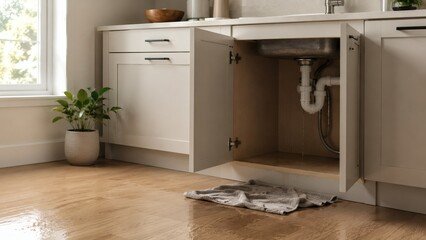
An unexpected water leak behind a refrigerator is frequently traced back to a compromised ice maker water line, requiring immediate isolation of the supply valve to prevent extensive subfloor and cabinetry damage. In South Florida residences, these failures are often driven by localized water pressure fluctuations, rigid poly or copper tubing fatigue, and the gradual degradation of piercing-style saddle valves over decades of continuous operation. Understanding the physical mechanics of these small-diameter supply lines helps property owners distinguish between a localized fixture connection issue and a broader pressurized branch line failure.
Ice maker supply systems typically rely on 1/4-inch outer diameter (OD) tubing routed from an under-sink cold water tee, a dedicated wall box, or a saddle valve clamped directly onto a nearby supply pipe. Because these lines carry full domestic water pressure—often ranging from 60 to 80 PSI in various Miami-Dade municipal water zones—any microscopic crack, kink, or deteriorated compression fitting can release gallons of water per hour behind heavy kitchen appliances. Pinpointing the exact breach requires systematic evaluation of the line from the source valve to the inlet solenoid valve located at the rear of the refrigerator.
Overlooked Trade Secrets for South Florida Kitchen Supply Lines
Experienced plumbers working across Miami-Beach high-rises, Coral Gables historic estates, and Doral suburban developments encounter unique regional factors that accelerate ice maker line degradation:
- Galvanic Corrosion and Chloramines: Miami municipal water treatment uses chemical additives that react aggressively with old, unlined copper micro-tubing, leading to pinhole leaks hidden deep inside wall cavities.
- Rigid Plastic Aging: Older low-density polyethylene (LDPE) plastic tubing becomes brittle due to constant thermal cycling from the refrigerator condenser coils, snapping without warning when the appliance is pulled out for routine cleaning.
- Saddle Valve Vulnerability: Piercing saddle valves frequently clog with mineral scale or fail at the rubber gasket interface, turning a minor supply connection into an uncontrolled weeping leak that rots baseboards over several months.
- Condensation vs. Active Leaks: High indoor relative humidity in South Florida can cause severe condensation on uninsulated cold water lines behind refrigerators, often mimicking the symptoms of a slow pipe fracture.
Safe Homeowner Triage Versus Professional Repair Boundaries
When moisture is discovered pooling beneath or behind a refrigerator, homeowners must execute safe diagnostic steps before attempting any mechanical intervention.
Safe Homeowner Triage Steps
- Locate and close the dedicated miniature shutoff valve supplying the refrigerator, or shut off the main water supply to the dwelling if no local valve exists.
- Carefully pull the refrigerator forward while protecting finished tile or wood flooring, avoiding sharp kinks or strains on the electrical cord and drain hose.
- Dry the affected flooring and inspect the entire length of the 1/4-inch supply tubing using a flashlight and paper towels to trace moisture back to its source.
- Inspect the compression nuts at both the shutoff valve and the refrigerator water inlet valve for loose fittings or deteriorated ferrules.
Dangerous DIY Boundaries
Property owners should avoid attempting to repair corroded or galvanized rigid supply pipes with makeshift tape or epoxy sealants under live system pressure. Never force rusted or seized compression fittings without proper backup wrenches, as twisting the internal wall stub-out can cause a catastrophic pipe break inside the drywall. Furthermore, electrical cords and wall outlets situated directly beneath leaking water lines present severe shock hazards; power must be disconnected immediately if water has reached electrical components.
Realistic Repair Approaches and Decision Support
Repairing or replacing an ice maker water line involves several industry-standard methodologies, depending on the material composition and routing of the existing installation.
| Repair Method | Best Applied To | Key Technical Consideration |
|---|---|---|
| Braided Stainless Steel Replacement | Exposed runs behind refrigerators | Provides burst-resistant flexibility and prevents rodent damage or pinching. |
| Quarter-Turn Valve Upgrade | Outdated piercing saddle valves | Replaces restrictive piercing mechanisms with full-port, reliable quarter-turn ball valves. |
| PEX Branch Line Routing | Concealed wall or subfloor runs | Eliminates joints within walls by running continuous flexible cross-linked polyethylene tubing. |
When evaluating repair options in Miami-Dade County, technicians factor in regional building specifications, such as condo association rules requiring braided metal supply lines with integrated burst-protection auto-shutoff devices. Replacing an antiquated saddle valve with a code-compliant tee fitting and a dedicated quarter-turn angle stop ensures long-term reliability and mitigates future flood risks in multi-story residential buildings.
Frequently Asked Questions
Why does my ice maker line keep developing pinhole leaks?
Pinhole leaks in copper micro-tubing are typically caused by aggressive water chemistry, internal mineral erosion, or continuous vibration from the refrigerator compressor acting against a rigid, unsupported pipe bend.
Are plastic or braided stainless steel lines recommended in Miami?
Building codes and industry best practices strongly favor multi-layer braided stainless steel lines. Unlike plastic tubing, braided lines resist punctures, UV degradation, and embrittlement caused by appliance heat.
Can I use a self-piercing saddle valve on my copper water pipe?
While common in older installations, saddle valves are prone to clogging and rubber seal failure over time. Modern plumbing standards require soldering a proper tee fitting with a dedicated quarter-turn shutoff valve.
What should I do if the shutoff valve behind the fridge won't turn completely?
Do not force a stuck valve with excessive leverage, as older gate or multi-turn valves can snap off inside the wall. Shut off the main house water supply and replace the valve entirely with a modern ball valve.
Does high water pressure in Miami damage ice maker lines?
Yes. Municipal water pressures exceeding 80 PSI place excessive strain on small-diameter supply lines and plastic inlet solenoids, increasing the risk of sudden line rupture. Installing a pressure reducing valve (PRV) protects all household fixtures.