How Miami Businesses Can Prevent Sewer Backups
Learn practical strategies for Miami businesses to prevent costly sewer backups, manage commercial drainage risks, and maintain healthy plumbing systems.


Understanding Commercial Sewer Risks in Miami
A commercial sewer backup can halt business operations in minutes, creating health code violations, property damage, and severe revenue loss. For Miami businesses—ranging from bustling restaurants in Brickell to retail shops in Coral Gables or commercial warehouses in Doral—sewer system vulnerabilities are unique. High water tables, frequent heavy tropical rainfall, heavy grease usage, and aging municipal connections all place extra stress on commercial drainage networks.
Preventing a sewer backup requires understanding how commercial waste interacts with plumbing lines, recognizing early warning signs before a catastrophic overflow occurs, and implementing proactive maintenance routines tailored to your specific business type.
Why Commercial Sewer Backups Happen
Unlike residential plumbing, commercial systems handle a much higher volume of waste, often containing specialized debris. Identifying the root cause is essential for long-term prevention.
Grease and Fat Accumulation
In food service establishments, fats, oils, and grease (FOG) are the leading cause of main sewer line blockages. When warm grease enters cooler underground pipes, it solidifies, clinging to pipe walls and gradually narrowing the interior diameter until wastewater can no longer pass through.
Non-Wavable Debris and Commercial Waste
Retail stores, office buildings, and hospitality venues frequently experience backups caused by paper products, sanitary items, and wipes mistakenly flushed or washed down drains. Even products labeled "flushable" often fail to break down adequately in commercial lateral lines.
Heavy Rainfall and Municipal Overload
During Miami's intense summer storm season, high volumes of rainwater can infiltrate municipal stormwater and sanitary sewer systems. If municipal mains run near capacity, water can push backward into commercial lateral lines, especially in properties with low-lying floor drains or outdated backflow protection.
Root Intrusion and Pipe Sag
Older commercial properties often feature aging clay or cast-iron sewer laterals. Ground shifting, soil saturation from heavy rain, and aggressive root systems can crack pipes or create low spots (belly sagging) where solids accumulate.
Early Warning Signs Your Sewer Line Is Failing
Sewer lines rarely fail without warning. Catching these early indicators can prevent an emergency closure:
-
Slow Drainage Across Multiple Fixtures: If a single sink drains slowly, the issue is localized. If multiple toilets, floor drains, and sinks drain sluggishly at the same time, the main sewer line is likely restricted.
Gurgling Sounds: Bubbling or gurgling noises coming from toilets or floor drains when other fixtures are used indicate trapped air escaping through the drainage system due to a downstream blockage.
Unpleasant Odors: Intermittent or persistent sewer gas smells near floor drains or restrooms suggest a dry trap or a partial vent and line restriction.
Water Pooling Near Floor Drains: During heavy usage periods or rain events, if water begins to pool around low-level floor drains, the system is struggling to discharge waste fast enough.
Practical Prevention Strategies for Miami Businesses
Effective prevention combines daily operational habits with professional mechanical maintenance.
Maintain Grease Management Systems Rigorously
Restaurants and food service operations must service grease interceptors or grease traps on a strict schedule. Relying on chemical degreasers is often insufficient because they merely push liquefied grease further down the line where it re-solidifies. Professional pumping and hydro-jetting keep interior pipe walls clean.
Install and Test Backwater Valves
A backwater valve (backflow preventer) allows wastewater to exit your building but automatically closes to prevent municipal water or sewage from flowing backward into your property during high-water events or municipal overloads. Regular inspection ensures the flap remains free of debris and operational.
Schedule Routine Hydro-Jetting
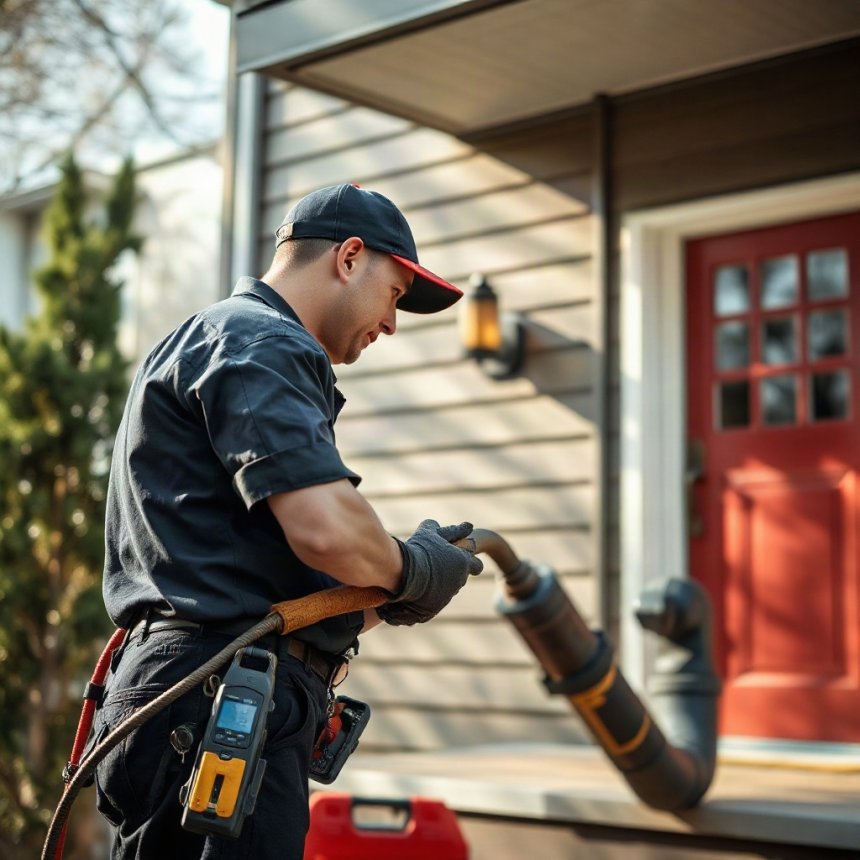
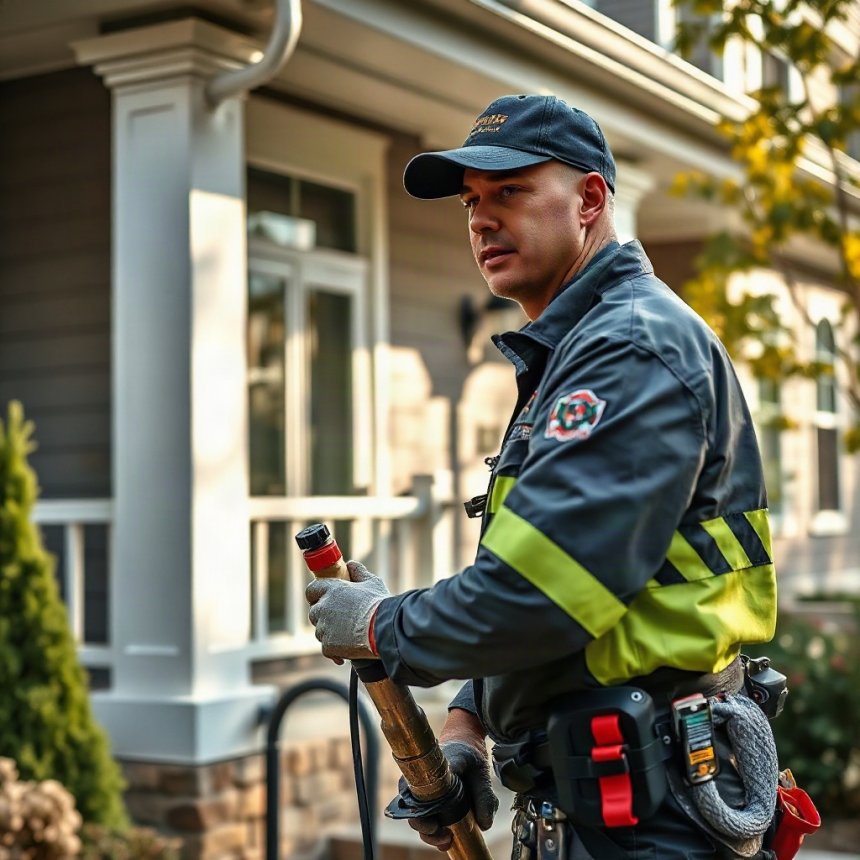
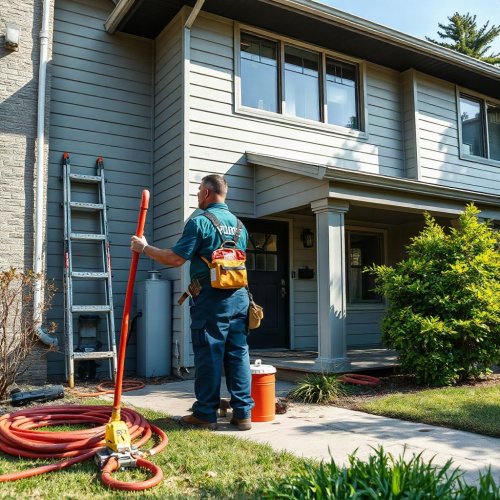
Standard snaking only punches a small hole through a blockage, leaving residue behind. High-pressure hydro-jetting uses specialized water streams to scour interior pipe surfaces, removing grease, scale, and root tendrils completely.
Conduct Periodic Sewer Camera Inspections
A sewer camera inspection provides a real-time visual assessment of your lateral line's interior condition. Property owners should consider annual or bi-annual camera scopes, especially for older buildings or high-traffic restaurants, to identify minor cracks, root intrusions, or scale buildup before they turn into emergencies.
What to Do If a Backup Occurs
If your business experiences an active sewer backup, swift and safe action is required:
-
Stop All Water Usage Immediately: Inform staff and customers to stop using sinks, toilets, and dishwashers to prevent additional wastewater from entering the overflowing area.
Protect Inventory and Equipment: Move inventory, electronics, and paperwork away from the affected area to higher ground or elevated shelving.
Avoid Direct Contact with Wastewater: Sewage contains harmful pathogens and bacteria. Wear appropriate protective gear if containment is necessary, and keep customers away from affected zones.
Contact a Qualified Commercial Plumber: Professional intervention is required to clear the main obstruction safely and sanitize the affected areas according to health regulations.
Cost Factors in Commercial Sewer Maintenance and Repair
Understanding what influences commercial plumbing costs helps business owners budget effectively for maintenance versus emergency repairs.
| Cost Factor | How It Affects the Scope |
|---|---|
| Accessibility | Easily accessible cleanouts reduce labor time, whereas lines buried beneath concrete slabs, commercial kitchens, or parking lots require specialized excavation or trenchless repair. |
| Severity of Blockage | Simple soft clogs cleared with a snake cost significantly less than severe root intrusions, collapsed pipes, or heavy grease blockages requiring extensive hydro-jetting or structural lining. |
| Emergency Timing | After-hours, weekend, or holiday emergency response involves higher labor rates due to immediate dispatch requirements. |
| Regulatory Compliance | Commercial repairs often require adherence to local health and building codes, grease disposal documentation, and potential permit coordination with municipal authorities. |
Frequently Asked Questions
How often should a restaurant in Miami clean its grease trap?
Most commercial food service establishments require grease trap servicing every 30 to 90 days, depending on the volume of food prepared and the size of the interceptor. High-volume kitchens may need monthly service to prevent grease from escaping into the main sewer line.
Can heavy rain in Miami cause my business to experience a sewer backup?
Yes. Heavy tropical storms can overwhelm municipal sewer mains with stormwater infiltration. If the municipal system reaches capacity, wastewater can travel backward through lateral lines into commercial properties, particularly those with low-lying floor drains lacking functional backwater valves.
What is the difference between snaking a commercial drain and hydro-jetting?
Snaking uses a rotating cable to punch a hole through a blockage, restoring temporary flow. Hydro-jetting uses high-pressure water streams to scour the entire interior circumference of the pipe, removing grease, scale, and mineral buildup entirely to prevent rapid recurrence.
Are commercial tenants responsible for main sewer line repairs?
In most commercial lease agreements, structural plumbing repairs and main sewer line maintenance fall under the landlord or property owner's responsibility, while tenant-induced clogs resulting from improper disposal habits are often the tenant's responsibility. Always review your specific lease agreement.
What are the signs that a sewer line is broken rather than just clogged?
Signs of a structural break include persistent foul odors that do not resolve after cleaning, wet spots or depressions forming in the landscaping or parking lot above the line, and repeated backups occurring shortly after professional clearing.
How does a sewer camera inspection work?
A flexible rod equipped with a high-resolution waterproof camera is inserted into the sewer line through an accessible cleanout. It transmits live video to a technician, allowing them to inspect pipe conditions, locate blockages precisely, and identify structural damage without unnecessary digging.