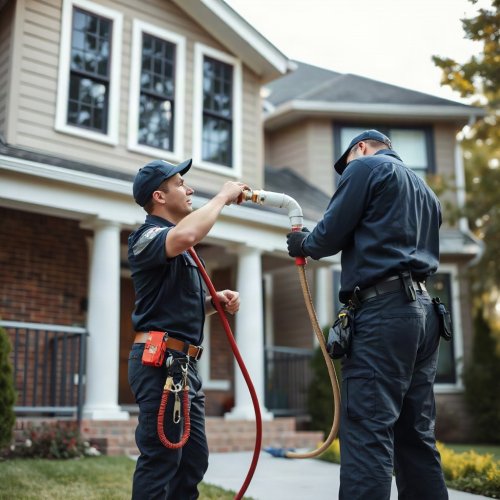
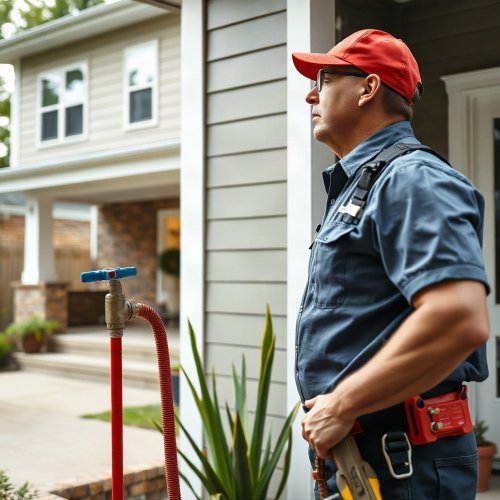
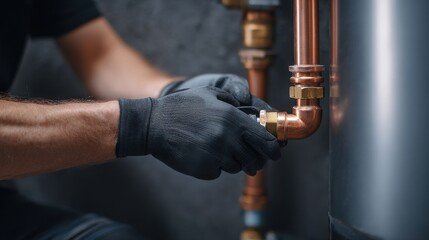
Backflow Prevention & Testing in Miami FL: What Property Owners Need to Know
Understand what a backflow plumber does in Miami FL, why backflow prevention assemblies matter, testing requirements, and common failure causes.

Understanding Backflow and Cross-Connection Control
When clean drinking water flows into a property, it relies on consistent pressure to move in one direction. However, changes in municipal water pressure or internal pressure spikes can cause water to reverse direction. This dangerous phenomenon is known as backflow. When backflow occurs, contaminated water, chemicals, fertilizers, or sewage can be pulled backward into the potable water supply, creating a serious public health hazard.
In Miami FL, properties with high-risk cross-connections—such as commercial buildings, restaurants, multi-story apartment complexes, medical facilities, and residential irrigation systems—are required by local utility regulations to install and maintain specialized backflow prevention assemblies. Working with a certified backflow plumber ensures these safety devices operate correctly, protect the public water supply, and comply with municipal mandates.
How Backflow Prevention Assemblies Work
A backflow prevention assembly is essentially a mechanical check-valve system designed to stop contaminated water from siphoning or pushing back into clean supply lines. Depending on the hazard level and the specific plumbing configuration, different types of assemblies are utilized across residential and commercial properties in Miami-Dade County:
Pressure Vacuum Breakers (PVB): Commonly used on outdoor irrigation systems and landscape watering lines. They protect against backsiphonage but must be installed above all downstream piping.
Double Check Valve Assemblies (DCVA): Typically installed on fire sprinkler systems or low-hazard commercial lines where non-health hazards are present. They feature two independently operating spring-loaded check valves.
Reduced Pressure Principle Assemblies (RPZ): The highest level of mechanical protection, required for high-hazard commercial kitchens, medical facilities, or properties connected to chemical injection systems. An RPZ valve includes an automatically operating relief valve placed between two check valves to discharge any back-pressure or back-siphonage safely.
Why Backflow Assemblies Fail
Backflow prevention devices contain precision internal components, including rubber seals, discs, springs, and check valves. Over time, these parts degrade due to continuous water pressure, mechanical wear, mineral scaling, or debris traveling through aging municipal water mains.
In South Florida's warm climate, rubber components can dry out, harden, or crack more rapidly if exposed to intense heat or direct sunlight in exterior enclosures. Additionally, sudden pressure fluctuations during heavy municipal water demand or local main breaks can stress internal springs. When debris from aging iron pipes becomes trapped under a check valve seat, the valve cannot close completely, causing internal leakage and eventual device failure during an annual test.
The Annual Backflow Testing Process
Municipal codes in Miami-Dade County require most commercial, multi-family, and designated irrigation backflow assemblies to be tested annually by a certified backflow prevention assembly tester. This testing verifies that every internal check valve and relief port operates within strict manufacturer specifications.
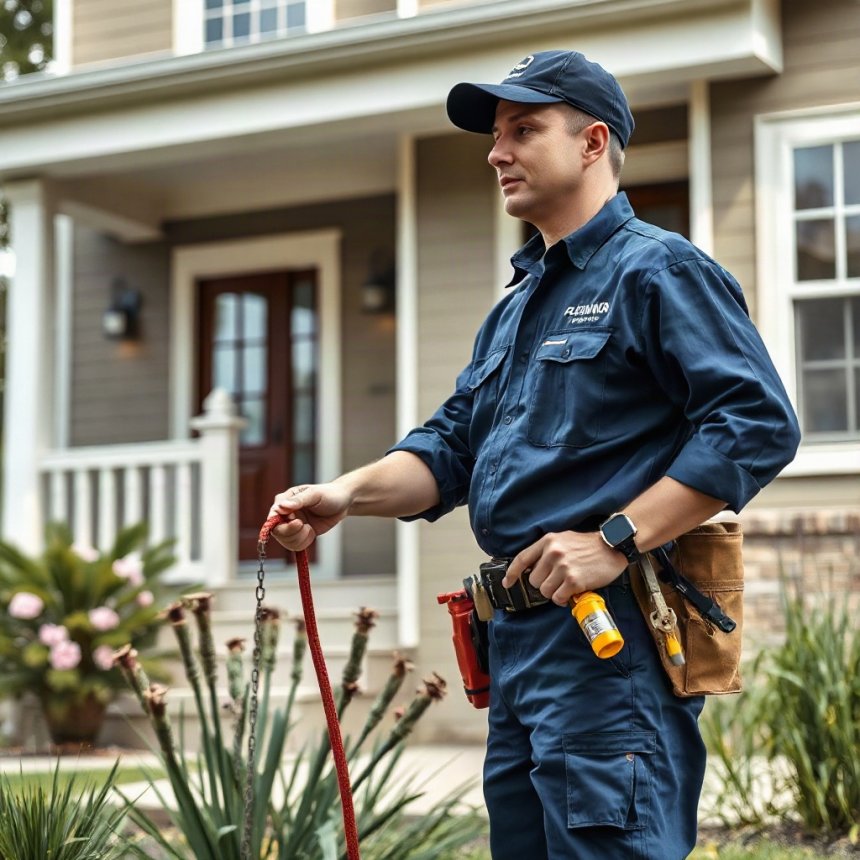
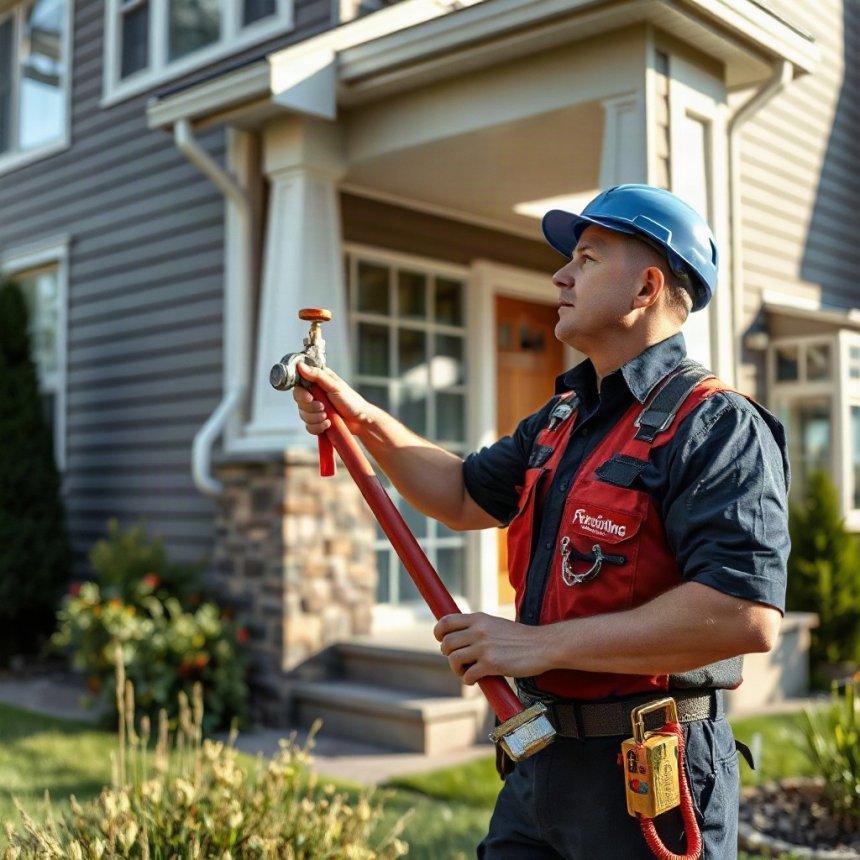
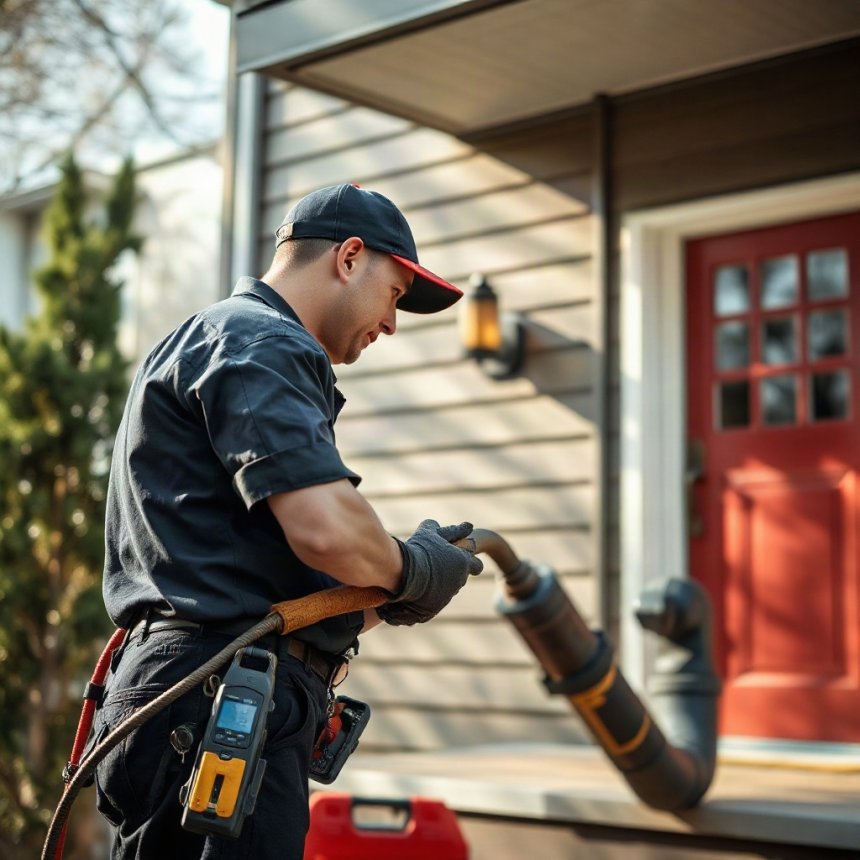
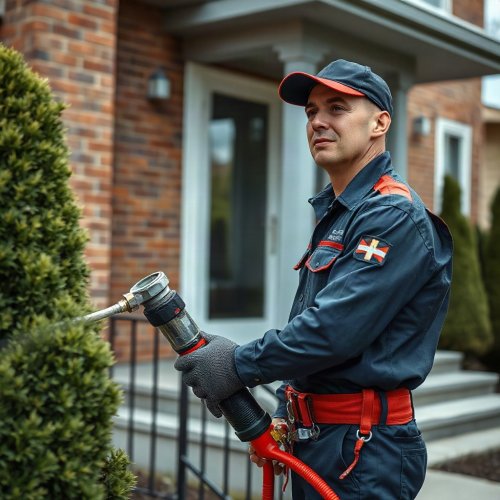
During a professional test, the plumber attaches a specialized differential pressure gauge test kit to test cocks built into the assembly. By measuring pressure drops across the check valves and checking the opening point of the relief valve, the tester can determine whether the assembly is holding pressure securely or leaking internally.
If the device passes, the certified paperwork must be submitted to the local water authority or compliance tracking entity. If the device fails, immediate repair or rebuilding is required to restore water safety and prevent municipal compliance penalties or service disconnection.
Repair Versus Replacement: What to Expect
When a backflow assembly fails its annual test, property owners often wonder whether the entire unit must be replaced or if a simple repair will suffice. In most cases, a failed test does not mean the heavy brass body of the valve is ruined. Internal repair kits—consisting of fresh rubber discs, o-rings, springs, and poppets—can often rebuild the assembly to factory specifications.
However, replacement may be necessary if:
- The brass body has cracked due to physical impact, severe manufacturing defects, or pressure stress.
- Internal corrosion or deep pitting prevents new seals from seating properly.
- The unit is obsolete, and replacement parts are no longer manufactured.
- Freezing or mechanical stress has structurally compromised the valve housing.
Cost Factors for Backflow Services in Miami FL
Property owners often encounter varying estimates for backflow testing and repair services. Understanding what influences these costs helps clarify why two seemingly identical service calls differ in scope:
Device Accessibility and Location: Assemblies installed inside secure commercial utility rooms, subterranean meter vaults, or tight outdoor security cages require more time and specialized access than a standard, unobstructed exterior irrigation backflow valve.
Device Size and Type: Standard 3/4-inch or 1-inch residential irrigation backflow preventers require standard testing and smaller repair kits. Large 3-inch or 4-inch commercial and fire line assemblies require heavy-duty testing equipment, lifting gear, and expensive commercial-grade internal rebuild kits.
Repair Complexity: A simple test might reveal a minor cleaning requirement if debris is wedged under a check valve. Conversely, if internal springs have snapped or check modules are completely calcified, a full internal overhaul or body replacement will be required.
Permits and Regulatory Filings: Commercial repairs or replacement installations may require formal notification, paperwork processing, or municipal inspection fees depending on local utility protocols.
Homeowner and Property Manager Safety Guidelines
While certified backflow testing and repairs must be performed by licensed, certified professionals, property owners can perform safe visual inspections to catch potential issues early:
- Inspect outdoor backflow enclosures regularly to ensure they are free of debris, standing water, and ant infestations.
- Check for continuous water weeping or discharge from the relief valve port underneath an RPZ assembly, which indicates an internal seal failure or a drop in supply pressure.
- Protect exposed outdoor piping and valves during severe weather or freezing temperature drops, which can occasionally impact exposed South Florida assemblies.
- Keep accurate records of previous test reports and compliance due dates to avoid municipal late fees or water shut-off notices.
Frequently Asked Questions
What is a backflow preventer and why is it legally required in Miami?
A backflow preventer is a mechanical valve that stops contaminated water from reversing flow into the municipal drinking water supply. Local utilities mandate these devices on commercial, multi-family, and high-hazard residential irrigation systems to protect public health against cross-contamination.
How often does a backflow prevention assembly need to be tested?
In Miami-Dade County, certified backflow assemblies must be tested at least once a year. Commercial properties, restaurants, and facilities with dedicated fire lines or chemical injection systems may face stricter testing schedules dictated by local operating permits or insurance requirements.
Can a homeowner test their own backflow valve?
No. Backflow testing requires specialized, calibrated differential pressure gauge equipment and state-mandated certification. Municipal water authorities only accept test reports submitted by licensed plumbers holding active backflow tester credentials.
Why is water continuously dripping from my backflow valve?
If water is weeping or discharging steadily from the central relief port of an RPZ assembly, it usually indicates that debris is trapped under a check valve, internal rubber seals have worn down, or municipal supply pressure is fluctuating. A certified plumber must inspect and service the unit.
Who is responsible for backflow testing in a Miami condo or commercial building?
For single-family homes with irrigation, the property owner is responsible. In commercial properties, condominiums, or shared high-rises, responsibility usually falls on the commercial tenant, property management company, or the homeowners association (HOA) depending on the property's master plumbing configuration and governing documents.
What happens if a backflow device fails its annual test?
If a device fails, the certified tester will document the failure. The property owner must authorize necessary repairs or parts replacement promptly so the device can be re-tested and a passing report submitted to the local water utility before compliance deadlines expire.