Gas Line Plumber in Miami FL: Safety, Repairs & Installation
Understand what to do when dealing with gas line issues in Miami. Learn about safety checks, common repairs, and when to hire a professional.

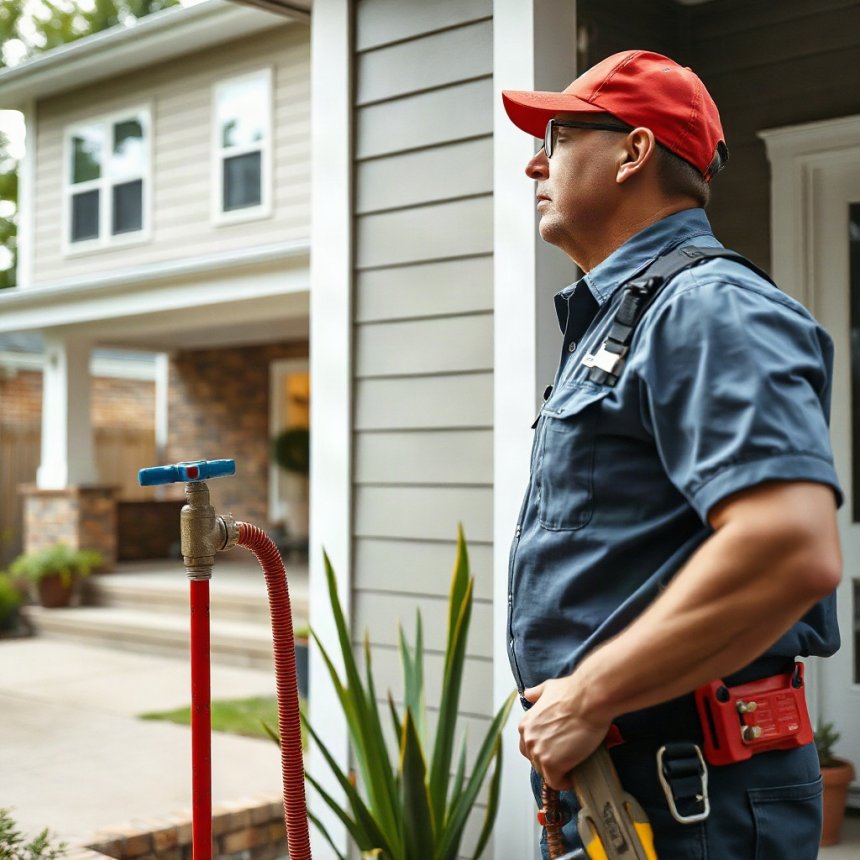
Understanding Gas Line Systems and Professional Requirements
Working with natural gas or liquefied petroleum (propane) lines requires specialized knowledge, strict adherence to local building codes, and appropriate licensing. Unlike standard water supply or drainage pipes, a failure in a gas distribution system presents immediate safety risks, including fire, explosion, or toxic exposure. When homeowners in Miami experience issues involving gas-powered appliances like water heaters, ranges, or pool heaters, understanding how the system operates helps ensure safe decision-making.
Gas piping systems distribute fuel safely from the utility meter or private storage tank to individual appliances inside or outside a home. These networks utilize specialized materials such as black iron, corrugated stainless steel tubing (CSST), or approved high-density polyethylene for underground exterior runs. Because every connection must maintain a hermetic seal under specific pressure parameters, minor installation errors or material degradation can lead to hazardous situations.
Recognizing Potential Gas Line Problems
Identifying a gas issue early relies heavily on sensory clues and operational observations. Recognizing these signs allows property owners to take immediate safety precautions before minor connection faults escalate into major emergencies.
- Distinct Odor: Utility companies add a harmless sulfur-like scent, often compared to rotten eggs, to otherwise odorless natural gas or propane to make leaks detectable.
- Audible Hissing: A persistent whistling or hissing sound near a supply pipe, valve, or appliance connector typically indicates pressurized gas escaping through a gap or fracture.
- Unexplained Dead Vegetation: Underground gas lines running through a yard can develop hidden breaches; escaping gas displaces soil oxygen, causing patches of grass or landscaping to die off unusually fast.
- Appliance Performance Issues: Burners that produce sputtering yellow flames instead of steady blue tips, or pilot lights that repeatedly extinguish, can sometimes point toward localized pressure drops or supply restrictions.
Safe Immediate Actions During a Suspected Gas Leak
If you detect the distinct odor of gas or suspect an active breach within your property's distribution network, immediate action is necessary to protect occupants. Safety protocol supersedes all troubleshooting.
Evacuate Immediately
Ensure all family members, pets, and visitors leave the premises right away. Do not pause to search for the source or gather belongings.
Avoid Electrical Triggers
Do not flip light switches, operate electronic devices, start vehicles parked nearby, or use landline phones inside the structure. Electrical sparks from standard switches or appliances can ignite concentrated gas vapors.
Shut Off the Main Valve If Safe
If you know the exact location of the main supply shut-off valve at the meter or tank and can reach it safely without entering a hazardous cloud of gas, turn it a quarter-turn perpendicular to the pipe using an appropriate wrench. If reaching the valve poses any risk, leave it alone and evacuate.
Contact Emergency Services and Utilities
Once safely away from the property, contact your local emergency services and the utility provider so they can dispatch technicians to shut off service at the main meter and secure the area.
Why Minor Repairs Require Professional Intervention
Homeowners frequently wonder which maintenance tasks they can handle independently. When dealing with gas distribution networks, the margin for error is nonexistent. DIY repairs involving threaded pipe joints, sealing compounds, or flexible connectors carry severe legal and safety ramifications.
A licensed professional utilizes specialized pressure gauges, electronic leak-detection sniffers, and bubble-testing solutions to verify system integrity. Furthermore, local municipal guidelines and utility regulations in Miami-Dade County typically mandate that any new installation, extension, or major alteration of fuel gas piping must be performed by a qualified contractor and subjected to formal building department inspections.
Common Gas Piping Repairs and Upgrades
When a qualified specialist evaluates a distribution network, several standard solutions may be implemented depending on the diagnostic findings.
- Valve Replacement: Shut-off valves located directly behind appliances can wear out over time, failing to achieve a complete seal when closed. Replacing an old brass or iron valve restores reliable manual control.
- Connector Upgrades: Outdated rubber or unshielded metal appliance connectors can become brittle or corroded. Modern installations utilize coated corrugated stainless steel tubing designed to withstand standard stress and minor seismic shifts.
- Pipe Sealing and Rerouting: If corrosion attacks black iron pipes in high-moisture areas—such as outdoor pool equipment pads or damp sub-grade spaces—sections of the network may need replacement to prevent wall thinning and structural breaches.
Factors Influencing Gas Line Project Scope and Complexity
When property owners require new gas piping or extensive repairs, project complexity varies based on several physical and logistical factors. Understanding these variables helps clarify why estimates differ between properties.
- Distance from Supply: Running a new branch line to an additional appliance located on the opposite side of a large single-family residence requires significantly more material, labor, and structural penetration than connecting a unit near the main meter.
- Wall and Foundation Access: Concealed pipes running behind finished drywall, beneath concrete slabs, or through tight structural framing require careful access creation and subsequent patching, which adds labor time to the project.
- Material Sizing and Capacity: Adding high-demand appliances—such as a tankless water heater or a commercial-grade restaurant range—may necessitate upgrading the diameter of the primary supply line to ensure adequate volume and pressure delivery across all active fixtures.
Frequently Asked Questions
Can I use soapy water to check for a gas leak?
Applying a mixture of dish soap and water to threaded joints or valves is a common diagnostic method used to spot active leaks, as escaping gas will create visible bubbles. However, this method should only be used for minor verification after suspected repairs; if you smell gas strongly, evacuate immediately rather than attempting DIY testing.
Why is my gas appliance pilot light going out repeatedly?
A pilot light that refuses to stay lit can indicate a faulty thermocouple, a buildup of soot or debris around the pilot assembly, or inconsistent gas supply pressure. If cleaning the burner assembly does not resolve the issue, a professional evaluation is required to check the control valve and supply pressure.
Are underground gas lines on my property my responsibility?
Generally, property owners are responsible for maintaining and repairing all gas lines located downstream from the utility company's meter or storage tank. If an underground line running to a detached pool heater, outdoor kitchen, or generator develops a leak on private property, hiring a qualified specialist is necessary.
How often should residential gas lines be inspected?
While routine inspections are not always legally mandated for existing residential systems unless a property is being sold or remodeled, having a licensed professional inspect your gas appliances and accessible piping every few years provides valuable peace of mind.
What should I expect during a professional gas line pressure test?
A pressure test involves isolating the piping network, closing all appliance connections, and pumping air into the system to a specified test pressure monitored by a gauge. If the gauge holds steady over a required timeframe, the system is sealed; a pressure drop indicates a hidden leak that must be located and repaired before service can be restored.