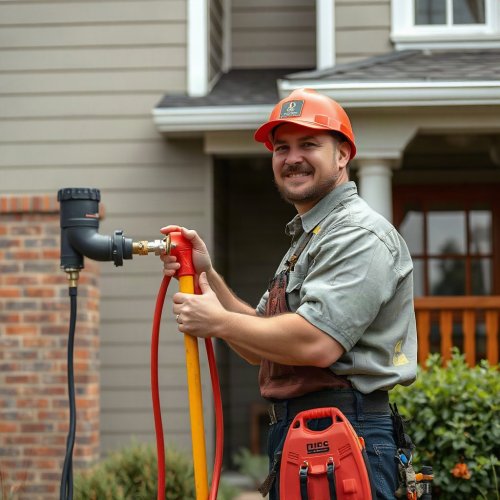
Why Backflow Prevention Matters for Your Plumbing System
Discover why backflow prevention devices are critical for protecting clean drinking water, how contamination happens, and what property owners should know.


Understanding the Role of Backflow Prevention in Plumbing
Your property's plumbing system relies on consistent water pressure to keep clean drinking water moving forward into your taps, showers, and appliances. Under normal conditions, supply pressure ensures that water only flows in one direction: from the municipal main into your home or business. However, fluctuations in pressure can occasionally reverse this direction, creating a serious hazard known as backflow. When backflow occurs, contaminated water, chemicals, fertilizers, or wastewater can be pulled backward into the potable water supply, threatening health and safety.
In regions like South Florida, where properties often feature extensive irrigation systems, swimming pools, multi-story configurations, and diverse commercial or residential setups, understanding how backflow prevention assemblies function is vital. Protecting clean water requires more than just hoping pressure remains stable; it demands mechanical safeguards designed to intercept reversals before they compromise your water supply.
How Backflow Happens: Backsiphonage vs. Backpressure
To understand why prevention mechanisms are necessary, it helps to examine the two primary physical forces that cause water to flow backward through a plumbing system:
- Backsiphonage: This occurs when a sudden drop in supply pressure creates a partial vacuum in the water distribution pipes. Similar to drinking through a straw, this negative pressure pulls water from sinks, hoses, or irrigation lines backward into the main supply. Main water line breaks, heavy neighborhood water demand, or fire hydrant flushing can trigger backsiphonage.
- Backpressure: This happens when downstream pressure exceeds the supply pressure coming from the utility. If a commercial boiler, a boosted water pump system, or an elevated irrigation line creates higher pressure than the incoming water line, downstream water is forced backward against the normal direction of flow.
Without physical barriers in place, these pressure changes can draw stagnant or chemical-treated water directly into kitchen faucets, bathroom sinks, and showerheads.
Common Cross-Connections That Risk Contamination
Backflow usually happens at a cross-connection—any physical point where a potable water line connects directly to a non-potable source, equipment, or chemical containment system. Identifying these connections helps explain why mechanical prevention devices are required on specific lines:
- Irrigation and Lawn Sprinklers: Underground irrigation systems frequently sit in contact with soil, fertilizers, pesticides, and standing groundwater. If a drop in pressure occurs while a sprinkler head is submerged in a puddle, contaminated water can enter the supply lines.
- Swimming Pools and Spas: Direct fill lines or automatic pool water levelers connected to household plumbing present a risk if pool chemicals or treated water are siphoned back into the home.
- Commercial Boilers and Chillers: Industrial heating and cooling loops often contain corrosion inhibitors, anti-freeze chemicals, or stagnant water that must be strictly separated from drinking water lines.
- Hose Bibs and Utility Sinks: Attaching a chemical sprayer to an outdoor garden hose without an anti-siphon vacuum breaker creates an immediate hazard if the hose nozzle is left submerged in a bucket of soapy water or weed killer during a pressure drop.
Types of Backflow Prevention Assemblies
Plumbing systems use different types of backflow prevention assemblies depending on the degree of hazard and the specific application. Selecting the appropriate device is critical for reliable protection.
- Atmospheric Vacuum Breakers (AVB): These simple devices are commonly found on outdoor hose bibs and individual fixtures. They rely on air pressure to open a vent when water flows, preventing water from being siphoned backward. They are designed for low-hazard, intermittent use and cannot hold continuous pressure under constant downstream valves.
- Double Check Valve Assemblies (DCVA): Consisting of two independently operating spring-loaded check valves, these assemblies protect against both backsiphonage and backpressure for moderate-hazard applications, such as fire sprinkler systems or supply lines where toxic substances are not present.
- Reduced Pressure Principle Assemblies (RPZ): Representing the highest level of mechanical protection, an RPZ includes two independent check valves separated by a hydraulically operated relief valve. If either check valve fails or begins to leak, the relief valve opens and discharges water downward, providing a visible warning while preventing contaminated water from passing upstream. RPZs are required for high-hazard connections where toxic chemicals or fertilizers are present.
Hidden Indicators That a Prevention Assembly May Be Failing
Backflow prevention assemblies contain internal rubber seals, springs, and check valves that wear down over time due to constant water pressure, mineral scaling, and normal mechanical fatigue. Property owners and managers should watch for specific clues that indicate a device requires service:
- Continuous or Intermittent Water Discharge: An RPZ assembly will intentionally discharge water from its relief port if debris fouls a check valve or if pressure fluctuates abnormally. While occasional minor weeping can occur during severe pressure spikes, steady water running from the relief port indicates an internal failure or fouling.
- Spike or Drop in Downstream Water Pressure: If internal check valves become stuck or fail to open fully, they can restrict water flow, resulting in noticeably lower pressure at connected fixtures or irrigation zones.
- Unusual Hissing or Chattering Noises: Mechanical wear inside check valves can cause vibration, rattling, or water hammer effects when valves open and close under pressure.
- Visible Mineral Crust or Corrosion: Hard water deposits, calcium scaling, and external corrosion around test cocks or housing joints can hinder the movement of internal mechanical components.
Maintenance, Testing, and Compliance Realities
Because backflow preventers are life-safety mechanical devices, they cannot be installed and simply forgotten. Most local utilities, municipal codes, and health departments mandate annual testing by a certified backflow assembly tester. A proper test verifies that the internal check valves and relief mechanisms hold pressure and seal tightly against reverse flow.
When planning for maintenance or repair, property owners should consider several practical factors that influence service scope:
- Accessibility: Assemblies located below grade in valve boxes, high on exterior walls, or inside crowded mechanical rooms may require specialized access or excavation for testing and rebuilding.
- Water Shut-Off Requirements: Testing and repairing a backflow preventer temporarily shuts off the downstream water supply, which must be coordinated carefully in commercial buildings, multi-tenant properties, or active irrigation schedules.
- Repair Kits vs. Full Replacement: Often, a failing assembly does not require complete replacement. Certified technicians can replace internal rubber discs, springs, and check modules using manufacturer-approved rebuild kits, provided the brass or bronze body remains structurally sound.
- Thermal Expansion: When a backflow preventer closes a system into a closed-loop configuration, thermal expansion from water heaters can cause pressure spikes, making expansion tanks necessary to protect pipes and fixtures.
Frequently Asked Questions
- What is the main purpose of a backflow preventer? A backflow preventer stops non-potable water, chemicals, or wastewater from reversing direction and contaminating clean municipal drinking water supplies.
- Why do backflow assemblies require annual testing? Internal rubber seals, springs, and moving parts degrade, wear out, or collect mineral scale over time, which can compromise the device's ability to block contamination during a pressure drop.
- Can a homeowner test their own backflow preventer? No. Backflow testing requires specialized calibrated gauge equipment, formal state or local certification, and specific technical training to ensure the assembly meets code standards.
- Why is water continuously running out of my backflow device? Continuous discharge from the relief valve of an RPZ assembly usually indicates that debris is trapped inside a check valve or that internal seals have worn out, requiring professional service.
- Are backflow preventers required on residential irrigation systems? Most municipal building and plumbing codes require an approved backflow prevention assembly on any underground lawn sprinkler system to protect the public water supply from fertilizers and soil contaminants.
- Who is responsible for a backflow preventer in a condominium or commercial property? Responsibility depends on property documents, meter locations, and local utility rules. Commercial owners and condo HOAs typically maintain shared assemblies, while unit owners are responsible for private fixtures. Current requirements should always be verified with local utility guidelines or property management.