Backflow Prevention & Testing in Miami FL: What Property Owners Need to Know
Understand what a backflow plumber does in Miami FL, why backflow prevention assemblies matter, testing requirements, and common failure causes.


Understanding Backflow and Cross-Connection Control in Plumbing Systems
When clean drinking water flows into a property, it relies on continuous positive pressure to travel from municipal supply mains through your pipes and out of your faucets. However, changes in pressure or hydraulic conditions can sometimes reverse that direction. When this happens, contaminated water from irrigation systems, commercial processes, or auxiliary water sources can be pulled backward into the potable water supply. This reversal is known as backflow.
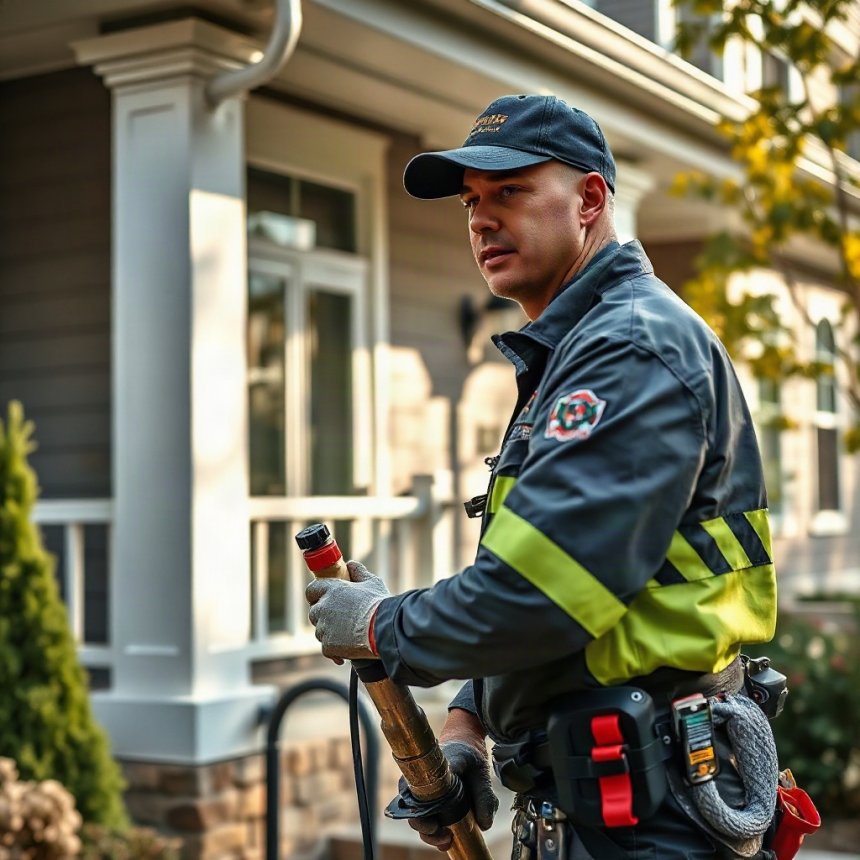
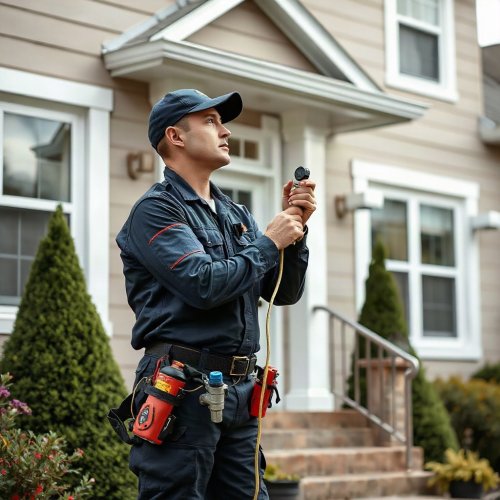
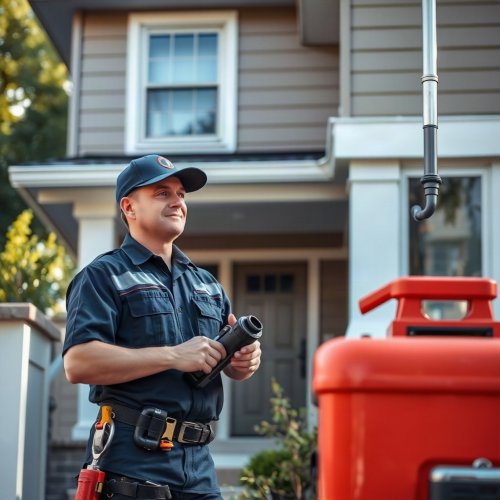
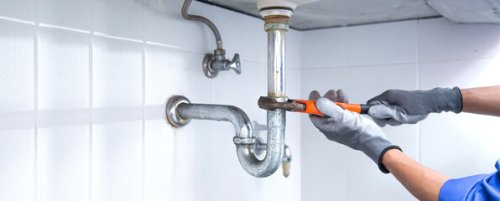
A backflow plumber specializes in installing, testing, maintaining, and repairing the mechanical assemblies designed to stop this dangerous contamination. In densely populated urban areas like Miami, as well as throughout suburban Miami-Dade County, backflow prevention is critical for protecting both individual properties and the broader municipal water supply network. Whether you manage a commercial building, own a restaurant, or operate a residential property with an automated lawn sprinkler system, understanding how these devices function helps ensure safe drinking water and compliance with local utility mandates.
The Mechanics of Backflow: Back Pressure Versus Back Siphonage
Backflow occurs through two distinct hydraulic mechanisms: back siphonage and back pressure. Recognizing which mechanism is at play helps property owners understand why specific protection assemblies are required.
Back Siphonage
Back siphonage happens when a partial vacuum occurs in the water supply piping, drawing water backward from a fixture or system. This condition can be caused by a sudden drop in municipal water pressure, such as a water main break, heavy neighborhood demand during peak hours, or a fire hydrant opening nearby. If a garden hose is submerged in a chemical bucket, or if an irrigation system sits higher than the supply connection without adequate air gaps, the negative pressure can pull those liquids straight back into the interior plumbing.
Back Pressure
Back pressure occurs when the pressure in a downstream system exceeds the pressure in the supply line. This happens when booster pumps, elevated storage tanks, or closed-loop heating systems create higher pressure than what is entering from the municipal water main. If a commercial boiler or industrial process operates at a higher pressure than the incoming domestic water line, it can force chemicals or non-potable water backward through unprotected cross-connections.
Where Backflow Assemblies Are Required in Miami Properties
Not every plumbing fixture requires a dedicated mechanical backflow preventer, but certain high-risk connections make them mandatory under plumbing codes and utility guidelines. Local regulations enforced by entities such as Miami-Dade Water and Sewer Department (WASD) require approved backflow assemblies on properties where cross-connections pose a health hazard.
- Landscape Irrigation Systems: Underground sprinkler systems mix fertilizers, herbicides, and standing groundwater into valves that connect directly to domestic water lines, making them a primary target for backflow prevention.
- Commercial Buildings and Retail Spaces: Multi-tenant structures, office buildings, and retail plazas often require containment assemblies at the main service entrance to isolate the entire building from the public water supply.
- Restaurants and Food Service Facilities: Commercial kitchens utilize deep-fryer vat fillers, pre-rinse spray valves, ice machines, and chemical dispensers that present high-hazard cross-connection risks.
- Medical, Dental, and Veterinary Offices: Specialized equipment, sterilizers, and sink configurations handling medical waste require dedicated backflow protection.
- Properties with Auxiliary Water Sources: Any property utilizing a well, canal water pump, or reclaimed water alongside municipal water must have rigorous backflow protection to prevent cross-contamination.
Types of Backflow Prevention Assemblies
A backflow plumber works with several mechanical assemblies, each engineered for specific hazard levels and installation conditions. Choosing the correct assembly depends entirely on the degree of hazard and the hydraulic environment.
Reduced Pressure Zone (RPZ) Assemblies
An RPZ valve provides the highest level of protection against both back siphonage and back pressure. It features two independently operating spring-loaded check valves with a hydraulically operated differential relief valve located between them. If either check valve fails or begins to leak, the relief valve opens and discharges water downward to the atmosphere, preventing contaminated water from crossing into the supply line. RPZs are required for high-hazard applications such as chemical injection systems, commercial boilers, and medical facilities.
Double Check Valve (DCV) Assemblies
A double check assembly consists of two independently operating spring-loaded check valves assembled within a single housing, complete with tightly valved test cocks. While reliable, DCVs are generally restricted to low-hazard applications where a failure would result in a nuisance rather than a health hazard, such as certain standard fire sprinkler systems or complex landscape irrigation configurations.
Pressure Vacuum Breaker (PVB) Assemblies
A PVB contains an independent check valve and an air inlet valve that opens when the supply pressure drops, breaking the vacuum and preventing back siphonage. PVBs are frequently used on outdoor irrigation lines. However, they must be installed several inches higher than any downstream piping and cannot be subjected to continuous back pressure.
Annual Testing, Maintenance, and Common Failure Points
Backflow assemblies rely on internal rubber seals, springs, discs, and movable check modules that degrade over time. In South Florida's warm, humid climate, mineral scaling, sediment accumulation, and UV exposure can accelerate wear on outdoor assemblies.
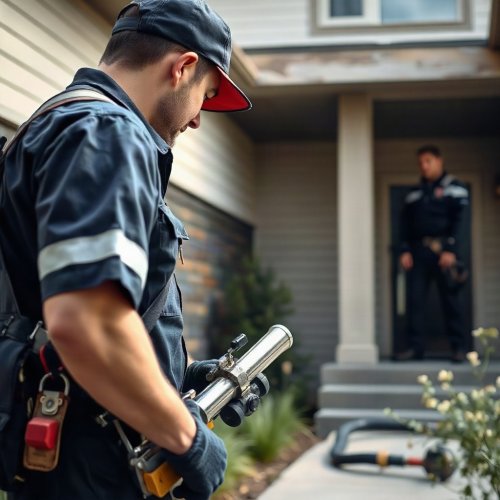
Annual testing by a certified backflow plumber is mandatory for commercial properties and most regulated irrigation systems. During a test, a technician connects calibrated differential pressure gauges to test cocks on the assembly to verify that the check valves hold against specific pressure differentials and that the relief valve opens within code tolerances.
Common reasons backflow assemblies fail annual testing include:
- Debris and Mineral Buildup: Sand, pipe scale, or calcium deposits can lodge between the rubber disc and the valve seat, preventing a tight seal.
- Worn Rubber Components: Internal check valve seals harden, crack, or warp over time due to chemical exposure and age.
- Pressure Fluctuations and Water Hammer: Sudden pressure spikes within the municipal supply or rapid valve closures can stress internal springs and mechanical linkages.
- Thermal Expansion: In closed systems, heated water expansion can place continuous abnormal pressure against internal check valves, accelerating wear.
What to Expect During a Professional Backflow Service
When you schedule service with a qualified backflow plumber, the procedure typically involves distinct phases depending on whether you need a new installation, an annual certification test, or a repair.
For annual testing, the plumber temporarily shuts off downstream isolation valves, attaches test equipment to the test cocks, and records differential readings. If the assembly passes, the plumber completes the required certification paperwork for submission to the local water utility or property management. If the assembly fails, the plumber disassembles the unit, cleans or replaces internal components (such as check modules or relief valve seals), and retests the assembly until it meets all operational standards.
For new installations or retrofits, the plumber evaluates pipe sizing, static water pressure, municipal supply requirements, and local freeze-protection guidelines. While Miami does not experience freezing winters, outdoor assemblies are often housed in insulated enclosures to protect them from direct sun damage and accidental physical impact.
Frequently Asked Questions
Why is an annual backflow test required?
Annual testing ensures that internal mechanical components like springs and rubber seals are operating correctly. Because parts wear out or become fouled with debris over time, regular testing verifies that your property is not accidentally contaminating the public water supply.
Can I test or repair my own backflow preventer?
No. Backflow testing and repair require specialized, calibrated gauge equipment and state or county certifications. Municipal water authorities only accept test reports submitted by licensed cross-connection control technicians.
What happens if my backflow assembly fails its annual test?
If an assembly fails, it must be repaired or replaced promptly. Operating with a failed backflow preventer can result in water utility citations, service shutoffs, or a heightened risk of cross-contamination.
Why is water discharging from the relief valve on my RPZ valve?
Continuous or intermittent discharge from an RPZ relief valve usually indicates that debris is trapped in one of the check valves, supply pressure has fluctuated dramatically, or internal rubber seals have worn out and require replacement.
Are backflow preventers required on residential irrigation systems in Miami?
Yes. Because underground sprinkler systems represent a direct cross-connection between chemical-treated soil and the public water supply, local utility codes require approved backflow prevention assemblies on all active irrigation lines.
Who is responsible for backflow maintenance in a Miami condominium building?
In multifamily residential or condominium properties, backflow assemblies on main service lines or shared landscape systems are typically managed by the homeowners association (HOA) or property management. Individual unit owners should consult their association bylaws regarding internal plumbing responsibilities.