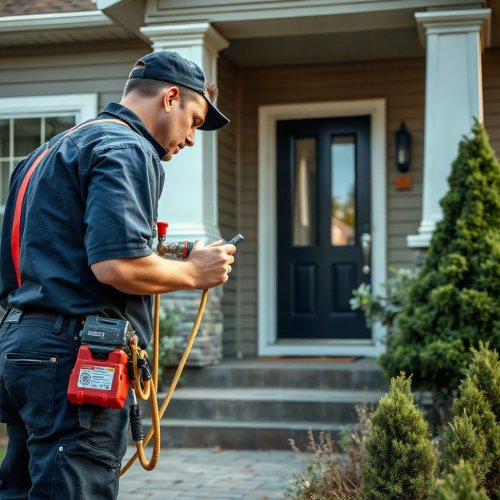
Signs of a Gas Line Problem in a Miami Home: What to Look For
Learn how to recognize the physical signs, hidden clues, and potential risks of a gas line problem in your Miami home. Understand safe inspection steps.

Recognizing Gas Line Issues in Residential Properties
Natural gas and propane are efficient energy sources used throughout many residential properties in Miami for cooking, water heating, and clothes drying. While gas systems are generally reliable, older installation work, ground shifting, corrosive environments, or accidental physical damage can compromise the integrity of supply pipes. Recognizing the early warning indicators of a gas line issue is critical for maintaining household safety.
Unlike water supply or drainage pipes that show immediate pooling or slow draining when compromised, gas distribution systems operate under pressure and carry flammable fuel. Because minor faults can escalate into serious safety hazards, understanding how to interpret sensory clues, appliance behavior, and environmental signs helps homeowners make informed decisions about when to seek professional evaluation.
Sensory Clues: Odor, Sound, and Visual Indicators
Gas leaks rarely happen without leaving subtle or distinct traces. Knowing what to sense around your property can prevent a minor line restriction or joint failure from turning into an emergency.
The Distinctive Odor
Natural gas is naturally odorless and colorless. Utility providers add a harmless chemical compound called mercaptan to give the gas a distinct, unpleasant sulfur or rotten-egg smell. If you notice this odor anywhere in your living space, near an appliance, or outside near an exterior meter or buried line, it serves as an immediate warning sign that requires prompt attention.
Audible Clues
Depending on the size and location of a breach in a pipe or connector, gas escaping under pressure may produce sound. Homeowners should listen for a faint hissing, whistling, or roaring sound near gas appliances, behind walls where gas lines run, or around outdoor supply setups. An unusual sound near a meter or supply valve often points toward a localized connection failure or regulator issue.
Visual Indicators Around the Property
Environmental clues can also reveal underground or outdoor gas line problems. If you notice dead or dying patches of grass, shrubs, or vegetation in a direct line across your yard where an underground gas pipe runs, it may indicate that gas is leaking into the soil and starving plant roots of oxygen. Similarly, bubbling standing water in a puddle or damp area directly above a buried gas line during dry periods can point toward a compromised pipe beneath.
Appliance Performance and Combustion Clues
Sometimes the earliest sign of a gas distribution issue is not an odor or a sound, but rather how fuel-burning appliances behave. Kitchen ranges, water heaters, and pool heaters rely on steady, regulated pressure to maintain proper combustion. When pressure drops or line obstructions develop, appliance performance changes.
- Unusual Flame Color: Gas burners should burn with a crisp blue flame. If burner flames appear yellow, orange, or excessively flickering, it can indicate improper combustion, incorrect air-to-fuel mixing, or fluctuating gas pressure within the supply line.
- Pilot Light Instability: If pilot lights on water heaters or older ranges repeatedly blow out or refuse to stay lit despite a clean thermocouple, the issue may stem from inconsistent gas delivery pressure rather than the appliance component itself.
- Soot Accumulation: Black soot building up around the burners, vents, or exterior housing of gas-fired appliances suggests incomplete combustion, which is frequently linked to pressure regulation problems or partial supply restrictions.
Hidden Insights: Why Gas System Issues Can Be Deceptive
Homeowners often assume that a gas leak will always present a strong, undeniable odor right next to the source. However, several system dynamics can mask or alter these symptoms:
First, mercaptan odor can fade or become masked over time due to soil filtration if a leak occurs underground outside the home, or because of household masking odors like heavy cleaning products, cooking spices, or air fresheners. Second, a very slow, microscopic pinhole leak in a concealed wall cavity might release gas too gradually to saturate the room with a heavy odor, yet over time it can accumulate in enclosed spaces.
Another overlooked detail involves pressure regulators. A failing gas pressure regulator can deliver erratic pressure to your appliances, causing some burners to surge while others starve, even though the supply pipe itself remains physically intact. Distinguishing between a physical pipe breach and a regulator failure requires specialized pressure testing equipment.
Safe Homeowner Inspection Steps and Immediate Actions
Safety is the absolute priority when dealing with any suspected gas line issue. Homeowners must understand what can be safely checked visually and what actions must be avoided entirely.
- Visual Meter and Appliance Check: You can visually inspect accessible flexible connectors behind stoves or dryers for kinks, sharp bends, or corrosion, without pulling or twisting the lines.
- Never Test with Open Flames: Never attempt to locate a gas leak by passing a match, lighter, or candle near pipes or connections.
- Avoid Electrical Switches: If you detect a strong gas odor, do not turn electrical switches on or off, do not unplug appliances, and do not use landline phones or cell phones inside the immediate area, as an electrical spark can ignite concentrated gas.
- Know How to Shut Off the Main Supply: Familiarize yourself with the location of the manual gas shut-off valve near your meter or main appliance. In a confirmed emergency involving a strong odor or hissing sound, shutting off this valve stops the flow of gas into the home.
- Evacuate and Ventilate: If a strong gas odor is present, evacuate all family members and pets from the property immediately, leave doors open if exiting safely allows, and contact your utility provider or emergency services from a safe distance outside.
Repair Scope, Professional Testing, and Cost Factors
When a gas line problem is identified, professional intervention by a licensed, qualified gas plumber or technician is mandatory. Attempting DIY repairs on gas piping violates local building codes and creates severe safety hazards.
Repair options vary depending on the root cause:
- Regulator Replacement: If inconsistent appliance performance stems from a faulty pressure regulator, replacing the valve assembly restores stable gas delivery pressure.
- Connector Replacement: Older flexible brass connectors are prone to failure and are routinely replaced with modern, coated stainless steel connectors that meet current safety standards.
- Pipe Section Repair or Repiping: If corrosion, physical damage, or joint leaks are found in hard pipe runs, the affected section of black iron, galvanized steel, or approved gas-rated tubing must be cut out and replaced or entirely repiped.
The cost of addressing a gas line problem depends heavily on scope variables. Technicians must perform a pressure drop test to isolate whether the issue is localized to a single appliance connection or hidden within the broader distribution network. Factors influencing repair complexity include accessibility behind walls or beneath flooring, the necessity of obtaining local plumbing permits, pipe material type, and whether underground trenching is required to repair a buried outdoor supply line. Always ensure that any gas work is inspected and tested according to local municipal codes before restoring service.
Frequently Asked Questions
What should I do first if I smell gas inside my home?
Immediately evacuate all people and pets from the building. Do not operate electrical switches, appliances, or phones inside the affected area. Once you are safely outside a safe distance away, contact your local gas utility provider or emergency services.
Can I use soapy water to check for a gas leak?
Applying a non-corrosive leak-detection solution or soapy water mixture to accessible threaded joints or shut-off valves can sometimes reveal bubbling if gas is escaping under pressure. However, this method should only be used for minor visual checks and never replaces professional diagnostic testing.
Why is my gas appliance burner flame yellow instead of blue?
A yellow or orange flame indicates that the gas is not burning completely. This is often caused by incorrect air shutter adjustments, dust buildup in the burner, or fluctuating gas supply pressure. It should be checked by a qualified professional.
Are gas line problems covered by standard homeowner insurance?
Coverage depends entirely on your specific insurance policy and the underlying cause of the damage. Sudden accidental damage from a storm might be treated differently than gradual wear and tear or corrosion. Homeowners should review their policy details or consult their insurance agent.
How often should residential gas lines be inspected?
While there is no universal rule requiring annual gas line inspections, having your gas appliances and visible supply connections evaluated periodically during routine HVAC or plumbing maintenance helps catch minor wear, corrosion, or connector aging early.
Can rodents or pests damage gas lines?
While metal gas pipes are resistant to chewing, certain flexible appliance connectors or protective coatings in crawl spaces or hidden utility chases can occasionally be disturbed or damaged by pests, making periodic visual checks of accessible connections beneficial.