Gas Line Installation in Miami FL: What Property Owners Must Know
Learn what goes into safe gas line installation in Miami FL, including material choices, permitting, testing protocols, and vital safety requirements.

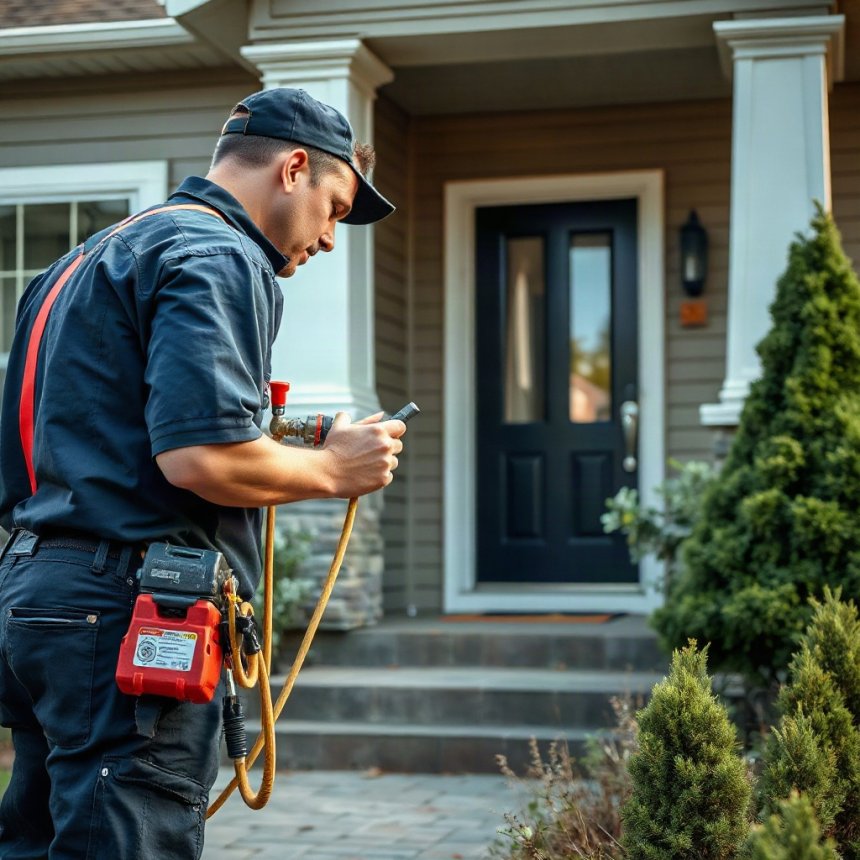
Understanding Gas Line Installation Requirements
Adding or extending a natural gas or propane supply requires strict adherence to safety codes, precise material sizing, and comprehensive pressure testing. Whether you are upgrading a kitchen range, installing a tankless water heater, or setting up a commercial kitchen in Miami, understanding the technical scope helps ensure the project proceeds safely and legally.
Gas line installation is not a standard DIY plumbing project. Because flammable gases present immediate health and safety risks, local building departments and utility providers enforce rigorous regulations regarding who can perform the work, what materials are permitted, and how systems must be inspected before activation.
Evaluating Gas Load and Sizing Requirements
Before any pipe is cut or run, a professional installer must calculate the total gas load. Every appliance that runs on gas—such as cooktops, dryers, water heaters, and pool heaters—consumes a specific number of British Thermal Units (BTUs) per hour.
- Total Demand: The pipe diameter must be large enough to supply peak demand to all connected appliances simultaneously without a severe pressure drop.
- Length of Run: Longer pipe runs experience internal friction that decreases pressure, requiring larger pipe diameters as the distance from the meter or tank increases.
- Future Capacity: Planning for future appliances during the initial installation prevents the need to completely rerun supply lines later.
A common mistake in DIY or unpermitted installations is under-sizing the piping. If a supply line is too narrow, appliances will starve for fuel, leading to incomplete combustion, pilot light outages, or poor heating performance.
Material Selection and Corrosion Factors in South Florida
Miami's humid coastal environment introduces unique environmental factors that influence gas pipe material selection. Materials must resist external corrosion while safely withstanding internal operating pressures.
Common Gas Pipe Materials
- Black Iron Pipe: Traditionally used for indoor gas distribution. It is strong and rigid but susceptible to exterior rust if exposed to high moisture environments without protective coatings.
- Corrugated Stainless Steel Tubing (CSST): Flexible stainless steel tubing that speeds up installation through walls and ceilings. CSST must be properly bonded and grounded to protect against electrical surges, such as nearby lightning strikes common during South Florida storm seasons.
- Underground Polyethylene (PE): Used exclusively for underground exterior runs from a propane tank or utility meter to the building structure. PE pipe cannot be used indoors or above ground because it melts easily when exposed to fire.
When running lines outdoors or through damp crawl spaces, installers must use approved protective wraps, coatings, or transition fittings to prevent galvanic corrosion where dissimilar metals meet.
The Installation and Routing Process
Installing a new gas line involves careful planning of the physical route to protect the piping from physical damage while maintaining building code clearances.
Pipes are typically routed through attics, crawl spaces, or along exterior walls. Building codes strictly prohibit running gas lines through ventilation ducts, clothes chutes, or elevator shafts. Furthermore, where pipes pass through walls, floors, or foundations, protective sleeves must be used to prevent friction and structural stress.
Shut-off valves must be installed within easy reach of every individual appliance. This allows homeowners or technicians to isolate a single appliance for service without shutting off the entire property's gas supply. A main emergency shut-off valve must also be clearly accessible near the meter or tank.
Pressure Testing and Inspection Protocols
No gas line can be put into service without rigorous pressure testing. After the piping is assembled but before appliances are connected, the system is pressurized with air or inert gas using a test gauge.
- Initial Hold Test: The system is subjected to a test pressure significantly higher than normal operating pressure—often 15 to 30 pounds per square inch (psi) for residential systems—to verify that every joint, fitting, and valve holds steady over a specified timeframe.
- Leak Detection Solutions: Installers apply non-corrosive leak-detection fluid to every threaded joint during lower-pressure checks to spot microscopic bubbles indicating escaping gas.
- Municipal Permitting: In Miami-Dade County, gas line installations require local permits and a formal inspection by a municipal code official before the utility provider or propane supplier will unlock the meter or fill the tank.
Skipping the pressure test or failing to secure a municipal inspection creates severe liability risks and violates local building codes.
Cost Factors for Gas Line Projects
The cost of installing a gas line varies based on several distinct logistical and technical variables:
- Distance from Source: Running a line fifty feet across a property requires significantly more material and labor than connecting an appliance located right next to the meter.
- Accessibility: Open crawl spaces or unfinished basements simplify routing, whereas finished drywall, concrete slabs, or multi-story high-rise structures require specialized labor to conceal or protect the piping.
- Trenching and Excavation: Exterior underground runs require manual or mechanical trenching to bury lines below the local frost/damage depth, along with careful avoidance of existing underground utilities.
- Permit and Inspection Fees: Municipalities charge fees for plan reviews and field inspections, which are factored into professional project costs.
When to Call a Licensed Professional
Gas fitting requires specialized licensing, specialized tools, and extensive training. Attempting to modify, extend, or repair gas piping without proper credentials endangers occupants and structural property. Whenever you are adding a high-demand appliance, converting from electric to gas, or replacing aging, corroded supply piping, partnering with a licensed mechanical or plumbing contractor ensures the installation complies with all safety standards.
Frequently Asked Questions
- Can I install a gas line myself if I am handy?
No. Gas line installation involves extreme safety hazards, including explosion and asphyxiation risks. Building codes and local regulations in Miami require licensed professionals to perform gas work and secure mandatory permits. - What is the difference between natural gas and propane lines?
While both utilize similar pipe materials, propane is heavier than air and requires different appliance regulator settings and burner orifices than natural gas. The supply pressure and delivery mechanisms also differ between utility-supplied natural gas and on-site propane tanks. - Why must CSST gas piping be bonded?
CSST has a thin-walled flexible stainless steel core. If lightning strikes a home or a power surge occurs, electrical energy can travel along the metal tubing and puncture the wall, causing a gas leak. Proper electrical bonding safely directs stray electricity away from the gas line. - How long does a pressure test take during an inspection?
A typical pressure test takes anywhere from 15 to 30 minutes for the test itself, though municipal inspectors may require the test pressure to hold for a longer mandated period depending on local code amendments. - What should I do if I smell gas in my home?
Evacuate the property immediately, leave doors open behind you, avoid operating electrical switches or mobile phones inside the hazard area, and call your local gas utility provider or emergency services from a safe distance outside.