Signs Your Miami Home Has a Hidden Plumbing Leak
Learn the warning signs of a hidden plumbing leak in your Miami home, including high water bills, damp walls, musty odors, mold, and water damage.

Signs Your Miami Home Has a Hidden Plumbing Leak
A plumbing leak does not always announce itself with a burst pipe or a puddle on the floor. Some leaks develop slowly behind walls, underneath floors, inside cabinets, or below the foundation. By the time the damage becomes obvious, moisture may have already affected drywall, flooring, insulation, cabinets, or other parts of the home.
For Miami homeowners, identifying the early warning signs of a hidden plumbing leak can help prevent expensive water damage and mold-related problems. Knowing what to look for can also help you determine when professional leak detection is necessary.
What Is a Hidden Plumbing Leak?
A hidden plumbing leak occurs when water escapes from a pipe or plumbing connection in an area that is not immediately visible.
Common locations include:
- Inside walls
- Under floors
- Beneath sinks and cabinets
- Behind toilets and showers
- Under slabs
- In ceilings
- Inside utility areas
- Underground water or sewer lines
Because the leaking water may remain hidden for weeks or months, homeowners may notice indirect signs before they actually see the leak.
1. Your Water Bill Suddenly Increases
An unexplained increase in your water bill is one of the most common signs of a possible hidden leak.
If your household's water usage has not changed but your bill suddenly rises, water may be escaping somewhere in the plumbing system.
A higher bill does not automatically prove that you have a leak. Irrigation problems, seasonal usage, running toilets, and other plumbing issues can also increase water consumption.
However, an unexplained increase deserves investigation.
2. You Hear Water Running When Everything Is Turned Off
Listen carefully when your home is quiet.
If faucets, toilets, appliances, and irrigation systems are off but you still hear water running, there may be a hidden leak.
The sound may be faint, especially when the leaking pipe is inside a wall or underneath flooring.
3. Damp or Discolored Walls
Water stains, bubbling paint, peeling wallpaper, or discolored drywall can indicate moisture behind a wall.
You may notice:
- Brown or yellow stains
- Bubbling paint
- Soft drywall
- Peeling surfaces
- Damp spots
- Warped wall materials
Do not simply repaint the affected area. If the underlying leak is not repaired, the damage can return.
4. Musty or Moldy Smells
A persistent musty odor may indicate trapped moisture.
If a room smells damp even though there is no obvious source of water, a hidden plumbing leak could be contributing to the problem.
Moisture trapped inside walls, floors, or cabinets can create conditions favorable to mold growth.
5. Mold or Mildew Appears Unexpectedly
Mold and mildew can develop where moisture remains for an extended period.
If you repeatedly find mold around plumbing fixtures, walls, cabinets, or ceilings without an obvious source of moisture, investigate the area rather than simply cleaning the surface.
The underlying moisture problem must be addressed to prevent recurrence.
6. Flooring Starts to Warp or Feel Soft
Water beneath flooring can cause significant damage.
Depending on the flooring material, you may notice:
- Warped boards
- Buckling
- Discoloration
- Loose tiles
- Soft spots
- Swollen flooring
- Cracking or separation
A leak underneath a bathroom, kitchen, or slab can remain hidden while gradually damaging the surrounding materials.
7. Your Water Pressure Changes
A sudden or unexplained decrease in water pressure can sometimes be associated with a plumbing leak.
However, low pressure can also result from:
- Clogged aerators
- Faulty pressure regulators
- Corroded pipes
- Municipal supply problems
- Valve issues
- Plumbing restrictions
If pressure changes occur together with other leak symptoms, professional inspection is recommended.
8. You Notice Cracks or Damage Near Plumbing Areas
Unexplained cracks, staining, or deterioration around bathrooms, kitchens, ceilings, or plumbing walls can sometimes be associated with water intrusion.
Not every crack indicates a plumbing leak, but new damage accompanied by dampness, odors, or increased water usage deserves attention.
9. Your Water Meter Moves When No Water Is Being Used
A simple observation can sometimes help identify a leak.
Turn off faucets and water-using appliances and make sure toilets are not running. If the water meter continues registering water usage, there may be water flowing somewhere in the system.
Some homes have irrigation systems or other water-consuming equipment that must also be accounted for.
10. Your Toilet Keeps Running
A constantly running toilet is a common source of wasted water.
Although it may not be a hidden pipe leak, a faulty flapper, fill valve, or flush mechanism can allow water to continuously enter the bowl.
If you hear a toilet periodically refilling without being used, have it checked.
11. Water Appears Under Cabinets
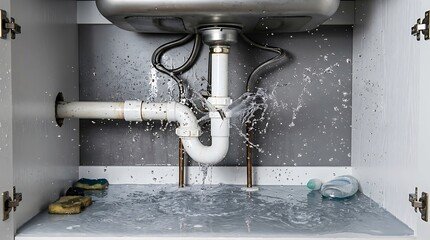
Leaks underneath kitchen or bathroom sinks can remain unnoticed because cabinets often conceal plumbing connections.
Check for:
- Damp cabinet bottoms
- Swollen wood
- Water stains
- Rusted fittings
- Musty odors
- Standing water
Even a small supply-line or drain leak can cause substantial cabinet and flooring damage over time.
12. You Hear Dripping Inside Walls or Ceilings
Unusual dripping, tapping, or running-water sounds can indicate that water is moving through an inaccessible area.
The source may not be directly above or beside the location where you hear the sound because water can travel along framing, pipes, and other building materials.
13. Your Pool or Irrigation System Is Not the Only Possible Cause
Miami homes often have outdoor plumbing and irrigation systems. A sudden increase in water usage may therefore come from an outdoor leak rather than an indoor plumbing problem.
A professional leak investigation should consider the entire property, including irrigation lines, exterior hose connections, water service lines, and indoor plumbing.
Why Hidden Leaks Can Be Serious
A small leak may seem harmless, but continuous water exposure can cause progressively greater damage.
Potential consequences include:
- Structural deterioration
- Damaged drywall
- Flooring damage
- Cabinet damage
- Higher water bills
- Mold growth
- Wood deterioration
- Electrical hazards in affected areas
- Expensive restoration work
The longer a hidden leak continues, the greater the potential repair scope.
Common Causes of Hidden Plumbing Leaks
Several plumbing problems can cause concealed leaks.
Aging Pipes
Older pipes can deteriorate through corrosion, wear, or repeated stress.
Loose or Failed Connections
Pipe joints, fittings, valves, and supply connections can develop leaks over time.
High Water Pressure
Excessive water pressure can place additional stress on plumbing components.
Slab Leaks
A damaged water line beneath a concrete slab can leak underneath the home without producing an obvious puddle.
Tree Roots
Roots can damage underground water or sewer lines, particularly where pipes have existing cracks or compromised joints.
Temperature and Environmental Conditions
Changes in soil conditions, building movement, and other environmental factors can place stress on plumbing.
How Professionals Find Hidden Plumbing Leaks
Finding a concealed leak can require specialized equipment and experience.
Depending on the suspected location, a professional may use:
- Acoustic leak detection
- Thermal imaging
- Moisture meters
- Pressure testing
- Camera inspection
- Water meter testing
- Visual inspection
The goal is to locate the source while minimizing unnecessary damage to walls, floors, or other finished surfaces.
Can You Find a Hidden Leak Yourself?
Homeowners can look for basic warning signs, but concealed leaks can be difficult to locate accurately.
You can check water usage, inspect cabinets, listen for running water, examine visible plumbing, and look for moisture or staining.
Avoid cutting into walls or floors simply to search for a leak. Professional diagnostic equipment may locate the problem more efficiently and reduce unnecessary property damage.
What Should You Do If You Suspect a Hidden Leak?
If you suspect a leak, start by limiting unnecessary water use.
Check accessible fixtures and plumbing connections. If you can safely identify the affected supply line, shutting off the appropriate water valve may help limit damage.
If water is actively damaging the home, locate the main water shutoff if it is safe to do so and contact a professional plumber.
When Is a Hidden Leak an Emergency?
A plumbing leak should be treated as urgent when water is actively spreading, a ceiling is sagging, significant flooding is occurring, or electrical components may be exposed to water.
You should also seek prompt professional help if you discover a major leak underneath the home or a suspected slab leak.
How Much Does Hidden Leak Detection Cost?
The cost varies depending on the location and complexity of the suspected leak.
Factors may include:
- Leak location
- Type of plumbing system
- Detection equipment required
- Accessibility
- Whether pressure testing is necessary
- Whether underground plumbing is involved
- Repair requirements
- Restoration work
An inspection can help determine the scope before extensive repair work begins.
How to Prevent Hidden Plumbing Leaks
Regular plumbing maintenance can help identify developing problems earlier.
Miami homeowners should:
- Monitor water bills for unexplained increases.
- Inspect visible plumbing connections periodically.
- Address dripping faucets and running toilets.
- Watch for moisture around cabinets and fixtures.
- Maintain appropriate water pressure.
- Have older plumbing systems professionally inspected.
- Pay attention to unusual water sounds.
- Address recurring plumbing problems promptly.
Early attention can reduce the likelihood of a small plumbing problem becoming a major water-damage event.
Frequently Asked Questions
What is the biggest sign of a hidden water leak?
An unexplained increase in water usage is one of the most useful warning signs. Damp areas, musty odors, stains, and unexplained sounds can provide additional clues.
Can a hidden leak increase my water bill?
Yes. A leaking supply pipe can allow water to escape continuously, increasing water consumption even when your normal household usage has not changed.
Can a leak occur inside a concrete slab?
Yes. Water lines installed beneath a concrete slab can develop leaks. These are commonly referred to as slab leaks and may require specialized detection methods.
How do I know if water is leaking behind my wall?
Look for stains, bubbling paint, soft drywall, musty odors, mold growth, or unexplained sounds. Professional leak detection may be necessary to confirm the source.
Can a small plumbing leak cause major damage?
Yes. Continuous moisture can damage building materials over time and may lead to costly repairs if the leak remains unresolved.
Should I call a plumber for a small hidden leak?
Yes. Even a small concealed leak can continue damaging areas that you cannot see. Early diagnosis may prevent a larger repair later.
Final Thoughts
Hidden plumbing leaks can be difficult to detect because the water may be escaping behind walls, beneath floors, inside cabinets, or below the slab. Unexplained water bills, damp spots, musty odors, mold, warped flooring, unusual water sounds, and changing water pressure are all warning signs worth investigating.
For Miami homeowners, early leak detection can help limit water waste and prevent unnecessary damage to the home. If several warning signs appear together, professional plumbing inspection is often the safest way to identify and repair the problem before it becomes a major emergency.