Florida Plumbing Checklist: Prepare Your Home Before Winter
Use this Florida plumbing checklist before winter to prevent leaks, pipe damage, water heater problems, clogs, and costly plumbing emergencies.

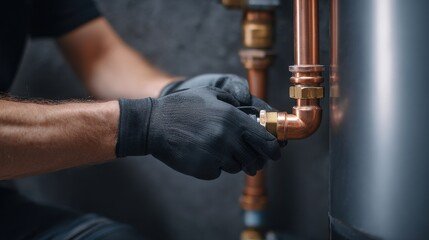
Florida winters are generally milder than winters in northern states, but that doesn't mean homeowners can ignore seasonal plumbing maintenance.
Cold fronts can occasionally bring freezing or near-freezing temperatures to parts of Florida, particularly during severe weather events. Homes in northern and central Florida may face greater exposure to freezing conditions than properties farther south.
Even when pipes don't freeze, winter preparation is a good opportunity to inspect plumbing for leaks, aging components, water-heater problems, clogged drains, and other issues that can become expensive emergencies.
A few minutes of preparation can help you identify problems before cold weather arrives.
This Florida winter plumbing checklist covers the most important things homeowners should inspect before the season gets colder.
Why Should Florida Homeowners Prepare Plumbing for Winter?
Florida doesn't usually experience the prolonged freezing conditions common in northern states.
However, short periods of unusually cold weather can still create problems.
Cold temperatures may affect:
- Exposed pipes
- Outdoor faucets
- Irrigation systems
- Pool plumbing
- Water heaters
- Supply lines
- Plumbing in unheated spaces
- Vacant properties
Winter also provides a useful reminder to check plumbing systems before an unexpected cold snap.
Florida Winter Plumbing Checklist
Before temperatures drop, inspect the following:
- Check exposed pipes
- Inspect outdoor faucets
- Disconnect garden hoses
- Check for plumbing leaks
- Inspect water-heater connections
- Test accessible shutoff valves
- Check water pressure
- Clean slow drains
- Inspect washing-machine hoses
- Check toilet supply lines
- Look under sinks
- Inspect irrigation plumbing
- Protect vulnerable pipes during freezes
- Know your main water shutoff location
- Check vacant properties
- Review emergency plumbing contacts
1. Inspect Exposed Pipes
Start by checking plumbing in areas that may be exposed to colder air.
Look around:
- Garages
- Exterior walls
- Utility rooms
- Attics
- Crawl spaces
- Outdoor plumbing areas
Look for:
- Cracks
- Corrosion
- Condensation
- Leaks
- Damaged insulation
- Loose connections
Even a small leak should be addressed before colder weather arrives.
2. Disconnect Garden Hoses
Leaving garden hoses connected to outdoor faucets can create problems during freezing temperatures.
Water trapped inside the hose or faucet assembly can freeze and expand.
Before a freeze:
- Disconnect garden hoses.
- Drain the hose.
- Store it appropriately.
- Check the outdoor faucet for leaks.
This simple step can reduce the risk of damage.
3. Protect Vulnerable Outdoor Plumbing
Outdoor plumbing is more exposed to temperature changes.
Depending on the property, vulnerable components may include:
- Hose bibs
- Exposed water lines
- Irrigation components
- Pool plumbing
- Outdoor showers
If a significant freeze is forecast, use appropriate insulation or protective measures recommended for the specific plumbing system.
4. Check Your Outdoor Faucets
Turn on each outdoor faucet briefly.
Check for:
- Weak flow
- Leaking handles
- Water around the connection
- Cracked fixtures
- Dripping after shutoff
A dripping outdoor faucet can waste water and may indicate a worn valve or damaged component.
5. Inspect Under Every Sink
Open your kitchen and bathroom cabinets.
Look for:
- Moisture
- Water stains
- Corrosion
- Dripping connections
- Damaged supply lines
- Mold-like growth
Cabinets can hide small leaks that gradually damage wood and flooring.
6. Check Toilet Supply Lines
Inspect the flexible line connecting each toilet to the water supply.
Look for:
- Rust
- Corrosion
- Bulging
- Cracks
- Dampness
- Loose connections
A failed toilet supply line can release a substantial amount of water.
7. Inspect Washing-Machine Hoses
Washing-machine hoses deserve special attention.
Look for:
- Cracks
- Bulges
- Corrosion
- Kinks
- Loose connections
If a hose is deteriorated, replace it before it fails.
This is particularly important if the washing machine is located in an area where a leak could quickly damage flooring or walls.
8. Check Your Water Heater
Winter is a good time to inspect the water heater.
Look for:
- Leaking connections
- Rust
- Corrosion
- Water around the base
- Unusual noises
- Temperature problems
For tank-style water heaters, sediment buildup can contribute to reduced efficiency and unusual operating noises.
Water-heater maintenance should follow the manufacturer's recommendations.
9. Look for Unexplained Water Bills
A sudden increase in water usage can be an early warning sign of a leak.
Possible sources include:
- Toilets
- Faucets
- Irrigation systems
- Underground pipes
- Water heaters
- Hidden supply lines
If your water consumption has increased without a clear explanation, have the plumbing system checked.
10. Check for Running Toilets
A toilet that continuously runs may waste a surprising amount of water.
Common causes include:
- Worn flapper
- Faulty fill valve
- Incorrect water level
- Damaged flush valve
- Mineral buildup
A small toilet repair may prevent unnecessary water waste and higher bills.
11. Test Accessible Shut-Off Valves
Knowing where your water shutoff valves are located can be extremely useful during an emergency.
Identify:
- Main water shutoff
- Toilet shutoffs
- Sink shutoffs
- Water-heater supply valve
- Outdoor shutoffs
Don't force a valve that appears stuck or corroded.
If a shutoff valve doesn't operate properly, have it evaluated before you actually need it.
12. Know Where the Main Water Shutoff Is
Every homeowner should know where the property's main water shutoff is located.
During a plumbing emergency, shutting off the water quickly can reduce damage.
The valve may be located:
- Near the water meter
- Near the home's entry point
- In a utility area
- In a garage
- Outside the building
The exact location varies by property.
Make sure household members know how to access it.
13. Check Water Pressure
Water pressure that's too high can put unnecessary stress on plumbing components.
Potential signs include:
- Banging pipes
- Leaking fixtures
- Noisy plumbing
- Premature fixture failure
- Water-heater issues
If you suspect high pressure, have it professionally measured rather than guessing.
14. Check for Banging Pipes
Cold-weather preparation is a good time to investigate plumbing noises.
Listen for:
- Knocking
- Banging
- Rattling
- Whistling
- Gurgling
Banging after a faucet or appliance shuts off can be associated with water hammer.
Noisy plumbing isn't always an emergency, but persistent sounds deserve investigation.
15. Clean Slow Drains
Slow drainage can become a larger problem if ignored.
Check:
- Kitchen sink
- Bathroom sink
- Shower
- Bathtub
- Floor drains
Avoid relying heavily on harsh chemical drain cleaners.
If a drain repeatedly becomes slow, identify the underlying cause rather than repeatedly treating the symptom.
16. Don't Pour Grease Down Drains
Cold weather can make grease and fats more likely to solidify.
Instead of pouring cooking grease into the kitchen sink:
- Let it cool.
- Place it in an appropriate container.
- Dispose of it properly.
This can help reduce drain buildup.
17. Inspect Garbage Disposal Plumbing
If you have a garbage disposal, check for:
- Leaks
- Unusual noises
- Poor drainage
- Loose connections
- Odors
Avoid putting inappropriate materials into the disposal.
18. Inspect Dishwasher Connections
Check underneath the kitchen sink for the dishwasher's drain and water connections.
Look for:
- Moisture
- Loose connections
- Damaged hoses
- Corrosion
A small leak can remain hidden until cabinet damage becomes visible.
19. Check Refrigerator Water Lines
If your refrigerator has an ice maker or water dispenser, inspect the supply line.
Look for:
- Kinks
- Cracks
- Moisture
- Loose connections
A refrigerator supply-line leak can cause significant flooring damage because the appliance may be against a wall or cabinet.
20. Inspect Your Irrigation System
Florida homeowners often rely heavily on irrigation systems.
Before winter:
- Check sprinkler heads.
- Inspect visible irrigation lines.
- Look for leaks.
- Check valves.
- Monitor unexplained water use.
Cold weather can affect exposed irrigation components.
21. Don't Forget Pool Plumbing
Florida homeowners with pools should also inspect pool-related plumbing.
Check for:
- Visible leaks
- Cracked components
- Damaged connections
- Unusual water loss
Pool systems are separate from household plumbing, but they still need seasonal attention.
22. Prepare for a Florida Freeze
Florida homeowners don't normally need the same extensive winterization procedures used in northern states.
However, during an unusual freeze:
- Monitor weather forecasts.
- Protect vulnerable exposed pipes.
- Disconnect outdoor hoses.
- Use appropriate pipe insulation.
- Follow local utility or emergency recommendations.
- Check vacant properties.
Don't use unsafe heating devices or open flames to warm pipes.
23. What Should You Do If Pipes Freeze?
If you suspect a pipe has frozen:
Don't Panic
A frozen pipe may not have ruptured yet.
Shut Off the Water if Necessary
If you suspect the pipe has cracked or may rupture, shutting off the water can reduce potential damage.
Don't Use an Open Flame
Never use a torch, lighter, or other open flame to thaw a pipe.
Warm the Area Safely
If appropriate, use safe household heating methods according to manufacturer instructions.
Call a Plumber
If the pipe remains frozen, is inaccessible, or shows signs of damage, professional assistance may be necessary.
24. Signs of a Frozen or Damaged Pipe
Watch for:
- Little or no water flow
- Frost on exposed piping
- Bulging pipes
- Cracks
- Strange noises
- Water stains
- Sudden leaks after temperatures rise
A pipe can appear intact while frozen and begin leaking when the ice melts.
25. Check Vacant Florida Homes
Seasonal properties deserve special attention.
If a home will be vacant during a cold period:
- Know the water shutoff location.
- Check for leaks before leaving.
- Follow appropriate property-management procedures.
- Protect vulnerable plumbing where necessary.
- Arrange periodic inspections.
- Know who to contact during an emergency.
An unattended leak can cause extensive damage before anyone discovers it.
Why Winter Is a Good Time for Plumbing Maintenance
Preventative maintenance isn't about waiting for something to break.
A seasonal inspection can uncover:
- Small leaks
- Corrosion
- Weak hoses
- Faulty valves
- Slow drains
- High water pressure
- Water-heater problems
- Aging fixtures
Addressing these issues before an emergency can be less disruptive than dealing with a major failure.
Hidden Plumbing Problems Homeowners Shouldn't Ignore
Small Leaks
A dripping connection can eventually damage cabinets or flooring.
High Water Bills
May indicate a hidden leak.
Low Water Pressure
Could indicate restrictions or plumbing deterioration.
Sewer Odors
May indicate a drainage or venting problem.
Water Stains
Could indicate an active or previous leak.
Mold-Like Growth
Persistent moisture should be investigated.
Noisy Pipes
May indicate pressure or pipe-support problems.
15 Common Winter Plumbing Mistakes
1. Assuming Florida Never Gets Cold
Freezing conditions can still occur during severe cold snaps.
2. Leaving Hoses Connected
Disconnect outdoor hoses before freezing weather.
3. Ignoring Small Leaks
Cold temperatures can worsen vulnerable plumbing.
4. Using Open Flames to Thaw Pipes
This is extremely dangerous.
5. Ignoring Water Pressure
High pressure can stress plumbing.
6. Skipping Water-Heater Maintenance
Follow manufacturer recommendations.
7. Using Harsh Drain Chemicals Repeatedly
Persistent clogs need proper diagnosis.
8. Ignoring Running Toilets
They waste water continuously.
9. Forgetting the Main Shutoff
Know its location before an emergency.
10. Leaving a Seasonal Home Unchecked
Leaks can continue unnoticed.
11. Ignoring Washing-Machine Hoses
Old hoses can fail suddenly.
12. Pouring Grease Down Drains
Grease can contribute to clogs.
13. Ignoring Sewer Odors
They shouldn't be considered normal.
14. Waiting Until a Pipe Bursts
Preventative repairs are preferable.
15. Hiring an Unqualified Person for Major Plumbing Work
Use appropriately qualified professionals for significant plumbing repairs.
Professional Winter Plumbing Inspection
A professional plumbing inspection may include:
- Visual pipe inspection
- Leak checks
- Water-pressure testing
- Fixture inspection
- Shutoff-valve evaluation
- Water-heater inspection
- Drain assessment
- Supply-line inspection
- Outdoor plumbing inspection
The exact inspection scope depends on the property.
How Long Does a Winter Plumbing Inspection Take?
A basic inspection can be relatively straightforward.
However, the timeline depends on:
- Home size
- Number of bathrooms
- Plumbing accessibility
- Age of the property
- Visible problems
- Water-heater type
- Drainage system
- Additional diagnostic testing
If a problem is discovered, repair time will depend on its severity and accessibility.
How Much Does Winter Plumbing Maintenance Cost?
There isn't one fixed cost for every Florida home.
Pricing can vary depending on:
- Inspection scope
- Property size
- Plumbing condition
- Required repairs
- Parts
- Labor
- Accessibility
- Specialized equipment
- Emergency service
A routine inspection and a major leak repair are obviously very different services.
Ask for a clear explanation of recommended work before approving repairs.
When Should You Call an Emergency Plumber?
Contact an emergency plumbing professional when you have:
- A burst pipe
- Major water leak
- Rapid flooding
- Sewage backup
- Water entering electrical areas
- Major water-heater failure
- An uncontrollable toilet overflow
- A frozen pipe that has ruptured
- A major supply-line failure
If water and electricity are involved, prioritize personal safety and stay away from dangerous areas.
Frequently Asked Questions
Does Florida plumbing need winterization?
Most Florida homes don't require the extensive winterization used in colder climates. However, vulnerable plumbing should still be protected during unusually cold weather.
Can pipes freeze in Florida?
Yes. Freezing conditions can occur during significant cold snaps, particularly in parts of northern and central Florida and in exposed plumbing.
Should I disconnect my garden hose in winter?
Yes. Disconnecting outdoor hoses before freezing temperatures can help protect outdoor plumbing.
How can I protect pipes during a Florida freeze?
Identify vulnerable exposed pipes, disconnect hoses, use appropriate insulation, and follow local recommendations when freezing weather is forecast.