Why Is My Water Heater Taking Too Long to Heat Water?
Learn why your water heater takes too long to heat water. Discover common causes like sediment buildup, faulty heating elements, thermostat issues, and sizing problems.

Why Is My Water Heater Taking Too Long to Heat Water?
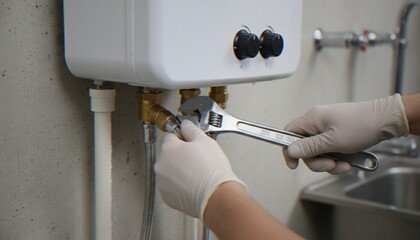
Waiting several minutes—or much longer—for hot water can be frustrating, especially when your water heater used to work normally. If your water heater is taking too long to heat water, the cause could be something simple, such as an incorrect temperature setting, or a more serious problem involving the heating elements, burner, thermostat, sediment buildup, or plumbing system.
For Miami homeowners, addressing slow water heating early can help prevent higher energy bills, inconsistent hot water, and unexpected water heater failure.
What Is a Normal Water Heater Heating Time?
There is no single heating time that applies to every water heater. Recovery time depends on the tank size, energy source, heating capacity, incoming water temperature, and how much hot water was recently used.
A properly functioning water heater should recover according to its manufacturer's specifications. If your unit suddenly takes much longer than it normally did, that change is an important warning sign.
Why Is My Water Heater Taking So Long to Heat?
Several problems can cause a water heater to heat slowly.
Sediment Buildup Inside the Tank
Sediment accumulation is one of the most common causes of reduced tank water heater performance.
Minerals and other deposits can settle at the bottom of the tank. When the heating system operates, the sediment can act as an insulating layer between the heat source and the water.
This can result in:
- Longer heating times
- Reduced hot water capacity
- Higher energy consumption
- Popping or rumbling sounds
- Increased stress on the heating system
Professional flushing may help when sediment is the cause and the tank is otherwise in good condition.
A Failed Electric Heating Element
Electric water heaters generally use two heating elements to heat water.
If one element fails, the heater may still produce some hot water, but recovery can become much slower. You may notice that the water is initially warm but does not remain hot for as long as it should.
A technician can test the elements and determine whether one or both need replacement.
Faulty Thermostat
The thermostat controls when the heating system turns on and off.
If the thermostat is malfunctioning, incorrectly calibrated, or unable to accurately sense water temperature, the heater may not heat the water properly.
A thermostat problem can cause:
- Lukewarm water
- Long recovery times
- Inconsistent temperatures
- Water that is too hot
Because incorrect water temperatures can create a scalding risk, thermostat problems should be professionally evaluated.
Burner Problems in a Gas Water Heater
Gas water heaters depend on a properly functioning burner to transfer heat to the water.
A dirty, damaged, or malfunctioning burner can reduce heating performance. Gas supply or combustion problems may also affect operation.
If your gas water heater takes much longer to heat than usual, professional inspection is recommended. Homeowners should not attempt to disassemble or modify gas burner components.
The Water Heater Is Too Small
Sometimes the water heater is not actually malfunctioning—it is simply too small for the household.
A family using multiple showers, washing machines, dishwashers, and other hot-water fixtures can quickly exceed the capacity of a small tank.
If the heater has always struggled to keep up with demand, sizing may be the underlying problem.
A plumber can calculate your household's hot-water needs and determine whether a larger tank, high-recovery unit, or tankless water heater may be more suitable.
Why Does Hot Water Take So Long to Reach My Faucet?
Not every slow-hot-water problem is caused by the water heater.
If the heater is producing hot water normally but it takes a long time to arrive at a particular faucet, the issue may be related to the plumbing system.
Possible causes include:
- Long hot-water pipe runs
- Poorly insulated pipes
- Plumbing layout
- High-volume water usage
- Recirculation system problems
If only one bathroom or fixture has a long wait for hot water while other fixtures work normally, the problem may be closer to that fixture.
Could a Broken Dip Tube Cause Slow Heating?
Yes. Tank-style water heaters use a dip tube to direct incoming cold water toward the bottom of the tank.
If the dip tube becomes damaged, cold water may enter the wrong part of the tank and mix with hot water. This can cause lukewarm water and reduced hot-water availability.
A plumber can inspect the system if a dip-tube problem is suspected.
Signs That Your Water Heater Has a Bigger Problem
Slow heating is more concerning when it occurs alongside other symptoms.
Watch for:
- Water that never becomes fully hot
- Hot water running out quickly
- Popping or rumbling noises
- Rust-colored hot water
- Water around the tank
- Frequent circuit-breaker trips
- Pilot light problems
- Unusual burner behavior
- Pressure relief valve leaks
- Increasing energy bills
- Repeated water heater shutdowns
A combination of these symptoms can indicate that the heater needs professional repair or replacement.
Why Is My Electric Water Heater Heating Slowly?
For electric units, the most common possibilities include a failed heating element, thermostat problems, sediment buildup, electrical supply issues, or an aging heating system.
If one heating element fails, the unit may continue operating but recover much more slowly than before.
A professional can safely test the electrical components and determine whether the issue is repairable.
Why Is My Gas Water Heater Heating Slowly?
Gas water heaters may heat slowly because of burner problems, sediment buildup, thermostat issues, restricted combustion air, or other component failures.
If you notice unusual burner behavior, soot, abnormal flames, or a gas odor, stop attempting DIY repairs and seek professional assistance.
What Can Homeowners Check?
There are a few basic observations you can make before calling a plumber.
Check whether:
- The problem affects every hot-water fixture.
- The water becomes hot eventually or stays lukewarm.
- Hot water runs out faster than it used to.
- The water heater is making unusual noises.
- There is visible water around the unit.
- An electric heater has a tripped breaker.
- A gas heater displays an error code, if equipped.
Do not remove electrical covers, work on gas controls, bypass safety devices, or attempt complex water heater repairs without appropriate training.
How a Professional Diagnoses a Slow Water Heater
A professional plumber will first identify the symptoms and determine whether the problem originates inside the water heater or elsewhere in the plumbing system.
Depending on the type of unit, the inspection may include:
- Checking water temperature
- Testing thermostats
- Testing heating elements
- Inspecting burners
- Checking electrical connections
- Examining gas-related components
- Looking for sediment buildup
- Inspecting valves and connections
- Checking for leaks
- Evaluating water heater size and household demand
The goal is to identify the actual cause before recommending repair or replacement.
How Long Does Water Heater Repair Take?
Repair time depends on the cause.
A simple thermostat or heating element replacement may be completed relatively quickly. More complicated problems involving electrical components, gas systems, severe sediment, or plumbing connections can take longer.
If the water heater must be replaced, installation time will depend on the unit type, location, accessibility, and whether plumbing or electrical modifications are required.
Water Heater Repair vs. Replacement
Slow heating does not automatically mean you need a new water heater.
Repair may be appropriate when the problem involves a replaceable component such as a thermostat, heating element, valve, or burner component.
Replacement may make more sense when the tank is leaking, corrosion is extensive, the unit is old and unreliable, or repair costs are becoming frequent.
A professional inspection can help compare the cost and expected benefits of repair versus replacement.
How Much Does It Cost to Fix a Slow Water Heater?
The cost varies considerably depending on the cause.
Factors that can affect the final price include:
- Water heater type
- Tank size
- Age of the unit
- Failed component
- Labor
- Replacement parts
- Accessibility
- Sediment accumulation
- Electrical or plumbing modifications
- Emergency service requirements
The most reliable way to determine cost is to have the problem diagnosed before purchasing replacement parts or a new water heater.
Miami Factors That Can Affect Water Heater Performance
Miami homes rely on hot water throughout the year, so water heaters may experience consistent demand.
Water chemistry, mineral deposits, equipment age, household usage, and maintenance history can all affect performance.
Regular inspection and appropriate maintenance can help homeowners identify problems before the water heater stops working completely.
How to Prevent Slow Water Heating
Regular maintenance can help keep a water heater operating efficiently.
Homeowners should:
- Follow the manufacturer's maintenance recommendations.
- Have tank-style units inspected periodically.
- Address unusual noises early.
- Check for leaks around the unit.
- Avoid excessive hot-water demand when possible.
- Have aging equipment professionally evaluated.
- Address recurring problems instead of repeatedly resetting the system.
Proper maintenance can extend equipment life and reduce the likelihood of an unexpected breakdown.
When Should You Call a Professional?
You should contact a plumber if your water heater consistently takes longer than normal to heat, produces lukewarm water, runs out of hot water quickly, makes unusual noises, or repeatedly shuts down.
Professional service is especially important if you notice a significant leak, electrical burning smell, damaged wiring, abnormal gas appliance operation, or other safety concerns.
Frequently Asked Questions
Why does my water heater take so long to heat?
Common causes include sediment buildup, a failed heating element, thermostat problems, burner issues, an undersized heater, or plumbing problems.
Why does my water heater take hours to heat?
If heating time has increased significantly, the unit may have a failing component, heavy sediment buildup, insufficient heating capacity, or an electrical or gas-related problem.
Why does my electric water heater take so long to recover?
A failed heating element, faulty thermostat, sediment accumulation, or electrical supply problem can reduce recovery performance.
Why does my gas water heater heat slowly?
Possible causes include burner problems, sediment, thermostat issues, gas-supply problems, or combustion-related issues.
Can sediment make a water heater heat slowly?
Yes. Significant sediment accumulation can reduce heating efficiency and increase recovery time.
Should I replace my water heater if it heats slowly?
Not necessarily. Some slow-heating problems can be repaired. Replacement becomes more reasonable when the unit is old, leaking, severely corroded, or repeatedly failing.
Why does hot water take so long to reach my bathroom?
If the water heater is working correctly, the delay may be caused by long pipe runs, poor insulation, plumbing layout, or lack of a hot-water recirculation system.
Is a slow water heater an emergency?
Usually not. However, a major leak, electrical hazard, strong gas odor, or serious overheating problem should be treated as an urgent situation.
Final Thoughts
A water heater that takes too long to heat water is often giving you an early warning that something needs attention. Sediment buildup, faulty heating elements, thermostat problems, burner issues, plumbing configuration, and incorrect sizing can all contribute to slow hot water.
Instead of repeatedly waiting for the heater to recover or turning the temperature higher, have the system properly diagnosed. Early repair can restore reliable hot water, improve efficiency, and help prevent a more expensive water heater failure.