Plumbing Problems After Heavy Rain in Miami FL
Discover why heavy rain triggers plumbing issues in Miami, learn high water table mechanics, and find expert troubleshooting and repair options.
Heavy Rainfall and Miami Drainage Dynamics
Plumbing problems after heavy rain in Miami, FL, are driven directly by South Florida's unique hydrogeological conditions, characterized by an exceptionally high water table and porous coral limestone bedrock. When intense tropical downpours saturate the upper soil strata, municipal stormwater systems and private sewer laterals experience severe hydraulic stress. The excess groundwater exerts hydrostatic pressure on underground infrastructure, forcing water through hairline cracks, deteriorated joint seals, and compromised pipe walls. Without proper mechanical mitigation, this water infiltrates sanitary sewer systems, overwhelming gravity mains and causing wastewater to bubble up through lowest-level household fixtures such as showers, floor drains, and toilets.
Diagnosing these failures requires establishing clear system boundaries. Fixture-specific issues involve isolated clogs or localized venting failures within individual bathrooms or kitchens. Branch line problems affect multiple fixtures sharing a common waste arm, such as a full bathroom group. Conversely, main sewer and service line failures present system-wide symptoms, including simultaneous backups across multiple ground-floor drains, gurgling sounds when running washing machines or flushing toilets, and foul sewage odors permeating the entire interior.
Overlooked Trade Secrets: Subsurface Mechanics in South Florida
Experienced plumbers in Miami-Dade County understand that standard diagnostic textbooks often fail when applied to local conditions. Several overlooked trade secrets explain why plumbing symptoms can be misleading after a severe weather event:
- High Groundwater Infiltration: South Florida's shallow water table means that during sustained storms, ground saturation forces water into private sewer laterals via infiltration and inflow (I&I), effectively reversing the flow gradient and pushing water backward into homes.
- Migrating Water Paths: Due to continuous concrete slab construction and shifting coral limestone, water entering a breached pipe beneath a foundation does not always surface directly above the leak. Instead, water travels along gravel sub-bases, slab fractures, and hollow core walls, appearing damp feet or even rooms away from the actual structural breach.
- Coastal Corrosion Acceleration: High humidity and wind-driven salt air accelerate galvanic corrosion on exterior brass hose bibbs, tankless water heater inlet valves, and exposed Pressure Reducing Valves (PRVs), causing premature component failure during high-stress wet seasons.
- Static Pressure vs. Dynamic Flow: Heavy rain often coincides with fluctuations in municipal water supply pressure. While static pressure (PSI) may read normally on a closed system, dynamic flow rate (GPM) drops drastically if municipal mains are partially infiltrated or if underground service lines are compromised by shifting wet soil.
- Riser Acoustics in High-Rises: In Miami's high-rise condominiums and commercial towers, heavy roof runoff and saturated vertical stacks create unique acoustic resonance. A leak or partial clog on an upper-level storm drain riser can manifest as mysterious ceiling dampness or gurgling several floors below.
Safe Homeowner Triage vs. Dangerous DIY Boundaries
When stormwater overwhelms a plumbing system, taking immediate, safe action is critical to prevent property damage and personal injury. Homeowners must balance basic diagnostics with strict safety boundaries.
Safe Homeowner Steps
- Locate and familiarize yourself with the main indoor water shutoff valve and the exterior property meter box curb stop.
- Perform a basic dye test using food coloring in toilet tanks to check for silent leaks that add unnecessary volume to already taxed sewer lines.
- Monitor your property water meter for low-flow movement when all fixtures are turned off to isolate hidden pipe breaches.
- Inspect accessible property cleanouts outside exterior foundation walls to see if caps can be safely checked for external backup signs.
Explicit Safety Warnings
- Never unthread a main sewer cleanout cap if water or sewage is hissing or bubbling under liquid head pressure. Removing a pressurized cap can release a violent surge of contaminated wastewater and raw sewage into the living space.
- Avoid working on gas flex lines or water heater gas controls in utility rooms that have experienced standing water or flooding.
- Never touch electrical panels, breaker boxes, or plugged-in appliances in flooded rooms or areas with active standing water.
- Do not pour corrosive chemical drain openers into slow drains after heavy rains; if the line is blocked by external groundwater or a main structural collapse, the chemicals will pool and pose severe chemical burn hazards.
Storm-Related Plumbing Symptoms and Probable Causes
To help property owners identify the root cause of post-rain plumbing failures, the following diagnostic table correlates common observed symptoms with their underlying physical mechanisms:
| Observed Symptom | Probable Physical Cause | Diagnostic Focus |
|---|---|---|
| Bubbling or gurgling in ground-floor shower drain | Hydraulic surcharging in municipal or private sewer lateral from high groundwater | Main sewer line / exterior cleanout |
| Simultaneous backup of multiple toilets and tubs | Complete main sewer line blockage compounded by root intrusion and soil saturation | Building drain / sewer lateral |
| Damp drywall patches far from active water sources | Water migrating along slab cracks or framing studs from a pressurized line break | Behind-wall or under-slab supply lines |
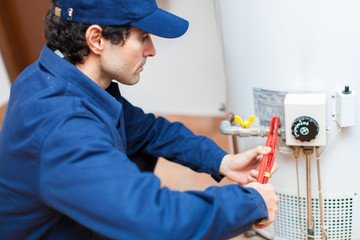
| Sudden drop in water heater performance after storms | Electrical surge damage to tankless heating elements or sediment disturbance from pressure drops | Water heater utility connection |
Realistic Repair Approaches and Decision Support
When evaluating plumbing damage sustained during heavy Miami rains, property owners face several distinct repair methodologies, each suited to specific damage levels and structural configurations.
Spot Clamps and Sleeves
For localized pipe damage where a single crack or root entry point is isolated via video camera inspection, a stainless steel repair clamp or localized internal sleeve can be installed. This approach is minimally invasive but only viable if the surrounding pipe material retains structural integrity.
Sectional Pipe Replacement and Trenchless Lining (CIPP)
When sections of cast iron or PVC waste lines have suffered structural collapse or severe offset joints due to shifting saturated soil, sectional replacement or Cured-in-Place Pipe (CIPP) lining is required. Trenchless lining creates a seamless structural epoxy pipe within the existing host pipe, minimizing the need to jackhammer interior concrete slabs or excavate landscaped yards.
Miami-Specific Pricing and Repair Factors
Repair costs in Miami-Dade County are influenced by several logistical and regulatory factors. High-rise buildings present access restrictions, parking constraints, and strict HOA or management rules regarding water shutoffs. Ground-level repairs often require penetrating reinforced concrete slabs or dealing with high water tables that necessitate continuous dewatering pumps during excavation. Additionally, all major structural plumbing modifications must comply with Miami-Dade County building codes and permitting requirements, ensuring long-term system resilience against future tropical weather events.
Frequently Asked Questions
Why does my toilet bubble or gurgle only when it rains heavily in Miami?
This occurs because municipal sewer mains and private lateral pipes become surcharged with stormwater and high groundwater infiltration. As air and water are forced upward through the drainage system under pressure, they escape through the lowest available venting points in your home, typically ground-floor toilets and shower drains.
Is it safe to use my washing machine and showers during a heavy tropical downpour?
If your property experiences slow drains or gurgling fixtures during heavy rain, it is advisable to minimize water use. Operating high-volume appliances like washing machines can push wastewater into an already overwhelmed drainage system, triggering an indoor sewage backup.
How do I know if water in my yard after a storm is from heavy rain or a broken sewer line?
Rainwater typically pools evenly across saturated turf and dissipates within a few hours after precipitation stops. A broken sewer or water line will create localized, persistent wet spots, depressions in the soil, or areas with unusually lush grass growth accompanied by distinct sewage odors.
Can high groundwater crack my underground plumbing pipes?
Yes. As the water table rises and falls rapidly during South Florida's rainy season, the surrounding coral limestone and sandy soil exert dynamic hydrostatic pressure. This shifting ground movement can stress brittle older pipes—such as cast iron or clay—leading to joint separation, structural cracking, and complete collapse.
What should I do if my home's main sewer cleanout cap blows off during a storm?
Do not attempt to screw the cap back on while water is actively surging under pressure, as this can cause severe injury or property contamination. Contain the surrounding area with towels or barriers, minimize all indoor water use, and wait for the municipal water table to recede before inspecting the cleanout.