What Causes Water Hammer in Florida Plumbing Systems?
Learn what causes water hammer in Florida plumbing systems, how to fix banging pipes, warning signs, prevention tips, and when to call a plumber.
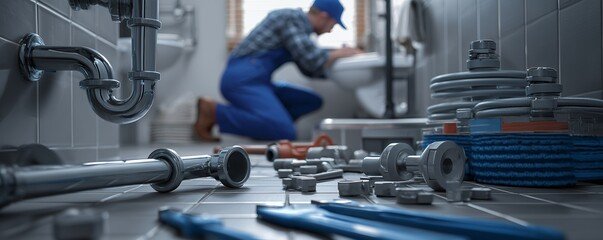
Have you ever heard a loud banging, knocking, or thumping sound coming from your pipes after turning off a faucet, flushing a toilet, or when your washing machine stops filling?
That sudden noise is often called water hammer, and it is a common plumbing issue found in many Florida homes.
Water hammer happens when moving water inside a pipe suddenly stops or changes direction, creating a pressure shock that makes pipes vibrate or bang against surrounding surfaces.
While water hammer is not always an immediate emergency, repeated pressure shocks can place stress on:
- Plumbing joints
- Valves
- Fixtures
- Appliances
- Pipe connections
Florida homeowners may experience water hammer because of high water pressure, aging plumbing systems, loose pipes, fast-closing valves, or changes made during renovations.
Understanding the cause of water hammer can help homeowners prevent unnecessary plumbing damage and know when professional help is needed.
What Is Water Hammer?
Water hammer is a hydraulic pressure shock that occurs when flowing water suddenly stops.
Inside your plumbing system, water is constantly moving through pipes. When a valve closes quickly, the water cannot stop instantly. The force created by the sudden stop creates a pressure wave.
This pressure wave can cause:
- Loud banging noises
- Pipe vibration
- Knocking sounds
- Shaking pipes
- Stress on plumbing components
A simple example is turning off a faucet quickly and hearing a loud “bang” inside the wall.
That sound is the result of water pressure energy being transferred through the plumbing system.
Why Does Water Hammer Happen in Florida Homes?
Florida homes have different plumbing conditions depending on:
- Home age
- Pipe materials
- Water pressure levels
- Previous repairs
- Installation quality
- Local water conditions
Some common causes include:
1. High Water Pressure
One of the most common causes of water hammer is excessive water pressure.
When water enters your home at high pressure, it moves faster through the plumbing system.
When a fixture closes suddenly, the force behind the moving water creates a stronger pressure shock.
Signs of high water pressure include:
- Banging pipes
- Leaking faucets
- Frequent toilet repairs
- Appliance problems
- Noisy plumbing
A plumber can test your home's water pressure and determine whether adjustments are needed.
2. Fast-Closing Plumbing Valves
Modern plumbing fixtures and appliances often use quick-closing valves.
Examples include:
- Washing machines
- Dishwashers
- Toilet fill valves
- Refrigerator ice makers
- Automatic shutoff valves
These valves stop water flow almost instantly, which can create pressure changes inside pipes.
3. Loose Pipe Supports
Pipes should be properly secured inside walls, ceilings, and crawl spaces.
When pipes are loose, they may move when water starts or stops flowing.
This movement can create:
- Knocking sounds
- Rattling
- Vibrations
- Banging noises
Older Florida homes are more likely to experience this because of aging supports or previous remodeling work.
4. Faulty or Missing Water Hammer Arrestors
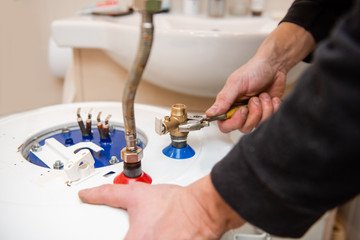
Water hammer arrestors are devices designed to absorb sudden pressure changes.
They contain air or mechanical components that act as a cushion.
If these devices are:
- Missing
- Damaged
- Installed incorrectly
the plumbing system may experience repeated water hammer problems.
5. Aging Plumbing Systems
Older Florida homes may have plumbing systems that were not designed for modern appliances.
Aging plumbing may experience:
- Worn valves
- Corroded fittings
- Weak connections
- Outdated designs
Older systems may require inspection to determine whether repairs or upgrades are needed.
6. Washing Machine Problems
Washing machines are a common source of water hammer.
Modern washing machines use quick-closing solenoid valves that open and close rapidly.
You may notice:
- Loud banging near the laundry room
- Pipe shaking
- Noise when the washer starts or stops filling
Installing proper pressure control devices or arrestors may help reduce the problem.
7. Toilet Fill Valve Issues
A damaged toilet fill valve can cause sudden water flow changes.
Signs include:
- Banging after flushing
- Repeated filling sounds
- Vibrating pipes
- Slow tank refill
Replacing an old fill valve may solve the issue.
8. Recent Plumbing Renovations
Home improvements can sometimes create water hammer problems.
Examples include:
- Adding new bathrooms
- Installing new appliances
- Changing pipe layouts
- Replacing fixtures
Changes in water flow patterns can affect how the plumbing system operates.
9. Air Problems Inside Plumbing Lines
Some plumbing systems use air chambers to absorb pressure changes.
Over time, these chambers may fill with water and stop working effectively.
This can allow pressure shocks to travel through the plumbing system.
Signs Your Florida Home Has Water Hammer
Homeowners should watch for these warning signs:
Loud Banging After Turning Off Water
The most common sign is a sharp bang when:
- Faucets close
- Toilets finish filling
- Appliances stop running
Pipes Moving or Vibrating
You may feel pipes shaking inside:
- Walls
- Cabinets
- Utility areas
Repeated Knocking Sounds
Frequent pipe noises should not be ignored.
Appliance-Related Noises
If the sound occurs when your:
- Washing machine runs
- Dishwasher operates
- Refrigerator fills
water hammer may be the cause.
Can Water Hammer Damage Plumbing?
Water hammer does not always cause immediate damage, but repeated pressure shocks can put stress on plumbing systems.
Possible long-term effects include:
- Loose pipe connections
- Damaged valves
- Leaking joints
- Fixture wear
- Appliance problems
Ignoring severe water hammer may increase repair costs over time.
Common Plumbing Problems Related to Water Hammer
Pipe Leaks
Repeated pressure changes can weaken connections.
Faucet Damage
Sudden pressure changes may shorten fixture lifespan.
Toilet Problems
Fill valves and supply connections may wear faster.
Appliance Damage
Washing machines and dishwashers can experience stress from pressure fluctuations.
Water Pressure Issues
High pressure often contributes to repeated plumbing problems.
How Does a Plumber Diagnose Water Hammer?
A professional plumber usually follows these steps:
Step 1: Identify When the Noise Happens
The plumber asks:
- When does the sound occur?
- Which fixture causes it?
- Is it constant or occasional?
Step 2: Inspect Plumbing Components
The plumber checks:
- Pipes
- Valves
- Fixtures
- Appliance connections
Step 3: Test Water Pressure
Pressure testing helps determine whether high pressure is contributing to the problem.
Step 4: Check Pipe Support
Loose pipes may need additional support.
Step 5: Recommend the Correct Repair
The solution depends on the actual cause.
How Is Water Hammer Fixed?
The repair method depends on what is causing the pressure shock.
Install Water Hammer Arrestors
These devices absorb sudden pressure changes.
They are commonly installed near:
- Washing machines
- Dishwashers
- Quick-closing valves
Adjust Water Pressure
If pressure is too high, a plumber may recommend installing or adjusting a pressure-reducing valve.
Secure Loose Pipes
Adding proper pipe supports can reduce movement and noise.
Replace Faulty Valves
Old or damaged valves may need replacement.
Repair Plumbing Installation Problems
Incorrectly installed plumbing may require modifications.
Can Homeowners Fix Water Hammer?
Some simple checks are safe:
Homeowners Can:
- Identify which fixture causes the noise
- Check visible pipe movement
- Inspect for obvious leaks
- Check appliance connections
Avoid:
- Adjusting pressure regulators without experience
- Opening walls
- Making major plumbing changes
Incorrect repairs can create additional problems.
Tools Plumbers Use for Water Hammer Problems
Professional plumbers may use:
Pressure Gauges
Used to measure water pressure.
Leak Detection Equipment
Helps identify hidden plumbing problems.
Pipe Inspection Tools
Used to evaluate pipe conditions.
Water Hammer Arrestors
Installed to reduce pressure shock.
How Long Does Water Hammer Repair Take?
Repair time depends on the cause.
Simple Repairs
Examples:
- Installing an arrestor
- Replacing a valve
may take a short service visit.
Moderate Repairs
Examples:
- Securing multiple pipes
- Adjusting pressure issues
may require more time.
Complex Repairs
Examples:
- Plumbing modifications
- Hidden pipe repairs
can take longer.
Water Hammer Repair Cost Factors
There is no single fixed cost because every plumbing system is different.
Factors affecting cost include:
- Cause of the problem
- Number of affected fixtures
- Required parts
- Labor
- Pipe accessibility
- Water pressure problems
- Plumbing system age
A professional inspection helps determine the correct repair approach.
Hidden Truths Homeowners Should Know About Water Hammer
Small Noises Can Indicate Larger Issues
Repeated banging may point to pressure problems.
New Fixtures Can Reveal Old Plumbing Problems
Modern appliances may expose weaknesses in older systems.
High Pressure Affects More Than Noise
It can damage plumbing components over time.
Temporary Fixes May Not Solve the Cause
Proper diagnosis matters.
Older Florida Homes Need More Attention
Aging systems may require regular maintenance.
15 Common Mistakes Homeowners Make With Water Hammer
1. Ignoring Loud Pipe Sounds
Repeated noises should be investigated.
2. Assuming It Is Normal
Some pipe sounds indicate stress.
3. Ignoring High Water Pressure
Pressure issues affect the entire plumbing system.
4. Delaying Repairs
Small problems can worsen.
5. Using Incorrect DIY Solutions
Improper repairs may cause damage.
6. Ignoring Loose Pipes
Movement can increase over time.
7. Replacing Parts Without Diagnosis
The issue may return.
8. Forgetting Appliance Connections
Washing machines often contribute.
9. Avoiding Plumbing Inspections
Professional evaluation helps identify causes.
10. Ignoring Older Plumbing Systems
Age increases risk.
11. Installing Fixtures Incorrectly
Poor installation can create pressure problems.
12. Skipping Maintenance
Regular checks help prevent issues.
13. Ignoring Water Pressure Changes
Sudden changes need attention.
14. Covering Up Noise Instead of Repairing It
The cause should be addressed.
15. Hiring Unqualified Workers
Poor repairs may create additional problems.
Maintenance Tips to Prevent Water Hammer
- Check household water pressure regularly.
- Repair leaking faucets quickly.
- Inspect older plumbing systems.
- Secure loose pipes.
- Maintain washing machines and dishwashers.
- Replace worn valves.
- Avoid unnecessary plumbing modifications.
- Schedule plumbing inspections.
- Address unusual noises early.
- Maintain toilets and fill valves.
- Monitor water usage.
- Check appliance connections.
- Inspect outdoor plumbing.
- Keep plumbing records.
- Contact a professional plumber for recurring issues.
When Should You Call an Emergency Plumber?
Water hammer usually is not an emergency, but contact a plumber quickly if you notice:
- Burst pipes
- Active leaks
- Water damage
- Sudden loss of water pressure
- Severe pipe movement
- Broken valves
Fast action can reduce damage.
Frequently Asked Questions
Why do my pipes bang when I turn off the faucet?
The most common cause is water hammer, which occurs when moving water suddenly stops and creates a pressure shock.
Is water hammer common in Florida homes?
Yes. It can occur in both newer and older Florida plumbing systems.
Can high water pressure cause water hammer?
Yes. Excessive water pressure can increase pressure shocks inside pipes.
How do I stop water hammer?
Solutions may include installing arrestors, adjusting pressure, securing pipes, or repairing valves.
Is water hammer dangerous?
It is usually not immediately dangerous, but repeated pressure shocks can stress plumbing components.
Why does my washing machine make banging noises?
Fast-closing washing machine valves are a common cause of water hammer.
Can a plumber repair water hammer?
Yes. A plumber can identify the cause and recommend the correct solution.
Does water hammer mean my pipes are damaged?
Not always, but repeated banging should be inspected.