Miami Ground-Floor Flooding: Could Plumbing Be the Cause?
Ground-floor flooding in Miami? Learn how plumbing leaks, sewer backups, clogged drains, and broken pipes can cause flooding and what to do.

Basement or Ground-Floor Flooding in Miami: Could a Plumbing Problem Be the Cause?
Finding water on the floor of your Miami home can be alarming. After heavy rain, many homeowners naturally assume the water came from outside. But flooding inside a garage, basement, utility room, bathroom, kitchen, or ground-floor living area can also originate from the plumbing system.
Miami-Dade County notes that heavy rain can quickly overwhelm drainage systems and cause flooding, while broken or leaking private plumbing can create a separate source of water inside a property.
The challenge is determining where the water came from.
A burst supply pipe can release clean water. A blocked sewer line can introduce contaminated wastewater. A failed water heater can flood a utility area. A clogged drain can cause water to back up into a low-level room.
Knowing the difference can help you take the right first steps.
What Causes Ground-Floor Flooding in Miami?
Ground-floor flooding can have several causes, including:
- Broken or leaking water pipes
- Burst supply lines
- Sewer backups
- Clogged floor drains
- Failed water heaters
- Toilet overflows
- Washing-machine hose failures
- Broken main water lines
- Drainage problems
- Heavy rainfall
- Stormwater entering through doors or openings
- High groundwater
- Failed sump or drainage equipment
- Damaged underground plumbing
Miami-Dade has a significant flood risk, and the county advises residents to keep water moving away from foundations and to clear gutters, downspouts, and storm drains before heavy rain.
So, flooding should not automatically be blamed on the plumbing—or automatically blamed on the weather.
How Can You Tell If Flooding Is Caused by Plumbing?
One of the most useful clues is when and where the water appears.
Water Appears When You Use Plumbing
If water starts appearing when someone showers, runs the washing machine, flushes a toilet, or uses a sink, a drainage or plumbing problem is more likely.
Water Appears Even When It Has Not Rained
If the floor becomes wet during dry weather, investigate plumbing before assuming stormwater is responsible.
Water Is Coming From a Wall or Ceiling
Water emerging from a wall, ceiling, cabinet, or pipe penetration may indicate a concealed plumbing leak.
Water Has a Sewage Smell
A foul odor can indicate wastewater rather than clean groundwater or rainwater.
Multiple Fixtures Are Backing Up
If the toilet, shower, bathtub, and floor drain are affected simultaneously, the problem may involve a shared drain or sewer line.
Water Is Clean and Warm
Warm water may point toward a water heater or hot-water plumbing failure.
Plumbing Problems That Can Flood a Miami Home
Burst Water Pipe
A failed pressurized pipe can release water quickly.
This can happen inside walls, beneath floors, in utility areas, or along exposed plumbing.
A burst pipe requires immediate attention because continued water flow can damage drywall, flooring, cabinetry, insulation, and personal belongings.
Sewer Backup
A sewer backup is particularly serious because the water may contain contaminants.
Warning signs include:
- Sewage odors
- Dark or cloudy wastewater
- Toilets backing up
- Floor drains overflowing
- Multiple slow drains
- Gurgling plumbing fixtures
Miami-Dade County identifies backed-up sewer lines and overflowing manholes as water-and-sewer emergencies.
Clogged Main Drain
A severe blockage can prevent wastewater from leaving the home.
Instead of flowing into the sewer system, wastewater may back up through a low-level drain or plumbing fixture.
Water Heater Failure
A failed storage-tank water heater can release a substantial amount of water.
Look around the heater for:
- Pooling water
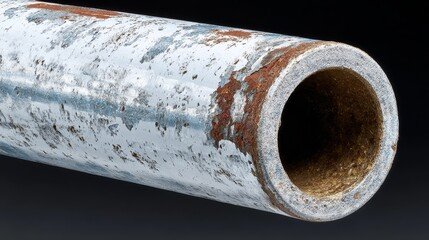
- Rust
- Corrosion
- Damp flooring
- Leaking connections
- Water coming from the bottom of the tank
Washing Machine Hose Failure
A washing machine can discharge a large volume of water through a failed supply hose or drain problem.
If the laundry area is on the ground floor, the resulting water can spread quickly.
Toilet Overflow
A clogged toilet may overflow if the supply is not shut off quickly.
If sewage is involved, avoid unnecessary contact with the water and arrange professional cleanup and plumbing service.
Could a Sewer Backup Be the Real Problem?
Yes.
A sewer problem becomes more likely when multiple fixtures are affected at the same time.
For example, imagine flushing the first-floor toilet and noticing that water rises in a shower drain. Then the bathtub begins draining slowly and a floor drain starts bubbling.
That pattern is more concerning than a single clogged toilet.
Possible causes include:
- Main sewer blockage
- Tree-root intrusion
- Pipe deterioration
- Broken sewer lateral
- Heavy buildup
- Structural pipe damage
- Sewer-system surcharge during severe weather
Miami-Dade has also documented how street flooding can increase inflow into sanitary sewer systems through manholes, cleanouts, cracks, and other pathways.
Could Heavy Rain Be Responsible Instead?
Absolutely.
Miami's weather can produce intense rainfall, and the county states that heavy rain can quickly overwhelm drainage systems and flood streets.
Rainwater may enter a property through:
- Garage doors
- Exterior doors
- Low thresholds
- Foundation openings
- Poorly graded landscaping
- Damaged drainage systems
- Blocked drains
- Low-lying areas
The timing is important.
If water appears only during intense rainfall and there is no plumbing-related activity, stormwater may be the more likely source.
If flooding occurs repeatedly even during dry conditions, investigate the plumbing and drainage system.
What Should You Do When Your Miami Home Starts Flooding?
Stop Using Water
If you suspect a drain or sewer backup, stop flushing toilets and avoid using sinks, showers, washing machines, and dishwashers until the cause is understood.
Shut Off the Main Water Supply if Necessary
If a burst pipe or major clean-water leak is suspected, shut off the main water supply if you can do so safely.
Stay Away From Electrical Hazards
Never walk through standing water if electrical outlets, appliances, extension cords, panels, or other electrical equipment may be submerged or energized.
Keep Children and Pets Away
If sewage may be involved, prevent people and animals from entering the affected area.
Protect Valuables if Safe
Move electronics, furniture, documents, and other belongings away from the water when doing so does not expose you to danger.
Document the Damage
Take photographs and videos before extensive cleanup when practical.
Call a Professional
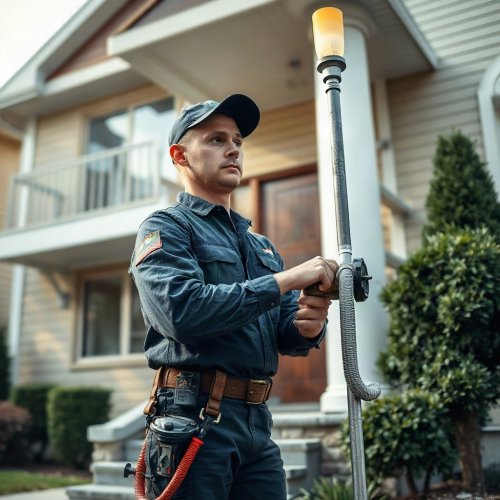
A plumber can determine whether the source is a supply pipe, drain, sewer line, water heater, fixture, or another plumbing component.
Signs You Should Never Ignore
Unexplained Water on the Floor
Recurring unexplained moisture should always be investigated.
High Water Bills
A sudden increase in water consumption can indicate an undetected leak. Miami-Dade County specifically notes that concealed or underground leaks can cause unexpectedly high water bills.
Damp Walls
A damp wall may indicate a concealed pipe leak.
Musty Odors
Persistent moisture can contribute to mold and other building problems.
Gurgling Drains
Gurgling may indicate restricted drainage or sewer problems.
Slow Drains Throughout the Home
One slow drain may be a fixture-level clog. Several slow drains are more concerning.
Sewage Odor
A persistent sewage smell should not be ignored.
Repeated Flooding
Flooding that keeps returning is a strong reason to investigate the underlying cause rather than repeatedly cleaning up the water.
Step-by-Step Professional Plumbing Inspection
Step 1: Identify the Water Source
The plumber determines whether the water is coming from a supply pipe, drain, sewer, fixture, appliance, or outside source.
Step 2: Inspect Visible Plumbing
Accessible pipes, valves, fixtures, water heaters, and drains are checked.
Step 3: Check Drainage
If wastewater is involved, the drainage system is evaluated for blockages.
Step 4: Investigate the Sewer Line
Recurring backups may require a sewer camera inspection.
Step 5: Test for Concealed Leaks
If no visible source is found, appropriate leak-detection methods may be used.
Step 6: Recommend the Repair
The plumber explains whether the issue involves cleaning, repair, replacement, or further investigation.
Step 7: Test the System
After the repair, the plumbing should be tested to verify proper flow and check for continuing leaks.
Can You Fix Ground-Floor Flooding Yourself?
There are a few safe first steps homeowners can take:
- Shut off water during a major plumbing leak.
- Stop using fixtures during a suspected sewer backup.
- Remove valuables from the affected area if safe.
- Use towels for small amounts of clean water.
- Document visible damage.
- Check whether an individual fixture valve can isolate a leak.
Professional assistance is recommended when:
- A pipe has burst
- Water is coming from a wall or ceiling
- Sewage is involved
- Multiple drains are backing up
- The source cannot be identified
- The main shutoff does not work
- Underground plumbing may be damaged
- Flooding keeps returning
Do not attempt to open a sewer cleanout or septic tank yourself. Miami-Dade County warns that septic systems can contain dangerous gases and bacteria and recommends licensed septic professionals for inspection and service.
Tools Professional Plumbers May Use
Drain Cameras
A sewer camera can reveal blockages, roots, cracks, offsets, and other problems inside suitable drain lines.
Electronic Leak Detection
Specialized equipment may help locate concealed leaks without immediately opening walls or floors.
Pressure Testing
Pressure testing can help identify certain water-supply system problems.
Pipe Locators
Locators can help identify underground plumbing routes before excavation.
Hydro Jetting
Hydro jetting can remove certain types of buildup from appropriate drain and sewer lines. The pipe should be evaluated first, particularly when it is old or structurally damaged.
Moisture Detection Equipment
Moisture meters and thermal imaging can help identify areas affected by concealed water.
How Long Does Flooding Repair Take?
The time required depends heavily on the cause.
A small fixture leak may be repaired relatively quickly.
A main sewer blockage may require drain cleaning or camera inspection.
A damaged underground pipe can take longer because excavation or specialized repair may be necessary.
Factors include:
- Location of the problem
- Accessibility
- Severity
- Pipe condition
- Type of plumbing
- Amount of water damage
- Equipment required
- Need for excavation
- Permit requirements
- Restoration work
Remember that plumbing repair time and water-damage restoration time are separate.
What Affects the Cost?
There is no reliable fixed cost for ground-floor flooding.
Plumbing repair costs vary depending on the severity of the problem, accessibility, materials required, emergency service, property type, and local labor rates.
Additional factors may include:
- Diagnostic fees
- Emergency service
- Drain cleaning
- Camera inspection
- Leak detection
- Pipe repair
- Sewer replacement
- Excavation
- Replacement fixtures
- Water heater repair
- Permit costs, if applicable
- Water-damage restoration
Ask whether the estimate covers only the plumbing repair or also cleanup and restoration.
Hidden Truths Homeowners Should Know
Floodwater Is Not Always Rainwater
Water inside your home can come from plumbing even when it occurs during a storm.
Sewer Water Is a Different Risk
If the water contains sewage, avoid direct contact and treat the situation as a contamination concern.
Small Leaks Can Become Large Floods
A slow leak may eventually damage structural materials.
High Water Bills Can Reveal Hidden Problems
Miami-Dade encourages residents to check for concealed and underground leaks when water usage unexpectedly increases.
Repeated Backups Need Diagnosis
Continually clearing a drain without determining why it keeps backing up may only treat the symptom.
Stormwater and Sewer Problems Can Interact
During major flooding, outside water can place additional stress on drainage and sewer infrastructure.
Ground-Floor Homes Need Extra Preparation
Miami-Dade recommends keeping drainage paths clear and, for low-foundation homes, considering sump-pump battery backup where applicable.
15 Common Mistakes Homeowners Make
- Assuming every flood is caused by rain — Check for plumbing symptoms.
- Continuing to use water during a sewer backup — Additional wastewater can worsen flooding.
- Ignoring small leaks — They can damage flooring and walls.
- Walking through contaminated water — Avoid unnecessary exposure.
- Ignoring electrical hazards — Standing water can create serious electrical risks.
- Using chemical drain cleaners repeatedly — They may not solve a main-line blockage.
- Ignoring recurring toilet backups — The problem may be farther down the system.
- Failing to inspect the water heater — Tank failures can release significant water.
- Waiting to investigate a high water bill — It may indicate a hidden leak.
- Attempting sewer repairs without experience — Underground plumbing can be complicated.
- Opening septic equipment yourself — Septic systems can present health and gas hazards.
- Cleaning sewage without proper precautions — Contaminated water requires careful handling.
- Ignoring damp drywall — Moisture can remain hidden after the visible water disappears.
- Repairing only the symptom — Repeated flooding requires diagnosis.
- Not preparing before heavy rain — Clear drainage paths and protect vulnerable areas ahead of storms.
Maintenance Tips to Reduce Flooding Risks
- Inspect visible plumbing regularly.
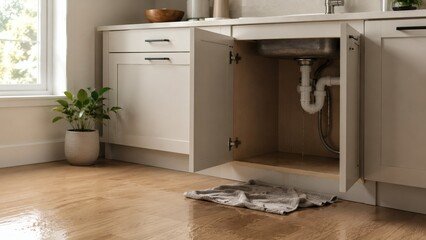
- Check beneath sinks for moisture.
- Inspect around toilets.
- Look around the water heater.
- Monitor water bills.
- Investigate unexplained increases in water usage.
- Keep drains free of unsuitable materials.
- Do not flush wipes or grease.
- Watch for recurring drain backups.
- Listen for gurgling plumbing.
- Inspect washing-machine hoses.
- Keep gutters clear.
- Keep downspouts directed away from vulnerable areas.
- Keep storm drains near your property clear of debris where appropriate.
- Inspect garage and ground-floor entry points before heavy rain.
- Know where the main water shutoff is.
- Test accessible shutoff valves carefully.
- Consider appropriate sewer backflow protection.
- Maintain sump-pump systems where applicable.
- Prepare before Miami's heavy-rain events and hurricane season.
Miami-Dade specifically recommends clearing gutters, downspouts, and storm drains before heavy rain and notes that backflow valves can help prevent rising street water from forcing sewage back through drains.
When Should You Call an Emergency Plumber?
Call an emergency plumber when flooding is actively occurring and you suspect a plumbing failure.
Immediate plumbing attention is appropriate for:
- Burst pipes
- Major water leaks
- Sewer backups
- Multiple overflowing drains
- Failed water heaters
- Water coming from walls or ceilings
- Broken underground plumbing
- Uncontrolled toilet overflow
- Flooding that continues after shutting off a fixture
- A failed main shutoff valve
If the issue involves a public water or sewer pipe, meter, manhole, or other Miami-Dade infrastructure, the county's Water and Sewer Department provides a 24-hour emergency number: 305-274-9272.
For immediate danger to people, Miami-Dade County advises calling 911.
People Also Ask About Ground-Floor Flooding in Miami
Can a plumbing problem cause my ground floor to flood?
Yes. Burst pipes, sewer backups, clogged drains, water heaters, toilets, and failed supply lines can all cause indoor flooding.
Why is water coming up through my floor drain?
A blocked or overwhelmed drainage or sewer system can cause wastewater to return through a low-level floor drain.
How do I know if flooding is from rain or plumbing?
Look at timing and water characteristics. Flooding during heavy rain may involve stormwater, while flooding during dry conditions or after using plumbing may point toward an internal plumbing problem.
Can a sewer backup flood my house?
Yes. A blocked or overloaded sewer system can cause wastewater to back up through toilets, showers, floor drains, and other low points.
Why does my house flood when it rains?
Possible causes include stormwater runoff, poor drainage, low-lying property, blocked drainage paths, and plumbing or sewer problems.
Can a broken water pipe cause floor flooding?
Yes. A broken pressurized pipe can release a large amount of water, particularly if it is connected directly to the home's main supply.
What should I do if sewage enters my home?
Avoid contact, stop using plumbing, keep children and pets away, and contact a qualified plumbing and restoration professional.
Can a clogged drain cause flooding?
A severe blockage can prevent wastewater from draining and eventually cause water to back up into the home.
Can high water bills indicate a hidden plumbing leak?
Yes. Miami-Dade County notes that undetected leaks, including concealed and underground leaks, can contribute to unexpectedly high water use.
Should I shut off my water if my house is flooding?
If a plumbing leak is suspected and the main shutoff can be operated safely, shutting off the water can limit additional water entering the system.
Voice Search Questions
“Why is my Miami ground floor flooding?”
The cause could be heavy rain, drainage problems, a burst pipe, sewer backup, clogged drain, water heater failure, or another plumbing issue.
“How do I know if my floor flooding is a sewer backup?”
Multiple affected fixtures, sewage odors, toilet backups, gurgling drains, and wastewater coming from floor drains are common warning signs.
“What should I do if water is flooding my house?”
Move people away from hazards, shut off the water if a plumbing leak is suspected and it is safe, avoid electrical hazards, protect valuables if possible, and contact the appropriate professional.
“Can heavy rain cause a sewer backup in Miami?”
Heavy rain and flooding can put additional pressure on drainage and sewer infrastructure. Miami-Dade has documented pathways through which floodwater can increase inflow into sanitary sewer systems.
“Who do I call for a sewer emergency in Miami?”
For private plumbing problems, contact a qualified plumber. For public water/sewer emergencies involving county infrastructure, Miami-Dade Water and Sewer lists 305-274-9272 as its 24-hour emergency number.
Why Choose plumbersinmiamiflorida?
Flooding requires more than simply removing the water. The source needs to be identified so that the problem does not continue.
plumbersinmiamiflorida provides plumbing assistance for homeowners in Miami and surrounding communities. When selecting a plumbing professional, verify applicable licensing, ask what caused the flooding, understand the recommended repair, and request an estimate when practical.
Business Name: plumbersinmiamiflorida
Phone: (844) 973-0400
Website: https://plumbersinmiamiflorida.com/
Serving Miami and Miami-Dade County
Plumbing-related flooding can affect properties throughout Miami and Miami-Dade County, including Brickell, Coral Gables, Coconut Grove, Little Havana, Kendall, Doral, Miami Beach, Hialeah, and nearby communities.
Older homes, newer construction, condominiums, and ground-floor properties can have very different plumbing and drainage configurations. A professional inspection can help determine whether flooding is coming from the home's plumbing, sewer system, or outside water.
Final Thoughts
Ground-floor flooding in Miami does not always mean rainwater is responsible.
A burst pipe, sewer backup, clogged drain, leaking water heater, failed supply line, or concealed plumbing leak can all put significant amounts of water inside a home.
When flooding begins, focus on safety first. Stop using plumbing if a sewer backup is suspected, shut off the main water supply when appropriate, stay away from electrical hazards, protect valuables if safe, and get professional help when the source is unclear or the water is spreading.
If the flooding involves Miami-Dade's public water or sewer infrastructure, the county's 24-hour Water and Sewer emergency number is 305-274-9272.
For private plumbing emergencies in Miami, contact plumbersinmiamiflorida at (844) 973-0400.