Gas Line Plumber in Miami FL: Safety, Repairs & Installation
Understand what to do when dealing with gas line issues in Miami. Learn about safety checks, common repairs, and when to hire a licensed gas plumber.


Understanding Gas Line Plumbing in Miami Properties
Working with fuel gas lines requires a completely different level of caution, technical knowledge, and licensing than standard water supply or drainage piping. Whether a property utilizes natural gas supplied by a municipal utility or a private propane (LPG) tank system common in certain residential and commercial setups across Miami-Dade County, any issue involving fuel gas demands immediate and specialized attention.
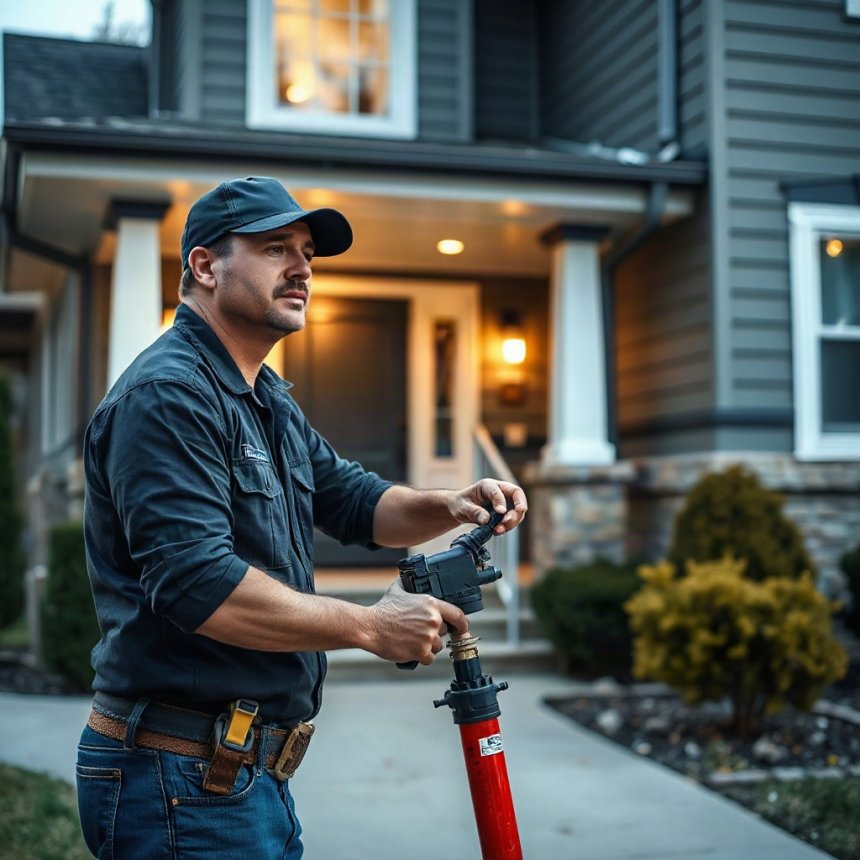
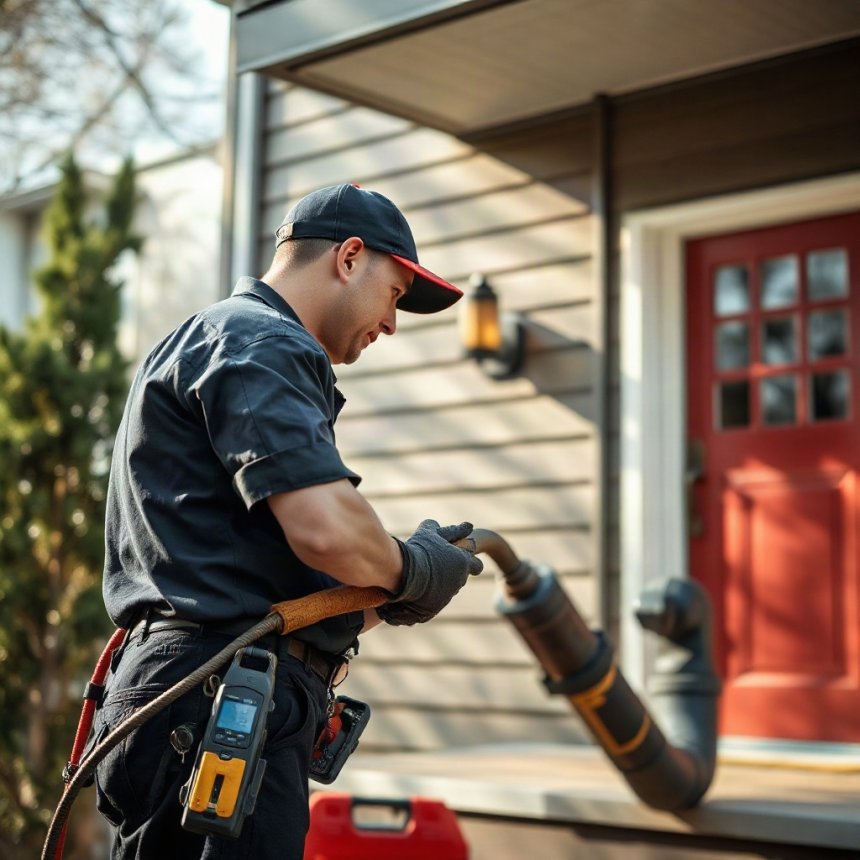
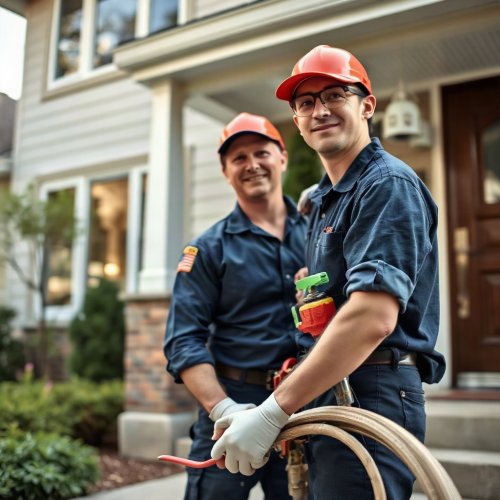
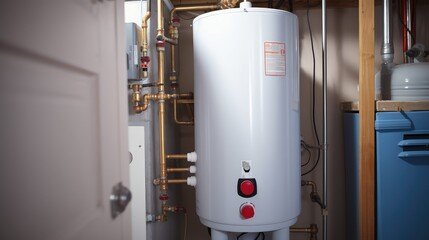
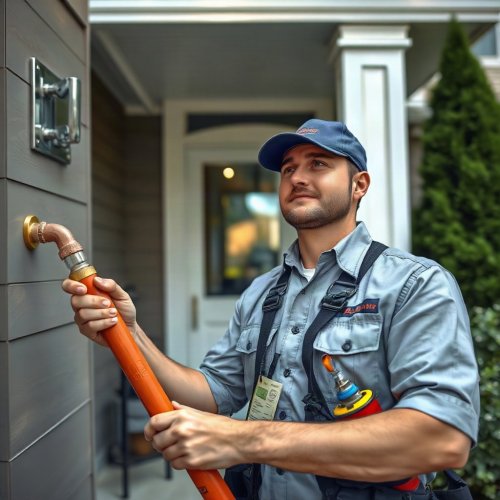
A gas line plumber is a specialized professional licensed and trained to install, test, repair, and modify piping that carries flammable fuel to appliances such as water heaters, ranges, dryers, and outdoor generators. Because gas leaks pose severe health, fire, and explosion hazards, understanding how fuel gas systems operate, recognizing warning signs of trouble, and knowing when to call a qualified specialist can prevent dangerous emergencies.
Recognizing Potential Gas Line Problems
Fuel gas is naturally colorless and odorless. For safety, utility companies add a distinct chemical odorant called mercaptan, which smells like rotten eggs, sulfur, or spoiled cabbage. Recognizing this scent is the primary line of defense against undetected leaks.
However, odor is not the only indicator of a compromised gas system. Other physical clues can signal a failing pipe, a loose connection, or a malfunctioning appliance:
- Hissing or Whistling Sounds: Hearing a faint hissing or whistling noise near a gas appliance connection, meter, or along an exposed pipe run usually indicates gas escaping under pressure.
- Dead or Dying Vegetation: In outdoor settings, underground gas lines that develop a slow leak can kill grass, plants, or shrubs directly above the breach by displacing soil oxygen.
- Unexplained Physical Symptoms: Chronic headaches, dizziness, fatigue, nausea, or breathing irritation felt primarily while indoors can sometimes point toward low-level, unburned gas exposure or poor appliance venting.
- Pilot Light Irregularities: If a water heater, stove, or furnace pilot light continually blows out, burns with a yellow or orange flame instead of a sharp blue flame, or produces soot, it may indicate improper gas pressure or combustion issues tied to the supply line.
Safe Homeowner Checks and Immediate Emergency Actions
When dealing with fuel gas, homeowner intervention must be strictly limited to observation and emergency safety measures. Never attempt to tighten fittings, patch pipes, or adjust meter components yourself.
If you suspect a gas leak inside a Miami home, apartment, or commercial space, follow these immediate steps:
- Evacuate Immediately: Get all family members, employees, and pets outside and away from the building at once.
- Do Not Ignite Flames or Sparks: Do not light matches, use lighters, or strike a match. Leave all electrical switches, lights, and appliances entirely alone. Turning a light switch on or off can create a tiny electrical spark capable of igniting accumulated gas.
- Avoid Electronic Devices: Do not use mobile phones, landlines, or garage door openers inside the hazard zone. Use a phone only after reaching a safe distance outdoors.
- Leave Doors Open (If Safe): If you can do so instantly on your way out without delaying your exit, open exterior doors to help ventilate the space.
- Contact Emergency Services and Utilities: Call 911 or your local gas utility provider from a safe location. Once the immediate emergency is managed and the utility shuts off the supply at the meter, you will need a licensed gas line plumber to perform diagnostic testing and permanent repairs.
Why Visible Leaks May Not Reveal the Entire Problem
A common misconception is that a gas leak only exists right where the sulfur smell is strongest. In reality, fuel gas can travel along pipe chases, through wall cavities, or beneath concrete slabs before finding a point of egress into living spaces.
Furthermore, an older property in Miami with aging steel, black iron, or corrugated stainless steel tubing (CSST) may experience corrosion due to high ambient humidity, coastal salt air, or moisture intrusion in crawl spaces and walls. Fixing a single visible fitting or replacing a short section of pipe does not guarantee that the rest of the aging distribution network is structurally sound. Professional diagnostics often involve pressure testing the entire closed system to verify whether micro-leaks exist elsewhere behind walls or underground.
Repair, Replacement, and Installation Considerations
When a gas line issue is identified, a licensed plumber evaluates whether a targeted repair or a complete repiping is necessary. Several technical factors dictate the scope of work:
- Material Compatibility: Modern installations frequently utilize black iron pipe, galvanized steel (for specific outdoor applications), copper, or flexible CSST with mandatory bonding and grounding protection against electrical surges like lightning strikes—an important consideration during South Florida storm seasons.
- Pipe Sizing and Appliance Demand: Every gas appliance requires a specific volume of gas measured in BTUs (British Thermal Units). If a homeowner adds a high-capacity tankless water heater or an outdoor commercial kitchen grill, existing supply pipes may be too narrow to deliver adequate volume and pressure, leading to appliance starvation and operational failure.
- Permitting and Code Compliance: Gas work is strictly regulated by building codes and requires local municipal permits and formal inspections in Miami-Dade County. Unpermitted gas modifications create severe liability risks and can complicate property sales or insurance claims.
Factors Influencing Gas Plumbing Project Costs
The cost of gas line repairs or new installations varies based on several operational factors rather than a flat service fee. Understanding these variables helps property owners evaluate professional estimates:
- Accessibility and Layout: Running a new line through an open attic, crawl space, or unfinished utility room requires less labor than routing pipe through finished drywall, concrete block walls, or beneath a slab foundation.
- Total Footage and Pipe Diameter: Longer runs and larger-diameter pipes required for high-demand commercial equipment increase both material costs and labor time.
- Permit and Inspection Fees: Official municipal permitting and mandatory post-installation pressure testing add to the overall project timeline and administrative cost.
- Appliance Shut-off Valves and Connectors: Upgrading outdated valves, sediment traps (drip legs), and flexible appliance connectors to meet current safety standards is standard practice during professional repairs.
Condominiums, High-Rises, and Shared Infrastructure
In Miami's extensive network of condominiums, townhomes, and high-rise residential buildings, gas supply configurations differ significantly from single-family houses. Many high-rise developments rely on centralized gas boilers or community propane banks rather than individual utility meters for each unit.
Residents living in shared-property environments must understand that individual unit owners generally control appliances and immediate shut-off valves inside their living space, while building management or the HOA oversees the primary supply risers, shared meter banks, and main building shut-offs. If a gas odor is detected in a hallway or common area of a condo building, building management and emergency personnel must be notified immediately to inspect the shared infrastructure.
Frequently Asked Questions
Can I check for a gas leak using a match or lighter?
Never use an open flame to check for gas leaks. This practice is extremely dangerous and can instantly trigger an explosion. Professional plumbers use electronic gas detectors or soapy water solutions that bubble when gas escapes under pressure.
What is a sediment trap, and why is it required on gas lines?
A sediment trap (or drip leg) is a short, capped vertical pipe tee installed ahead of gas appliances like water heaters and furnaces. It catches moisture, rust flakes, and debris traveling through the gas pipe before they can foul the appliance's burner controls or valves.
Why does my gas appliance pilot light keep going out?
Frequent pilot light failure is often caused by a faulty thermocouple (a safety device that detects flame heat), a blocked pilot orifice, or inadequate gas supply pressure. If cleaning does not resolve the issue, a professional must test the system pressure.
Do outdoor gas lines require special protection in South Florida?
Yes. Outdoor gas lines exposed to intense UV rays, high humidity, and coastal salt air are prone to external corrosion. Exterior pipes must be properly coated, painted, and supported, and underground lines must be buried at code-specified depths with proper corrosion wrapping.
How long does a pressure test take on a gas line?
A standard pressure test involves shutting off the gas supply, attaching a specialized pressure gauge, and pumping air into the closed pipe system to hold a specific test pressure for a designated duration (often 15 to 30 minutes) to verify that no pressure drop occurs, confirming the system is airtight.
Are flexible gas connectors reusable?
No. Flexible appliance connectors (such as those connecting a range or dryer to the wall valve) should never be reused. When an appliance is moved, replaced, or disconnected for service, building codes and manufacturer guidelines require installing a brand-new certified flexible connector.