How to Troubleshoot Common Plumbing Problems in a Miami Home
Learn how to safely troubleshoot common plumbing problems in your Miami home, identify warning signs, and know when to call a professional.


Diagnosing Everyday Plumbing Quirks in Residential Properties
When a plumbing fixture acts up in a residential property, homeowners often face a frustrating guessing game. Is a slow sink drain a simple localized buildup, or does it signal a deeper issue within the branch lines? Does a sudden fluctuation in water pressure point to a faulty fixture aerator or a failing pressure regulator? Understanding how to systematically troubleshoot common plumbing problems helps you separate minor cosmetic issues from structural failures that demand immediate professional intervention.
In regions like South Florida, environmental conditions such as high ambient humidity, heavy tropical downpours, and aging infrastructure can influence how plumbing systems behave. However, many everyday issues stem from standard mechanical wear, mineral buildup, or simple daily usage habits. By evaluating specific clues—such as where a symptom occurs, whether multiple fixtures are affected, and how the system responds to basic checks—you can accurately assess what is happening behind your walls and under your floors.
Symptom-Driven Troubleshooting: Where Is the Problem?
The first rule of diagnostic plumbing is isolating the scope of the failure. A problem confined to a single location requires a very different approach than a system-wide symptom.
Single-Fixture vs. Multi-Fixture Problems
If only one sink drains slowly or one toilet fails to flush cleanly, the restriction almost always lies within that specific fixture, its trap, or its immediate branch line. For example, a bathroom sink sluggishness is frequently caused by hair and soap scum binding together inside the P-trap beneath the basin. Conversely, if multiple drains on the same floor begin gurgling or backing up simultaneously when a washing machine discharges, the restriction has likely moved deeper into the main drain or the sanitary sewer line.
Supply-Side vs. Drainage Failures
Distinguishing between water supply issues and drainage issues is straightforward if you observe system behavior carefully:
- Supply issues involve clean water entering your home under pressure. Symptoms include sputtering faucets, reduced water flow, or unexpected water bill spikes indicating a hidden leak.
- Drainage issues involve wastewater exiting your home by gravity. Symptoms include foul odors, slow emptying basins, gurgling sounds from idle traps, or liquid pooling where it should not.
Safe Homeowner Inspections and Basic Checks
Before calling for professional service, there are several safe, non-invasive checks a homeowner can perform to gather diagnostic details or temporarily manage minor issues.
- Check the Aerators: If a single faucet experiences reduced water flow or a crooked spray pattern, unscrew the small screen (aerator) at the tip of the spout. Mineral deposits and small debris frequently lodge here, restricting flow without indicating any problem with the water supply lines.
- Inspect Toilet Tank Components: If a toilet runs continuously, remove the tank lid and observe the flapper, chain, and fill valve. A worn rubber flapper that fails to form a proper seal will cause water to trickle constantly from the tank into the bowl, wasting gallons of water daily.
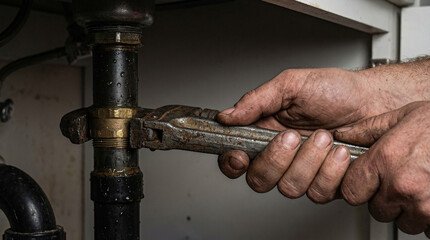
- Examine Accessible Piping: Use a flashlight to inspect exposed supply lines and drain traps under kitchen and bathroom sinks. Look for active drips, corrosion on metal threaded connections, or damp wood on cabinet bottoms.
- Test the Main Water Shut-Off: Locate your primary property shut-off valve and ensure you know how to operate it. In an emergency, being able to quickly halt incoming water prevents catastrophic interior flooding. Do not force a stuck valve; older gate valves can snap if handled too aggressively.
Hidden Diagnostic Insights
Experienced plumbing analysis relies on recognizing subtle clues that standard troubleshooting guides often overlook.
For instance, an intermittent sewer odor inside a home does not automatically mean a broken sewer pipe. Often, it indicates a dried-out P-trap in a guest bathroom or floor drain that is rarely used. When water in the trap evaporates, sewer gases bypass the water barrier and enter the living space. Pouring a cup of water down the drain restores the barrier and eliminates the smell.
Another overlooked detail involves sudden changes in water pressure when multiple fixtures operate simultaneously. If turning on a shower causes a dramatic pressure drop at a nearby sink, it frequently points toward an undersized supply line, heavy mineral scaling inside older galvanized pipes, or a failing pressure-reducing valve (PRV). This is a supply-side restriction rather than a fixture defect.
Finally, when dealing with slow drains, a temporary improvement achieved by using a standard hand plunger does not prove the obstruction has been cleared. Plunging often forces a clog to break apart temporarily or shift deeper into a narrow pipe bend, allowing it to re-form a few days later.
When Professional Diagnosis Becomes Necessary
While basic troubleshooting helps identify minor faults, certain conditions require specialized diagnostic tools, professional licensing, and heavy equipment. You should contact a qualified plumber when:
- Water meter readings continue to rise while all indoor and outdoor fixtures are completely turned off, indicating a hidden underground leak or slab leak.
- Main sewer lines back up repeatedly despite mechanical snaking, suggesting structural damage, root intrusion, or pipe collapse that requires a sewer camera inspection.
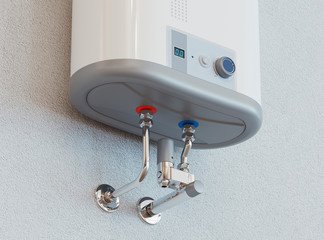
- Water heater tanks show signs of external corrosion, leaking from the tank body itself, or failing to heat water reliably.
- Multi-story or condo plumbing systems experience complex drainage or supply pressure anomalies that involve shared building risers and HOA jurisdiction.
Factors Influencing Plumbing Repair and Service Costs
When a plumbing problem requires professional intervention, service costs can vary widely based on several objective factors. Understanding these variables helps homeowners evaluate estimates realistically.
Diagnostic complexity is a primary cost driver. Pinpointing a hidden leak behind a tiled wall or beneath a concrete slab requires acoustic listening devices, thermal imaging, or electronic line tracing, which adds diagnostic labor time before physical repairs even begin. Accessibility also plays a significant role. Repairing an exposed PVC drain line in an open utility area is straightforward, whereas accessing corroded supply pipes inside cramped wall cavities, beneath permanent cabinetry, or within multi-family high-rise utility chases requires specialized access work and subsequent structural restoration.
Additionally, the scope of the underlying material failure dictates pricing. Spot-repairing a localized pipe crack differs fundamentally from repiping an aging section of a home. Emergency service timing, specialized heavy equipment such as hydro-jetting units or trenchless pipe-lining machinery, and local permit requirements for major plumbing alterations can further influence overall project investment.
Frequently Asked Questions
Why does my sink drain gurgle when another fixture runs?
A gurgling sound typically indicates a venting problem or a partial blockage in the drain line. As wastewater moves past a restricted vent or a tight pipe restriction, it pulls air through nearby traps, creating a bubbling or gurgling noise.
How can I tell if my running toilet is wasting water?
Add a few drops of dark food coloring into the toilet tank and wait ten to fifteen minutes without flushing. If colored water seeps into the bowl on its own, your flapper valve is leaking and needs replacement.
What does a sudden spike in my water bill mean?
An unexpected water bill increase is one of the clearest indicators of a hidden leak. Common culprits include a silent toilet flapper leak, a leaking irrigation line, or a pressurized supply pipe leaking underground or behind a wall.
Is it safe to use chemical drain cleaners for recurring clogs?
Chemical drain cleaners are generally discouraged for recurring or severe clogs. They rely on harsh caustic reactions that can damage older metal and plastic pipes, and they rarely remove the root cause of stubborn obstructions like hardened grease or root intrusions.
Why is my water pressure suddenly low at only one faucet?
If low pressure affects just one location, the issue is almost always localized to that fixture. Check the aerator screen for mineral sediment or inspect the individual supply shut-off valves under the sink to ensure they are fully open.
Who is responsible for plumbing leaks in a condominium building?
Responsibility typically depends on the location of the pipe and the governing documents of the association. Generally, fixtures and branch lines serving only your unit are your responsibility, while shared vertical stacks and main building supply lines fall under building management or HOA maintenance.