How to Troubleshoot Common Plumbing Problems in Miami
Learn how to troubleshoot common plumbing problems in your Miami home. Discover safe diagnostic steps, hidden clues, and when to call a professional.
Decoding Plumbing Issues in Your Miami Home
Encountering an unexpected plumbing issue can disrupt your day instantly. Whether you live in a single-family home with a concrete slab foundation, an older historic residence, or a multi-story condominium, understanding how your plumbing system behaves makes a significant difference. Troubleshooting common plumbing problems effectively means looking past the initial symptom to identify the root cause, protecting your property from water damage, and knowing when a situation requires professional intervention.
Rather than relying on temporary fixes, methodical troubleshooting helps you determine whether an issue is isolated to a single fixture, contained within a branch line, or part of the main building infrastructure. This guide covers practical diagnostic steps for everyday plumbing issues while keeping Miami's unique environmental and structural conditions in mind.
Isolating Fixture-Level vs. System-Wide Problems
When a plumbing issue arises, your first step is determining the scope. Many homeowners assume that a sudden drop in performance or a strange sound indicates a major system failure, when the problem might simply be a localized obstruction or a failing component.
- Localized Issues: If only one faucet trickles, one toilet fails to flush properly, or a single sink drains slowly, the problem almost always lies within that specific fixture, its supply lines, or its immediate trap.
- System-Wide Issues: If multiple fixtures experience low pressure, several drains back up simultaneously, or you notice gurgling across different rooms, the disturbance likely originates in a shared branch line, the main water supply, or the primary sanitary sewer line.
Distinguishing between these levels prevents wasted effort and ensures you focus your diagnostic attention where it actually matters.
Troubleshooting Low Water Pressure
A noticeable drop in water flow can be frustrating. To diagnose low water pressure accurately, test multiple taps throughout the property.
- Check the Aerators: Unscrew the tip of your kitchen or bathroom faucet (the aerator). In South Florida's mineral-rich water environments, calcium and scale deposits frequently accumulate inside aerator screens, choking off flow while leaving the rest of the plumbing system untouched.
- Inspect the Shut-Off Valves: Ensure that the local supply valves under the sink or the main water shut-off valve for the property are fully open. A partially closed valve restricts volume significantly.
- Evaluate Hot vs. Cold: If low pressure affects only hot water, the restriction is likely isolated to the water heater supply inlet, a failing shut-off valve on the heater, or internal sediment buildup within the tank itself.
If every fixture in the home experiences low pressure simultaneously, the issue may stem from the municipal supply, a partially closed main meter valve, or a failing pressure-reducing valve (PRV). If adjusting or cleaning local components yields no change, professional diagnostic testing is necessary.
Diagnosing Slow Drains and Recurring Clogs
A slow-draining sink or shower is rarely a sudden event; it usually builds up over weeks or months through a combination of soap scum, hair, grease, and mineral deposits. However, how a drain behaves provides vital clues about the blockage.
- The Single Fixture Clog: If a bathroom sink drains slowly, inspect the pop-up stopper assembly. Hair and debris frequently wrap around the horizontal pivot rod beneath the sink, creating a physical catch point. Removing and cleaning this linkage often restores normal drainage immediately.
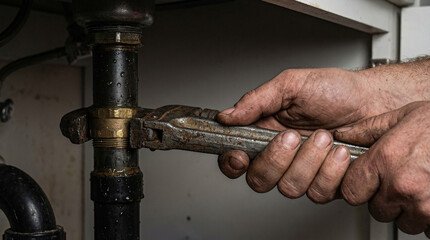
- The P-Trap Restriction: The curved pipe beneath your sink (the P-trap) is designed to hold standing water to block sewer gases. It also traps heavy debris. If you safely remove the P-trap with a bucket underneath, you can clear localized hair or sludge accumulations manually.
- Downstream Venting and Main Line Clogs: If clearing the P-trap does not help, or if multiple fixtures (such as a shower and a toilet) back up together, the blockage is deeper within the wall or floor. Furthermore, if you hear a distinct gurgling sound in the toilet when the washing machine drains, it often indicates a venting restriction or a partial obstruction in the main drain stack fighting for air.
Be cautious with chemical drain cleaners. Pouring harsh chemicals down a completely blocked drain can leave corrosive standing water in the pipes, creating severe safety hazards if you or a professional must later disassemble the piping.
Interpreting Running Toilets and Phantom Flushes
A running toilet is one of the most common sources of wasted water and inflated utility bills. Often, the sound is obvious, but sometimes water trickles silently down the interior bowl without making a noticeable noise.
- The Dye Test: Place a few drops of food coloring into the toilet tank. Wait 10 to 15 minutes without flushing. If colored water appears in the bowl, the flapper valve at the bottom of the tank is failing to seal tightly and needs replacement.
- Chain Adjustment: Check the chain connecting the flush handle lever to the flapper. If the chain is too short, it prevents the flapper from seating properly. If it is too slack, it can get caught underneath the rubber seal.
- Fill Valve Height: If water continuously spills into the overflow pipe, the fill valve float may be set too high, or the internal valve mechanism is failing to shut off the water supply when the tank reaches capacity.
When Hidden Leaks Suspected
Not all leaks make themselves obvious through dripping faucets or pooling water. Hidden leaks behind walls, beneath concrete slab foundations, or underground can cause structural damage and mold growth if left unchecked.
Key warning signs of a hidden leak include:
- An unexplained spike in your monthly water bill when consumption habits have not changed.
- The sound of running water when all taps, showers, and appliances are completely turned off.
- Warm spots on a floor surface, which often indicate a hot water line leaking beneath a slab foundation.
- Persistent musty odors or peeling baseboards that point toward hidden moisture inside wall cavities.
Because humidity and heavy seasonal rainfall can naturally introduce moisture into South Florida homes, differentiating between environmental condensation and an active plumbing leak requires careful observation. If your water meter's leak indicator dial spins continuously while everything inside is closed, professional leak detection equipment—such as electronic acoustic listening devices or thermal imaging—is required to pinpoint the exact failure point without unnecessary exploratory demolition.
Understanding Repair Options and Cost Factors
When a plumbing issue requires more than a simple homeowner adjustment, understanding the factors that influence repair scope and pricing helps you evaluate professional estimates effectively.
Plumbing repair costs are rarely uniform because every system configuration is unique. Key variables that affect the scope and investment of a plumbing repair include:
- Accessibility: Working on exposed piping under a sink or in an open utility room requires significantly less labor than accessing a broken pipe hidden behind a tiled bathroom wall, beneath a concrete slab, or deep within a multi-story building stack.
- Material and Age: Older homes featuring aging galvanized steel, cast iron, or polybutylene piping often require more extensive repair techniques than modern copper or cross-linked polyethylene (PEX) systems. Corroded threads or brittle pipe walls can complicate simple component swaps.
- Diagnostic Complexity: Some problems are immediately visible, while intermittent hidden leaks or complex sewer line restrictions require specialized diagnostic tools like video camera inspections to locate the exact failure point.
- Emergency Timing: After-hours, weekend, or holiday emergency response involves mobilizing specialized equipment and technicians outside standard operating hours, which affects service pricing.
A transparent professional estimate should clearly separate diagnostic charges, labor scope, and specific replacement materials, explaining whether the proposed repair addresses the root cause or provides a temporary patch.
Frequently Asked Questions
- Why do my drains gurgle when the washing machine drains?
Gurgling usually indicates that air is being displaced in the drainage system. When a washing machine discharges a high volume of water rapidly, it pushes air through the vent stack. If the vent is blocked by debris or if there is a partial restriction in the main drain line, air bubbles up through nearby fixture traps, creating a gurgling sound. - How can I tell if my running toilet is wasting water?
You can perform a simple dye test by adding a few drops of food coloring to the toilet tank. If the color leaks into the bowl without you flushing, your flapper valve is worn out and allowing water to escape continuously. - Does low water pressure in one faucet mean my whole house has a problem?
Not necessarily. If only one fixture has low pressure, the issue is likely a clogged aerator, a restricted supply line, or a partially closed shut-off valve underneath that specific sink. If all fixtures experience low pressure, the issue is systemic. - Why does my water bill suddenly increase without any visible leaks?
A sudden bill increase often points to a hidden leak, such as a silent toilet leak, a running irrigation connection, or a concealed pipe leak beneath your floors or inside a wall cavity. Checking your water meter's low-flow indicator when all indoor fixtures are off can help confirm continuous water movement. - Can I use chemical drain cleaners for recurring slow drains?
Chemical drain cleaners offer only temporary relief for organic clogs and can damage older metal or plastic pipes with repeated use. If a drain clogs repeatedly, it indicates an underlying structural restriction, grease buildup, or venting issue that chemical solutions cannot permanently resolve. - What should I check before calling a plumber for a plumbing issue?
Before scheduling service, check local shut-off valves, inspect aerators for scale, verify that water supply levers are fully open, and determine whether the issue affects a single fixture or multiple areas of the property. This information helps your plumber diagnose the problem more efficiently.