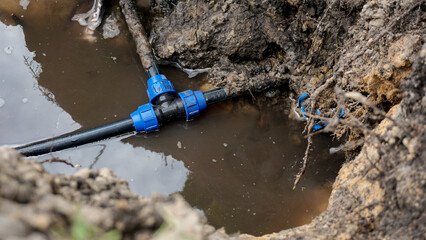
Floor Drain Backup After Heavy Rain in Miami: Causes & Fixes
Discover why floor drains back up during heavy rain in Miami. Learn about high water tables, municipal surcharges, and safe professional remediation.

Understanding Floor Drain Backups During Miami Downpours
A floor drain backup during heavy rain occurs when unprecedented volumes of stormwater overwhelm municipal sewer mains, forcing pressurized wastewater backward through lateral pipes and up into residential or commercial lowest-level fixtures. Unlike a localized clog caused by grease, scale, or root intrusion, a storm-induced backup is fundamentally a hydraulic surge issue driven by South Florida's unique environmental conditions. When tropical downpours saturate the Miami-Dade area, the municipal gravity collection system reaches full capacity, creating backpressure that exploits any vulnerability in private sewer laterals.
The physical mechanism involves a combination of high water tables, tidal influences in coastal neighborhoods like Brickell and Miami Beach, and the displacement of air within the drainage network. As stormwater enters damaged municipal pipes through cracks or illicit storm drain cross-connections, the water level in the main rises above the elevation of private service connections. This creates a reverse hydraulic gradient. The water naturally seeks the path of least resistance, which frequently leads straight out of basement floor drains, utility room sumps, or low-lying shower pans.
Establishing clear diagnostic boundaries is essential when water appears on a floor after a storm. If only a single fixture—such as a laundry sink or washing machine drain—overflows while other drains function normally, the issue is typically a localized branch line blockage compounded by the rain. However, if multiple fixtures on the ground floor or basement begin bubbling, gurgling, or discharging foul-smelling gray or black water simultaneously during a heavy precipitation event, the problem points directly to a compromised main sewer lateral or a surcharged municipal sewer main.
Overlooked South Florida Trade Secrets: High Water Tables and Surcharging
Standard plumbing textbooks rarely address the distinct hydrogeological realities of South Florida. Miami sits atop a porous coral limestone bedrock characterized by an exceptionally high groundwater table. During the rainy season, the earth becomes completely saturated. This high water table exerts external hydrostatic pressure on underground PVC, cast iron, and clay sewer pipes. Older pipes compromised by root intrusion, joint separation, or structural sagging allow both groundwater infiltration and torrential rainwater to enter the private drainage system.
Furthermore, many homeowners misunderstand how water travels along structural pathways. Water emerging from a floor drain does not always originate from a vertical pipe directly beneath it. Due to the slope of concrete slabs and settling foundations, water escaping a micro-crack in a buried branch line can travel horizontally along the underside of the slab before surfacing through a floor drain miles away from the actual pipe breach. This migration makes visual surface inspection misleading without professional sewer camera diagnostics.
Another critical factor in Miami buildings is the absence of standard backwater valves in older construction. While modern building codes mandate backflow prevention devices in certain low-elevation applications, thousands of legacy homes across Coral Gables, Kendall, and Doral rely on gravity flow systems that offer zero defense against a municipal mainline surge. When the street main runs at 100% capacity, wastewater simply reverses course and exits the lowest point in the connected property.
Comparative Analysis: Fixture-Specific Clog vs. Stormwater Surcharge
| Diagnostic Indicator | Fixture-Specific Clog | Stormwater Surcharge Backup |
|---|---|---|
| Timing | Occurs during normal daily usage (e.g., flushing a toilet). | Correlates directly with heavy rainfall intensity and duration. |
| Affected Areas | Restricted to a single drain or adjacent fixtures. | Multiple lower-level drains, showers, and toilets bubbling simultaneously. |
| Fluid Characteristics | Clear water, hair, soap scum, or localized organic waste. | Municipal wastewater, silt, debris, and foul-smelling gray/black water. |
| Acoustic Behavior | Gurgling only when running water in a related fixture. | Persistent gurgling and air bubbling driven by pressurized mains. |
Safe Homeowner Triage vs. Dangerous DIY Boundaries
When stormwater begins pushing up through a floor drain, panic often leads to dangerous improvised fixes. Property owners must understand safe operational boundaries to prevent personal injury, electrical shock, and catastrophic property damage.
Safe Homeowner Action Steps:
- Cease all indoor water usage immediately. Do not run washing machines, flush toilets, take showers, or operate dishwashers until the municipal system recedes.
- Locate and verify the operation of the main indoor water shutoff valve. While shutting off incoming water does not stop municipal sewage from backing up, it prevents additional water from compounding the indoor flooding.
- Monitor the water meter if safe to do so, though rising floodwaters generally render meter boxes inaccessible during torrential downpours.
- Document the water levels with clear photographs and videos for insurance and remediation documentation.
Explicit Safety Warnings:
- Never unthread or open a sewer cleanout plug under liquid head pressure. If a main line is surcharged with water or compressed air, removing the cleanout cap can cause a high-velocity geyser of contaminated sewage to blast into the room, causing severe injury or chemical/biological exposure.
- Never step into standing water if electrical outlets, baseboard heaters, or extension cords are submerged. Turn off the main electrical breaker to the affected zone only if the breaker panel is safely accessible in a dry area.
- Avoid pouring chemical acid-based drain cleaners into backing-up floor drains. Standing water dilutes the product, and if the drain suddenly recedes or overflows, corrosive chemicals can splash onto skin and eyes.
Realistic Repair Approaches and Decision Support
Resolving recurring floor drain backups after heavy rains requires targeted infrastructure upgrades rather than routine drain snaking. Because the root cause is external hydraulic pressure and municipal capacity constraints, mechanical clearing alone provides only temporary relief.
1. Installation of Backwater Prevention Valves (Backwater Valves):
A backwater valve features a flapper or gate mechanism that permits wastewater to exit the property freely during normal conditions, but automatically seals shut when pressure reverses from the municipal main. Installing an exterior backwater valve on the main sewer lateral requires excavation in the yard, obtaining Miami-Dade County permits, and ensuring proper drop and grade to maintain overall drainage efficiency.
2. Trenchless Cured-in-Place Pipe (CIPP) Lining:
If sewer camera inspections reveal structural cracks, root intrusion, or pipe fragmentation allowing groundwater infiltration, trenchless pipe lining offers a seamless structural repair. A resin-saturated epoxy tube is pulled through the existing lateral and inflated, curing in place to create a jointless barrier that stops groundwater intrusion and prevents stormwater from exploiting pipe defects.
3. Sectional Pipe Replacement:
In instances of severe pipe collapse, bellied lines, or severe offset joints caused by shifting coral limestone and expansive soils, traditional excavation and sectional replacement are necessary. Contractors must account for concrete slab penetrations, local soil conditions, and strict municipal building codes across Miami-Dade communities.
Frequently Asked Questions
Why does water come up through my floor drain only when it rains heavily?
This occurs because municipal stormwater systems and sanitary sewer networks occasionally experience cross-connection or overwhelming infiltration. When the municipal main fills to capacity, water backs up through private sewer laterals and exits through the lowest fixture in your home, which is typically a basement or utility room floor drain.
Is a floor drain backup covered by standard homeowners insurance in Miami?
Standard homeowner insurance policies in Florida typically exclude flood damage and surface water intrusion. However, coverage for backup from sewers and drains can often be added as a specific endorsement. Property owners should review their individual policies and consult insurance professionals regarding water backup riders.
Can I use a manual plumbing snake on a floor drain that is backing up during a storm?
Using a drain snake during an active storm surcharge is ineffective and potentially hazardous. If the backup is driven by municipal main pressure, clearing the pipe will not stop water from entering until the street main recedes. Furthermore, opening cleanouts under pressure risks exposing occupants to biological contaminants.
What is the difference between a French drain and a sanitary floor drain during a rainstorm?
A sanitary floor drain connects directly to the sanitary sewer system or septic tank, carrying wastewater from the interior of the structure. A French drain or surface catch basin is typically tied to a stormwater management system designed to collect yard or patio runoff. Confusing these systems during remodeling can lead to illegal graywater discharges or severe indoor flooding.
How does Miami's high water table impact sewer lateral longevity?
High water tables create constant external hydrostatic pressure on underground pipes. Over time, this pressure, combined with corrosive soil chemistry and shifting coral limestone, accelerates joint failure, cracks, and root intrusion, making older pipes highly susceptible to stormwater infiltration.