Coastal Corrosion and Plumbing Pipes: Miami Homeowner Guide
Learn how Miami's salty coastal air and humidity can cause plumbing pipe corrosion, warning signs to watch for, prevention tips, and when repairs are needed.

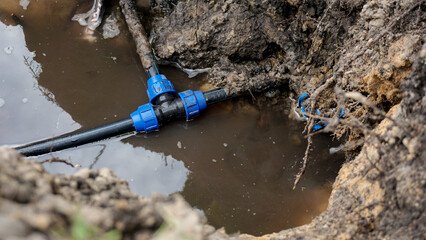
Coastal Corrosion and Plumbing Pipes: What Miami Homeowners Should Know
Living near the coast has plenty of advantages, but Miami's salty, humid environment can be challenging for plumbing systems. Coastal air, moisture, salt exposure, and temperature changes can contribute to corrosion of certain plumbing components over time.
Corrosion doesn't always cause an immediate plumbing emergency. It often develops gradually until a pipe, fitting, valve, or connection becomes weak enough to leak or fail.
Understanding how coastal conditions affect plumbing can help Miami homeowners identify problems earlier and plan repairs before a small leak becomes significant water damage.
Why Does Coastal Air Affect Plumbing Pipes?
Salt in coastal air can contribute to corrosion, particularly when moisture is also present.
Salt particles can settle on exposed metal surfaces and retain moisture. Over time, repeated exposure can contribute to deterioration of susceptible metals.
Outdoor plumbing components and pipes located in humid or poorly ventilated areas may experience greater exposure than protected interior plumbing.
The risk depends on factors such as pipe material, installation conditions, ventilation, moisture levels, and how much salt exposure the property receives.
Which Plumbing Materials Are Most Vulnerable?
Different plumbing materials respond differently to coastal conditions.
Metal components such as certain types of steel, galvanized piping, and other susceptible alloys can corrode when exposed to persistent moisture and salt.
Copper is generally durable, but it is not immune to corrosion. Water chemistry, installation conditions, and environmental exposure can affect its long-term performance.
Modern plastic piping such as PEX and CPVC does not rust in the same way as metal, although fittings, valves, connectors, and other components may still require inspection.
The age and condition of the entire plumbing system matter more than simply looking at one pipe material.
Signs of Corrosion in Miami Plumbing
Corrosion can sometimes be identified before a pipe fails.
Look for:
- Green or blue deposits around copper fittings
- Rust-colored stains
- Flaking or peeling metal
- Pitting on exposed pipes
- Corroded shutoff valves
- Damp areas around fittings
- Small recurring leaks
- Reduced water pressure
- Discolored water
- Unusual plumbing odors
A single corroded fitting doesn't necessarily mean the entire plumbing system needs replacement. However, widespread corrosion deserves professional evaluation.
Small Leaks Can Be an Early Warning
A slow drip from a pipe connection may seem minor, but it can indicate deterioration.
Corrosion can weaken pipe walls and fittings until small openings develop.
A leak that repeatedly appears in the same area should not simply be patched indefinitely. A plumber can determine whether the issue is localized or part of a broader corrosion problem.
Coastal Humidity Can Make Corrosion Worse
Miami's humid environment can keep metal surfaces damp for extended periods.
When moisture remains around exposed plumbing, valves, fittings, and connections, corrosion can progress more quickly.
Poor ventilation can make the problem worse, particularly in:
- Garages
- Utility rooms
- Outdoor plumbing enclosures
- Crawl spaces
- Under-sink cabinets
- Areas near exterior walls
Improving ventilation and correcting persistent moisture problems can help protect vulnerable plumbing components.
Outdoor Plumbing Needs Extra Attention
Outdoor plumbing receives greater exposure to the elements.
Inspect:
- Hose bibs
- Outdoor faucets
- Irrigation components
- Exposed water lines
- Pool plumbing
- Exterior shutoff valves
- Backflow prevention equipment
Look for rust, mineral deposits, leaks, loose connections, and deteriorated fittings.
Replacing a corroded outdoor valve may be much easier than dealing with a failed connection that releases water against the exterior wall.
Corrosion Can Affect Shutoff Valves
A home's shutoff valves are particularly important because they need to work during emergencies.
Corrosion can make a valve difficult or impossible to operate.
Test accessible shutoff valves carefully. Don't force a heavily corroded valve because it may break or begin leaking.
If your main shutoff valve is difficult to operate, have a professional inspect it and replace it if necessary.
Water Pressure Can Change When Pipes Corrode
Internal corrosion can reduce the effective diameter of some older metal pipes.
As deposits build up inside the pipe, less water may be able to flow through the opening.
Homeowners may notice:
- Weak shower pressure
- Slow-filling toilets
- Reduced faucet flow
- Poor appliance performance
Low water pressure can have many causes, so corrosion should not be assumed without inspection.
Discolored Water May Indicate a Plumbing Problem
Brown, yellow, or rusty-looking water can sometimes occur when older metal plumbing becomes disturbed or corroded.
If discoloration occurs only briefly, it may be related to temporary changes in the water supply.
However, persistent discoloration should be investigated.
If both hot and cold water are affected, the problem may involve the home's water supply plumbing. If only hot water is discolored, the water heater or hot-water piping may deserve closer attention.
Coastal Corrosion Can Affect Plumbing Fittings
The weakest part of a plumbing system isn't always the pipe itself.
Fittings, connectors, valves, threaded connections, and fasteners can corrode and fail before the main pipe becomes severely damaged.
During a plumbing inspection, professionals should examine the entire connection rather than focusing only on visible pipe sections.
Water Heater Connections Need Inspection
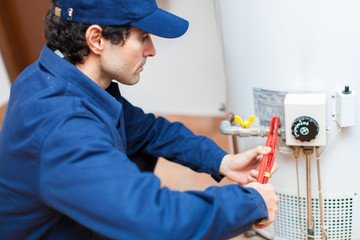
Water heaters contain multiple metal connections and components that can be affected by moisture and corrosion.
Check for:
- Rust around connections
- Leaking valves
- Corroded supply fittings
- Water around the tank
- Rust-colored deposits
- Deteriorated pipes
If you see corrosion near a water heater, don't wait for a major leak before addressing it.
Don't Ignore Corrosion in Hidden Areas
Some of the most serious plumbing corrosion occurs where homeowners can't easily see it.
Potential problem areas include:
- Inside walls
- Beneath cabinets
- Under floors
- Behind appliances
- Crawl spaces
- Utility chases
Warning signs such as recurring dampness, musty odors, unexplained water stains, or sudden water pressure changes may justify professional inspection.
How Can Miami Homeowners Reduce Corrosion Risk?
Homeowners can't eliminate Miami's coastal environment, but they can reduce unnecessary exposure.
Practical steps include:
- Repair plumbing leaks quickly.
- Keep plumbing areas dry.
- Improve ventilation in damp spaces.
- Inspect exposed metal pipes regularly.
- Replace severely corroded valves and fittings.
- Keep outdoor plumbing maintained.
- Address water chemistry concerns when necessary.
- Schedule professional plumbing inspections for older systems.
The goal is to identify corrosion before it causes a major failure.
Should Corroded Pipes Be Repaired or Replaced?
The answer depends on the severity and location of the corrosion.
A plumber may recommend repairing an individual fitting when the surrounding pipe remains in good condition.
Replacement may be more appropriate when pipes have widespread corrosion, significant pitting, repeated leaks, severe internal deterioration, or reduced flow.
For older homes with extensive metal plumbing problems, repiping may provide a more reliable long-term solution.
What Happens During a Professional Plumbing Inspection?
A professional inspection may include visual examination of exposed pipes and fittings, water pressure testing, leak detection, and evaluation of problem areas.
For concealed or underground plumbing, specialized diagnostic equipment may be appropriate.
The purpose is to determine whether corrosion is isolated or affecting a larger portion of the plumbing system.
When Should You Call a Miami Plumber?
Contact a professional if you notice:
- Repeated pipe leaks
- Severe rust or pitting
- Corroded shutoff valves
- Persistent low water pressure
- Discolored water
- Water stains
- Damp walls or cabinets
- Corrosion around the water heater
- A pipe that appears structurally weakened
Emergency plumbing service may be necessary when corrosion results in a burst pipe or uncontrolled leak.
Final Thoughts
Coastal corrosion is an important consideration for Miami homeowners, especially when plumbing components are exposed to persistent moisture and salty coastal air.
Corrosion usually develops gradually, which gives homeowners an opportunity to identify warning signs before a major failure occurs. Regular inspections, prompt leak repairs, proper ventilation, and replacement of severely deteriorated components can help extend the life of your plumbing system.
If you see rust, pitting, recurring leaks, or corroded fittings, don't assume the problem is purely cosmetic. A professional plumbing inspection can determine how serious the corrosion is and whether repair or replacement is the better option.