Commercial Sewer Line Inspection in Miami: What to Expect
Learn what a commercial sewer line inspection in Miami involves, how camera technology diagnoses hidden pipe failures, and what factors affect repair costs.

Understanding Commercial Sewer Line Inspections
A commercial sewer line inspection is a specialized diagnostic procedure used to evaluate the structural integrity and internal condition of underground drainage pipes serving business properties, retail spaces, office buildings, and multi-tenant facilities. Unlike residential systems, commercial sewer networks handle higher waste volumes, complex fixture configurations, and continuous daily use. When recurring backups, slow drains, or foul odors affect a property, a visual assessment of the interior is often insufficient. A professional camera inspection provides a direct view into the pipeline to locate structural failures, root intrusions, or pipe deformations before they result in catastrophic business interruption.
Property owners, landlords, and facility managers in Miami frequently schedule these evaluations during property acquisitions, prior to major tenant build-outs, or when chronic drainage issues resist standard snaking. Understanding what the process entails, what the equipment can reveal, and how findings are interpreted helps property stakeholders make informed decisions about maintenance and repairs.
Why Commercial Sewer Systems Require Specialized Assessment
Commercial plumbing systems operate under different demands than residential setups. They feature longer runs, multiple vertical stacks, grease-producing commercial kitchens, and deep underground connections that run beneath concrete slabs or parking areas. Because these pipes are typically buried beneath significant surface weight, traditional excavation for diagnostic purposes is costly and disruptive.
Furthermore, commercial properties in South Florida face unique environmental conditions. High water tables, shifting sandy soils, and aggressive root systems from tropical landscaping can exert continuous pressure on underground drainage infrastructure. Over time, these factors can cause joint displacement, pipe sagging, or cracking. A targeted sewer camera inspection allows technicians to map the exact path and depth of the sewer line, pinpointing abnormalities without destroying landscaping or commercial flooring.
What a Commercial Sewer Camera Inspection Involves
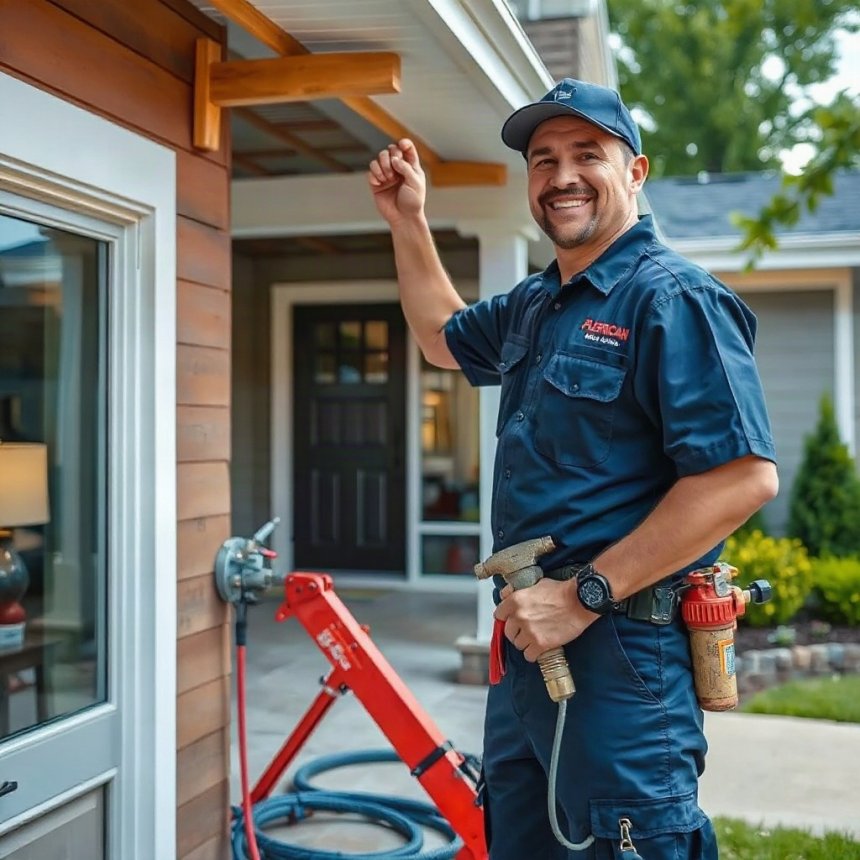
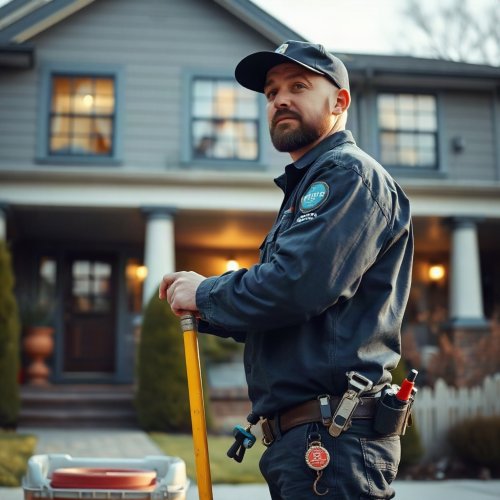
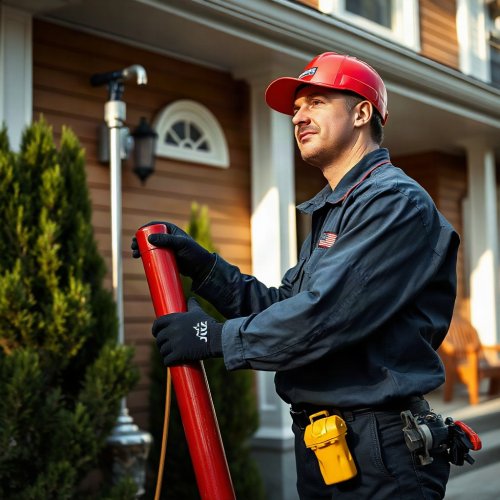
A standard inspection utilizes a high-resolution, waterproof digital camera mounted on a flexible fiberglass push rod or motorized crawler. The camera head is inserted into the sewer system through an existing cleanout, roof vent, or main access point. As the camera travels through the pipeline, it transmits a live video feed to a monitor, allowing the technician to observe the interior wall conditions.
Key features of professional inspection equipment include:
- Self-Leveling Lenses: Ensures the picture remains upright, making it easier to determine the top and bottom of the pipe.
- Radio Frequency Sondes: A transmitter located behind the camera head emits a signal that can be tracked above ground using a surface receiver, allowing technicians to pinpoint the exact depth and horizontal location of a defect.
- Digital Recording Capabilities: Provides property managers and insurance adjusters with concrete video evidence of pipe conditions.
Hidden Diagnostic Insights Found During Inspections
Experienced plumbing analysts look for specific indicators that go beyond a simple blockage. Recognizing these patterns changes how a repair is approached:
- Offset Joints: When two pipe sections shift apart, they create a lip that catches toilet paper and debris, leading to recurring clogs that manual snaking only clears temporarily.
- Bellies and Sags: A dip in the underground pipe grade where water pools. This standing water slows flow velocity, encouraging grease and sludge buildup.
- Root Intrusion Patterns: Fine, hair-like roots entering through microscopic cracks indicate external pressure, whereas massive root masses usually point to an open structural break.
- Scale and Grease Buildup: Mineral scaling in older cast iron pipes or heavy grease accumulation in restaurant lines significantly reduces the internal diameter of the pipe, mimicking a structural collapse.
Distinguishing Between Facility Responsibility and Municipal Mains
A common point of confusion for commercial property owners is determining where private property responsibility ends and municipal utility responsibility begins. Generally, the commercial property owner is responsible for all interior plumbing, branch lines, and the lateral sewer line running from the building out to the municipal connection or property line cleanout. An inspection camera can confirm whether a restriction or break lies within the building's private lateral or further down the line toward the municipal main. When an issue appears to be located within public utility infrastructure, property representatives must coordinate with local water and sewer authorities to verify requirements and responsibilities.
Factors That Influence Commercial Inspection and Repair Costs
When budgeting for a commercial sewer line inspection or subsequent repairs, several variables affect the overall scope and pricing:
- Property Size and Layout: Larger commercial footprints, multi-story buildings, and sprawling complexes require longer inspection runs and more complex mapping.
- Access Point Availability: Readily accessible cleanouts simplify the process. If cleanouts are buried under concrete, paved parking lots, or interior flooring, additional labor is required to establish safe access.
- Pipe Material and Condition: Older properties may feature aging cast iron or clay pipes requiring delicate handling, while newer commercial builds often use PVC. Heavy scaling or standing water inside blocked lines can obscure visibility, sometimes requiring hydro jetting prior to a clear camera run.
- Depth and Obstructions: Deep lines or heavy structural damage require specialized excavation equipment, traffic control measures for parking areas, or business-hour coordination to minimize customer disruption.
What Happens After the Inspection?
Once the video review is complete, a qualified professional provides a detailed assessment of the pipe's condition. If the pipeline is structurally sound but heavily contaminated with scale or grease, high-pressure hydro jetting is often recommended to scour the interior walls back to original diameter. If structural failures such as collapsed pipes, severe cracking, or major offsets are discovered, trenchless pipe lining or localized spot repairs may be discussed as alternatives to traditional excavation.
Property managers should request a digital copy of the inspection footage and a written report detailing the distance measurements of any defects found. This documentation is invaluable for long-term capital planning, lease negotiations, or verifying the condition of a commercial asset prior to purchase.
Frequently Asked Questions
How often should a commercial property have a sewer line inspection?
Commercial properties with heavy usage, such as restaurants, multi-tenant office buildings, and retail spaces, benefit from proactive inspections every one to three years. Properties with aging cast iron systems or a history of recurring backups should be evaluated more frequently.
Can a sewer camera inspection find all plumbing leaks?
A sewer camera inspects the interior of drain and waste lines, identifying cracks, roots, blockages, and structural failures. However, it does not evaluate pressurized supply water lines or structural water intrusion from roof leaks and building envelopes.
Do commercial sewer inspections disrupt daily business operations?
Most standard camera inspections cause minimal to no disruption. Technicians utilize existing cleanouts and access points, meaning water service to tenants usually remains uninterrupted during the diagnostic phase.
What is the difference between snaking a drain and a camera inspection?
A drain snake mechanically punches a hole through a temporary blockage to restore flow. A camera inspection visually examines the pipe walls and joints to determine why the blockage occurred and whether underlying structural damage exists.
What should a property manager do if the camera cannot pass through a pipe?
If heavy debris, grease, or a collapsed section blocks the camera's path, technicians typically perform hydro jetting or mechanical cleaning to clear the obstruction before completing the visual assessment.