Water Leak Emergency Miami: Stop Further Damage
Water leak emergency in Miami? Learn how to stop further damage, identify warning signs, protect your home, and know when to call a plumber.
Water Leak Emergency in Miami: How to Stop Further Damage
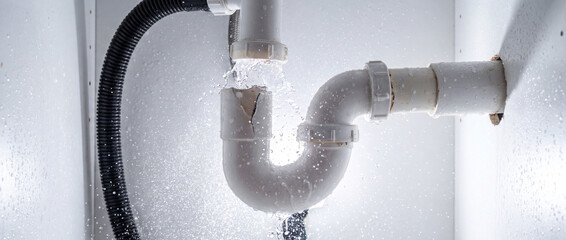
A water leak can go from a minor plumbing problem to a major property emergency surprisingly quickly. A broken supply line can release a large amount of water, while a hidden leak behind a wall may quietly damage drywall, flooring, cabinets, and insulation for days or weeks.
Miami homeowners also have to consider the area's warm, humid environment. When moisture remains trapped inside walls, ceilings, or flooring, drying the affected area promptly becomes especially important.
If you discover an active water leak, your first priority should be stopping the water safely. Then protect people and property from electrical or structural hazards and arrange professional plumbing assistance.
Knowing what to do before the plumber arrives can help reduce unnecessary damage and give the technician useful information about what happened.
What Is a Water Leak Emergency?
A water leak becomes an emergency when the amount, location, or speed of the leak creates a significant risk to the property or occupants.
Examples include:
- A burst supply pipe
- Water pouring from a ceiling
- A major leak inside a wall
- A broken water heater connection
- A failed washing-machine hose
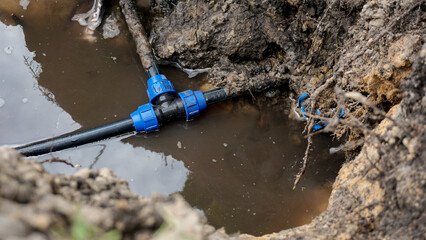
- An underground water-line leak
- A slab leak with significant water loss
- A toilet or fixture that cannot be shut off
- Flooding caused by plumbing failure
A small faucet drip generally does not require emergency service. However, even a small leak should be repaired rather than ignored because persistent moisture can eventually cause more extensive damage.
What Should You Do First During a Water Leak Emergency?
Shut Off the Water
If water is actively escaping, locate the fixture shutoff valve or main water shutoff and turn it off if you can do so safely.
Knowing the location of your main shutoff before an emergency happens can save valuable time. Miami-Dade also provides information for customers regarding water service through its Water and Sewer Department.
If an old valve is stuck, do not force it aggressively. A damaged shutoff valve can create another plumbing problem.
Turn Off Electricity When Water Creates a Hazard
If water is near electrical outlets, appliances, electrical panels, or cords, do not enter standing water to reach them.
Electrical safety should come first. If power must be disconnected, only do so if it can be done safely without entering water or touching wet electrical equipment.
Contain the Water
For a small, accessible leak, use towels, buckets, or other safe methods to collect water while waiting for professional assistance.
Do not spend time trying to contain a rapidly flowing burst pipe if doing so puts you at risk.
Move Valuable Belongings
If it is safe, move furniture, electronics, rugs, documents, and other valuables away from the affected area.
Photographing the damage can also provide useful documentation for your records and, where appropriate, an insurance claim.
Call a Professional Plumber
Once the immediate safety steps are handled, contact a qualified plumber. An emergency technician can determine where the leak originated and whether additional plumbing has been damaged.
Common Causes of Water Leaks in Miami Homes
Aging Pipes
Older pipes can deteriorate over time. Corrosion, mineral deposits, repeated pressure changes, and general wear can weaken plumbing materials.
Corrosion
Metal plumbing can corrode internally or externally. A weakened section may eventually develop a pinhole leak or rupture.
High Water Pressure
Excessive water pressure can put unnecessary stress on pipes, valves, fixtures, and appliance connections.
A sudden increase in pressure should be investigated rather than ignored.
Loose or Damaged Connections
Connections beneath sinks, behind toilets, around water heaters, and near appliances can loosen or deteriorate.
Faulty Appliance Supply Lines
Washing machines, dishwashers, refrigerators with water connections, and other appliances can develop leaking hoses or fittings.
Clogged Drains
A drain clog may cause water to back up, overflow, and damage surrounding areas. Repeated blockages should be diagnosed rather than continually treated with temporary solutions.
Slab or Underground Leaks
A leak beneath a concrete slab or underground water line can be difficult to locate because the damaged pipe may not be visible.
Worn Plumbing Fixtures
Faucets, valves, toilets, and other fixtures contain components that wear out and eventually need repair or replacement.
Warning Signs of a Serious Water Leak
Unexplained Increase in Your Water Bill
A sudden increase in water consumption without a change in household usage may indicate a hidden leak.
Water Stains
Brown, yellow, or expanding stains on ceilings and walls should be investigated.
Damp or Warped Flooring
Wet flooring, swollen baseboards, or warped materials may indicate water beneath or behind the visible surface.
Musty Odors
Persistent musty smells can indicate trapped moisture.
Mold Growth
Mold or mildew may appear when an area remains damp. Finding and correcting the moisture source is essential.
Peeling Paint or Bubbling Walls
Water behind drywall can cause paint to blister, peel, or bubble.
Low Water Pressure
A sudden pressure drop throughout the property can sometimes indicate a significant leak.
Sounds of Running Water
Hissing, rushing, or running-water sounds when fixtures are not being used can be an important warning sign.
Types of Water Leak Emergencies
Burst Pipe
A burst pipe can release water rapidly and requires immediate attention.
Hidden Leak
Leaks behind walls, ceilings, or floors may continue unnoticed and cause progressive property damage.
Slab Leak
A leak beneath a concrete foundation can cause unexplained water usage, damp areas, or pressure changes.
Water Heater Leak
A leaking water heater can release significant amounts of water, particularly when the tank or major connection fails.
Appliance Leak
A failed washing-machine hose or appliance connection can flood a room quickly.
Pipe Joint Leak
Loose, damaged, or deteriorated connections can allow water to escape inside cabinets, walls, or other enclosed areas.
How Does a Professional Plumber Repair a Water Leak?
Step 1: Inspection
The plumber examines the visible plumbing and affected areas.
Step 2: Diagnosis
The technician identifies the source of the water and determines whether the problem involves a fixture, supply line, drain, underground pipe, or another component.
Step 3: Leak Detection
For concealed leaks, specialized leak-detection equipment may help locate the problem without unnecessary demolition.
Step 4: Repair Plan
The plumber explains whether the damaged section can be repaired or whether replacement is more appropriate.
Step 5: Leak Repair
The damaged pipe, fitting, fixture, or connection is repaired or replaced using suitable materials.
Step 6: Testing
The plumbing system should be tested afterward to make sure the repaired section is functioning correctly and no active leak remains.
Step 7: Prevention Advice
The plumber may identify contributing factors such as excessive pressure, aging plumbing, corrosion, or deteriorated connections.
Can You Fix a Water Leak Yourself?
Some very minor leaks can be addressed by homeowners, especially when the problem is an accessible fixture component and the homeowner understands the repair.
However, professional assistance is recommended when:
- Water is actively flooding the property
- The leak is behind a wall
- The leak is beneath flooring
- The main water line is involved
- A slab leak is suspected
- Water is near electrical equipment
- The pipe is severely corroded
- Multiple areas are leaking
- The source cannot be identified
Temporary repairs can sometimes reduce water loss, but they should not be treated as permanent solutions for damaged plumbing.
Tools Professional Plumbers May Use
Modern plumbing tools can make leak diagnosis more accurate.
Electronic leak detection equipment can help identify concealed water leaks.
Thermal imaging equipment may help identify temperature differences associated with moisture in appropriate situations.
Pressure testing equipment can help evaluate certain plumbing systems and identify pressure-related problems.
Inspection cameras can be useful for certain drain and sewer investigations.
Pipe locators can help identify underground pipe locations before excavation.
Using the appropriate diagnostic tool can reduce unnecessary wall, floor, or landscaping damage.
How Long Does Water Leak Repair Take?
Repair time depends on the location and severity of the leak.
An accessible faucet or supply-line connection may require relatively little repair time. A leak behind a wall or beneath a slab can require substantially more work.
Factors affecting repair time include:
- Location of the leak
- Accessibility
- Pipe material
- Extent of damage
- Availability of replacement parts
- Need for specialized equipment
- Wall or flooring access
- Underground excavation
- Permit requirements, if applicable
- Related water damage
Stopping the active leak and restoring the property are also separate processes. Plumbing work may be completed before drywall, flooring, or other restoration work is finished.
What Affects the Cost of Water Leak Repair?
There is no single price that applies to every leak.
Plumbing repair costs vary depending on the severity of the problem, accessibility, materials required, emergency service, property type, and local labor rates.
Additional cost factors may include:
- Diagnostic fees
- Emergency or after-hours charges
- Labor
- Replacement parts
- Leak-detection equipment
- Pipe material
- Accessibility
- Wall or ceiling opening
- Excavation
- Permit costs, if applicable
- Repair versus replacement
- Water-damage restoration
Ask the plumber to explain the source of the leak and what portion of the work involves plumbing versus property restoration.
Hidden Truths Homeowners Should Know
Small Leaks Can Cause Large Problems
A slow leak behind a wall can continue damaging building materials even when very little water is visible.
The Visible Water May Not Be the Source
Water can travel along pipes, framing, ceilings, and flooring before appearing somewhere else.
A Repaired Pipe Does Not Automatically Repair Water Damage
Wet drywall, flooring, insulation, and other materials may require separate drying or restoration.
Temporary Patches Can Fail
Tape and sealants may provide temporary containment but do not necessarily correct a damaged pipe.
Hidden Leaks Can Increase Water Bills
Even a slow leak can waste water continuously.
Repeated Leaks Need Investigation
If several plumbing components fail within a short period, the system may have an underlying pressure, corrosion, or age-related issue.
Insurance Coverage Depends on the Policy
Homeowners should review their insurance policy and understand the coverage and exclusions applicable to water damage and plumbing failures.
Miami's Humid Environment Makes Prompt Drying Important
Persistent moisture can create conditions favorable to mold and other secondary damage. The source should be stopped and affected materials dried promptly.
15 Common Mistakes Homeowners Make
- Ignoring a small leak — Small leaks can become larger failures.
- Waiting for the leak to stop — Active plumbing leaks generally need attention.
- Failing to locate the main shutoff — Know its location before an emergency.
- Walking through electrically hazardous water — Safety comes first.
- Using excessive force on an old valve — The valve may break.
- Painting over water stains — This hides evidence without fixing the leak.
- Using chemical drain cleaners for every blockage — They may not address the underlying problem.
- Ignoring sudden low water pressure — A pressure change can be a warning sign.
- Ignoring high water bills — Unexpected consumption can indicate hidden leakage.
- Over-tightening fittings — Excessive force can damage connections.
- Using incompatible repair materials — Plumbing components must be properly matched.
- Cutting into walls without locating the leak — Unnecessary demolition can increase repair costs.
- Ignoring recurring leaks — Repeated failures deserve professional diagnosis.
- Delaying water cleanup — Moisture can cause secondary property damage.
- Hiring based only on the cheapest emergency quote — Proper diagnosis and qualifications matter.
Maintenance Tips to Prevent Water Leak Damage
-
Know where your main water shutoff valve is located.
-
Test accessible shutoff valves periodically.
-
Inspect exposed pipes for corrosion.
-
Check beneath sinks for moisture.
-
Inspect toilet supply lines and valves.
-
Check water heater connections.
-
Inspect washing-machine hoses.
-
Monitor monthly water bills.
-
Investigate unexplained increases in water usage.
-
Watch ceilings for new stains.
-
Repair dripping faucets promptly.
-
Address recurring drain clogs.
-
Monitor sudden changes in water pressure.
-
Keep trees away from vulnerable underground plumbing where appropriate.
-
Have older plumbing professionally evaluated.
-
Check plumbing after major storms or property work.
-
Do not ignore musty odors.
-
Keep emergency plumbing contact information accessible.
-
Know the individual shutoff valves for major fixtures.
-
Address small leaks before they become emergencies.
When Should You Call an Emergency Plumber?
An emergency plumber should be contacted when a leak is actively flooding the property, cannot be controlled safely, or threatens significant damage.
Call promptly for:
- Burst pipes
- Major supply-line leaks
- Flooding
- Water pouring from ceilings or walls
- Major water heater leaks
- Underground water-line failures
- Suspected slab leaks with significant water loss
- Uncontrolled fixture leaks
- Water near electrical equipment
- Significant loss of water pressure accompanied by signs of leakage
If the problem is severe, do not wait until normal business hours simply because the leak is inconvenient. Fast action can help reduce the amount of water entering the property. Emergency plumbing guidance commonly recommends shutting off the main water supply and addressing electrical hazards before the technician arrives.
People Also Ask About Water Leak Emergencies in Miami
What should I do first if my house has a water leak?
If safe, shut off the affected fixture or main water supply, keep away from electrical hazards, protect belongings, and contact a qualified plumber.
How do I stop a water leak quickly?
The fastest general step is to close the appropriate shutoff valve. For a major leak, shut off the main water supply if you can safely access it.
Is a small water leak an emergency?
Not every small leak is an emergency, but an active leak should be repaired promptly to prevent it from becoming more serious.
Can a hidden water leak damage my house?
Yes. Hidden leaks can damage drywall, flooring, cabinets, insulation, and structural materials over time.
How do I know if I have a hidden water leak?
Possible signs include unexplained high water bills, damp walls, stains, musty odors, mold, low water pressure, and sounds of running water when fixtures are off.
Can a water leak cause mold?
Persistent moisture can create conditions favorable to mold growth. Stopping the leak and drying affected materials promptly are important.
What causes sudden low water pressure?
Possible causes include a leak, damaged pipe, partially closed valve, pressure-regulator issue, corrosion, or a problem with the water supply.
Can a plumber find a leak behind a wall?
Yes. Depending on the circumstances, plumbers may use specialized leak-detection equipment to help locate concealed leaks.
How much does emergency water leak repair cost in Miami?
There is no fixed price. Cost depends on the leak's severity, location, accessibility, materials, labor, emergency service, equipment, and whether restoration is required.
When should I replace a leaking pipe instead of repairing it?
Replacement may make more sense when the pipe is severely corroded, repeatedly failing, extensively damaged, or nearing the end of its practical service life.
Voice Search Questions
“What should I do if my house has a major water leak?”
Shut off the water if safe, stay away from electrical hazards, move belongings away from the affected area, and contact an emergency plumber.
“How do I stop a water leak behind a wall?”
If you can safely identify and shut off the affected water supply, do so. Do not cut into the wall without knowing where the plumbing is located.
“When is a water leak a plumbing emergency?”
A leak is an emergency when it is rapidly releasing water, causing flooding, threatening electrical equipment, or creating significant property damage.
“Can a water leak increase my water bill?”
Yes. Hidden leaks can continuously waste water and increase utility costs.
“How do I know if my slab is leaking?”
Possible signs include unexplained water usage, damp areas, warm or wet flooring, reduced water pressure, or sounds of running water. Professional testing may be required.
Why Choose plumbersinmiamiflorida?
When a water leak occurs, homeowners need to know where the water is coming from, how serious the problem is, and what repair makes sense.
plumbersinmiamiflorida provides plumbing assistance for homeowners in Miami and surrounding areas. When choosing an emergency plumbing company, verify the appropriate licensing, ask for an explanation of the diagnosis, understand the recommended repair, and request an estimate when practical.
Business Name: plumbersinmiamiflorida
Phone: (844) 973-0400
Website: https://plumbersinmiamiflorida.com/
For an active leak, do not wait for water damage to become more extensive before seeking professional assistance.
Serving Miami and Miami-Dade County
Water leaks can affect properties throughout Miami and Miami-Dade County, including Brickell, Coral Gables, Coconut Grove, Little Havana, Kendall, Doral, Miami Beach, Hialeah, and nearby communities.
Homes vary considerably in age, construction, pipe material, and previous plumbing work. A professional inspection can help determine whether a leak is an isolated repair or evidence of a larger plumbing issue.
Final Thoughts
A water leak emergency requires quick but careful action. Stop the water if it is safe, stay away from electrical hazards, protect your belongings, and contact a qualified plumber.
Do not assume that a visible puddle represents the entire problem. Water can travel through walls, floors, ceilings, and cabinets before becoming visible.
Once the immediate leak is stopped, the next priority is finding the cause and addressing any water damage. Repairing the plumbing promptly can help reduce additional damage and prevent a small problem from becoming a much larger expense.
If you are dealing with an active water leak in Miami, contact plumbersinmiamiflorida at (844) 973-0400 for professional plumbing assistance.