Commercial Sewer Backups in Miami: Causes, Diagnosis & Repairs
Understand commercial sewer backup problems in Miami, local diagnostic clues, underlying causes, inspection methods, repair choices, and cost variables.

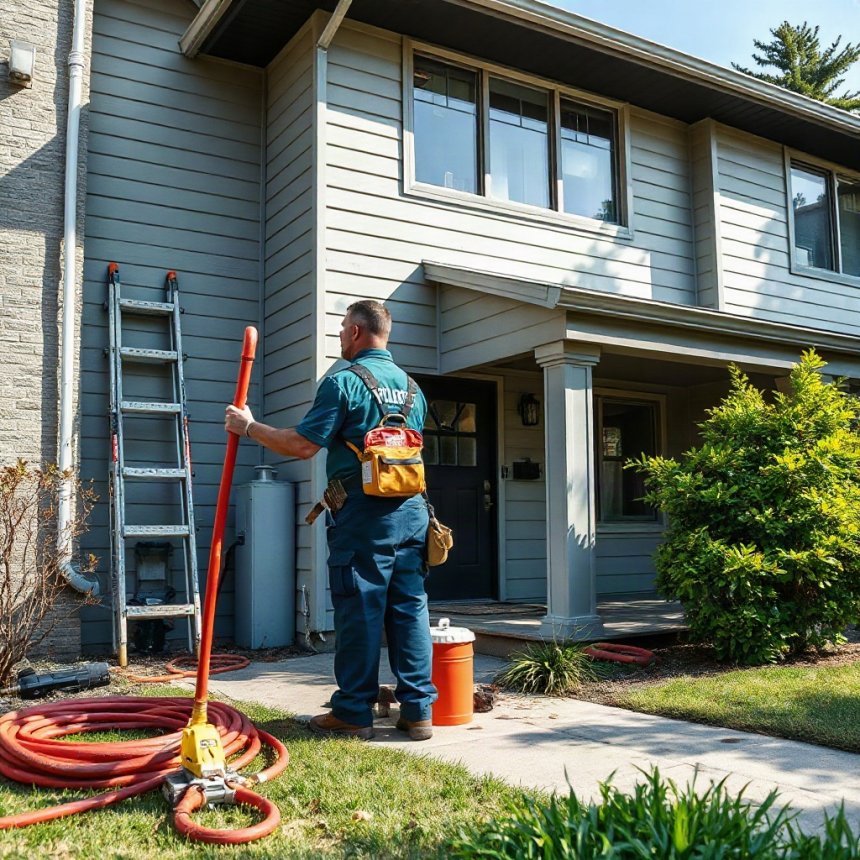
Understanding Commercial Sewer Backups in Miami Properties
A commercial sewer backup is one of the most disruptive events a business owner, property manager, or commercial landlord can experience. When wastewater stops flowing away from a building and begins pushing upward through floor drains, toilets, or commercial kitchen sinks, normal operations grind to an immediate halt. In commercial settings, a backup is rarely an isolated inconvenience; it presents immediate health code violations, potential property damage, and significant revenue loss.
In commercial properties across Miami, sewer system failures often exhibit distinct behavioral patterns compared to residential incidents. Because commercial plumbing systems handle higher volumes, heavier grease loads, more complex drainage layouts, and rigorous multi-fixture usage, diagnosing the root cause requires looking beyond the immediate overflow zone. Understanding why these backups happen, what diagnostic steps matter, and how to approach permanent repairs helps property stakeholders manage crises effectively without wasting resources on temporary fixes.
Why Commercial Sewer Systems Back Up
Unlike single-family homes, commercial buildings—ranging from retail spaces and office complexes to restaurants and hospitality venues—rely on extensive, heavy-duty drainage networks. When a backup occurs, the obstruction or structural failure can originate at several distinct points within the system.
- Main Building Drain Restrictions: The primary horizontal drain line collecting waste from all interior branches can become constricted by scale, foreign objects, or structural sagging.
- Grease and Organic Buildup: Particularly common in food service establishments, fats, oils, and grease (FOG) cool and solidify along pipe walls, gradually choking the internal diameter of the line until complete blockage occurs.
- Exterior Lateral Line Failures: The private sewer lateral connecting the commercial building to the municipal main in the street can suffer from root intrusion, structural collapse, or soil shifting.
- Hydraulic Overloading and Storm Surges: During Miami's intense tropical downpours, high volumes of stormwater can overwhelm municipal sanitary sewer mains, causing municipal surcharge conditions where water forces backward into lower-lying commercial properties.
Diagnostic Clues: Interpreting Where and When Backups Occur
The physical location of the overflow provides critical diagnostic clues about the nature and depth of the restriction.
Single Fixture Versus Multiple Fixture Backups
If only one toilet or sink overflows while other nearby fixtures drain normally, the problem is almost always localized to that specific fixture's trap or branch line. However, when multiple fixtures on the lowest floor—such as a floor drain, a restroom toilet, and a utility sink—begin backing up simultaneously, the obstruction is located further downstream in the main building drain or sewer lateral.
The Role of Gurgling and Slow Drainage
Before a complete commercial sewer backup occurs, the system usually exhibits warning signs. Slow-draining sinks or floor drains accompanied by an audible gurgling sound indicate that air is struggling to vent properly because wastewater is displacing the air pocket inside a partially blocked pipe. Ignoring these early warning signs in a commercial setting almost always leads to a full backup during peak operating hours.
The Impact of Miami's Environment on Commercial Drains
While commercial plumbing principles remain consistent everywhere, local environmental conditions in Miami-Dade County influence how commercial drainage systems age and fail. High ambient temperatures combined with high humidity accelerate bacterial activity in organic waste trapped inside pipes, increasing foul odor generation. Furthermore, heavy seasonal rainfall and shallow groundwater tables place unique stress on underground sewer lines.
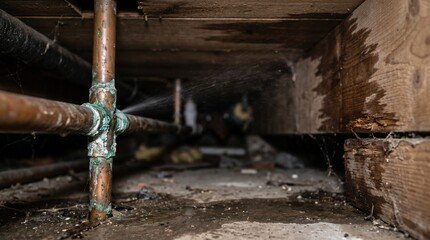
When torrential tropical rainstorms saturate the soil rapidly, shifting ground can place stress on older clay, cast iron, or PVC sewer laterals. If a commercial sewer lateral already has minor structural cracks or joint separations, surrounding soil and root systems can infiltrate the pipe more easily, creating a catch-point for toilet paper, grease, and debris.
Safe Initial Observations and Damage Control
When a commercial sewer backup strikes, business owners and property managers should focus on containment and safety before professional help arrives.
- Cease Water Usage Immediately: Inform staff and tenants to stop flushing toilets, running sinks, and operating dishwashers or washing machines. Adding more water to an overloaded system will only accelerate the backup.
- Protect Inventory and Equipment: Move valuable stock, electrical equipment, and porous materials away from low-lying areas and potential overflow paths.
- Avoid Unprotected Contact: Wastewater from a sewer backup contains hazardous biological pathogens. Ensure staff wear appropriate protective gear if basic cleanup of minor surface water is necessary, and keep customers or clients away from affected areas.
- Do Not Rely on Chemical Drain Openers: Pouring harsh chemical drain cleaners into a heavily backed-up commercial drain is rarely effective and creates severe chemical safety hazards if standing water splashes during plunging or mechanical snaking.
Professional Diagnosis: Beyond the Snake
Clearing a commercial sewer backup requires specialized equipment matched to the scale of the plumbing network. Traditional handheld snakes often only punch a small hole through a massive grease plug or root mass, allowing water to drain temporarily while leaving the bulk of the obstruction behind. The blockage returns shortly thereafter.
Professional diagnosis typically involves a multi-step approach:
- Electronic Sewer Camera Inspection: A high-resolution waterproof camera is pushed through the cleanout to visually inspect the interior condition of the pipe. This reveals whether the backup is caused by grease, scale, broken pipe segments, root intrusion, or a belly (sag in the pipe where waste pools).
- Locating the Problem Area: Surface locators paired with camera transmitters allow technicians to pinpoint the exact depth and horizontal position of an underground pipe failure without guesswork.
Repair and Cleaning Options
The appropriate solution depends entirely on what the diagnostic inspection uncovers.
Hydro Jetting
For commercial properties suffering from heavy grease accumulation, mineral scaling, or stubborn sludge, high-pressure water jetting (hydro jetting) is often the most thorough cleaning method. Specialized nozzles scour the entire interior circumference of the pipe wall, removing buildup rather than merely poking a hole through it.
Mechanical Augering and Cutting
For solid obstructions, heavy root intrusion, or hardened scale, commercial-grade sectional machines equipped with specialized cutting blades are used to break apart and retrieve the blockage.
Structural Repair and Replacement
If camera inspection reveals a collapsed pipe, severe structural damage, or a persistent pipe belly, cleaning alone will not solve the problem. Repair options may range from targeted spot repairs to trenchless pipe lining or traditional excavation of the damaged section.
Factors Affecting Commercial Sewer Service Costs
Commercial plumbing work varies significantly in scope, making flat-rate pricing impractical until an on-site diagnosis is performed. Several variables influence the cost of resolving a commercial sewer backup:
- Accessibility: Whether the cleanout is easily accessible outdoors or located beneath interior finished flooring, commercial kitchens, or concrete slabs.
- Severity and Nature of Blockage: Routine grease buildup requires different equipment and time than removing heavy concrete intrusion, broken pipe fragments, or extensive root masses.
- Pipe Material and Diameter: Commercial lines are often wider (4 inches to 8 inches or more) and constructed from heavy-duty materials requiring specialized commercial machinery.
- Emergency Timing: After-hours, weekend, or holiday emergency responses required to keep a business operational involve different labor allocations than scheduled daytime service.
- Restoration Requirements: If excavation or breaking concrete is necessary to reach a failed underground pipe, restoration of flooring and surrounding structures affects the overall project scope.
Condo, Multi-Tenant, and Commercial Property Responsibilities
In multi-tenant commercial plazas, retail strips, or mixed-use condominium buildings, identifying responsibility for a sewer backup requires examining the building's specific plumbing layout and governing documents. Individual tenants are generally responsible for branch lines within their rented space, while property management, commercial landlords, or condominium associations typically maintain main building stacks, horizontal trunk lines, and exterior sewer laterals. Reviewing lease agreements, property bylaws, or consulting building management helps clarify maintenance obligations before authorizing major repairs.
Frequently Asked Questions
- Why does my commercial property keep experiencing recurring sewer backups? Recurring backups usually indicate an unresolved underlying problem, such as persistent grease buildup, a structural pipe offset, a pipe belly holding standing water, or heavy root intrusion that mechanical snaking only temporarily bypassed.
- Can heavy rain in Miami cause a commercial sewer backup? Yes, extreme rainfall can flood municipal sewer mains. If the municipal system becomes surcharged, wastewater can push backward through private sewer laterals into lower-level commercial floor drains unless proper backwater valves are installed.
- What is the difference between snaking and hydro jetting for a restaurant? Snaking punches a temporary channel through a grease or food clog, whereas hydro jetting uses high-pressure water to completely scour grease and debris from the entire interior pipe wall, preventing immediate re-clogging.
- Should a commercial property have a sewer camera inspection after every backup? A camera inspection is highly recommended after any significant or recurring commercial backup to confirm that the line is completely clear and to verify that no structural pipe damage caused the failure.
- Who is responsible for a sewer backup in a multi-tenant commercial building? Responsibility generally depends on whether the blockage is confined to a single tenant's private branch line or located in a shared main stack or exterior lateral maintained by the property owner or association. Reviewing lease terms or building management rules is essential.