Commercial Sewer Backup in Miami: Causes, Diagnosis & Repair
Understand commercial sewer backups in Miami. Learn about diagnostic clues, grease and root issues, heavy rain effects, and professional repair options.


Understanding Commercial Sewer Backups
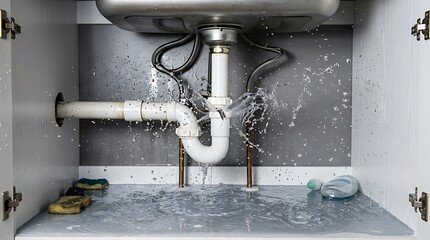
A commercial sewer backup is a critical emergency that can halt business operations, create health hazards, and cause extensive property damage. Unlike residential systems, commercial plumbing networks handle heavy, continuous wastewater volumes from multiple fixtures, restrooms, kitchens, or tenant spaces. When a commercial sewer line fails, wastewater does not simply drain slowly—it forces its way upward through the lowest points in the building, such as floor drains, basement cleanouts, or restroom fixtures.
In commercial settings throughout Miami, property managers, business owners, and landlords must quickly distinguish between a localized fixture clog and a complete main sewer line failure. Recognizing early warning signs and understanding the underlying structural or environmental triggers can prevent catastrophic facility shutdowns.
Early Warning Signs of a Commercial Sewer Failure
Before a total backup occurs, commercial sewer lines almost always exhibit subtle indicators. Recognizing these symptoms early allows facility managers to arrange professional diagnostic work before wastewater floods customer areas or operational floors.
Multiple Fixture Slowdowns: If a single toilet or sink drains slowly, the issue is typically isolated to that fixture or branch line. However, if multiple toilets, floor drains, and sinks back up or drain sluggishly simultaneously, the restriction is located in the main sewer line.
Gurgling Sounds in Drains: Trapped air pushed through the plumbing system by rising wastewater creates distinctive gurgling noises in toilets or floor drains when other fixtures are used.
Unpleasant Odors: Persistent sewer gas odors inside a commercial building or near exterior cleanouts indicate a venting failure, dry trap, or a partial blockage trapping organic waste inside the pipe.
Water Level Fluctuations: Toilets that bubble, show abnormally low water levels, or rise significantly when nearby sinks or washing machines run point toward a mainline venting or drainage restriction.
Primary Causes of Commercial Sewer Backups
Commercial sewer backups stem from a variety of mechanical, operational, and environmental factors. Identifying the root cause dictates whether simple hydro jetting will suffice or if trenchless structural repair is required.
Grease, Fats, and Oils Accumulation
In commercial kitchens and restaurants, cooking fats, oils, and grease (FOG) are major culprits. As warm grease enters cooler underground sewer pipes, it solidifies and coats the interior pipe walls. Over time, this buildup narrows the pipe diameter, catching food particles, paper products, and debris until a complete blockage forms. Standard drain snakes only punch a temporary hole through grease; high-pressure hydro jetting is typically required to scour pipe walls clean.
Foreign Objects and Operational Debris
Unlike residential properties where occupants are familiar with individual systems, commercial properties and public restrooms experience high traffic from users who may flush inappropriate items. Paper towels, sanitary products, wet wipes, and plastic wrappers frequently catch on pipe imperfections, offsets, or root intrusions, creating massive municipal or private lateral line clogs.
Tree Roots and Exterior Pipe Intrusion
Underground commercial sewer lines are vulnerable to root intrusion. Trees and large tropical vegetation seek out moisture and nutrients inside underground pipes, entering through tiny joint cracks or seal failures. Once inside, roots expand rapidly, forming dense hair-like webs that trap grease, tissue, and solid waste.
Miami-Specific Environmental Factors
Miami's unique geography and weather conditions present distinct challenges for commercial sewer infrastructure. The region features a high water table, flat topography, and heavy tropical downpours during the wet season. When intense rainfall overwhelms municipal storm systems or private drainage networks, stormwater can infiltrate sanitary sewer mains. This excessive volume, combined with tidal influences in coastal or low-lying commercial sectors, can cause backpressure in municipal mains, forcing water backward into commercial properties through lower-level floor drains if backwater valves are missing or failing.
Hidden Diagnostic Insights for Property Managers
Pinpointing the exact nature of a commercial sewer failure requires more than just running a mechanical snake. Professional plumbing analysts look for several overlooked diagnostic indicators:
The Location of the First Overflow: The fixture where wastewater first emerges provides clues about the blockage location. If basement floor drains back up before upper-level fixtures, the obstruction is located in the main building drain or exterior lateral near the municipal connection.
Offset Joints and Pipe Sag (Belly): Ground shifting, soil erosion, or heavy surface traffic can cause underground pipes to sink or misalign. A pipe "belly" holds standing water and collects solid waste even after a snake clears the immediate clog, leading to recurring backups.
The Role of Venting: Poor or blocked roof vents can disrupt the pressure balance in commercial drainage systems, causing slow drainage that mimics a partial sewer clog even when pipes are structurally clear.
Safe Immediate Actions for Property Management
When a commercial sewer backup occurs, quick and safe intervention minimizes property damage and health risks:
Cease Water Use Immediately: Alert all staff, tenants, or customers to stop using sinks, toilets, dishwashers, and washing machines. Introducing more water into a blocked system accelerates the overflow.
Isolate the Affected Area: Restrict access to restrooms, kitchens, or flooded floors to prevent slip-and-fall injuries and cross-contamination from raw sewage.
Locate Main Cleanouts: Identify exterior and interior sewer cleanout access points so professional technicians can quickly access the system without tearing up interior flooring.
Document the Damage: Take clear photographs and video of the backup and any resulting property damage for insurance and liability records.
Do not attempt to clear heavy commercial main line clogs with chemical drain openers. Chemical products can splash back dangerously from standing water, damage commercial pipe materials, and fail to remove structural obstructions like grease clogs, roots, or collapsed pipe sections.
Professional Diagnostic and Repair Options
When professional plumbers arrive at a commercial facility experiencing a sewer backup, they employ specialized diagnostic equipment and targeted repair protocols:
Sewer Camera Inspections: A waterproof digital camera is pushed through the sewer line to visually inspect the interior condition of the pipe. This identifies exact blockage locations, root intrusions, cracks, structural collapses, grease buildup, and pipe sagging.
Hydro Jetting: High-pressure water scouring removes heavy grease, mineral scale, and root masses from pipe walls much more effectively than mechanical snaking, restoring the full internal diameter of the commercial pipe.
Trenchless Pipe Repair and Lining: For damaged, cracked, or root-infested pipes, trenchless epoxy relining allows technicians to create a seamless, structural new pipe inside the old one without excavating concrete slabs, parking lots, or landscaping.
Factors Influencing Commercial Plumbing Repair Costs
Commercial sewer repairs vary significantly in scope and cost based on several objective factors:
Accessibility and Depth: Deeply buried sewer lines, pipes running beneath thick concrete slabs, or lines located beneath paved parking lots require specialized excavation, coring, or directional boring.
Pipe Material and Condition: Cast iron pipes affected by heavy corrosion or scaling require different remediation techniques than newer PVC or clay tile lines.
After-Hours Emergency Service: Because commercial backups frequently occur outside normal business hours or require immediate emergency dispatch to prevent revenue loss, emergency scheduling impacts labor allocation.
Extent of Infrastructure Damage: Minor root trimming and hydro jetting require less labor and equipment than structural spot repairs, pipe lining, or full lateral replacements.
Frequently Asked Questions
Frequently Asked Questions
Why do commercial sewer backups happen more frequently during heavy rainfall in Miami?
Heavy tropical rainfall can overwhelm municipal sanitary sewer systems through storm infiltration and inflow. When municipal mains fill to capacity, wastewater can back up into commercial building service laterals, particularly if property backwater valves are missing or compromised.
Can a restaurant use standard drain cleaners to stop recurring grease backups?
No. Commercial kitchens generate massive quantities of fats, oils, and grease that solidify inside underground lines. Chemical drain cleaners only dissolve a tiny pathway and can ruin commercial pipe joints or endanger staff. Professional hydro jetting and properly maintained grease interceptors are necessary.
What is the purpose of a sewer camera inspection during a commercial backup?
A sewer camera inspection visually reveals the exact cause and location of a blockage, whether it is grease, root intrusion, a structural pipe collapse, or a sagging pipe section, eliminating guesswork and preventing unnecessary digging.
Who is responsible for commercial sewer line repairs in a multi-tenant building?
Responsibility typically depends on the lease agreement and the physical location of the damage. Private branch lines serving a single tenant are often the tenant's or landlord's responsibility, whereas main building stacks and exterior lateral lines connecting to the municipal main generally fall under building ownership or property management purview.
How can property managers prevent recurring commercial sewer emergencies?
Implementing scheduled preventive hydro jetting, enforcing strict kitchen grease management protocols, educating building occupants on proper disposal habits, and scheduling annual professional sewer camera inspections significantly reduce unexpected backup risks.