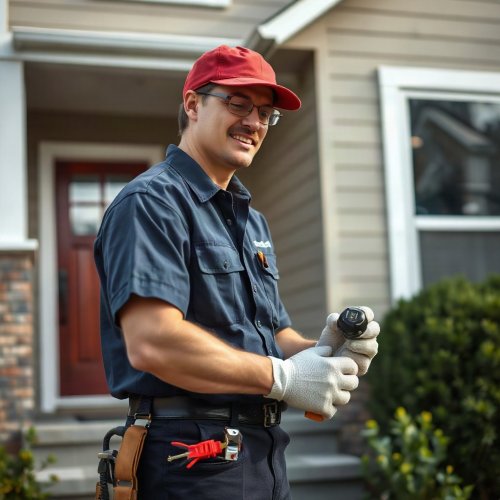
Backflow Prevention in Miami FL: What Property Owners Need to Know
Understand backflow prevention devices in Miami FL. Learn how cross-connection risks, annual testing, maintenance, and local regulations protect water supplies.


Understanding Backflow Prevention and Cross-Connection Control
Water utility systems rely on pressure to deliver clean, potable water to homes, businesses, and multi-story properties throughout Miami. Under normal conditions, water flows continuously forward from the municipal main into private plumbing networks. However, changes in system dynamics can reverse this direction. When pressure drops in the public water main or downstream demand surges, a negative pressure condition known as backsiphonage can occur. Alternatively, if a private pump or elevation creates higher pressure inside a property than the municipal supply, backpressure forces private water back into the public distribution network.
Backflow prevention assemblies act as mechanical check valves and relief mechanisms designed to stop contaminated water from entering clean drinking water lines. These devices protect against physical, biological, and chemical hazards. In residential and commercial settings alike, backflow prevention safeguards against cross-connections—any temporary or permanent physical link between a potable water source and a potential source of pollution or contamination.
Common Cross-Connection Risks in Miami Properties
Properties throughout Miami-Dade County feature various systems that interact directly with the potable water supply. Identifying these cross-connections helps property owners understand why specific backflow preventers are required by local water authorities and plumbing codes.
- Irrigation and Landscape Systems: Underground lawn sprinklers utilize fertilizers, herbicides, and stagnant soil water, presenting a frequent cross-connection hazard if supply lines lose pressure.
- Swimming Pools and Spas: Direct fill lines or automatic top-off systems attached to domestic water supplies require certified protection to prevent pool chemical runoff from siphoning backward.
- Commercial Kitchens and Restaurants: Food preparation sinks, dishwashers, and carbonated beverage dispensers often connect directly to water lines, creating environments where food waste or carbon dioxide gas could force liquids backward if check valves fail.
- Fire Suppression Systems: Standing water inside stagnant fire sprinkler pipes can develop bacterial growth or chemical additives, requiring dedicated backflow assemblies before tying into domestic service lines.
- Boilers and Chilled Water Loops: Commercial heating, ventilation, and air conditioning systems often contain rust inhibitors or chemical treatments that must remain entirely isolated from drinking water.
Types of Backflow Prevention Assemblies
Different plumbing configurations and hazard levels dictate the type of backflow prevention device required. Selecting the correct assembly ensures that mechanical failure does not compromise water safety.
- Reduced Pressure Principle (RP) Assembly: Featuring two independently operating check valves and an hydraulically operated differential pressure relief valve, RP units provide the highest level of protection against both backsiphonage and backpressure for high-hazard applications.
- Double Check Valve (DC) Assembly: Consisting of two spring-loaded check valves working in tandem, DC assemblies are typically installed on moderate-hazard systems, such as specific commercial irrigation or fire lines.
- Atmospheric Vacuum Breaker (AVB): A simple non-testable device that prevents backsiphonage by opening a vent to the atmosphere when pressure drops. AVBs cannot withstand backpressure and are designed only for intermittent use downstream of the last shutoff valve, such as on individual hose bibs.
- Pressure Vacuum Breaker (PVB): Similar to an AVB but equipped with test cocks and spring-loaded check features, PVBs can handle continuous pressure under backsiphonage conditions but remain vulnerable to backpressure.
The Role of Climate and Environment in Miami
Miami’s tropical climate introduces distinct environmental factors that influence the longevity and performance of backflow prevention assemblies. Intense sun exposure, high ambient humidity, and heavy rainfall impact outdoor plumbing installations significantly.
Above-ground backflow assemblies installed outdoors are constantly exposed to ultraviolet radiation, which can degrade plastic components, sun-check rubber seals, and brittle test cocks if not properly insulated or housed in an approved enclosure. Furthermore, Miami's heavy seasonal downpours and low-lying topography can cause localized street and yard flooding. If an outdoor backflow pit or vault submerges during a severe storm, standing water can submerge the relief valve port of a reduced pressure assembly, preventing proper drainage and potentially allowing contaminated groundwater to seep into the test ports.
Property managers and homeowners with outdoor assemblies should routinely inspect enclosures after heavy rain events to ensure drainage pathways remain clear and that vaults do not remain waterlogged.
Testing, Maintenance, and Compliance Requirements
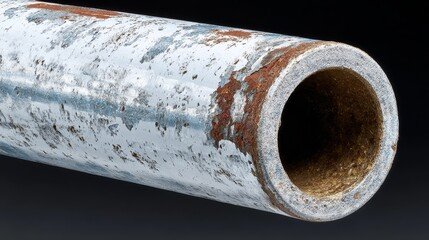
Backflow prevention devices contain precision internal components, including springs, rubber discs, and O-rings, that wear down over time due to chemical exposure, water pressure fluctuations, and mineral scaling. Because these moving parts degrade, municipal water providers and plumbing regulatory agencies typically mandate annual testing by a certified backflow assembly tester.
During an annual inspection, a certified technician connects a specialized differential pressure gauge manifold to the test cocks on the assembly. By measuring pressure drops across the check valves and verifying the opening point of the relief valve, the technician confirms whether the device meets operational standards. If an assembly fails testing, internal seals must be cleaned, repaired, or replaced, followed by a retest to ensure full compliance before submitting documentation to local water authorities or building management.
Condominium and Multi-Tenant Property Considerations
In high-rise residential towers, condominium complexes, and commercial rental properties throughout Miami, backflow prevention responsibilities are often divided between individual owners, commercial tenants, and property management associations.
While an individual unit owner may control localized shutoffs or fixture-level protection, main domestic supply lines, communal irrigation networks, and central fire suppression systems usually fall under the jurisdiction of the homeowners association (HOA) or commercial building management. Property managers must maintain complete compliance records for all building-level devices to prevent municipal service shutoffs or water-quality violations. Tenants and residents should review their lease agreements, building bylaws, or condo association rules to understand whether internal plumbing modifications require coordination with building engineering teams.
Cost Factors for Testing, Repair, and Replacement
When budgeting for backflow prevention services, costs can vary based on several technical and logistical variables rather than a flat national average.
- Assembly Size and Type: A standard residential 3/4-inch double check valve requires less labor than a commercial 3-inch reduced pressure principal assembly.
- Accessibility: Assemblies located inside secure utility rooms, tight crawl spaces, or deep underground vaults require additional labor to access safely and test properly.
- Repair Scope vs. Full Replacement: Minor repairs involving rubber kit replacements are less expensive than total assembly replacements required due to cracked valve bodies caused by corrosion, age, or extreme pressure surges.
- Permitting and Certification Filing: Certain jurisdictions or commercial properties require formal municipal paperwork submission and administrative filing fees accompanying test reports.
Frequently Asked Questions
Why does my irrigation system require a backflow preventer?
Irrigation systems connect directly to potable water lines and operate outdoors where fertilizers, pesticides, and stagnant water can collect. A backflow preventer stops these contaminants from being pulled back into your drinking water supply during a drop in municipal water pressure.
How often must a backflow prevention assembly be tested?
In most jurisdictions, backflow prevention devices must be tested at least once a year by a certified backflow technician to ensure mechanical check valves and relief seals are operating correctly.
Can I test or repair my own backflow preventer?
No. Backflow assembly testing and internal repairs require specialized calibration gauges, certified training, and official state or local credentials to ensure public water safety regulations are met.
What happens if my backflow preventer fails its annual test?
If an assembly fails, the internal components such as springs, rubber discs, or check valves must be serviced or rebuilt by a qualified professional, followed immediately by a retest to verify proper function.
Why is water discharging from my backflow valve relief port?
Intermittent discharge can occur due to fluctuations in municipal water pressure or minor debris trapped inside the check valves. Continuous discharge usually indicates worn internal seals or a damaged relief valve diaphragm requiring immediate professional service.
Are indoor and outdoor backflow assemblies regulated differently?
While both must meet the same operational and testing standards, outdoor assemblies require weather protection, UV shielding, and drainage considerations to prevent flooding and sun damage, whereas indoor units must be positioned with adequate clearance for testing and maintenance.