Water Heater Popping or Rumbling in Miami: Causes
Is your water heater making popping or rumbling sounds? Learn the common causes, warning signs, repair options, and when to call a Miami plumber.

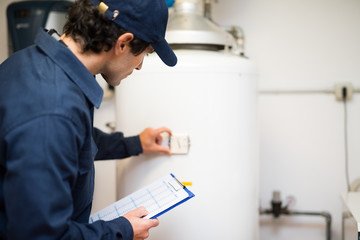
Why Does My Water Heater Make Popping or Rumbling Sounds?
A water heater should make some operating sounds, but loud popping, cracking, rumbling, or banging noises deserve attention—especially if they have become louder or more frequent.
For many traditional tank-style water heaters, the most common explanation is sediment buildup inside the tank. Over time, minerals can settle at the bottom. Water becomes trapped underneath the sediment, heats up, and eventually escapes through the buildup, creating popping or rumbling sounds.
However, sediment is not the only possible cause.
A noisy water heater can also be associated with overheating, excessive pressure, loose components, heating-element problems, or an aging unit.
What Do Popping and Rumbling Sounds Mean?
Different noises can provide useful clues.
Popping Sounds
A popping sound often occurs when water is heated underneath sediment or mineral deposits.
The trapped water can turn into steam and escape through the buildup, producing the familiar popping noise.
Rumbling Sounds
A deep rumbling noise can also be associated with sediment accumulation.
It may sound like the heater is vibrating, shaking, or boiling.
Banging or Knocking
Banging can sometimes be caused by water movement, expanding components, loose plumbing, or water-hammer conditions.
Crackling Sounds
Electric water heaters may produce crackling sounds when sediment or mineral deposits surround a heating element.
Hissing Sounds
Hissing can indicate water or steam movement, a leak, or another operating issue.
Because the sound alone does not provide a definitive diagnosis, persistent or worsening noises should be inspected.
Why Does Sediment Build Up Inside a Water Heater?
Water contains minerals such as calcium and magnesium. Depending on the local water conditions, these minerals can settle inside a tank-style heater.
As the sediment accumulates, it can form a layer at the bottom of the tank.
The problem is particularly noticeable when:
- The heater is older.
- Maintenance has been neglected.
- Water contains significant mineral content.
- The heater operates heavily.
- The tank has accumulated years of deposits.
The sediment layer can reduce heating efficiency and create the conditions that produce popping and rumbling.
Is a Noisy Water Heater Dangerous?
A popping or rumbling sound does not automatically mean the water heater is about to fail.
However, persistent noise should not be ignored.
A professional inspection is particularly important when the noise occurs with:
- Water leaking from the heater
- Steam or unusually hot water
- Pressure-relief valve discharge
- Rust or corrosion
- Strong burning smells
- Electrical problems
- Gas odors
- Rapidly changing water temperature
- Reduced hot-water supply
If you smell gas, leave the area and contact the appropriate gas utility or emergency service rather than attempting to diagnose the gas equipment yourself.
Common Causes of Water Heater Popping or Rumbling
Sediment Buildup
This is one of the most common causes in tank-style water heaters.
The deposits can trap water near the heating surface and create popping noises as the water heats.
Mineral Deposits on Heating Elements
Electric water heaters can develop mineral deposits around their heating elements.
These deposits can contribute to crackling or popping sounds.
Overheating
A water heater that is operating at an excessively high temperature should be investigated.
Higher temperatures also increase the risk of scalding.
High Water Pressure
Excessive water pressure can contribute to noise and stress throughout a plumbing system.
If the water heater makes banging or other unusual sounds along with pressure-related symptoms, a plumber may check the home's water pressure.
Thermal Expansion
When water is heated, it expands.
Depending on the plumbing configuration, thermal expansion can create pressure changes and occasional noises.
Loose Components
Connections, brackets, pipes, or other components may move as the system heats and cools.
Water Hammer
A sudden change in water flow can cause pipes to bang or knock.
This may sound as though the water heater itself is making the noise even when the source is elsewhere in the plumbing system.
Aging Equipment
Older water heaters can develop multiple problems, including sediment accumulation, corrosion, worn components, and reduced efficiency.
Signs Your Water Heater Needs Attention
Popping Gets Louder
Increasing noise may indicate that sediment or another problem is getting worse.
Hot Water Runs Out Quickly
Reduced hot-water capacity can occur when sediment takes up tank space or when heating components are not operating properly.
Heating Takes Longer
A heater that takes significantly longer to recover may be losing efficiency.
Water Looks Rusty
Discolored water can indicate corrosion or other plumbing problems.
The Tank Is Leaking
A leak combined with loud noises deserves prompt professional attention.
Energy Bills Increase
A heater working less efficiently may consume more energy.
Water Temperature Fluctuates
Inconsistent temperatures can indicate heating, plumbing, or control problems.
Can Sediment Damage a Water Heater?
It can contribute to reduced efficiency and increased stress on the system.
Sediment acts as an insulating layer between the water and the heating surface. This can cause the heater to work harder to transfer heat.
Over time, continued buildup may contribute to:
- Reduced efficiency
- Longer heating times
- Less available hot water
- Noisy operation
- Component stress
- Premature equipment failure
This does not mean every noisy heater needs replacement. The actual condition should be evaluated.
Step-by-Step Professional Diagnosis
Step 1: Listen to the Noise
The plumber identifies when the sound occurs and whether it happens during heating, after water use, or continuously.
Step 2: Inspect the Heater
The unit, connections, valves, controls, and surrounding area are checked.
Step 3: Check Temperature
The water temperature is evaluated to identify possible overheating or control problems.
Step 4: Check Pressure
If pressure problems are suspected, the home's water pressure can be tested.
Step 5: Evaluate Sediment
For tank-style equipment, the technician considers whether sediment buildup is contributing to the noise.
Step 6: Test Heating Components
Electric heating elements, thermostats, and related components may be tested by a qualified professional.
Step 7: Recommend Maintenance or Repair
Depending on the findings, the solution may involve maintenance, component replacement, pressure correction, or replacement of the heater.
Step 8: Test the System
The water heater should be checked again after service to confirm proper operation.
Can You Flush a Noisy Water Heater Yourself?
Some homeowners attempt to flush tank-style water heaters themselves.
However, this process involves hot water, pressurized plumbing, and potentially heavy equipment, so it is important to follow the manufacturer's procedures and understand the risks.
A professional is recommended when:
- The heater is old.
- The drain valve is corroded.
- The valve is stuck.
- The water is extremely hot.
- You are unfamiliar with water heater maintenance.
- The heater is leaking.
- The noise is severe.
- You suspect an internal problem.
Do not open or remove components simply to investigate the noise.
Tools Professional Plumbers May Use
Temperature Testing Equipment
Helps determine whether the heater is operating within an appropriate temperature range.
Pressure Gauges
Used to check household water pressure and identify pressure-related problems.
Electrical Testing Equipment
Qualified technicians can use electrical testing tools to evaluate heating elements and thermostats.
Leak Detection Equipment
Useful when moisture or hidden leaks are suspected.
Inspection Equipment
Professionals may inspect accessible plumbing and system components to identify the source of unusual sounds.
The right equipment can prevent unnecessary part replacement.
How Long Does Water Heater Noise Repair Take?
The time depends on the cause.
A simple pressure or connection problem may be addressed relatively quickly.
Sediment-related maintenance can take longer depending on the heater's condition and the amount of buildup.
A component replacement may require additional time.
Complete replacement takes longer because the existing unit must be drained and removed before the new equipment is installed and tested.
Factors affecting the timeline include:
- Heater type
- Age
- Accessibility
- Sediment level
- Required parts
- Plumbing configuration
- Electrical or gas connections
- Permit requirements
- Condition of the existing installation
What Affects the Cost?
There is no fixed cost for diagnosing a noisy water heater.
Plumbing repair costs vary depending on the severity of the problem, accessibility, materials required, emergency service, property type, and local labor rates.
Potential cost factors include:
- Diagnostic fees
- Maintenance or flushing
- Replacement valves
- Heating elements
- Thermostats
- Pressure-control components
- Labor
- Replacement water heater
- Installation materials
- Emergency service
- Permit costs, if applicable
Ask the plumber whether the recommendation is maintenance, repair, or replacement and why.
Repair or Replace a Noisy Water Heater?
Repair or Maintenance May Make Sense When:
- The tank is structurally sound.
- The problem is primarily sediment.
- A heating component is replaceable.
- The unit has otherwise been reliable.
- The problem can be corrected without major equipment replacement.
Replacement May Be Considered When:
- The tank itself is leaking.
- Corrosion is extensive.
- Multiple components are failing.
- The heater has frequent breakdowns.
- The system is no longer suitable for household demand.
- Repair costs are becoming unreasonable.
Noise alone does not automatically mean replacement.
Hidden Truths Homeowners Should Know
Noise Is a Symptom, Not a Diagnosis
Popping may point toward sediment, but the actual cause should be confirmed.
A Water Heater Can Still Produce Hot Water While Developing Problems
Good water temperature does not necessarily mean the equipment is operating efficiently.
Sediment Can Reduce Available Tank Capacity
Deposits occupy space that would otherwise hold hot water.
More Noise Does Not Always Mean More Danger
The sound needs to be evaluated alongside leaks, temperature, pressure, and equipment condition.
Raising the Temperature Is Not a Proper Fix
Increasing temperature can increase energy use and scalding risk.
Old Equipment Deserves More Attention
Aging heaters are more likely to have several problems at the same time.
Water Pressure Matters
Pressure problems can affect the water heater and other plumbing components.
Preventive Maintenance Can Be Less Expensive Than Emergency Replacement
Regular inspection can reveal corrosion, leaks, and performance problems before they become emergencies.
15 Common Mistakes Homeowners Make
- Ignoring popping noises — Persistent noise deserves investigation.
- Assuming the heater will fix itself — Sediment generally does not disappear on its own.
- Increasing the temperature unnecessarily — This can increase scalding risk.
- Ignoring leaks — Noise plus a leak is more concerning.
- Ignoring high water pressure — Pressure problems can affect plumbing components.
- Flushing an unfamiliar heater without preparation — Hot water and valves can create hazards.
- Forcing a stuck drain valve — It can break and create a larger leak.
- Ignoring rusty water — It may indicate corrosion.
- Waiting until there is no hot water — Problems can become more difficult and expensive.
- Replacing the heater without diagnosis — The noise may have another cause.
- Ignoring unusual electrical sounds — Electrical problems require professional attention.
- Attempting gas repairs — Gas equipment should be serviced by qualified professionals.
- Using random replacement parts — Components must be compatible with the system.
- Skipping maintenance — Sediment and corrosion can accumulate unnoticed.
- Choosing replacement equipment solely by price — Capacity and compatibility matter.
Water Heater Maintenance Tips
- Follow the manufacturer's maintenance schedule.
- Inspect the heater regularly for leaks.
- Listen for changes in operating sounds.
- Check for rust and corrosion.
- Monitor hot-water availability.
- Watch for unusual temperature changes.
- Monitor energy usage.
- Check accessible plumbing connections.
- Have water pressure evaluated if it seems unusually high.
- Have sediment buildup evaluated when appropriate.
- Keep the area around the heater accessible.
- Do not store inappropriate materials around gas equipment.
- Keep electrical components dry.
- Address leaking valves promptly.
- Never disable safety devices.
- Have older equipment inspected.
- Investigate recurring popping or rumbling.
- Follow manufacturer instructions for flushing and maintenance.
- Check the water heater after extended periods of heavy use.
- Plan replacement before an aging unit becomes an emergency.
When Should You Call an Emergency Plumber?
A noisy water heater does not always require emergency service.
However, seek immediate professional help if the noise occurs with:
- A rapidly developing leak
- Flooding
- Extremely hot water
- Steam
- A malfunctioning pressure-relief system
- Strong gas odors
- Electrical burning smells
- Water near electrical equipment
- A sudden major change in operation
If you smell gas, do not attempt to diagnose or repair the appliance yourself. Leave the area and contact the appropriate emergency or gas utility service.
People Also Ask
Why is my water heater making a popping noise?
Popping is commonly associated with sediment buildup inside a tank-style water heater. Water can become trapped beneath the sediment and create popping sounds when heated.
Why does my water heater make a rumbling sound?
Rumbling can be caused by sediment, thermal expansion, water movement, or other operating conditions.
Is a popping water heater dangerous?
Not necessarily, but persistent or worsening noise should be evaluated, especially when combined with leaks, overheating, pressure problems, or unusual odors.
Can sediment damage my water heater?
Sediment can reduce efficiency, increase heating time, and contribute to stress on components.
Should I flush a noisy water heater?
Flushing may help with certain sediment-related problems, but the procedure should be performed according to the manufacturer's instructions. Professional service is advisable when the unit is old, leaking, or difficult to service.
Why does my electric water heater make crackling sounds?
Mineral deposits around heating elements can contribute to crackling or popping noises.
Can high water pressure make my water heater noisy?
Pressure changes can contribute to plumbing noises and stress. A plumber can test the home's water pressure when appropriate.
How do I know if my water heater needs replacement?
Replacement may be appropriate when the tank is leaking, corrosion is extensive, failures are recurring, or repair is no longer economical.
Can a noisy water heater still work normally?
Yes. A heater can continue producing hot water while developing sediment buildup or other issues.
How often should a water heater be maintained?
Maintenance requirements vary by equipment type and manufacturer. Follow the manufacturer's recommendations and have persistent problems evaluated by a qualified professional.
Voice Search Questions
“Why does my water heater sound like it's popping?”
Sediment buildup at the bottom of a tank can trap water and create popping noises during heating.
“Why is my water heater rumbling?”
Rumbling is commonly associated with sediment, but pressure, thermal expansion, loose components, or water movement can also contribute.
“Should I be worried if my water heater is making noise?”
Persistent or worsening noise deserves attention, particularly if the heater also leaks, overheats, produces unusual odors, or stops providing enough hot water.
“How do I stop my water heater from making popping noises?”
If sediment is the cause, appropriate maintenance may reduce the noise. The heater should be evaluated before attempting maintenance, especially if it is old or leaking.
“When should I call a plumber for a noisy water heater?”
Call a plumber when the noise is persistent, worsening, accompanied by a leak, or associated with temperature, pressure, gas, or electrical concerns.
Why Choose plumbersinmiamiflorida?
A noisy water heater should be diagnosed before parts are replaced or the entire system is changed.
plumbersinmiamiflorida provides plumbing assistance for homeowners and property owners in Miami and surrounding communities. When choosing a plumbing professional, ask about applicable licensing, the likely cause of the noise, recommended maintenance or repairs, and what the estimate includes.
Business Name: plumbersinmiamiflorida
Phone: (844) 973-0400
Website: https://plumbersinmiamiflorida.com/
Serving Miami and Miami-Dade County
Water heater problems can affect homes throughout Miami and Miami-Dade County, including Brickell, Coral Gables, Coconut Grove, Little Havana, Kendall, Doral, Miami Beach, Hialeah, and nearby communities.
Different homes have different water-heater types, plumbing layouts, water-pressure conditions, and maintenance histories. A professional evaluation can determine whether the noise is caused by sediment, pressure, heating components, plumbing movement, or an aging system.
Final Thoughts
A popping or rumbling water heater is often associated with sediment buildup, particularly in traditional tank-style systems. But unusual sounds can have several causes, and the noise should be considered alongside other symptoms.
If your water heater is making increasingly loud noises, producing less hot water, leaking, or showing signs of overheating or corrosion, have it inspected before the problem becomes an emergency.