How Sediment Affects Water Heaters in Miami Homes
Learn how mineral sediment builds up inside water heaters in Miami properties, what warning signs to watch for, and how proper maintenance protects performance.


Understanding Sediment Buildup in Miami Water Heaters
Water heaters operate continuously behind the scenes, supplying hot water for showers, laundry, and kitchens. However, over time, mineral particles naturally present in municipal and groundwater supply settle at the bottom of the storage tank. In residential and commercial properties throughout Miami, this gradual accumulation of sand, calcium, and other minerals can quietly change how a water heater functions. Understanding why this sediment collects, how it impacts internal components, and what physical signs reveal its presence helps property owners address minor performance shifts before they turn into major equipment failures.
The Mechanism Behind Mineral Accumulation
As water enters a tank-style water heater and is heated repeatedly, dissolved minerals naturally separate and fall out of solution. Because water is heated from the bottom up in traditional gas and electric models, these solid particles sink and form a dense layer right at the base of the tank. In regions with hard water or properties drawing from municipal systems carrying fine particulate matter, this layer grows more quickly.
A common misconception is that sediment only causes aesthetic issues or minor tank noise. In reality, that layer of sand and mineral scale alters the thermal dynamics inside the vessel. When a thick layer of sediment blankets the bottom heating element in an electric unit or sits directly between the burner flame and the water in a gas unit, it acts as a thermal barrier.
Early Warning Signs Your Water Heater is Accumulating Sediment
Sediment rarely announces itself with a sudden flood; instead, it provides subtle operational clues. Recognizing these indicators early allows for safer, less costly interventions.
- Rumbling or Popping Noises: When trapped water beneath the sediment layer boils and tries to escape upward through the mineral sludge, it creates distinct popping, rumbling, or knocking sounds during heating cycles.
- Inconsistent Water Temperature: Hot water running out faster than it used to often indicates that usable tank capacity is being displaced by solid mineral buildup.
- Discolored or Odorous Water: Rust-tinged or cloudy water drawn specifically from the hot side can signal that corrosion is accelerating beneath or within the sediment layer.
- Extended Recovery Times: If the system takes significantly longer to reheat a full tank after heavy use, heat transfer efficiency has likely dropped due to bottom-tank insulation.
Hidden Diagnostic Insights Property Owners Often Miss
Experienced plumbing analysis reveals several overlooked factors regarding water heater sediment behavior. For instance, a noisy tank is not always a failing tank; often, it is simply screaming for routine maintenance. Conversely, a quiet tank does not guarantee a clean interior. In electric water heaters, lower heating elements can burn out prematurely simply because they are perpetually submerged in a hot, dry-firing sediment bed that prevents heat from dissipating into the surrounding water.
Another overlooked detail involves multi-story residences, townhomes, and condominiums. In shared-property settings or buildings with pressure-reducing valves, stagnant hot water lines coupled with heavy daily demand can accelerate internal tank stress. Furthermore, a water heater subjected to high thermal cycles will expand and contract continuously, causing the hardened sediment layer to scrape against the glass-lined inner tank wall, potentially wearing down protective anode rods and interior linings much faster than expected.
Safe Homeowner Inspections and Maintenance Limits
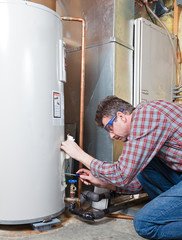
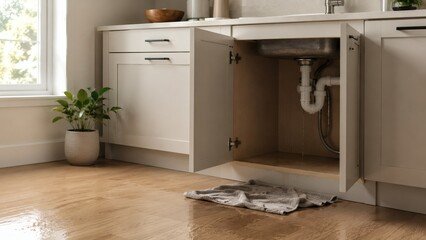
Homeowners can safely monitor their equipment by performing basic visual and auditory checks. Listening closely to the water heater during a heavy hot water draw or check cycle can reveal early rumbling sounds. Checking the exterior for signs of condensation, mineral weeping around pipe connections, or slight floor moisture also helps.
However, attempting to flush a heavily neglected water heater without understanding the risks can lead to unexpected problems. Draining a tank that has accumulated years of thick, compacted sediment can sometimes clog the drain valve entirely with solid debris, leaving the valve stuck partially open and causing a continuous leak. Furthermore, high-pressure hot water lines, electrical disconnects, and gas supply connections require strict adherence to safety protocols. If a drain valve is completely blocked or if the tank has not been serviced in many years, forcing a DIY flush can create a bigger mess than it resolves.
Repair, Flushing, and Replacement Considerations
When sediment buildup reaches advanced stages, different corrective paths become available depending on the tank's overall condition.
- Routine Flushing: For systems maintained regularly, draining and flushing the tank removes loose mineral particles and restores direct heat transfer. This is a maintenance procedure, not a cure for a corroded tank.
- Anode Rod Replacement: The sacrificial anode rod protects the steel tank from rusting. When sediment alters the internal chemistry, the anode depletes faster. Replacing a spent anode rod helps extend tank life, provided sediment levels are controlled.
- Component Replacement: In electric units, sediment-damaged heating elements or thermostats can be replaced individually if the tank body remains structurally sound.
- Tank Replacement: If sediment has caused localized overheating, micro-cracks, or accelerated tank wall corrosion resulting in a slow weep or leak from the base, replacement is the only reliable option.
Factors Influencing Service and Maintenance Costs
When evaluating professional maintenance or repair work for a sediment-impacted water heater, several practical variables shape the overall scope and expense:
- Tank Accessibility: Units installed in tight garage closets, elevated condo utility platforms, or restricted commercial utility rooms require extra time to access safely without damaging interior finishes.
- Severity of Buildup: A standard annual flush differs significantly from clearing a severely calcified tank with a completely seized or clogged brass drain valve.
- Associated Component Wear: If sediment has also destroyed heating elements, gas control valves, or flexible supply connectors, those parts must be factored into the service scope.
- Disposal and Code Requirements: Upgrading or replacing an aging water heater often involves modernizing drain pans, thermal expansion tanks, or shut-off valves to comply with current local plumbing safety standards.
Frequently Asked Questions
How often should a water heater be flushed to prevent sediment buildup?
For most residential properties, flushing the tank once a year is recommended. However, properties with higher mineral content or heavy daily hot water consumption may benefit from semi-annual maintenance to keep sediment layers from compacting.
Can sediment buildup cause my water heater to leak?
Yes. Heavy sediment acts as an insulator that causes localized overheating at the bottom of the tank. This extreme thermal stress can warp the metal, weaken glass linings, and eventually lead to stress fractures or leaks.
Why does my water heater make a popping noise when heating?
That popping sound is caused by trapped pockets of water boiling underneath a layer of sediment at the bottom of the tank. As the steam bubbles force their way up through the mineral sludge, they create a distinct rumbling or popping noise.
Is it safe to flush an old water heater that has never been serviced?
Proceed with caution. If a water heater is very old and has never been flushed, accumulated sediment may have packed tightly around the drain valve or sealed minor corrosion spots. Opening the valve on a severely neglected tank can sometimes cause it to jam open or trigger a leak.
Does tankless water heater technology eliminate sediment problems?
Tankless units do not store water, which eliminates large tank sediment beds, but they are still vulnerable to scale accumulation on their internal heat exchangers. Hard water minerals will coat the narrow passages of a tankless unit over time, requiring periodic descaling maintenance.