How Corrosion Damages Plumbing Pipes in Miami Properties
Learn how corrosion damages plumbing pipes in Miami properties. Discover early warning signs, hidden risks, diagnostic clues, and practical repair options.

Understanding Pipe Corrosion in Miami Plumbing Systems
Corrosion is a silent and progressive process that gradually weakens plumbing pipes from the inside out or the outside in. When a pipe corrodes, its structural integrity diminishes, leading to restricted water flow, discolored water, pinhole leaks, and eventual catastrophic failure if left unaddressed. Property owners in Miami face unique environmental and structural conditions that can accelerate pipe degradation, making it vital to recognize how corrosion forms and what symptoms reveal its presence before major damage occurs.
Unlike sudden blockages or acute impacts, corrosion develops slowly over months or years. Understanding the physical mechanisms behind pipe deterioration helps property owners distinguish between isolated fixture issues and systemic pipe failure. Whether managing an older residential property, a coastal home, or a multi-story building, identifying the type of pipe material and recognizing the early warning signs of internal breakdown is the first step toward effective mitigation.
Why Miami's Environment Influences Pipe Deterioration
While pipe corrosion occurs everywhere, certain local factors in Miami can influence how rapidly metals degrade. High ambient humidity, frequent tropical rainfall, and proximity to coastal environments create external conditions that promote oxidation and material breakdown, particularly for exposed exterior plumbing, underground components, and pipes running through damp crawl spaces or unconditioned areas.
Furthermore, mineral content in local water supplies can interact with older metallic piping over decades. When water chemistry reacts with the interior walls of metal pipes, chemical reactions strip away protective linings or cause mineral scaling. Over time, this buildup restricts the interior diameter of the pipe while simultaneously eating away at the pipe wall, creating localized thinning that eventually breaches the surface.
Common Pipe Materials and Their Specific Vulnerabilities
Not all plumbing pipes corrode in the same way. The specific mechanism of damage depends largely on what the pipe is made of and how it was installed:
- Galvanized Steel Pipes: Widely used in older construction throughout Miami, galvanized steel pipes feature a protective zinc coating. Over decades, this coating wears away. Once exposed to water, the underlying steel begins to rust internally. This rust flakes off, causing chronic low water pressure, discolored brownish water, and eventual complete blockage or wall failure.
- Copper Pipes: Though valued for durability, copper is susceptible to pitting corrosion caused by aggressive water chemistry, high velocities, or stray electrical currents grounding through the plumbing system. Copper corrosion typically manifests as tiny pinhole leaks that spray fine streams of water inside walls or ceilings.
- Cast Iron Drain Lines: Found in many older underground and vertical drainage stacks, cast iron rusts from exposure to sewer gases and wastewater acidity. Interior scaling creates rough surfaces that catch debris, while exterior wall thinning can lead to structural collapse under soil pressure.
Early Warning Signs of Corroding Pipes
Corrosion rarely happens without leaving clues. Recognizing these subtle indicators can prevent extensive water damage and costly structural repairs:
- Discolored Water: Brown, yellow, or reddish water when you first open a faucet often indicates rust breaking loose inside galvanized supply lines.
- Unexplained Water Bill Increases: A slow, continuous rise in water consumption without a change in habits frequently points to a pinhole leak hiding inside a wall or slab.
- Reduced Water Pressure: If pressure drops at a single fixture while aerators are clean, internal mineral buildup or corrosion-induced narrowing is a likely culprit. If pressure drops system-wide, a main supply issue may be developing.
- Foul Odors or Damp Spots: Persistent musty smells near baseboards or unexplained damp patches on drywall can indicate a slow, weeping pipe leak fueled by internal pipe degradation.
Hidden Diagnostic Insights Property Owners Overlook
Diagnosing corrosion requires looking beyond the immediate symptom. One common misconception is that a single leaking pipe means only that specific joint failed. In reality, when one section of metallic pipe experiences wall failure due to age or chemical breakdown, adjacent sections are usually in a similar state of internal thinning.
Another overlooked factor is electrolysis—the chemical reaction that occurs when two dissimilar metals, such as copper and galvanized steel, are joined directly together without a dielectric union. Where these metals meet, accelerated galvanic corrosion eats away at the weaker metal in a very short timeframe. Additionally, visible corrosion on the exterior of a pipe in a damp area may simply be surface oxidation, whereas internal pitting can be occurring simultaneously in completely dry-looking sections elsewhere in the system.
Safe Homeowner Checks and Inspections
Property owners can perform safe visual and operational checks to assess the condition of accessible plumbing components:
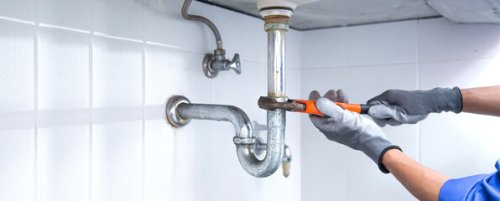
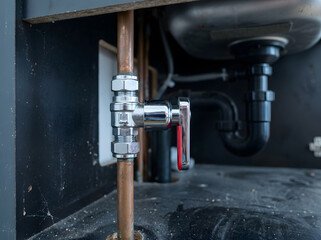
- Inspect exposed pipes under sinks, in utility closets, and around the water heater for signs of flaking, green discoloration (on copper), white crusty mineral deposits, or bulging surfaces.
- Check water clarity by running cold water from various faucets into a white container after a period of non-use.
- Monitor water meters when all fixtures are turned off to verify whether a hidden leak is active within the supply network.
Homeowners should never attempt to scrape, hammer, or apply temporary adhesive patches to actively pressurized metallic pipes showing signs of severe corrosion, as this can trigger a sudden rupture and major water damage.
Repair and Replacement Options for Corroded Pipes
When corrosion compromises pipe integrity, temporary patches rarely offer a permanent solution. Professional repair strategies depend on the extent and location of the damage:
- Spot Repair: If corrosion is isolated to a single fitting or a short run, a plumber can cut out the damaged section and install new piping using modern materials like PEX or code-compliant copper with proper fittings.
- Repiping: When an entire property features aging, severely corroded galvanized or degraded copper lines, sectional repairs become an endless cycle of new leaks. Partial or whole-house repiping replaces the compromised distribution network entirely, restoring full water pressure and reliability.
- Trenchless Sewer Lining: For underground cast-iron drain lines damaged by internal corrosion, trenchless rehabilitation methods can create a seamless structural epoxy barrier inside the existing pipe without major excavation.
Factors That Influence Repair and Replacement Costs
The cost to address pipe corrosion varies widely based on several practical project variables rather than a flat per-foot rate. Key factors include:
- Accessibility: Pipes exposed in open utility areas or crawl spaces are straightforward to service, whereas lines buried deep within concrete slabs, masonry walls, or multi-story vertical chases require specialized access and restoration work.
- Material Selection: The choice between repiping with flexible PEX tubing, rigid copper, or specialty commercial-grade materials impacts material and labor expenses.
- Scope of Work: Replacing a single pipe branch differs substantially from performing a complete supply or drainage overhaul for an entire residential or commercial building.
- Restoration Requirements: Drywall cutting, tile removal, concrete trenching, and subsequent surface finishing add to the overall labor scope when pipes are hidden inside structural elements.
Condo and Multi-Story Considerations
In condominiums, townhomes, and multi-story commercial buildings, plumbing pipes are often part of a shared infrastructure network. Individual unit owners may own the branch lines serving their specific fixtures, while vertical supply stacks, main drain trunks, and exterior-wall risers are typically maintained by the property association or building management. If you suspect corrosion in a multi-family property, reviewing association bylaws and notifying building management is essential before initiating any invasive diagnostic or repair work.
Frequently Asked Questions
Can pipe corrosion cause my water to taste metallic?
Yes. As iron, zinc, or copper pipes corrode internally, microscopic metallic particles leach into the standing water inside the lines. This is particularly noticeable when running a faucet that has not been used for several hours.
How can I tell if my home has galvanized pipes prone to internal rust?
Galvanized steel pipes are rigid, metallic gray, and often magnetic. If your property was built decades ago, you can often inspect exposed pipes in the garage, utility room, or under sinks. If you see threaded joints connecting steel pipes, you likely have a galvanized system.
Are pinhole leaks covered by homeowners insurance?
Insurance coverage for pipe leaks typically depends on your specific policy wording, the suddenness of the damage, and whether the leak resulted from long-term wear and tear or a sudden failure. Review your policy details or consult your insurance provider regarding water damage claims.
Why does corrosion cause low water pressure?
As corrosion builds up inside metal pipes, it creates rough mineral deposits that narrow the internal diameter of the pipe. This constriction restricts water volume and reduces flow velocity, resulting in weak pressure at connected fixtures.
Is it safe to drink water from corroding pipes?
While minor discoloration may clear after flushing the line, water flowing through severely corroded pipes can carry rust, sediment, and heavy metals. If your water shows persistent discoloration or unusual taste, professional water testing and pipe inspection are recommended.
Should I repair a corroded pipe or replace the whole system?
If corrosion is isolated to one specific fitting and the rest of the pipe wall is thick and sound, a targeted repair is often sufficient. However, if multiple leaks occur across different rooms or if pipes show widespread interior scaling, whole-system repiping is usually the most cost-effective long-term solution.