Gas Line Plumber in Miami FL: Safety, Repairs & Installation
Understand how to safely address gas line installations, repairs, and odor detection in Miami. Learn what to check and when to call a professional.

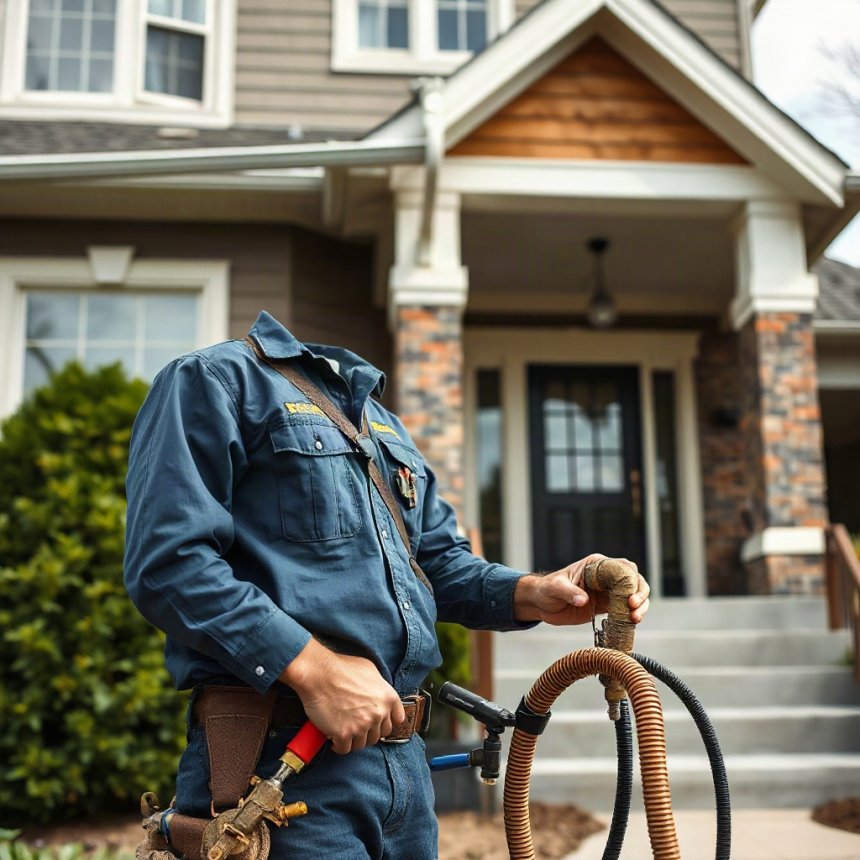
Understanding Gas Line Services and Safety in Miami Properties
Working with residential or commercial gas lines requires extreme precision, rigorous adherence to safety codes, and specialized diagnostic knowledge. Whether a property relies on natural gas for a tankless water heater, a kitchen range, a pool heater, or a commercial restaurant appliance, any project involving fuel gas piping demands a qualified professional. Unlike ordinary water supply lines where a slow leak results in water damage, a compromised gas line presents immediate health, fire, and explosion hazards.
In Miami, properties encounter unique environmental factors. High humidity, coastal salt air, and shifting soils from heavy tropical rainfall can impact exterior gas installations, underground service lines, and exposed pipe exterior coatings. Understanding how gas distribution systems operate, recognizing warning signs of a potential issue, and knowing when to call a certified gas line professional helps property owners protect their homes, businesses, and occupants.
Recognizing Gas Line Problems and Diagnostic Clues
Detecting a gas line issue early prevents hazardous emergencies. Because utility companies add a distinct sulfur or rotten-egg odor to natural gas, smell is often the primary warning indicator. However, gas leaks or supply restrictions can manifest in other subtle ways that require careful observation.
- Distinct Odors: Even a faint sulfur-like scent near an appliance, meter, or wall connection warrants immediate attention.
- Hissing or Whistling Sounds: Audible noise near a gas pipe, valve, or connector usually indicates gas escaping under pressure.
- Dead or Dying Vegetation: For underground gas lines running across a yard or landscaping, a patch of dead grass or plants directly above the pipe can signal a subterranean leak.
- Appliance Performance Issues: A gas stove burner burning with a yellow or flickering flame instead of a sharp blue flame can indicate incomplete combustion, improper gas pressure, or ventilation issues.
- Unexplained High Bills: A sudden increase in monthly fuel consumption without a change in usage habits can point toward a slow, hidden leak in the supply network.
Hidden Insights: Why the Apparent Leak Location Can Be Misleading
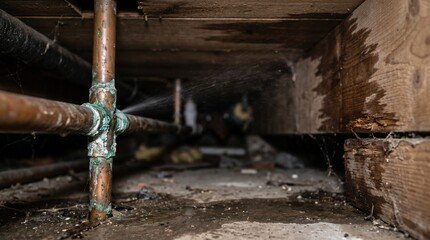
One common misconception is that the location of a gas odor is the exact point of the leak. Gas is lighter than air in many conditions and travels easily along the path of least resistance. A leak occurring beneath a floor, inside a wall cavity, or underground can migrate several feet before finding an exit point into a living space or utility room.
Furthermore, outdoor underground gas lines running from the Miami-Dade utility meter to a detached pool heater, outdoor kitchen, or generator are exposed to soil shifting, corrosion, and landscaping equipment damage. A pressure test conducted by a licensed gas plumber is often necessary to isolate whether a pressure drop exists within the internal branch piping or the external underground supply line.
Safe Homeowner Actions and Critical Safety Limits
Due to the extreme volatility of fuel gases, homeowner DIY intervention is strictly limited to observation and immediate emergency response. Attempting to repair, tighten, or modify gas piping without proper licensing, tools, and pressure-testing equipment is dangerous and illegal in most jurisdictions.
Immediate Safety Steps for a Suspected Gas Leak
- Evacuate Immediately: Get all family members, employees, or residents away from the building immediately.
- Avoid Electrical Switches: Do not turn lights on or off, unplug appliances, use landline phones, or start vehicles near the property, as an electrical spark can ignite concentrated gas.
- Shut Off the Main Valve Only If Safe: If the manual shutoff valve located at the exterior meter is easily accessible and safe to reach without entering a hazardous cloud of gas, a knowledgeable homeowner may turn it a quarter-turn perpendicular to the pipe. Never force a stuck valve.
- Call Emergency Services: Contact your local gas utility provider or emergency services from a safe distance away from the structure.
Repair, Replacement, and Installation Options
When a professional gas line plumber evaluates a property, the appropriate solution depends on the specific nature of the problem, the age of the piping material, and local building codes.
- Valve Replacement: Faulty or leaking shutoff valves (shutoff cocks) at individual appliances can often be replaced safely after shutting down the main supply and purging the branch line.
- Pipe Section Repair: Corraded, damaged, or poorly threaded pipe segments may be cut out and replaced using approved materials such as black iron, CSST (Corrugated Stainless Steel Tubing), or specialized underground polyethylene piping depending on application standards.
- Re-piping Aging Systems: Older residential or commercial properties with outdated, degraded, or undersized piping may require partial or complete re-piping to ensure adequate flow and compliance with current safety codes.
- New Appliance Hookups: Installing a new gas water heater, clothes dryer, or commercial range requires running dedicated branch lines sized correctly for the BTU (British Thermal Unit) demand of the equipment. Sizing is critical; an undersized pipe starves the appliance of necessary pressure.
Factors Influencing Gas Line Service Costs
Because gas work involves high-stakes safety protocols, permitting, and specialized testing, pricing varies based on specific project requirements rather than a flat rate. Key factors include:
- Scope of Work: A simple valve replacement differs significantly from running a brand-new 50-foot underground gas line to a patio generator.
- Material and Sizing: Larger diameter pipes and specialized materials like coated underground polyethylene or flexible protective conduit increase material costs.
- Accessibility: Piping routed through finished walls, concrete slabs, or tight crawl spaces requires careful access creation and subsequent repair work.
- Permits and Inspections: Most municipal jurisdictions in Miami-Dade County require permits and formal safety pressure inspections for new gas installations and significant repairs.
- Emergency Response: After-hours or emergency dispatch required for active safety concerns involves specialized labor allocation.
Condominiums, High-Rises, and Commercial Properties
In Miami's extensive condominium and high-rise sectors, gas distribution is often managed via central building risers or shared community propane systems. Individual unit owners typically own and maintain the branch piping supplying their specific appliances, while the condominium association or commercial property management oversees main risers, regulators, and exterior distribution manifolds.
If a gas odor or pressure issue arises in a multi-tenant building, property management and building engineers must be notified immediately so they can coordinate with the local utility provider and licensed commercial gas contractors to secure the correct master shutoff valves.
Frequently Asked Questions
Can I smell natural gas even if there is no active leak?
Natural gas is naturally odorless. Utility companies add a harmless odorant called mercaptan, which smells like rotten eggs, so even trace amounts are noticeable. If you smell it, treat it as an active leak until proven otherwise by a professional with gas-detection equipment.
What is a gas pressure test and when is it required?
A pressure test involves attaching a specialized gauge to the gas piping system and pressurizing it with air or inert gas above normal operating levels for a specified duration. This test confirms the integrity of the entire piping network and is typically required by building inspectors before new gas lines are energized or after major repairs.
Are flexible gas connectors reusable?
No. Flexible appliance connectors (such as those connecting a stove or water heater to the rigid wall supply) are designed for single installation. Building codes and manufacturer guidelines specify that whenever an appliance is moved, replaced, or disconnected, a new certified connector must be installed.
Who is responsible for the gas line from the street to my house?
Generally, the local gas utility company owns and maintains the main distribution lines up to and including the gas meter. The property owner is responsible for all piping, valves, and appliances located on the outlet side of the meter.
Why does my gas water heater pilot light keep going out?
A pilot light that repeatedly extinguishes can be caused by a faulty thermocouple, a drafty installation location, a blocked burner assembly, or intermittent gas supply pressure drops. A qualified technician should inspect the burner and safety controls rather than repeatedly relighting an unstable unit.
Do I need a permit to install a new gas line for a patio grill or generator?
Yes. Almost all new gas line installations, extensions, and major appliance connections require permits and mandatory inspections through local building departments in Miami-Dade County to ensure compliance with fuel gas safety codes.