What to Do When a Pipe Bursts in Miami FL: Emergency Guide
Discover immediate steps to take when a pipe bursts in Miami FL. Learn how to shut off water, prevent mold, minimize damage, and assess repair options.

Immediate Emergency Actions for a Burst Pipe
Discovering a burst pipe requires rapid, decisive action to prevent structural damage, electrical hazards, and widespread property flooding. In properties across Miami, FL, water damage can escalate quickly due to high indoor humidity, which slows natural drying and creates an ideal environment for mold growth within 24 to 48 hours.
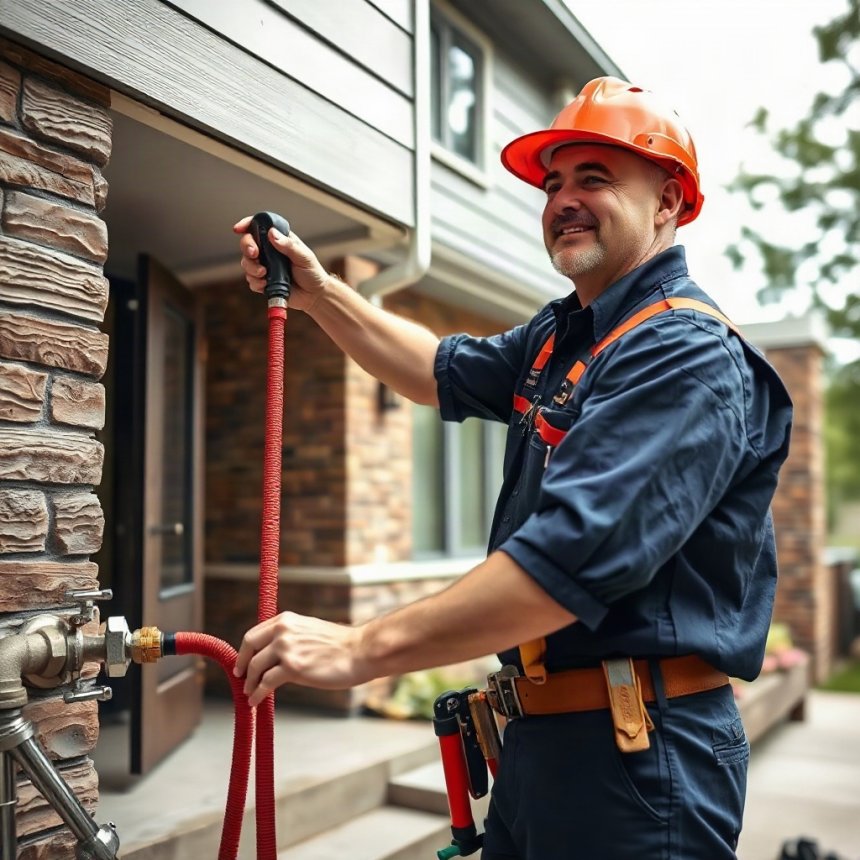
Your very first priority when a pipe ruptures is to stop the flow of water. Locate your main water shutoff valve immediately. In single-family Miami homes, this valve is typically found near the front property line inside a concrete utility box, near the water meter, or on an exterior wall where the main supply line enters the structure. In condominiums or multi-family high-rises, individual units often have an emergency shutoff valve located near the water heater, inside a utility closet, or adjacent to bathroom access panels.
If you cannot locate the main valve or if it is stuck due to mineral buildup or corrosion, use the emergency shutoff valve directly beneath the affected fixture, such as the sink supply stops or the toilet supply valve, if safely accessible. Once the water is shut off, turn off the electricity to the affected area at your breaker panel if water is near electrical outlets, switches, or light fixtures. Never step into standing water if there is any possibility that live electrical circuits are submerged.
Safely Containing Water and Documenting Damage
After stopping the water supply, open lowest-level faucets to drain remaining water trapped in the lines. Place buckets beneath active dripping points and use towels or wet-dry vacuums to remove standing water from tile, wood, or laminate flooring. If water is cascading through a ceiling, carefully puncture a small hole at the lowest point of the sagging drywall using a screwdriver to let the pooled water drain into a bucket rather than letting the entire ceiling collapse unexpectedly.
Document all visible damage with photographs and videos before beginning cleanup or discarding ruined materials. Clear documentation is essential if you plan to file an insurance claim for property damage.
Understanding Why Pipes Burst in Miami Properties
Many homeowners assume pipes only burst due to freezing winter temperatures, but plumbing failures happen frequently in subtropical climates like Miami for entirely different reasons. Understanding the underlying plumbing mechanism helps determine whether the failure is an isolated incident or a symptom of a broader system-wide vulnerability.
- Excessive Water Pressure: Municipal water supply pressure can fluctuate. If thermal expansion or pressure-reducing valve (PRV) failures push system pressure consistently above 80 PSI, pipes, fittings, and supply hoses experience continuous mechanical stress until a weak point ruptures.
- Material Degradation and Age: Older residential properties in Miami may still contain aging galvanized steel or polybutylene piping. Galvanized pipes corrode from the inside out, narrowing the interior diameter and thinning the pipe walls until they split. Polybutylene supply lines become brittle over time when exposed to chemically treated municipal water.
- Soil Shifting and Foundation Stress: Miami's high water table, sandy soil composition, and heavy tropical rainfall can cause ground shifting beneath slab-on-grade foundations. When earth settles unevenly, underground or sub-slab supply lines experience shear stress, leading to sudden fractures.
- External Corrosion and Humidity: Properties located closer to coastal marine environments face aggressive atmospheric corrosion. Copper pipes exposed to salt air and high localized humidity in crawl spaces or unconditioned utility chases can develop pinhole leaks that eventually split open under pressure.
Hidden Diagnostic Clues and Assessing the Scope of Damage
A burst pipe is rarely subtle, but the visible point of failure may not tell the whole story. A split pipe inside a wall cavity can channel water downward along framing studs, soaking baseboards or ceilings several feet away from the actual rupture. When evaluating the damage, consider these diagnostic details:
Check whether the rupture occurred on a supply line under constant pressure or a drain line that only carries water during fixture usage. Supply line bursts cause continuous flooding until shut off, while drain line breaks typically leak intermittently when sinks, showers, or washing machines drain. Inspect nearby pipe runs for signs of green or white crusting, mineral scaling, or damp insulation, which indicate that the pipe has been slowly weeping or sweating before the final rupture occurred.
In multi-story buildings and condominiums, a burst pressure line can flood multiple units vertically if the water travels down through floor penetrations and electrical chases. Coordinating quickly with building management or neighboring residents is essential to verify whether the shutoff affected shared risers or private branch lines.
Repair Options and Choosing the Right Solution
When a professional plumber arrives to address a burst pipe, the appropriate repair strategy depends on pipe material, accessibility, and overall system condition. Avoid settling for a temporary patch if the surrounding plumbing is severely compromised.
- Spot Repair and Coupling: If a pipe split is clean and isolated, and the remaining pipe material is in sound condition, a plumber may cut out the damaged section and install a matching repair coupling using soldered copper, PEX fittings, or PVC compression connectors.
- Partial Repiping: If inspection reveals extensive interior corrosion, thinning walls, or multiple signs of wear along a specific branch line, replacing only the immediate burst section leaves the property vulnerable to nearby failures. Running a new section of PEX or copper piping past the compromised zone provides long-term reliability.
- Slab Leak Rerouting: When a pressurized water line bursts beneath a concrete slab foundation, breaking through the concrete to repair the exact break is often disruptive and expensive. Plumbers frequently recommend abandoning the underground line and rerouting the supply through the ceiling or attic space using flexible PEX piping.
Factors That Affect Plumbing Repair and Restoration Costs
The cost of resolving a burst pipe varies significantly based on practical scope variables rather than arbitrary pricing. Understanding these factors helps you evaluate professional estimates realistically:
- Accessibility: A burst pipe exposed in an open utility room or beneath a sink requires minimal labor to access. Conversely, pipes buried beneath concrete slabs, encased inside finished tile walls, or located in tight high-rise utility shafts require specialized cutting, excavation, or structural opening.
- Material and Diameter: Main supply lines, larger commercial pipe diameters, and specialized piping materials require different fittings, tools, and connection techniques compared to standard residential copper or PEX lines.
- Emergency Timing: Major pipe bursts rarely happen during standard business hours. Emergency dispatch, night, weekend, or holiday service involves higher labor deployment costs due to urgent response requirements.
- Restoration Scope: Plumbing labor typically covers cutting, repairing, and pressure-testing the pipe itself. Drywall repair, painting, flooring replacement, mold remediation, and cabinet restoration are separate restoration scopes that impact total recovery expenses.
Questions to Ask Before Approving Major Plumbing Work
Before authorizing significant pipe repair or repiping work, ask qualified professionals targeted questions to ensure transparency and quality workmanship:
- Is the repair a permanent fix, or does it only address the immediate point of failure while leaving aging adjacent pipe in place?
- What specific pipe material are you using for the replacement, and is it compatible with the existing plumbing system?
- Will the water supply need to be shut off for the entire building, or can it be isolated to a specific zone or unit?
- How will you pressure-test the repair before restoring drywall, concrete, or finishes?
- Does the scope include remediation for hidden moisture inside wall cavities to prevent mold growth?
Frequently Asked Questions
Should I turn off my water meter immediately if a pipe bursts?
Yes. Turning off the main water meter or the property's main shutoff valve is the most effective way to stop continuous flooding and minimize structural water damage while you wait for a professional plumber to arrive.
How can I tell if a hidden pipe has burst inside my wall?
Common warning signs of a hidden pipe failure include a sudden spike in your water bill, the sound of running water when all fixtures are turned off, unexplained warm spots on floors, damp drywall, bubbling paint, or musty mildew odors.
Can a burst pipe cause mold growth in Miami's climate?
Yes. Due to high ambient humidity levels in South Florida, moisture trapped inside walls or beneath flooring from a burst pipe can foster mold growth within 24 to 48 hours. Proper drying and dehumidification are critical after any major leak.
Is a condo owner responsible for a burst supply pipe inside a unit?
Responsibility depends on your condominium association's governing documents and bylaws. Generally, owners are responsible for private fixtures and branch lines serving only their unit, while the association handles shared risers and main building structures. Always consult your property management rules.
How do plumbers test a repaired pipe to ensure it won't leak again?
Professional plumbers perform a static pressure test by pressurizing the repaired line to system operating levels or higher using a test gauge, monitoring the system for any pressure drop over a specified time period before restoring finishes.
What is the difference between repairing a burst pipe and repiping?
A pipe repair fixes a single localized failure point. Repiping involves replacing an entire section or the complete plumbing distribution system when older pipes suffer from widespread corrosion, frequent leaks, or systemic material failure.